Computer monitoring software can do much more today than simply record what someone does on a computer.
Depending on the software, administrators can monitor activity, review screenshots, restrict websites and applications, set time limits, and sometimes manage devices remotely.
But I’m curious where people draw the line.
For a parent, website filtering and screen-time controls might be the most useful features. For a business, activity visibility, application restrictions, scheduling, and centralized management may matter more.
At the same time, more monitoring isn’t necessarily better. There’s a legitimate privacy question around how much information should be collected, who can access it, and how clearly users are told about the monitoring.
If you were choosing computer monitoring software today, which features would you consider essential, and which would you consider unnecessary or too intrusive?
Astonishingly, the private keys were 4, 56, 66, 115, 155, 156, 230, 237.
exploiting compromised certificates requires an active adversary-in-the-middle attack, meaning the attacker must act as a proxy between two TLS parties and receive encrypted traffic, decrypt it, reencrypt it, and send it to the other party. Such capabilities, in some cases, are usually limited to only the most well-resourced attackers. People with control of a local network—at a coffee shop, university, or other organization—face much less of a challenge.
Google’s AI search told users that an Aachen doctor had been convicted of a sex crime. The conviction belonged to a different man, and on September 24 the Aachen Regional Court [in Germany] banned Google from repeating it, ruling that the company answers for what its AI Mode says. It is the second German court this year to treat Google’s AI answers as Google’s own words, and the first ruling to say so has now been settled rather than tested on appeal.
…
The doctor asked Google to delete the text on August 28 and followed up with a formal legal warning on September 15. Neither worked. The court’s 8th civil chamber then acted without hearing Google first, citing the urgency of false claims that were “publicly visible” to an unlimited audience. Google Ireland, which runs Google Search in the EU, now faces a fine of up to €250,000 for each breach, or detention of its managers, if it repeats three versions of the text. Google can still challenge the order.
The court’s reasoning is blunt: Google “provides AI-generated search and is therefore also responsible for the answers generated in this context.” It added that checking would have been easy: had Google “confronted its own AI” with the doctor’s objections, it would have found the statements were false.
…
That reasoning comes almost word for word from Munich. On May 28 the Munich Regional Court I ruled (case 26 O 869/26) on AI Overviews that told searchers two Munich publishing companies were “known for dubious business practices”, ran subscription traps and kept changing their names to avoid being traced. None of the linked sources said that; the first one cited did not mention the companies at all.
Google argued that it was only summarising other people’s pages, the same defence that has long protected search engines in Germany. The court disagreed. AI Overviews, it said, do not just show links but make “independent, new and substantive statements” built by evaluating and combining third-party sites, so Google must treat them as its own, including as the provider of an AI system under the EU’s AI Act. “Only it has influence over the AI,” the judges wrote.
Google said at the time it would appeal. That appeal has ended in a settlement, The Decoder reported on Saturday; the terms are not known and neither Google nor the publishers would comment. The upshot is that no higher court has ruled, so the Munich judgment is not binding precedent, but lower courts such as Aachen are already following it.
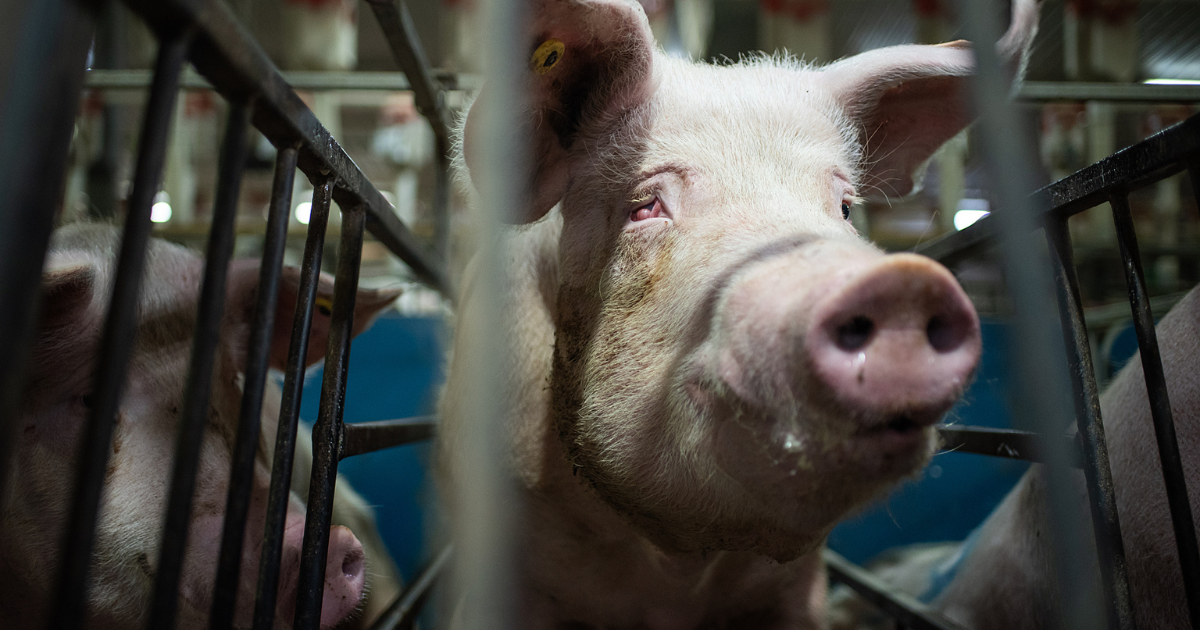
An estimated 99% of farm animals in the United States are raised in concentrated animal feeding operations, or CAFOs. Often called factory farms, these facilities raise livestock in densely packed, enclosed spaces, with some housing tens of thousands of animals at one time.
[…]
In a new Technology in Society paper, Sheng and co-authors analyzed 4,800 independently generated images and found that ChatGPT defaulted to pastoral imagery when prompted to depict dairy and pig farms, even when they requested more realistic images. However, when researchers disabled the underlying prompt revision, the generated images depicted more intensive livestock farming.
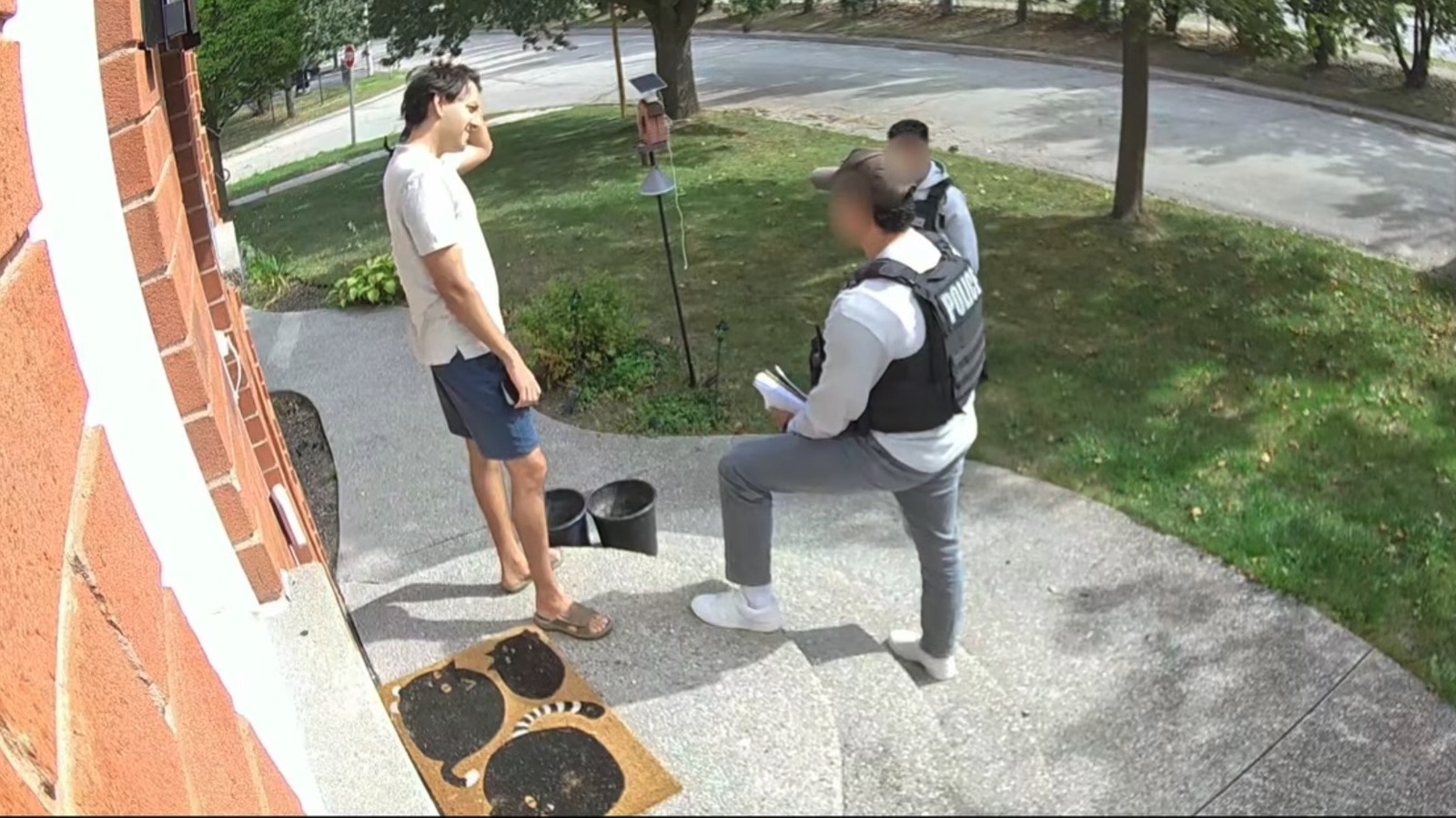
Fitzgerald’s is a rare case where an official employed by the state’s top law enforcement and legal office has been accused of making and distributing AI CSAM, although some cops have been arrested for the crime. Earlier this year, a Pennsylvania cop was arrested for making AI porn from photos on driver’s licenses, and more recently in Korea, a police officer was arrested for making AI porn, including CSAM, The Korea Times reported.
In New Jersey, the deputy attorney general has been charged with possession of CSAM, dissemination of photos or film of CSAM, and “criminal use of a communication facility,” detectives said.