


0

preview
As the title says. I don’t trust what comes out from search engines. Thank you.
As the title says. I don’t trust what comes out from search engines. Thank you.

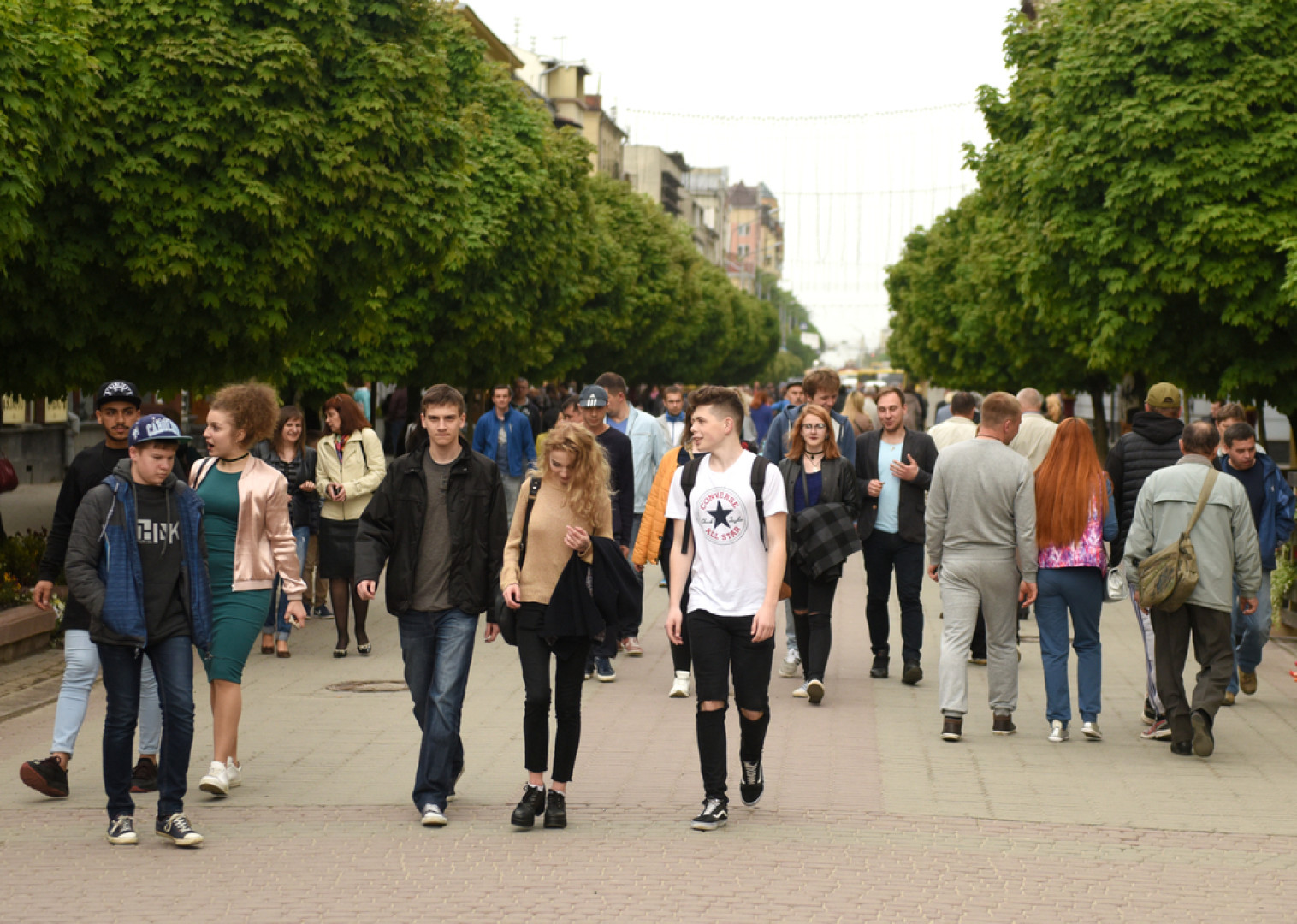

The featured story really was “Thunder World” by Edmond Hamilton, and the cover art is credited to Lloyd Rognan
The featured story really was “Thunder World” by Edmond Hamilton, and the cover art is credited to Lloyd Rognan

New maps with data from August 30 are now out. They will also be used in the next release version of CoMaps.
Speaking off new release: the 2026.08.31 version is already available for Android on Codeberg – and submitted for review with Google Play and iOS. Hopefully it will be available there soon too! codeberg.org/comaps/comaps/…/v2026.08.31-14

As the title says. I don’t trust what comes out from search engines. Thank you.
As the title says. I don’t trust what comes out from search engines. Thank you.


(u/FishWithLegsAndArms)
(u/FishWithLegsAndArms)

The login reward obtainable in September will be Chauchat’s CM Personal Load-Bearing Equipment.
Description:
A set of load-bearing equipment with expanded capacity. Even if Chauchat screws up during a mission, she can make up for it by bringing along large amounts of items to solve whatever problems come up.
Max stats:
Skill:
Consume Fleur-de-lis to additionally increase damage and accuracy.

I’ve been using vim/Neovim since 1999, and the amount of muscle memory that I’ve built up is deeply ingrained. I’m thinking that it may be time to branch out a bit and try my hand at emacs. How would you recommend dipping my toes into the emacs tackle box?
I’ve been using vim/Neovim since 1999, and the amount of muscle memory that I’ve built up is deeply ingrained. I’m thinking that it may be time to branch out a bit and try my hand at emacs. How would you recommend dipping my toes into the emacs tackle box?




Hat jemand von Euch auch so eine Mail bekommen? Ist kein phishing.
Bleibt aber auch unspezifisch was passiert ist!?
“…zum Schutz deines Kundenkontos haben wir dein Passwort vorsorglich zurückgesetzt.
So kannst du deinen Account wieder nutzen
Bitte rufe unsere Website wie gewohnt auf oder öffne deine Cineplexx App. Wähle beim Log-In „Passwort vergessen“, um ein neues Passwort festzulegen.
Wichtig: Diese E-Mail enthält bewusst keinen Link zur Eingabe deines Passworts. Wir werden dich niemals per E-Mail nach deinem Passwort fragen.
Vielen Dank für dein Verständnis.
Dein Cineplexx Team”
EDIT: Teilantwort - meinbezirk.at/…/warum-cineplexx-ploetzlich-kunden…

Puppet Daniel from S10E6 “200”
Michael Shanks as he usually appears in Stargate SG-1
James Spader from the original Stargate film
Edgy Daniel from S10E6 “200”
Nerdy Daniel from S8E19 “Moebius”
I had considered making today’s Daniel joke out of Michael Jackson’s “Thriller” or “Bad”, but I liked this use of the multiple versions of Daniel.

With a new “Age of the Primes” toy on shelves now, it’s time for us to delve into the history of the attention-deficit Mini-Bot who’s spent most of his histo…
With a new “Age of the Primes” toy on shelves now, it’s time for us to delve into the history of the attention-deficit Mini-Bot who’s spent most of his histo…

The Unscented Company, a Montreal-based home and body care business, stopped contracting the production of its soaps out to a Vermont company, instead bringing it north of the border.
The Unscented Company, a Montreal-based home and body care business, stopped contracting the production of its soaps out to a Vermont company, instead bringing it north of the border.

BSD didn’t just ship TCP/IP it shipped the reference implementation that everyone copied.
Linux inherited networking culture from BSD.
BSD’s security lineage is absurdly influential:
Linux distros ship OpenSSH and pf-derived concepts because BSD did the hard work.
BSD’s storage innovations are quietly everywhere:
BSD storage philosophy: correctness first, performance second, hype never.
A shocking amount of “standard Unix” tooling is actually BSD-origin:
If you’ve ever typed ifconfig, ps, kill, or netstat, you’ve touched BSD DNA.
BSD introduced architectural ideas that shaped modern OS design:
Linux containers are conceptually BSD jails with marketing.
BSD’s influence on the actual backbone of the internet is massive:
If it moved packets in the 80s, 90s, or early 2000s, it probably ran BSD code.
macOS, iOS, iPadOS, watchOS, tvOS — all built on:
Every iPhone is a BSD descendant.
Consumer Electronics
BSD-origin tools that became universal:
BSD contributed ideas that shaped how engineers think:
Linux culture often prioritizes velocity; BSD prioritizes durability.
BSD didn’t just give the world TCP/IP — it gave the world the shape of modern computing: sockets, filesystems, logging, containers, security tooling, DNS, routing, storage frameworks, and the OS foundations inside every iPhone and PlayStation.




Torvalds is confronting a reality where AI‑augmented code discovery, bug surfacing, and exploit generation are now part of the ecosystem he maintains. He’s adapting because the kernel can’t pretend these tools don’t exist anymore.
For 3 decades, kernel development has been shaped by human‑found bugs, written patches, and human‑paced review cycles. Modern LLM‑based static analysis and fuzzing pipelines can surface hundreds of potential issues in minutes, generate PoCs for exploit chains, mutate inputs faster than syzkaller ever could, and find “weird machine” states humans wouldn’t think to test.
-Torvalds can no longer ignore that.
Ignoring AI became impossible once it started surfacing kernel‑relevant bugs. For years, Torvalds dismissed AI codegen as “garbage”, “dangerous”, and “not helpful”. -Then AI tools started finding UB patterns, surfacing concurrency hazards, generating syzkaller-style crash reproducers, identifying memory-safety regressions, and flagging suspious pointer lifetimes… he could no longer treat it as noise.
-Linus was late to the party.
The kernel community was moving on without him. Maintainers were discussing AI‑generated patch floods, new tooling to triage AI‑found issues, stricter patch acceptance rules, more emphasis on reproducible test cases, more skepticism toward AI‑assisted contributions, and more automation around review queues.
-He adapts when the ecosystem forces adaptation. -He’s not a visionary


Asahi didn’t “fail”. Asahi delivered exactly what a small, highly technical project could realistically deliver. What failed was the Linux community’s fantasy projection. The Linux hype machine rewards potential, not outcomes.
When a project promises things like “full hardware support”, “a new architecture”, yadda yadda, it becomes the buzz on Reddit, Lemmy, and Hacker News immediately.
Reverse‑engineering culture creates unrealistic expectations. Linux users love the idea that “If we just reverse‑engineer it hard enough, we can beat the vendor.” But reverse‑engineering is slow, fragile, and dependent on a tiny number of experts. Asahi had maybe 3–5 people doing the heavy lifting while the hype acted like it had 300.
The community treats every project like a Windows/macOS replacement. Even when the project itself says:
“This is experimental, incomplete, and not meant for daily use.”
The GNU community of course hears:
“This will dethrone Apple.”
It will happen repeatedly, predictably, and as long as Linux is a thing because the Linux ecosystem keeps generating the same conditions before reality arrives: 2-5 years of slow driver work, partial hardware support, niche usability, tiny contributor base, dev burnout, and ‘it works’ (but not better than the vendor OS).
Linux has 3 decades of failing to live up to hype, and the situation is mirrored for:
Asahi didn’t fail, Linux hype failed (as it always does.)
It’s not like typical Linux users can afford a Mac, and those that could probably wouldn’t gimp it with Linux. -2% of 2%



What is going on here and is it heaven or hell?
What is going on here and is it heaven or hell?


Whoof, it’s been a while since I’ve had a new build. Maybe I’ll start posting older builds that I haven’t shared before.
Anyway, I bought this kit off P-Bandai pretty much solely on the basis of that backpack reminding me of the Tallgeese. Visually, at least, since it’s actually a detachable skygrasper/core lander-like thing. I mostly enjoyed the build, although I do have a minor gripe about the rifle. It’s assembled in sections to allow for modularity, but the sections attach together using flat tabs, and as a result the rifle is kinda wobbly and I needed to be super careful about the hand placements to keep the rifle straightened out rather than bending to the side at the joints.
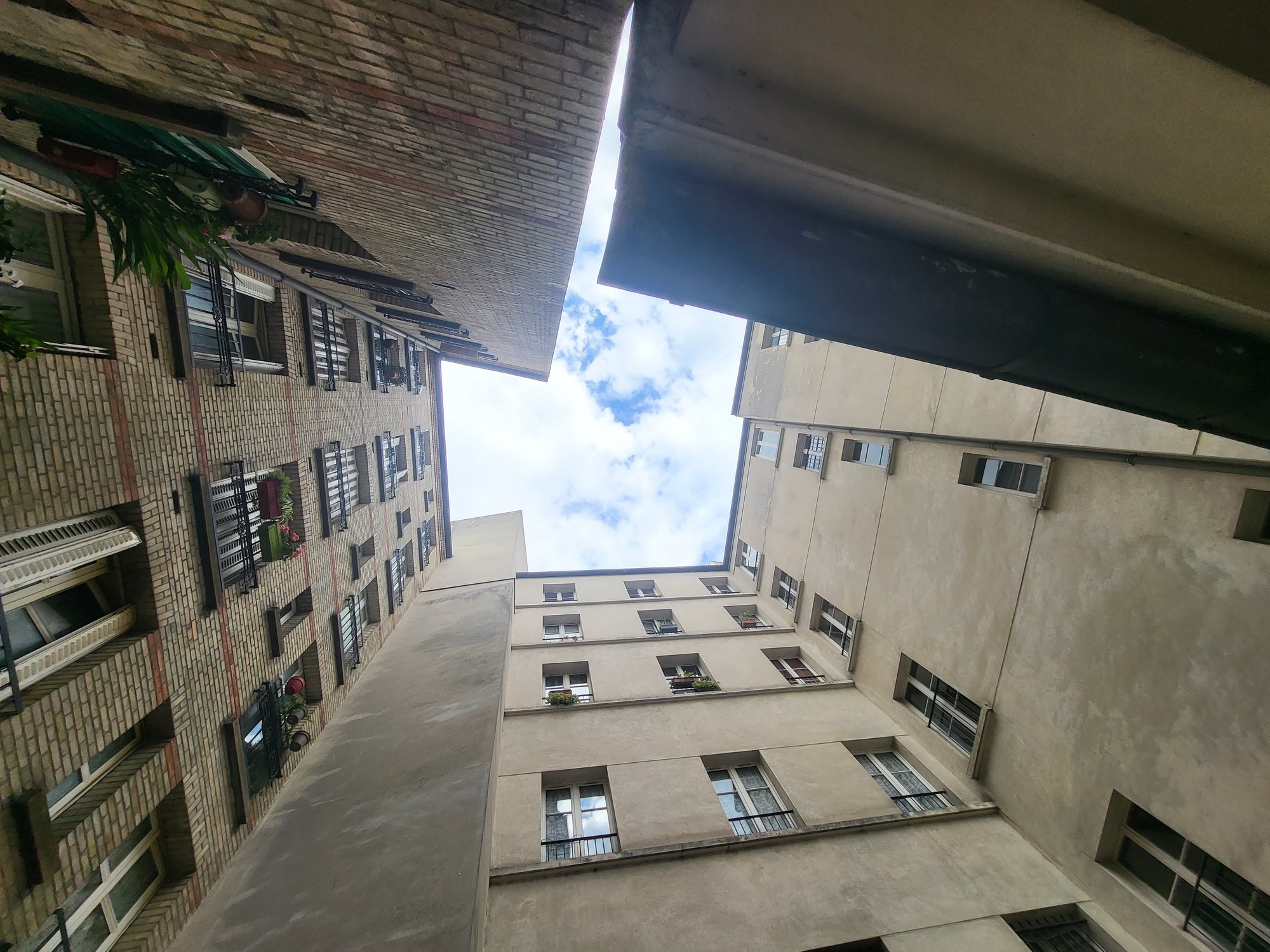

The core, the nucleus, of an atom consists of positively charged protons and of neutrons that do not have any charge. The nucleus in its entirety is considered to be positively charged. Surrounding the atomic nucleus is a cloud of electrons. Electrons are negatively charged. If the number of electrons are the same as the number of protons, then the atom is electrically neutral. There is electric equilibrium.

Source: https://www.sciencefacts.net/atom-2.html (2026-08-31)
This equilibrium can change. This happens when the number of electrons is unequal to the number of protons. The atom is then called an ion. If there are more electrons than protons, the ion is negatively charged. If there are less electrons than protons, the ion is positively charged.

Source: https://sciencenotes.org/what-is-the-difference-between-an-atom-and-an-ion/ (2026-08-31)
Any object or material that contains ions is no longer electrically neutral. It has an electric charge or “potential”. Between to differently charged objects or materia, there is potential difference or “voltage”. This electric imbalance always wants to equalize: atoms “want to be” neutral. Ions are either going to give away or receive the amount of electrons needed to achieve this equilibrium. This happens when two differently charged objects or materia directly touch or it can happen by influence in an electric field. Until a charge is equalized it remains and is considered static.
An example of charges equalizing by direct contact is when two differently charged people touch each other and experience a shock. Or when you happen to have collected an abundance of electrons, thus creating negative ions, and then you touch a differently charged object. Ouch (sometimes).

Source: https://thors.com/manufacturing-courses/manufactured-products/electrical-and-electronics/electrostatic-discharge-esd-basics/ (2026-08-31)
An example of charges equalizing through electric fields is lightning striking the ground. The potential difference between clouds and the ground grows so big that matter between them is ionized and finally, when the potentinal difference is big enough, the charges equalize in the form of visible current - lightning ⚡.

Source: https://www.savemyexams.com/igcse/physics/oxford-aqa/16/revision-notes/electricity-and-magnetism/electrical-circuits/static-electricity/ (2026-08-31)
Another example is dust particles pulled towards oppositely charged electric devices in your home. Or styrofoam on a cat.

Source: https://commons.wikimedia.org/w/index.php?curid=60287175 (2026-08-31)
To be continued. Meanwhile, some questions that popped up:
The core, the nucleus, of an atom consists of positively charged protons and of neutrons that do not have any charge. The nucleus in its entirety is considered to be positively charged. Surrounding the atomic nucleus is a cloud of electrons. Electrons are negatively charged. If the number of electrons are the same as the number of protons, then the atom is electrically neutral. There is electric equilibrium.
Source: https://www.sciencefacts.net/atom-2.html (2026-08-31)
This equilibrium can change. This happens when the number of electrons is unequal to the number of protons. The atom is then called an ion. If there are more electrons than protons, the ion is negatively charged. If there are less electrons than protons, the ion is positively charged.
Source: https://sciencenotes.org/what-is-the-difference-between-an-atom-and-an-ion/ (2026-08-31)
Any object or material that contains ions is no longer electrically neutral. It has an electric charge or “potential”. Between to differently charged objects or materia, there is potential difference or “voltage”. This electric imbalance always wants to equalize: atoms “want to be” neutral. Ions are either going to give away or receive the amount of electrons needed to achieve this equilibrium. This happens when two differently charged objects or materia directly touch or it can happen by influence in an electric field. Until a charge is equalized it remains and is considered static.
An example of charges equalizing by direct contact is when two differently charged people touch each other and experience a shock. Or when you happen to have collected an abundance of electrons, thus creating negative ions, and then you touch a differently charged object. Ouch (sometimes).
Source: https://thors.com/manufacturing-courses/manufactured-products/electrical-and-electronics/electrostatic-discharge-esd-basics/ (2026-08-31)
An example of charges equalizing through electric fields is lightning striking the ground. The potential difference between clouds and the ground grows so big that matter between them is ionized and finally, when the potentinal difference is big enough, the charges equalize in the form of visible current - lightning ⚡.
Source: https://www.savemyexams.com/igcse/physics/oxford-aqa/16/revision-notes/electricity-and-magnetism/electrical-circuits/static-electricity/ (2026-08-31)
Another example is dust particles pulled towards oppositely charged electric devices in your home. Or styrofoam on a cat.
Source: https://commons.wikimedia.org/w/index.php?curid=60287175 (2026-08-31)
To be continued. Meanwhile, some questions that popped up:

Any recommendations or advice on lightweight (compact) bike covers?
I keep my bike under a roof at home but I’m thinking about getting a cover that I can take with me to protect the bike when it’s parked up while I’m out.
Something compact would be ideal, so it doesn’t take up too much space in my pannier but weight is less of a concern since I put an electric motor on the bike. It won’t be getting used every day either, so it wouldn’t need to be bomb-proof. I’d like to keep the whole bike dry ideally but the biggest concern is keeping the battery and controller on my frame dry as I’m not sure how water-resistant they are.
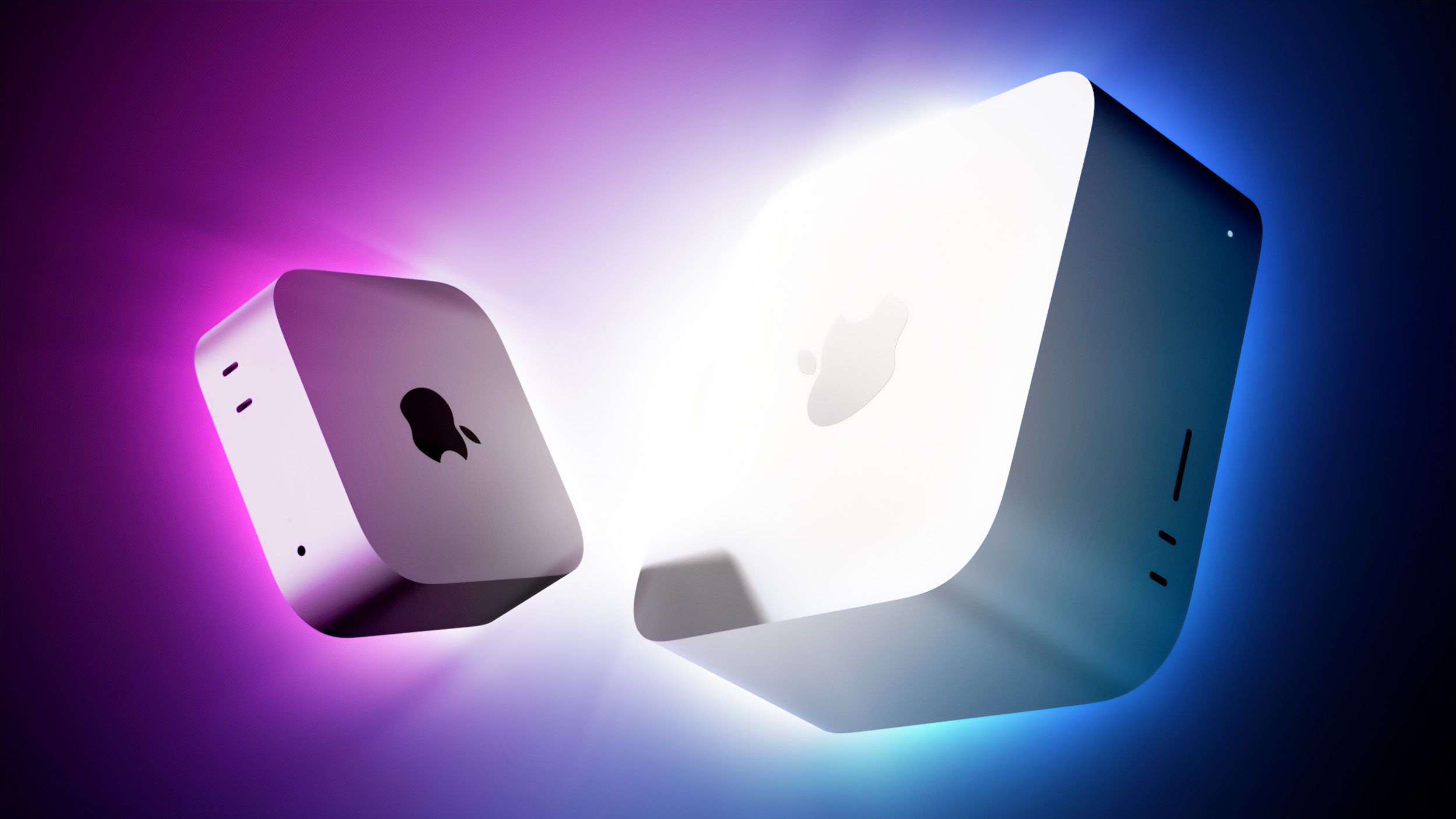
Apple’s unusually timed announcement of new Mac mini and Mac Studio models this week was driven by unexpectedly strong enterprise appetite for AI hardware, according to The Information. Apple normally releases new Mac models in the autumn, closer to October or November, making this week’s announcement unusually early, falling just before the anticipated arrival of new iPhone models. The Information says that the AI-driven boom in Mac Studio and Mac mini sales is behind the early launch.
Apple’s unusually timed announcement of new Mac mini and Mac Studio models this week was driven by unexpectedly strong enterprise appetite for AI hardware, according to The Information. Apple normally releases new Mac models in the autumn, closer to October or November, making this week’s announcement unusually early, falling just before the anticipated arrival of new iPhone models. The Information says that the AI-driven boom in Mac Studio and Mac mini sales is behind the early launch.

The Asahi Linux project is very close to finally releasing a version with support for M3 Apple Silicon. However, M4 and M5 support is still in development.
The Asahi Linux project is very close to finally releasing a version with support for M3 Apple Silicon. However, M4 and M5 support is still in development.