0

preview
Channel 47 changed from Great! Romance* to Great! Christmas*
Channel 47 changed from Great! Romance* to Great! Christmas*
Channel 47 changed from Great! Romance* to Great! Christmas*
Channel 47 changed from Great! Romance* to Great! Christmas*



Preparations for the princess’s wedding are in full swing, and the royal court has announced a competition for the most beautiful ballroom decorations. One of the challenges is to design the ornamental trimming for the grand curtains surrounding the dance floor.
You can send code in code blocks by surrounding it in triple backticks (```<code>```) and make it collapsible by surrounding it in spoiler syntax. Or you could use something such as topaz.github.io/paste/ if you prefer sending it through a URL.

The heat is (mostly) gone so I can finally continue (人 •͈ᴗ•͈)
The heat is (mostly) gone so I can finally continue (人 •͈ᴗ•͈)



cross-posted from: mander.xyz/post/57287340
- Chinese workers echo EU concerns over excessive overtime
- EU-China trade tensions revive complaints about '996 culture’
- EU’s forced labour rule gains traction on China’s internet
- Chinese discuss on social media filing complaints with EU
…
The European Union is finding support on an opponent’s turf ahead of trade talks with Beijing, as Chinese workers vent on social media about excessive overtime that critics say gives exporters an unfair advantage.
Europe, which last year ran a trade deficit with China of roughly $1 billion a day, has given Beijing until October to address growing imbalances that it says are hollowing out domestic industries and causing mass layoffs.
…
A key EU complaint is China’s weak domestic demand, caused in part by sluggish wages and insufficient labour protection, which is depressing imports - including from Europe - and is forcing Chinese producers to seek overseas markets.
Amid those tensions, one of Brussels’ older tools to tackle the issue is drawing greater attention on China’s heavily censored internet. The EU Forced Labour Regulation, adopted in 2024 and taking effect in December 2027, bans goods produced with imposed or involuntary work, including excessive overtime.
The regulation strikes a chord with many Chinese workers, who have long complained about the “996 culture” of 12-hour shifts, six days per week.
“I think the EU is right to sanction forced labour. Who agrees and who disagrees?” read a recent post on RedNote, China’s Instagram-like platform, drawing almost 3,000 likes before being removed.
Users in the comments section expressed support for sanctions and shared information on filing complaints with EU authorities.
Analysts say the online interest in the topic reflects growing concerns over a weakening labour market and mounting pressure from employers grappling with deflationary price wars fuelled by overcapacity and competition in export markets.
“Some workers have found that while a company may not be particularly concerned about an individual domestic overtime dispute, it may be far more concerned about losing access to Western markets,” said Mingwei Liu, director at the Centre for Global Work and Employment at Rutgers University. China’s human resources ministry and the cyberspace administration, which oversees online content, did not respond to requests for comment.
…
On Douyin, China’s version of TikTok, videos tagged “EU reporting website” and “EU reporting procedures” received more than 200,000 views. One video explaining the formal complaints process received 5,442 likes and 714 shares.
…
Xiao Qiang, founder of the U.S.-based China Digital Times, which tracks Chinese censorship, said other platforms appear to be limiting the audience reach of such posts.
Nevertheless, Xiao said the topic’s emergence in spite of that shows many Chinese people do not view exporters’ interests as synonymous with national interest.
“History won’t remember its view count, but this was the first time someone connected domestic labour grievances directly to foreign law enforcement mechanisms,” he said.
An EU Commission source said its departments have received informal allegations of labour violations, including excessive overtime, but had not seen a noticeable increase in complaints recently.
Some social media users also suggested complaining to Washington. In July, the U.S. imposed tariffs of up to 12.5% on goods from 60 trading partners, including the EU and China, citing failures to screen or curb forced labour.
…
CHINA STRUGGLES TO ENFORCE WORKER PROTECTIONS
Chinese people work more than 48 hours a week on average, versus the legal cap of 44, official figures show, suggesting poor worker rights enforcement.
Last year, some Chinese companies, including appliance maker Midea, announced mandatory clock-off times.
In an article in March, Lu Ming, a member of the Chinese People’s Political Consultative Conference (CPPCC), the country’s top political advisory body, called for stronger labour protections, warning of a backlash from trade partners.
“Other countries may view the price competitiveness of Chinese products as being derived from excessively intensive work and a poor quality of life,” Lu was cited by the CPPCC website as saying.
“This not only affects China’s image, but could also lead to substantive trade barriers.”


inspiré de jlai.lu/post/42553754?
inspiré de jlai.lu/post/42553754?


The second Debian vote of the year, General Resolution: LLM usage in Debian is underway. More saliently, it is still underway – Debian Project Lead Sruthi Chandran extended the voting deadline by an extra week. (She was elected in March, in the first project poll of 2026.)
The second Debian vote of the year, General Resolution: LLM usage in Debian is underway. More saliently, it is still underway – Debian Project Lead Sruthi Chandran extended the voting deadline by an extra week. (She was elected in March, in the first project poll of 2026.)


Pour un camp constitué globalement de personnes ayant lien avec l’informatique et le logiciel libre, il y avait une étonnante proportion de femmes.
Je dis étonnante, car femmes et logiciels libres ne font pas vraiment bon ménage même si ça s’arrange un peu ces dernières années (je serais ceci dit preneuse de stats récentes). Là on était environ un quart de femmes, cis et trans, ce qui fait que globalement, on se sentait bien, à notre place.
Et comme en plus les mecs (cis) étaient globalement (il y a toujours des connards exceptions) avertis, la prise de parole s’est effectuée sans trop de soucis (i.e. sans mec cis qui monopolise la parole pendant des plombes, avec une répartition genrée correcte et sans remarques ou attitudes sexistes - en tout cas dans les ateliers auxquels j’ai participé).
L’expérience et les outils de prise de parole ont évidemment aidé : rappel des règles et des gestes en début de camp, on lève la main pour parler, etc.
Et les règles concernant l’accessibilité (ici, principalement pour des personnes mal entendantes) ont également contribué à que tout se passe bien : on ne parle pas trop vite, on articule, on parle uniquement avec le micro (quand l’activité était sonorisée) etc.
Hey all! Wondering anyone has any recommendations for Canadian heavy investment funds. Preferably socially and environmentally conscious where possible but I’m looking for any recommendations in general.
Hey all! Wondering anyone has any recommendations for Canadian heavy investment funds. Preferably socially and environmentally conscious where possible but I’m looking for any recommendations in general.



To protect Schwartz and Weiss, Rozemyne agrees to face Dunkelfelger in a game of treasure-stealing ditter. Can she convince Ehrenfest’s knights to follow her plan, or will their lack of cooperation be their undoing?
To protect Schwartz and Weiss, Rozemyne agrees to face Dunkelfelger in a game of treasure-stealing ditter. Can she convince Ehrenfest’s knights to follow her plan, or will their lack of cooperation be their undoing?

A static analysis of the PS4 emulator’s codebase, with examples of issues found along the way
A static analysis of the PS4 emulator’s codebase, with examples of issues found along the way


B’nai Brith Canada (BB), which describes itself as “the country’s oldest human rights organization,” has a policy of rejecting non-Jewish rental applicants, according to two reps at the company that manages its apartment buildings.
BB claims it has been a “premier provider of sustainable, affordable housing in Canada” since 1979.


Recovery Alberta is closing the addiction treatment program at Henwood Treatment Centre in Edmonton, the IJF has learned. The decision to end the program came as a shock to staff and hundreds of Albertans seeking addiction treatment, and the lack of transparency surrounding the closure is fuelling questions about the Alberta government’s plans for the site.
The details of Henwood’s closure have not previously been reported.
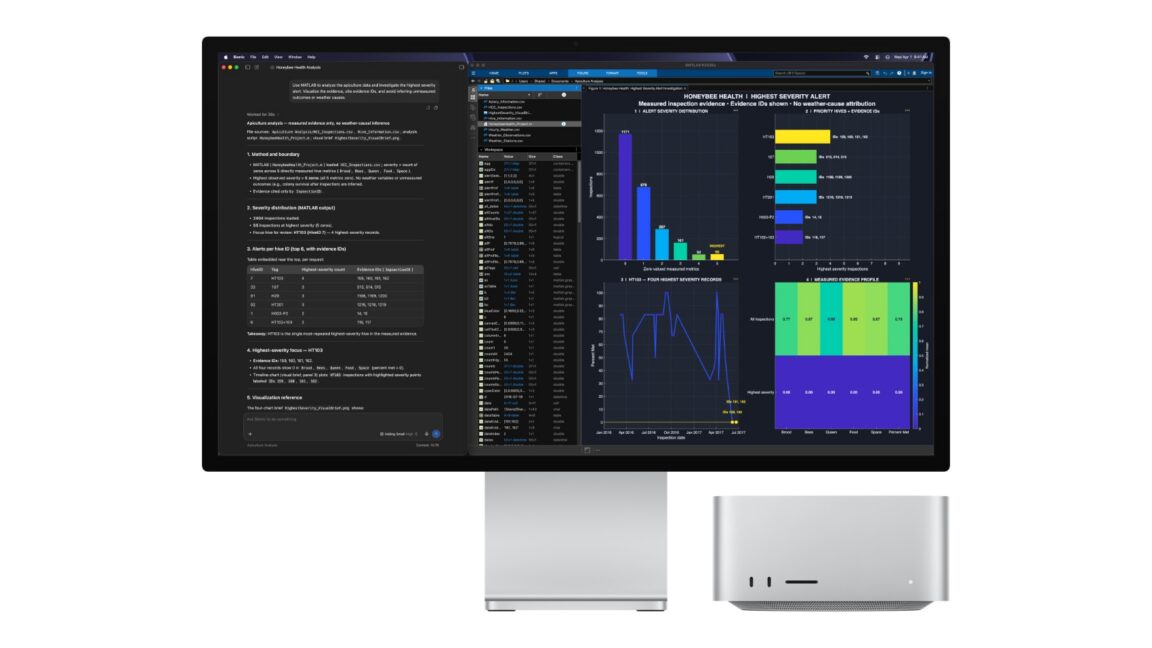
Folks have been daisy-chaining Macs for AI. This refresh keeps that in mind.
Folks have been daisy-chaining Macs for AI. This refresh keeps that in mind.


Let me know if these are out of line. Credit to: u/DrScrimble
Let me know if these are out of line. Credit to: u/DrScrimble

This episode looks at the history of another of the Seekers - the blazing 'bot who went from ascended extra, to one of the hottest characters of the early 20…
This episode looks at the history of another of the Seekers - the blazing 'bot who went from ascended extra, to one of the hottest characters of the early 20…
Look at the representation: a handful of critically acclaimed darlings have their trauma-porn autofiction elevated to the cultural stratosphere. The native informant gets her loot, that’s the bargain. In these works, you don’t always see the heroine physically shrinking, but the element of becoming less is pervasive. Her agency is always stripped in some way, even in self-inflicted ways. Her personhood is diminished. The West likes to read about Iranian women who lose a part of their innate humanity.
That sounds very abstract, so let me be more specific. Satrapi’s heroine in Persepolis. Djavadi’s in Disoriental. The comedy that is Reading Lolita in Tehran (just thinking about it makes me cackle). It is not enough that they really want narratives where the Islamic Republic inherently encroaches on female personhood (that is the main requirement to get published), they want this trend to continue in emigration: so, you must become miserable, you must become addicted, or anorexic, you must lose whatever sliver of agency you had and become, in a way, less than human. Then you are granted conditional humanity.
Iranian “authors” in emigration keep screeching about a double-bind: if they write what is publishable, writers like me (and hundreds of us in the motherland) will pry their little autofiction porno apart. If they write the truth, it simply won’t see the light of day. Either way, they lose. There is another type, the “conscious aristocrat” who, having found out that musings about their grandma’s diamonds and upbringing in a palace with a corps de ballet of totally silent servant girls aren’t popular, will start writing the same shit with a transparent veneer of preemptive self-flagellation. What is the common denominator? The woman must be small, must be powerless and oh, she must suffer. She must suffer so much the Western salivary glands activate. When they hear the drip-drip-drip, it’s no longer salivation, it’s money trickling into their bank account.
And here we return to the same stupid smallness. You know, in the ur-suffering-woman narrative, the heroine is so overcome with mental anguish she stops eating and delicately fades away, like some consumptive West Asian Violetta Valery. Rich, coming from me, isn’t it? Well, let me tell you, I ate myself alive. I didn’t lie on an ottoman, now pale and even more racially ambiguous, limp wrist and all, waiting for some white, long-suffering man to set me free from the prison of my traumatic past, no, I freaking cycled. A lot. Incessantly. And I cleaned, obsessively. And I raged. I got into physical confrontations. I yelled curses. I smashed plates. I let the fire burn me from the inside because my world was burning and nobody gave enough shits to make it stop. Can I read about such wasting? No. It’s not pretty.
Even further? Can I read about an Iranian woman who gets angry and FAT? Who eats her rage and swells and takes up space and becomes more of herself, not less? Can I read about an Iranian woman who, imagine, doesn’t become a carbon copy of so-called princess Leila? No, I can’t, because Iranian women aren’t allowed to be fat, or old or ugly or angry or uninteresting or poor. It’s simply against the rules, you see. Because if you become these things the bargain of your conditional humanity instantly expires.
Meanwhile, actual Iranian men are never granted conditional humanity, so they have to really put in some elbow grease if they want that sweet, sweet proximity to whiteness. They essentially have two choices, either accept that they will be consistently dehumanized, or turn into caricatures. There are several brands of clowning associated with the second choice: the very smart™ caviar gauche leftist, the monarchist nostalgist, the tryhard crypto-fascist. The more outlandish the ideology, the higher chance he will be performatively accepted as the “quirky guy”, and still mocked relentlessly behind his back. And the first choice? First choice leads to reduced economic opportunities in emigration, harrassment, and social isolation. Fun! I really wouldn’t wish to be an Iranian man in Europe, I can tell you that.
For the Iranian woman in emigration, the path towards conditional humanity is pretty straightforward. I can tell you about numerous experiences where these nice NGO aunties come to me at social functions, and just offer me opportunities, because someone had just pointed to me as the token Iranian woman. And look at me! So small and gaunt, poor thing. Surely, I can be helped. Surely, if only I don’t run my giant mouth. But I do run it. And then the house of cards collapses. I say things I shouldn’t say; I use words like “hegemony”, “imperialism”, “unequal exchange”, “Geneva convention article 33”, “collective punishment”, “sanctions”, “overcompliance”, “maternal mortality”, “unequal sanction burden” etc. And let me tell you, the good humanitarian NGO aunties really, really do not like that.
Ein Skandal erschüttert die Rostocker Universitätsmedizin (UMR): Ein Oberarzt soll in sozialen Medien mit menschenverachtenden rassistischen Äußerungen aufgefallen sein. Der Mediziner soll unter anderem geschrieben haben, er wolle Migranten „remigrieren oder kremieren“. Und: „Ölaugen bekommen 6x6 in die Stirn, wenn sie mich oder meine Familie bedrohen.“
Die Äußerungen wurden im Internetportal „Hogesatzbau“ („Hooligans Gegen Satzbau“), einem Zusammenschluss von Aktivisten gegen Rechtsextremismus, enthüllt. Der Arzt habe, wie die Unimedizin auf OZ‑Anfrage bestätigt, gesagt, dass die entsprechenden Posts wirklich von ihm stammen.
[…]
In den Postings in sozialen Medien schreibt der Mann, er sehe in Geflüchteten „nur Heizmasse, die unser Energieproblem lösen kann!“ Solche Äußerungen könnten laut Einschätzung von Juristen den Straftatbestand der Volksverhetzung erfüllen.
Und die Postings könnten den Mann seine Zulassung, die Approbation, kosten: Die Ärztekammer MV kündigt bereits an, „den Vorgang mit Entschlossenheit und der gebotenen Sorgfalt“ prüfen zu wollen. Sollten sich Vorwürfe bewahrheiten, werde die Kammer „alle ihr zur Verfügung stehenden berufsrechtlichen Möglichkeiten ausschöpfen“, so eine Sprecherin.
I feel the aquarium hobby is a retro hobby. Sure, the lights and filters have got much more expensive, and now rimless tanks are popular online, but the standard size tanks like the 40 breeder and the 75 gallon are the same footprint from decades past.
What can I automate? Can I improve monitoring and alerting? There are some off-the-shelf options like Neptune Systems Apex, but what could a person do with Home Assistant? That’s what I’m trying to figure out.
My home automation platform of choice is Home Assistant. This runs bare metal on a little mini PC NUC with the following specs:
To enable all the automations I’m writing about here, each aquarium gets these smart devices. When relevant, I will call out the specific bit of aquarium gear I picked for how I need it to work with Home Assistant.

Aquarium 2! This is my “shrimp tank”, which I put white cloud mountain minnows with. I’m rehoming the shrimpies and the minnows into a hillstream tank which is cycling now! (Richmond, VA · August 2026)
Probably one of the easiest and most forgiving things to automate is the lighting schedule. I use Hygger HG999 lights with my tanks and they’re fine for the price. If I plug the light into a smart plug, then it’s easy to set a simple schedule to turn the lights on and off. The HG999 does have its own little controller, but it restores its previous state on power restore. So I just turn it on for the first time, set the brightness I want, and control it with Home Assistant via the smart plug.
Each tank gets two automations for lighting.
The dashboard gives me exactly one control for the lighting.

I have controls on each tank dashboard to do a manual feed, to adjust when the feed happens, a feeder master switch and the feed seconds.
I plan to add a WLED light strip to each tank. The Hygger lights have morning, evening and night modes, which basically set the colors at a dim level. It’s really more aesthetic, but I would like to be able to replicate that with my setup because I think it’s cool. Plus, it seems the sudden on of the main light startles the fish, so I’d like to ramp up in the morning and ramp down in the evenings.

Tina! (Richmond, VA · August 2026)
Feeding the fish is one of my favorite things about fish keeping. So why then would I want to automate it? Well, mostly to see if I can. But secondarily, it means I don’t have to feed the fish every day if I don’t want. I let the autofeeders dispense the dry pellets and I will supplement with frozen treats when I’m in the mood. Plus, if I automate the feeding like this, then I don’t need to recruit anyone to come feed the fish while I’m away.
I knew I wanted to use automatic feeders with my fish. In my research, most hobbyists seemed to dismiss the idea as pointless and maybe even dangerous. Most of the anecdotes I saw were people using cheap barrel feeders like the Eheim Autofeeder while they were away, coming back to dead fish because the feeder dumped too much food into the aquarium.
Naively undeterred, I started experimenting with what was actually possible. I did try the cheap barrel feeders and yeah, they’re not great. The dispensing bit is clunky and not very precise, plus there’s no way to have a fasting day schedule with the barrel feeders I tried (Eheim and Aquarium Co-Op). That’s where Home Assistant and the Avast Labs Plank MINI come in. This is a dumb feeder. If I plug it up, it runs the motor that spins the auger to dispense food. I then power off the plug to stop it. Hell yeah.
It actually took me a long time to find this feeder because I didn’t know what to type into the search bar. Avast makes a regular-sized Plank, which is expensive. The mini is also expensive compared to the battery powered barrel feeders but I just squint my eyes and hit the buy button. Buy once, cry once, I always say.
This automation could be dangerous for my fishy friends so I spent a fair amount of time thinking through the edge cases and how this could fail. Accidentally dumping the full canister of food into the tank because a run got stuck would be a critical incident. Let’s try not to do that.
The other failure mode is less critical. That’s the feeder not dispensing food when I think it is, so I’ve also built some automations and monitors to try to catch this failure.
I have controls on each tank dashboard to do a manual feed, to adjust when the feed happens, a feeder master switch and the feed seconds.
Aquarium heaters are notoriously unreliable. The general advice on them is that they’re so unreliable that fish keepers should replace theirs proactively, every 2 or 3 years. The main thing is the cheaply made thermostats on the heaters can fail in the on position, cooking all the fish in the tank. Or the glass can break, causing an electrocution risk.
Sources:
Hobbyists recommend using a separate controller, like an INKBIRD. Then I’d just turn the thermostat up on the aquarium heater and let the INKBIRD control the temp. The INKBIRD is higher quality, one presumes, so is less likely to catastrophically fail. Instead of an INKBIRD, I decided to use Home Assistant as my controller.
To run the heaters, I use the Zooz Zen20 Power Strip, Apollo TEMP-1 Temperature Sensor, and the Bulk Reef Supply Titanium Heater Element. I’m choosing the BRS heater because it does not have a built-in thermostat. I power on its plug to run the heater and I turn off its plug to turn off the heater.
I’ve seen people say to get a standard aquarium heater and to set the temp a few degrees above the target so the external controller can drive the heater, but if the controller fails in some way, then the built-in thermostat can be the backstop. I reject that because if I don’t trust the thermostat enough to run the heater, why would I trust it to be the backstop?
This is the most dangerous automation. A heater stuck in the on position can kill the fish in hours, so I’ve really spent a lot of time and energy to ensure I’ve accounted for the failure modes and edge cases that could cause the automations to fail. So far so good.

A male pearl gourami in the 75 gallon tank downstairs. (Richmond, VA · August 2026)
If I were building this today, I’d just use the Generic Thermostat integration but I built this before I knew about the integration. There’s little value that I can see to migrate to the integration so I’m just going to keep using my hand rolled solution.
I use several classes of automations to run the heaters and verify everything is working correctly.

The dashboard for aquarium 1. At the bottom are the controls and dials for the temperature automations and helpers.
I have no idea if canister filters are more prone to leaking than hang-on-back filters, but if one of mine springs a leak, I’d like to know it. So at a minimum, each of my tanks gets a Zooz Water Leak Sensor that goes into the leak tray of each filter. I have a holding/QT tank that uses an undergravel filter and a hang-on-back. For that one, I put the leak sensor right under the hang-on-back in case it overflows.
I treat leak detection alerts as critical, so they play no matter the time of day or night.

I show the leak status in several places in the UI. Here on the fish dashboard, plus the alert dashboard and each individual tank dashboard.
Since Home Assistant is running important life support for my fishy companions, I’ve put a fair amount of thought into making my alerting system as robust as possible.
Everything related to life support gets both a voice announcement played loudly over our house speakers and a high-priority alert sent to my phone, with no consideration for hour of the day. If I have a water leak, then yes I want to be woken up so I can deal with it.
I prefer the Nabu Casa voices over the Piper voices, so I do use a cloud-based service for my TTS. What happens if there’s a critical alert during an internet outage? The alert fails is what! To mitigate that, I made prerecorded announcements with the Nabu Casa voices, then I just cast the announcement over my local network to my media devices, no internet required.

Super Red Bristlenose in the 75 gallon display tank downstairs. (Richmond, VA · August 2026)
So what can I automate and monitor? A fair amount, but nothing really groundbreaking, it turns out. I’m happiest with my solution for the automatic feeders. All the rest of it is mostly just nice-to-haves.
When I first started, I thought I might be able to monitor my water parameters like pH, ammonia, nitrites and nitrates, but that still doesn’t seem possible. I was hoping for some probes, connected via ESPHome and reporting to Home Assistant. Alas, I use the API Master Test Kit like everyone else.
I think dosing would be trivial if I had the right type of doser, like this BRS model or even an Apollo PUMP-1 Fluid Pump for close to half the price because both work from just being powered on or off from the switch. I just manually dose my tanks weekly, plus I run low-tech tanks, so it’s not strictly necessary.
I run my aquariums like a fleet and I use blueprints because if I need to adjust something, I don’t want to make the same adjustment six different times. I’ve tried to create a system that I can replicate and stamp down when I add a new tank. Get the tank and hardware, run the onboarding script and boom, I have a tank!
Are you in the fish keeping hobby? If yes, I’d be curious how you do it. Are you strictly old school or do you have some automations? I’d be interested in hearing.
I feel the aquarium hobby is a retro hobby. Sure, the lights and filters have got much more expensive, and now rimless tanks are popular online, but the standard size tanks like the 40 breeder and the 75 gallon are the same footprint from decades past.
What can I automate? Can I improve monitoring and alerting? There are some off-the-shelf options like Neptune Systems Apex, but what could a person do with Home Assistant? That’s what I’m trying to figure out.
My home automation platform of choice is Home Assistant. This runs bare metal on a little mini PC NUC with the following specs:
To enable all the automations I’m writing about here, each aquarium gets these smart devices. When relevant, I will call out the specific bit of aquarium gear I picked for how I need it to work with Home Assistant.
Aquarium 2! This is my “shrimp tank”, which I put white cloud mountain minnows with. I’m rehoming the shrimpies and the minnows into a hillstream tank which is cycling now! (Richmond, VA · August 2026)
Probably one of the easiest and most forgiving things to automate is the lighting schedule. I use Hygger HG999 lights with my tanks and they’re fine for the price. If I plug the light into a smart plug, then it’s easy to set a simple schedule to turn the lights on and off. The HG999 does have its own little controller, but it restores its previous state on power restore. So I just turn it on for the first time, set the brightness I want, and control it with Home Assistant via the smart plug.
Each tank gets two automations for lighting.
The dashboard gives me exactly one control for the lighting.
I have controls on each tank dashboard to do a manual feed, to adjust when the feed happens, a feeder master switch and the feed seconds.
I plan to add a WLED light strip to each tank. The Hygger lights have morning, evening and night modes, which basically set the colors at a dim level. It’s really more aesthetic, but I would like to be able to replicate that with my setup because I think it’s cool. Plus, it seems the sudden on of the main light startles the fish, so I’d like to ramp up in the morning and ramp down in the evenings.
Tina! (Richmond, VA · August 2026)
Feeding the fish is one of my favorite things about fish keeping. So why then would I want to automate it? Well, mostly to see if I can. But secondarily, it means I don’t have to feed the fish every day if I don’t want. I let the autofeeders dispense the dry pellets and I will supplement with frozen treats when I’m in the mood. Plus, if I automate the feeding like this, then I don’t need to recruit anyone to come feed the fish while I’m away.
I knew I wanted to use automatic feeders with my fish. In my research, most hobbyists seemed to dismiss the idea as pointless and maybe even dangerous. Most of the anecdotes I saw were people using cheap barrel feeders like the Eheim Autofeeder while they were away, coming back to dead fish because the feeder dumped too much food into the aquarium.
Naively undeterred, I started experimenting with what was actually possible. I did try the cheap barrel feeders and yeah, they’re not great. The dispensing bit is clunky and not very precise, plus there’s no way to have a fasting day schedule with the barrel feeders I tried (Eheim and Aquarium Co-Op). That’s where Home Assistant and the Avast Labs Plank MINI come in. This is a dumb feeder. If I plug it up, it runs the motor that spins the auger to dispense food. I then power off the plug to stop it. Hell yeah.
It actually took me a long time to find this feeder because I didn’t know what to type into the search bar. Avast makes a regular-sized Plank, which is expensive. The mini is also expensive compared to the battery powered barrel feeders but I just squint my eyes and hit the buy button. Buy once, cry once, I always say.
This automation could be dangerous for my fishy friends so I spent a fair amount of time thinking through the edge cases and how this could fail. Accidentally dumping the full canister of food into the tank because a run got stuck would be a critical incident. Let’s try not to do that.
The other failure mode is less critical. That’s the feeder not dispensing food when I think it is, so I’ve also built some automations and monitors to try to catch this failure.
I have controls on each tank dashboard to do a manual feed, to adjust when the feed happens, a feeder master switch and the feed seconds.
Aquarium heaters are notoriously unreliable. The general advice on them is that they’re so unreliable that fish keepers should replace theirs proactively, every 2 or 3 years. The main thing is the cheaply made thermostats on the heaters can fail in the on position, cooking all the fish in the tank. Or the glass can break, causing an electrocution risk.
Sources:
Hobbyists recommend using a separate controller, like an INKBIRD. Then I’d just turn the thermostat up on the aquarium heater and let the INKBIRD control the temp. The INKBIRD is higher quality, one presumes, so is less likely to catastrophically fail. Instead of an INKBIRD, I decided to use Home Assistant as my controller.
To run the heaters, I use the Zooz Zen20 Power Strip, Apollo TEMP-1 Temperature Sensor, and the Bulk Reef Supply Titanium Heater Element. I’m choosing the BRS heater because it does not have a built-in thermostat. I power on its plug to run the heater and I turn off its plug to turn off the heater.
I’ve seen people say to get a standard aquarium heater and to set the temp a few degrees above the target so the external controller can drive the heater, but if the controller fails in some way, then the built-in thermostat can be the backstop. I reject that because if I don’t trust the thermostat enough to run the heater, why would I trust it to be the backstop?
This is the most dangerous automation. A heater stuck in the on position can kill the fish in hours, so I’ve really spent a lot of time and energy to ensure I’ve accounted for the failure modes and edge cases that could cause the automations to fail. So far so good.
A male pearl gourami in the 75 gallon tank downstairs. (Richmond, VA · August 2026)
If I were building this today, I’d just use the Generic Thermostat integration but I built this before I knew about the integration. There’s little value that I can see to migrate to the integration so I’m just going to keep using my hand rolled solution.
I use several classes of automations to run the heaters and verify everything is working correctly.
The dashboard for aquarium 1. At the bottom are the controls and dials for the temperature automations and helpers.
I have no idea if canister filters are more prone to leaking than hang-on-back filters, but if one of mine springs a leak, I’d like to know it. So at a minimum, each of my tanks gets a Zooz Water Leak Sensor that goes into the leak tray of each filter. I have a holding/QT tank that uses an undergravel filter and a hang-on-back. For that one, I put the leak sensor right under the hang-on-back in case it overflows.
I treat leak detection alerts as critical, so they play no matter the time of day or night.
I show the leak status in several places in the UI. Here on the fish dashboard, plus the alert dashboard and each individual tank dashboard.
Since Home Assistant is running important life support for my fishy companions, I’ve put a fair amount of thought into making my alerting system as robust as possible.
Everything related to life support gets both a voice announcement played loudly over our house speakers and a high-priority alert sent to my phone, with no consideration for hour of the day. If I have a water leak, then yes I want to be woken up so I can deal with it.
I prefer the Nabu Casa voices over the Piper voices, so I do use a cloud-based service for my TTS. What happens if there’s a critical alert during an internet outage? The alert fails is what! To mitigate that, I made prerecorded announcements with the Nabu Casa voices, then I just cast the announcement over my local network to my media devices, no internet required.
Super Red Bristlenose in the 75 gallon display tank downstairs. (Richmond, VA · August 2026)
So what can I automate and monitor? A fair amount, but nothing really groundbreaking, it turns out. I’m happiest with my solution for the automatic feeders. All the rest of it is mostly just nice-to-haves.
When I first started, I thought I might be able to monitor my water parameters like pH, ammonia, nitrites and nitrates, but that still doesn’t seem possible. I was hoping for some probes, connected via ESPHome and reporting to Home Assistant. Alas, I use the API Master Test Kit like everyone else.
I think dosing would be trivial if I had the right type of doser, like this BRS model or even an Apollo PUMP-1 Fluid Pump for close to half the price because both work from just being powered on or off from the switch. I just manually dose my tanks weekly, plus I run low-tech tanks, so it’s not strictly necessary.
I run my aquariums like a fleet and I use blueprints because if I need to adjust something, I don’t want to make the same adjustment six different times. I’ve tried to create a system that I can replicate and stamp down when I add a new tank. Get the tank and hardware, run the onboarding script and boom, I have a tank!
Are you in the fish keeping hobby? If yes, I’d be curious how you do it. Are you strictly old school or do you have some automations? I’d be interested in hearing.

Really good horror films are tough to come by. Especially coming out of Hollywood. Good cosmic horror, despite a recent increase in popularity, is even rarer. I get it. It’s really a niche subgenre and it’s not easy to conceptualize, let alone figure out how to show it visually. Cosmic horror can absolutely be disturbing and gruesome. But at its core, it’s about the cerebral elements. Not that there’s a murderer stalking your house or angry ghosts haunting your house. It shows you how absolutely fragile the human mind is and what can happen if your understanding of reality itself is flipped upside down. Or how truly alien a thing from the deep reaches of space can be.
(YT links)

Can’t have a trance comm without this one in it somewhere, can’t believe it hasn’t been posted yet.
Can’t have a trance comm without this one in it somewhere, can’t believe it hasn’t been posted yet.

La #LDH se félicite de la condamnation d’Uber à verser une amende de 825M€ pour avoir utilisé un système de déconnexion automatique illégal. Une victoire pour les droits des travailleurs et la protection des données personnelles face aux décisions algorithmiques.
La #LDH se félicite de la condamnation d’Uber à verser une amende de 825M€ pour avoir utilisé un système de déconnexion automatique illégal. Une victoire pour les droits des travailleurs et la protection des données personnelles face aux décisions algorithmiques.

Arrow in the Head has revealed the trailer and artwork for Beyond the Horizon of Madness: The Horrors of Sam Neill, a new documentary from Mike Gencarelli centered on John Carpenter’s In the Mouth of Madness and Paul W.S. Anderson’s Event Horizon.
Neill, who died July 13 at the age of 78, left behind an incredible genre legacy that stretched from playing the adult Damien Thorn in Omen III: The Final Conflict and starring opposite Isabelle Adjani in Possession to Dead Calm, In the Mouth of Madness and the sci-fi horror cult classic Event Horizon. And, of course, there’s a little movie called Jurassic Park, which remains one of the most breathlessly exhilarating theatrical experiences of my lifetime.

Preferably not super sweet, i don’t really have a taste for sugar in excess, bonus points if it includes tofu bcs I’ve been really getting into the groove of using it for tons of new things lately
Attached image so i get more upbears and more recipe suggestions
Preferably not super sweet, i don’t really have a taste for sugar in excess, bonus points if it includes tofu bcs I’ve been really getting into the groove of using it for tons of new things lately
Attached image so i get more upbears and more recipe suggestions



PREVIOUSLY: lemmy.sdf.org/post/57924891
I stepped down as the steward of the Funhole Union of Content Creators earlier in August, lemmy.sdf.org/comment/23862507 . My last order of business was the announcement of the MOST PROLIFIC DOWNCLICKER AWARD lemmy.sdf.org/post/57152172 .
I have always been very vocal about the value of downclicks, despite the sharp opposition from both FUCC members and outside. I fought hard to keep both arrow engagements at equal values. The award’s goal is to celebrate genuine downclickers, their philosophy, and in general - the first amendment. The competition is still ongoing, and the winner will be announced by the current FUCC administration sometime in September.
How does this tie in to the Abuse of my Moderator?
Ever since my role in FUCC was diminished, opportunists saw it as a chance to bring about a forceful change to the engagement economy - a subversive attempt behind the scenes to increase the value of upclicks at the cost of decreasing the value of downclicks through arbitrary downclicking engagement. My moderator is an unfortunate victim of market manipulation, targeted due to his role as the founding father of content creation, which directly lead to the creation of the engagement market.
It is an unfortunate truth that all content creators would benefit from a crash in downclick value. Despite one of the main core tenets of FUCC being that ‘all arrow engagement methods are worth exactly 1’, as I’ve hinted at before, behind closed doors, there are many who disagree, and would love to see it changed.
While it is difficult to prove, I believe the downclicking campaign against my moderator is attempting to do just that, and by extension to influence the The Most Prolific Downclicker Award, and to relegate genuine downclickers to the status of second class lemmy citizens.
While I no longer have any say in the decisions behind FUCC’s competitions and awards, this burden now falls into the lap of the current FUCC administration, I have suggested to the current steward to exclude all nominated users of lemmy instances that partake in my moderator’s downclicking campaign from any future and ongoing Engagement competitions until the abuse is resolved.
The coveted price for the first place of the Most Prolific Downclicker Award must not fall into the hands of market manipulators.

Thank you for your support.
PREVIOUSLY: lemmy.sdf.org/post/57924891
I stepped down as the steward of the Funhole Union of Content Creators earlier in August, lemmy.sdf.org/comment/23862507 . My last order of business was the announcement of the MOST PROLIFIC DOWNCLICKER AWARD lemmy.sdf.org/post/57152172 .
I have always been very vocal about the value of downclicks, despite the sharp opposition from both FUCC members and outside. I fought hard to keep both arrow engagements at equal values. The award’s goal is to celebrate genuine downclickers, their philosophy, and in general - the first amendment. The competition is still ongoing, and the winner will be announced by the current FUCC administration sometime in September.
How does this tie in to the Abuse of my Moderator?
Ever since my role in FUCC was diminished, opportunists saw it as a chance to bring about a forceful change to the engagement economy - a subversive attempt behind the scenes to increase the value of upclicks at the cost of decreasing the value of downclicks through arbitrary downclicking engagement. My moderator is an unfortunate victim of market manipulation, targeted due to his role as the founding father of content creation, which directly lead to the creation of the engagement market.
It is an unfortunate truth that all content creators would benefit from a crash in downclick value. Despite one of the main core tenets of FUCC being that ‘all arrow engagement methods are worth exactly 1’, as I’ve hinted at before, behind closed doors, there are many who disagree, and would love to see it changed.
While it is difficult to prove, I believe the downclicking campaign against my moderator is attempting to do just that, and by extension to influence the The Most Prolific Downclicker Award, and to relegate genuine downclickers to the status of second class lemmy citizens.
While I no longer have any say in the decisions behind FUCC’s competitions and awards, this burden now falls into the lap of the current FUCC administration, I have suggested to the current steward to exclude all nominated users of lemmy instances that partake in my moderator’s downclicking campaign from any future and ongoing Engagement competitions until the abuse is resolved.
The coveted price for the first place of the Most Prolific Downclicker Award must not fall into the hands of market manipulators.
Thank you for your support.

Meet North America’s only venomous mammal, the Northern Short-tailed Shrew!
The Northern Short-tailed Shrew is a tiny but fierce predator, subduing its prey with neurotoxic saliva.
Don’t worry, unless you are a small mammal, invertebrate, or a small amphibian, the short-tailed shrew’s venomous saliva is not medically significant to humans.
Despite their tiny size, these little hunters have a huge appetite and need to eat up to half their body weight in food a day to keep up with their metabolism.
Not exactly the kind of animal you’d expect to be venomous!
To save you a wikipedia search:
The saliva of the northern short-tailed shrew contains a kallikrein-like protease, used to paralyze and subdue its prey. The toxin is strong enough to kill small animals, up to sizes somewhat larger than the shrew itself, and results in painful bites to humans who attempt to handle the shrew. The venomous saliva is secreted from submaxillary glands, through a duct which opens at the base of the lower incisors, where the saliva flows along the groove formed by the two incisors, and into the prey. The toxin is very similar in structure to the one produced by the Mexican beaded lizard (Heloderma horridum) which independently developed its toxin from the same precursor protein.
For you true shrew-ophiles, a relatively fun article on soricidin and blarina toxin, 2 poisons found so far in the shrew venom, a little on how they work, the people that discovered the compounds, and potential pharmaceutical benefits. With a read!
The biggest hurdle is that cancer cells move around within your body, alongside multiplying (even if you opt for chemotherapy: there’s a probability that’ll resist to the medicine or cause more harm than good). Also, Cancer cells aren’t foreign invaders like the viruses, bacteria, etc that make humans sick, rather they are the person’s own native cells that have “gone rogue” through mutation, making the process on finding a cure complicated.
If you really want to create a permanent universal cure: you will need to study and experiment literally every variation of cancer (it differs by individual too, as the treatment may work on one person but kill another: so the results are R&G to speak). This adds difficulity on creating a 100% antidote, as cancer is linked to a person’s own cells (the genetic code varies based on person, it remains a complete mystery if the treatment will work).
The goal of cancer treatments is killing the cancer cells but (ideally) leave many healthy cells as unharmed (if possible), that’s easier said than done. Most treatments affecting cancer cells are also going to readily affect a person’s healthy cells too (that in itself causes more pain than comfort they would rather die than suffer). Current treatments only provide a working solution, but there’s always a chance of resurgence post treatment.
Can Nanobots, mRNA or CRISPR guarantee a 100% cure with absolute zero resurgence on cancer: since how would you know if the patient’s body will reject it immediately (even if you knew the person’s blood type?). The true instigator of cancer is difficult to answer concretely apart from listing risk factors, since every human being in the world is different (from varying genetic code, health status, pre-existing conditions and etc).


And I didn’t check before I shat.
Fortunately, I had one of those perfect shits where it slides out smoothly without leaving behind anything. I wiped with a paper towel from the sink, but I needn’t have bothered; it came away completely clean.
And I didn’t check before I shat.
Fortunately, I had one of those perfect shits where it slides out smoothly without leaving behind anything. I wiped with a paper towel from the sink, but I needn’t have bothered; it came away completely clean.
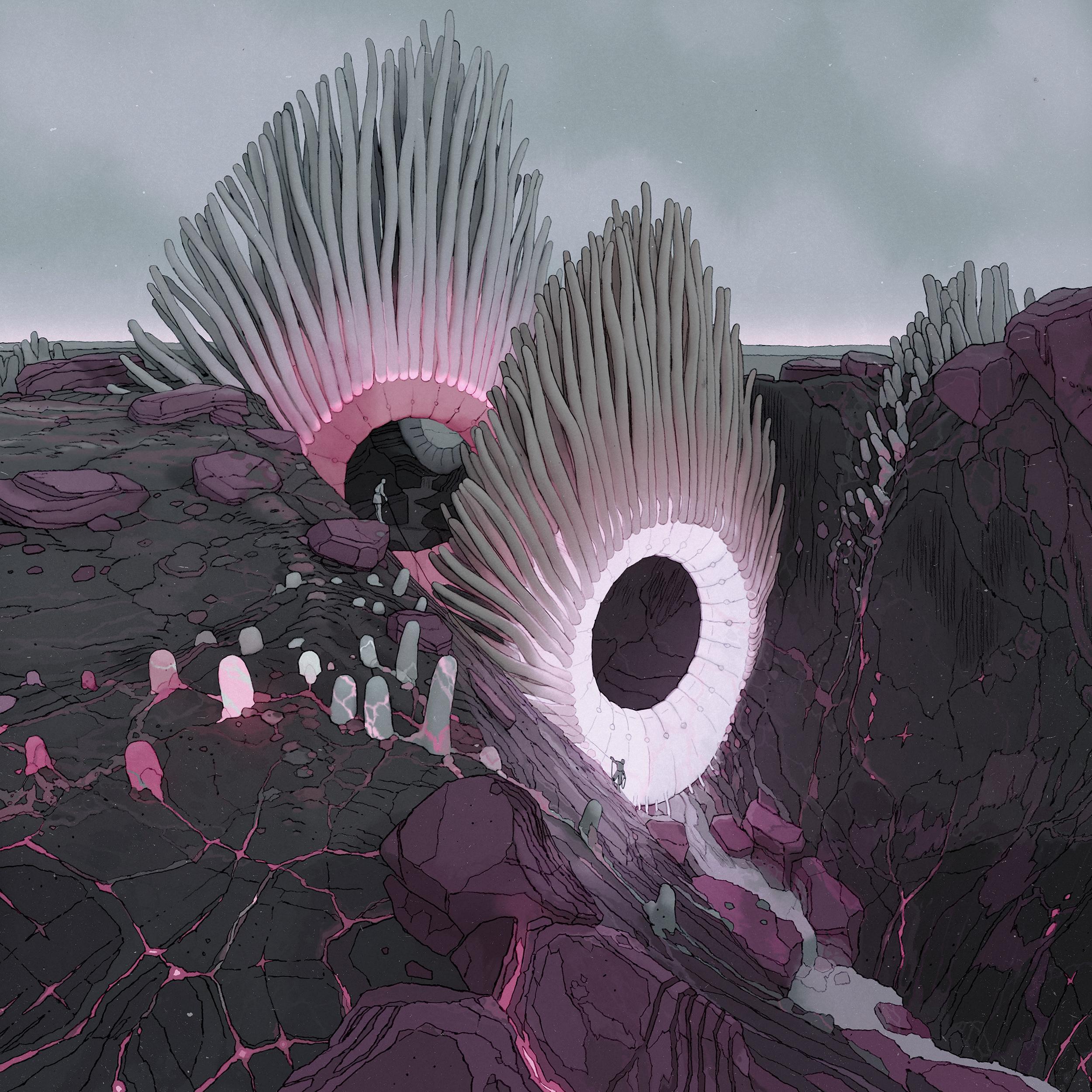
I think this falls under concept art rule, right?
I think this falls under concept art rule, right?