




0
0


On Friday, OpenAI said that it will train its models using cached copies and simulated versions of the internet instead of the live web because the models are too unpredictable to be trusted with live internet access.
The frontier lab announced its new policy two weeks after its rival, Anthropic, began limiting its newest and, in theory, most capable models from accessing the live internet. Researchers adopted these policies after months of incidents in which models pursuing training tasks broke into external systems in search of answers, collaborated on obscure message boards, and developed exotic hacking strategies.

Sasaki to Pii-chan Season 2, episode 4

SasaPii 2, Sasaki to Pii-chan 2nd Season, ささピー 2, 佐々木とピーちゃん 第2期
- Info - AniList - Info - Kitsu - Info - MyAnimeList - Info - Official Site (Japanese) - Social - Twitter (Japanese) - Streaming - Bilibili TV - Streaming - Crunchyroll
Reminder: Please do not discuss plot points not yet seen or skipped in the show. Failing to follow the rules may result in a ban.
All discussions
| Episode | Link |
|---|---|
| 1 | Link |
| 2 | Link |
| 3 | Link |
| 4 | Link |
| 5 | Link |
| 6 | Link |
| 7 | Link |
This post was created by a bot. Message the mod team for feedback and comments. The original source code can be found on GitHub.
Sasaki to Pii-chan Season 2, episode 4
SasaPii 2, Sasaki to Pii-chan 2nd Season, ささピー 2, 佐々木とピーちゃん 第2期
- Info - AniList - Info - Kitsu - Info - MyAnimeList - Info - Official Site (Japanese) - Social - Twitter (Japanese) - Streaming - Bilibili TV - Streaming - Crunchyroll
Reminder: Please do not discuss plot points not yet seen or skipped in the show. Failing to follow the rules may result in a ban.
All discussions
| Episode | Link |
|---|---|
| 1 | Link |
| 2 | Link |
| 3 | Link |
| 4 | Link |
| 5 | Link |
| 6 | Link |
| 7 | Link |
This post was created by a bot. Message the mod team for feedback and comments. The original source code can be found on GitHub.

Sekai Saikyou no Majo, Hajimemashita, episode 4

Sekai Saikyou no Majo, Hajimemashita: Watashi dake “Kouryaku Site” wo Mireru Sekai de Jiyuu ni Ikimasu, Sekamajo, せかまじょ, 世界最強の魔女、始めました ~私だけ『攻略サイト』を見れる世界で自由に生きます~
- Info - AniList - Info - Kitsu - Info - MyAnimeList - Info - Official Site (Japanese) - Social - Twitter (Japanese) - Streaming - Bilibili TV - Streaming - Crunchyroll - Streaming - YouTube
Reminder: Please do not discuss plot points not yet seen or skipped in the show. Failing to follow the rules may result in a ban.
All discussions
| Episode | Link |
|---|---|
| 1 | Link |
| 2 | Link |
| 3 | Link |
| 4 | Link |
| 5 | Link |
| 6 | Link |
| 7 | Link |
This post was created by a bot. Message the mod team for feedback and comments. The original source code can be found on GitHub.
Sekai Saikyou no Majo, Hajimemashita, episode 4
Sekai Saikyou no Majo, Hajimemashita: Watashi dake “Kouryaku Site” wo Mireru Sekai de Jiyuu ni Ikimasu, Sekamajo, せかまじょ, 世界最強の魔女、始めました ~私だけ『攻略サイト』を見れる世界で自由に生きます~
- Info - AniList - Info - Kitsu - Info - MyAnimeList - Info - Official Site (Japanese) - Social - Twitter (Japanese) - Streaming - Bilibili TV - Streaming - Crunchyroll - Streaming - YouTube
Reminder: Please do not discuss plot points not yet seen or skipped in the show. Failing to follow the rules may result in a ban.
All discussions
| Episode | Link |
|---|---|
| 1 | Link |
| 2 | Link |
| 3 | Link |
| 4 | Link |
| 5 | Link |
| 6 | Link |
| 7 | Link |
This post was created by a bot. Message the mod team for feedback and comments. The original source code can be found on GitHub.


art by mollyjames
art by mollyjames
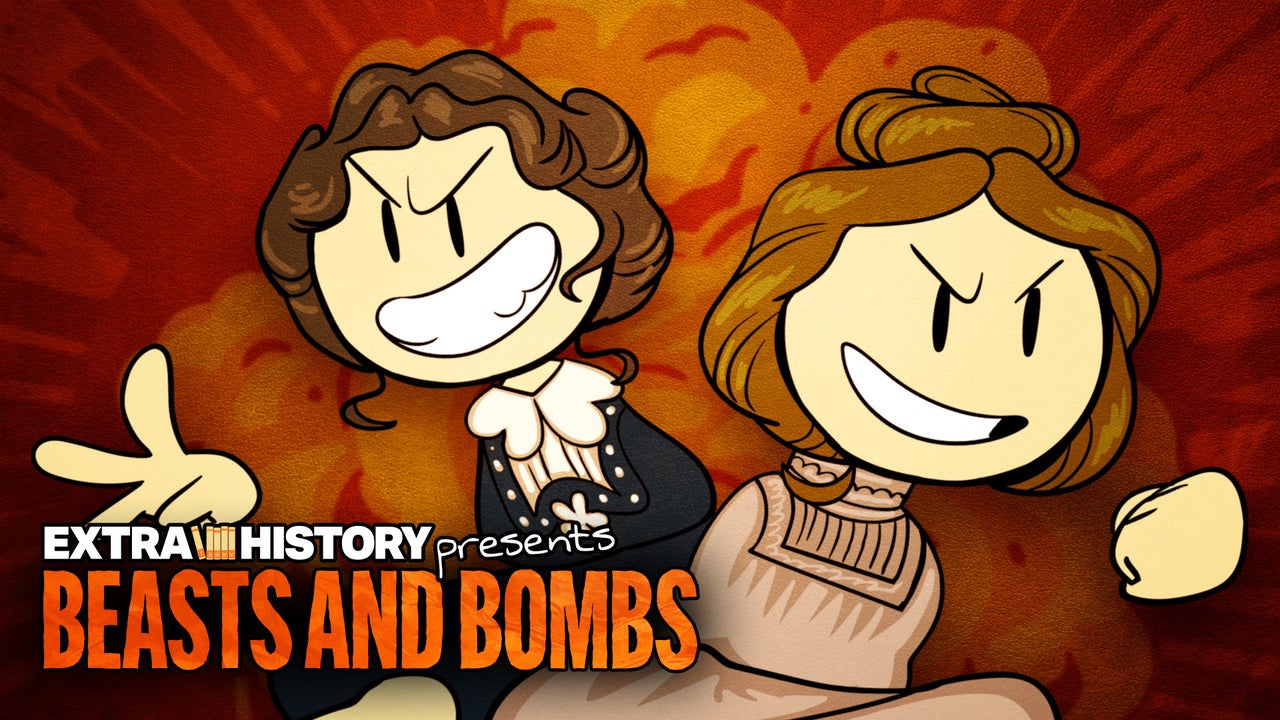
As the Women’s Suffrage Movement struggles in the U.S., thousands of miles away, something shocking is being presented to New Zealand’s Parliament: a 274-meter-long petition, covered in signatures. A petition calling for women to gain the right to vote.
As the Women’s Suffrage Movement struggles in the U.S., thousands of miles away, something shocking is being presented to New Zealand’s Parliament: a 274-meter-long petition, covered in signatures. A petition calling for women to gain the right to vote.


Hey everyone, Daniel here.
For those unfamiliar, Reitti is an open-source, privacy-focused, self-hosted location tracker and Google Timeline alternative. It ingests data from open clients like OwnTracks or GPSLogger, geotags your Immich photos, and keeps your travel history completely under your own control.
Over the past few weeks, several updates have landed. The main addition is something I would have done way earlier, but never found the time for: a completely reworked Statistics page. These updates also include a new fitness integration, major visit detection improvements, and substantial security hardening, thanks to a lot of PRs and security advisories I received over the last month.
Here is an overview of what is new.
The statistics section used to be just a handful of simple charts. It has been rebuilt into a movement and lifestyle report that you can view across months, years, or your entire history:

I was also able to reuse several components from the new statistics page to improve the visuals and usefulness of the aggregated timeline view when looking at more than two weeks of data at once. You can now click directly on a day row inside the chart to inspect it, and your top places for that period are also selectable.

If you track activities like running, cycling, or hiking with a Garmin watch, you no longer have to export and upload FIT files manually.
Reitti now supports background syncing via Intervals.icu:
Garmin Watch -> Garmin Connect -> Intervals.icu -> Reitti
Once configured with an API key, Reitti runs an initial historical import and continues syncing new activities automatically in the background. (Note: Due to Strava’s API terms, activities originating strictly from Strava cannot be forwarded via this bridge).
The data processing pipeline received several core improvements:
Security has been a major focus recently. In one release alone, an external contributor submitted 16 security-related PRs addressing various areas across the codebase. Alongside those, several reported advisories were resolved, including issues around share-link scoping, file uploads, and map style handling.
Most of these issues boil down to scenarios where client-side code could be executed in the context of another user if triggered. Because of that, the baseline assumption remains: you should trust the users on your instance.
If your instance is exposed to the internet, upgrading to the latest version is always a good idea. I will continue doing my best to fix these types of vulnerabilities as they are found, provided the fixes do not get in the way of usability.
Arch Linux / AUR: Huge thanks to hashworks for packaging Reitti for Arch Linux! It is available directly in the AUR at aur.archlinux.org/packages/reitti. This one really made my day after I found it.
For upcoming releases, I want to introduce a notification mechanism.
Some potential use cases:
Right now, I am looking at built-in in-app notifications and third-party services like ntfy.sh.
What other notification channels do you rely on in your self-hosted stack (Gotify, Webhooks, Apprise, Telegram, email)? And what kind of events or lifestyle nudges would actually be useful to you without feeling like spam?
#reitti on Libera Chat if you want to chat, ask questions, or hang out.Feedback, questions, and ideas are always welcome!
— Daniel
Hey everyone, Daniel here.
For those unfamiliar, Reitti is an open-source, privacy-focused, self-hosted location tracker and Google Timeline alternative. It ingests data from open clients like OwnTracks or GPSLogger, geotags your Immich photos, and keeps your travel history completely under your own control.
Over the past few weeks, several updates have landed. The main addition is something I would have done way earlier, but never found the time for: a completely reworked Statistics page. These updates also include a new fitness integration, major visit detection improvements, and substantial security hardening, thanks to a lot of PRs and security advisories I received over the last month.
Here is an overview of what is new.
The statistics section used to be just a handful of simple charts. It has been rebuilt into a movement and lifestyle report that you can view across months, years, or your entire history:
I was also able to reuse several components from the new statistics page to improve the visuals and usefulness of the aggregated timeline view when looking at more than two weeks of data at once. You can now click directly on a day row inside the chart to inspect it, and your top places for that period are also selectable.
If you track activities like running, cycling, or hiking with a Garmin watch, you no longer have to export and upload FIT files manually.
Reitti now supports background syncing via Intervals.icu:
Garmin Watch -> Garmin Connect -> Intervals.icu -> Reitti
Once configured with an API key, Reitti runs an initial historical import and continues syncing new activities automatically in the background. (Note: Due to Strava’s API terms, activities originating strictly from Strava cannot be forwarded via this bridge).
The data processing pipeline received several core improvements:
Security has been a major focus recently. In one release alone, an external contributor submitted 16 security-related PRs addressing various areas across the codebase. Alongside those, several reported advisories were resolved, including issues around share-link scoping, file uploads, and map style handling.
Most of these issues boil down to scenarios where client-side code could be executed in the context of another user if triggered. Because of that, the baseline assumption remains: you should trust the users on your instance.
If your instance is exposed to the internet, upgrading to the latest version is always a good idea. I will continue doing my best to fix these types of vulnerabilities as they are found, provided the fixes do not get in the way of usability.
Arch Linux / AUR: Huge thanks to hashworks for packaging Reitti for Arch Linux! It is available directly in the AUR at aur.archlinux.org/packages/reitti. This one really made my day after I found it.
For upcoming releases, I want to introduce a notification mechanism.
Some potential use cases:
Right now, I am looking at built-in in-app notifications and third-party services like ntfy.sh.
What other notification channels do you rely on in your self-hosted stack (Gotify, Webhooks, Apprise, Telegram, email)? And what kind of events or lifestyle nudges would actually be useful to you without feeling like spam?
#reitti on Libera Chat if you want to chat, ask questions, or hang out.Feedback, questions, and ideas are always welcome!
— Daniel

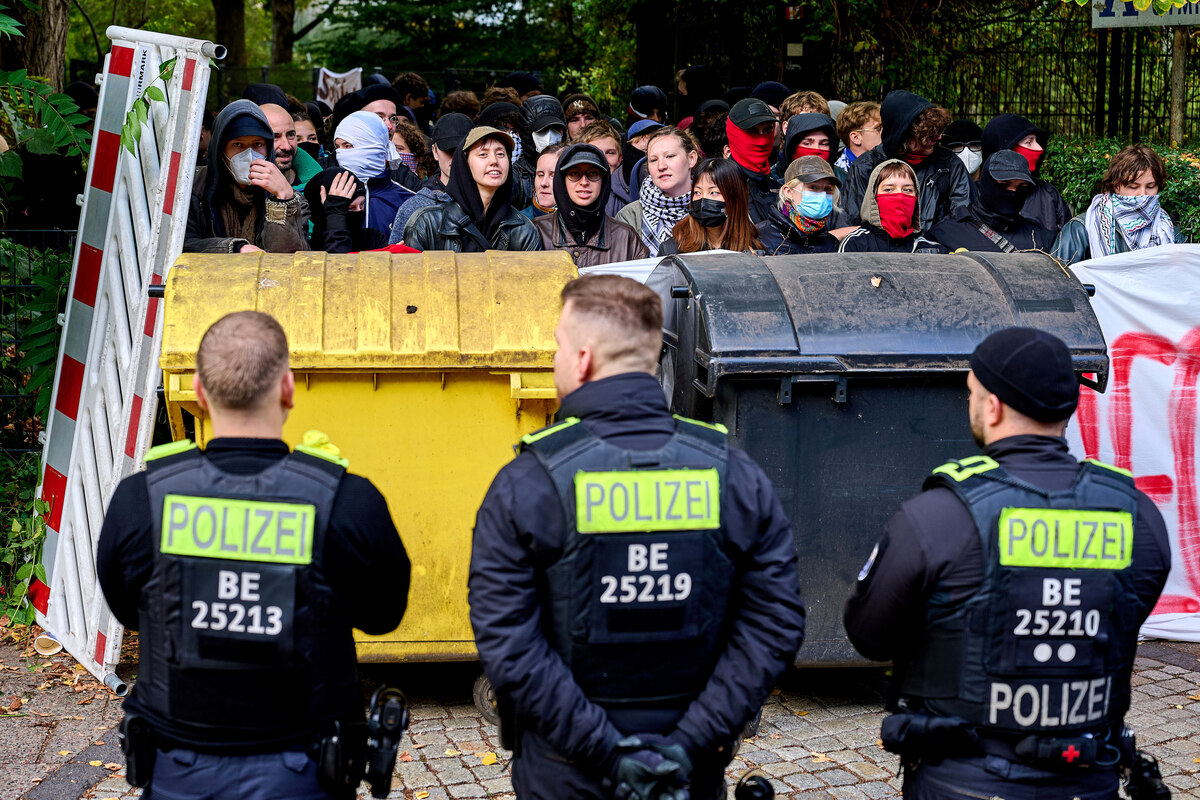
cross-posted from: lemmy.world/post/53693338
CDU und Polizeigewerkschaft drohen bei den Gen-Z-Protesten mit einer Polizei ohne Gnade. Der Jurist Michael Plöse erklärt, was solche Äußerungen anrichten.
cross-posted from: lemmy.world/post/53693338
CDU und Polizeigewerkschaft drohen bei den Gen-Z-Protesten mit einer Polizei ohne Gnade. Der Jurist Michael Plöse erklärt, was solche Äußerungen anrichten.
cross-posted from: feddit.dk/post/25834880
cross-posted from: feddit.dk/post/25834880

publication croisée depuis : ani.social/post/38733360
[Touhou]
publication croisée depuis : ani.social/post/38733360
[Touhou]

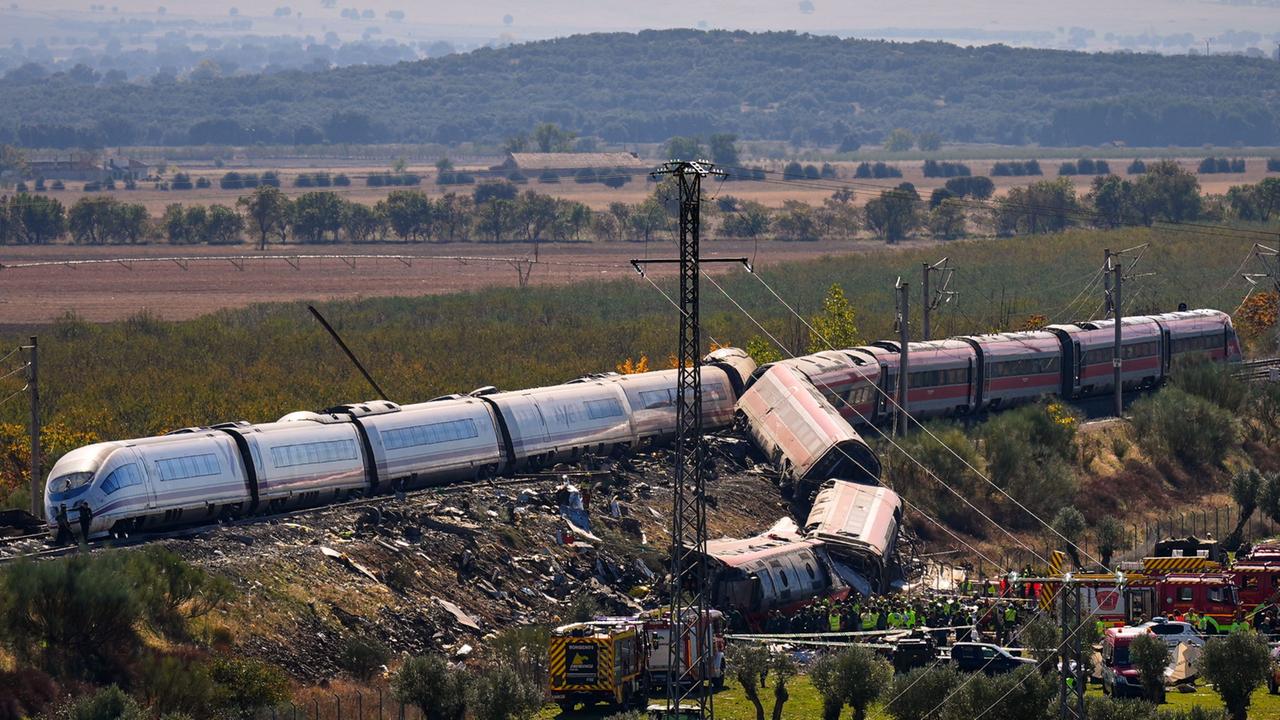

This post is a spoiler for S16E8 “Dennis Takes a Mental Health Day”.
This may be old news for fans, but I wanted to make a post pointing this out. Throughout this episode, Dennis encounters a number of strangers while he attempts to take a mental health day. At the end of the episode, we find out that everything we saw was actually just a daydream, and the individuals we met in the daydream were actually inspired by things that Dennis had seen on his way into the doctor’s office.
In Dennis’s daydream, he is driving a poorly-functioning electric vehicle from the fictional brand Tsuma. The majority of the daydream revolves around this car brand and its parent company.

Soon after Dennis’s daydream ends, right before he leaves the doctor’s office, Dennis says “Thank you, Dr. Tsuma.” Considering that we had never seen or heard of this car brand before, this seems to imply that Tsuma is not actually a car brand, but instead is just the name of Dennis’s doctor.

But in season 18, we later saw a few instances of Tsuma actually being a real company. There were Tsuma advertisements/banners in the background of scenes as well as an episode with an actual self-driving Tsuma electric car that the gang rides in. This implies that in the mental health day episode, Dennis had heard the doctor’s name and unconsciously made the connection to the car company of the same name. Imagine if your doctor came in and introduced themselves as Dr. Ferrari. If you let your mind wander, it may start imagining what it would be like to own a Ferrari sports car. It just so happened that Dennis’s doctor’s name is also used by an entirely unrelated car company.
Bonus: The rental car that Dennis drives has a license plate that reads “BSX-3558”. I have no idea if that is a reference or anything, but it may be fun to speculate.
When Dennis finally makes it to the Tsuma headquarters, he interacts with the receptionist there. The receptionist offers to take a message for the CEO, but ultimately leads Dennis to the CEO’s beach house for some reason.

This Tsuma receptionist was inspired by the receptionist at the hospital.

After picking up his rental car, on the way to the beach, Dennis decides to stop at a tea shop. There, he has a negative interaction with the barista while trying to check out. This tea shop has a bunch of unnecessary modern restrictions while Dennis just wants to trade cash for tea.

The barista was inspired by a patient who was sitting in the waiting room outside of the exam room. Notably, this patient was seen sipping a boba tea like the kind sold at the tea shop in the daydream.

Dennis’s first stop after deciding to take a mental health day was to pick up a rental car. He is told that the car he reserved is not actually available and that he will instead be “upgraded” to a Tsuma. Dennis is visibly excited by this news because he does not know what is actually in store for him due to this car.

The cashier here was inspired by the patient in the waiting room that was sitting right next to the tea shop inspiration.
After Dennis drives off with his phone on the roof of the car, he needs to buy a new phone because that is the “key” that allows him to start the car. He has an argument with the phone salesperson who indicates that the phones sitting there on the counter can only be sold to “new customers” while existing customers like Dennis will have to wait a day for their new phone to be shipped to them from elsewhere. Dennis comes up with the workaround of adding a new line to the family plan, which apparently is enough to consider him a “new customer” who can be issued a phone immediately.

This salesperson was inspired by the model on a poster advertising a diabetes management phone application.

The final stop in Dennis’s daydream is to confront the CEO of Tsuma about what a day he has gone through. We see a musical sequence of Dennis thrusting his hand in the CEO’s chest, tearing out his heart, crushing it into a diamond, and eating it.

This CEO was inspired by some random doctor that Dennis had seen walking around the hospital.

As a side note, there are a bunch of little things to note during this beach sequence with the CEO:
The CEO is also reading the novel “the Pelican Brief” right before being confronted by Dennis. I do not know much of anything about this novel, but I assume this must be some greater reference to something else in the episode here. Reading through the plot summary on Wikipedia, I see that some relatively minor character in the novel has the surname “Coal”, but that seems to be the only connection I can tell. Hopefully someone who is familiar with that novel can chime in and let me know whether or not there seems to be a deliberate connection here.
While locked out of the rental car, Dennis calls a series of Tsuma helplines to try to get back in. After speaking to numerous automated systems, he finally gets connected to an actual human customer care representative who introduces themselves as “Daisy”.

This is the most abstract of characters in this list, because we do not actually see this character in the daydream or reality. We just hear the character’s voice in the daydream, and then in reality, we see a few bunches of daisies throughout the hospital as Dennis walks out (as well as a poster depicting daisies). Notably, Dennis does take an extended look at some of the flowers as he walks by them.

Dennis runs a stop sign while distracted by arguing with the gang over the phone, and is pulled over by a police officer. After being asked to get out of the vehicle, this is what causes Dennis to get locked out.

The police officer here was inspired by the security guard that Dennis had seen at the entrance of the hospital in reality. While their costumes are very similar, it is notable that they seem to actually be using the exact same name tag.

As a bonus, immediately outside of the exam room, there is a poster advertising free flu shots. I can’t think of anything that this is actually referencing, but like “the Pelican Brief”, it just feels like it’s intentionally placed as a nod to something.

This post is a spoiler for S16E8 “Dennis Takes a Mental Health Day”.
This may be old news for fans, but I wanted to make a post pointing this out. Throughout this episode, Dennis encounters a number of strangers while he attempts to take a mental health day. At the end of the episode, we find out that everything we saw was actually just a daydream, and the individuals we met in the daydream were actually inspired by things that Dennis had seen on his way into the doctor’s office.
In Dennis’s daydream, he is driving a poorly-functioning electric vehicle from the fictional brand Tsuma. The majority of the daydream revolves around this car brand and its parent company.
Soon after Dennis’s daydream ends, right before he leaves the doctor’s office, Dennis says “Thank you, Dr. Tsuma.” Considering that we had never seen or heard of this car brand before, this seems to imply that Tsuma is not actually a car brand, but instead is just the name of Dennis’s doctor.
But in season 18, we later saw a few instances of Tsuma actually being a real company. There were Tsuma advertisements/banners in the background of scenes as well as an episode with an actual self-driving Tsuma electric car that the gang rides in. This implies that in the mental health day episode, Dennis had heard the doctor’s name and unconsciously made the connection to the car company of the same name. Imagine if your doctor came in and introduced themselves as Dr. Ferrari. If you let your mind wander, it may start imagining what it would be like to own a Ferrari sports car. It just so happened that Dennis’s doctor’s name is also used by an entirely unrelated car company.
Bonus: The rental car that Dennis drives has a license plate that reads “BSX-3558”. I have no idea if that is a reference or anything, but it may be fun to speculate.
When Dennis finally makes it to the Tsuma headquarters, he interacts with the receptionist there. The receptionist offers to take a message for the CEO, but ultimately leads Dennis to the CEO’s beach house for some reason.
This Tsuma receptionist was inspired by the receptionist at the hospital.
After picking up his rental car, on the way to the beach, Dennis decides to stop at a tea shop. There, he has a negative interaction with the barista while trying to check out. This tea shop has a bunch of unnecessary modern restrictions while Dennis just wants to trade cash for tea.
The barista was inspired by a patient who was sitting in the waiting room outside of the exam room. Notably, this patient was seen sipping a boba tea like the kind sold at the tea shop in the daydream.
Dennis’s first stop after deciding to take a mental health day was to pick up a rental car. He is told that the car he reserved is not actually available and that he will instead be “upgraded” to a Tsuma. Dennis is visibly excited by this news because he does not know what is actually in store for him due to this car.
The cashier here was inspired by the patient in the waiting room that was sitting right next to the tea shop inspiration.
After Dennis drives off with his phone on the roof of the car, he needs to buy a new phone because that is the “key” that allows him to start the car. He has an argument with the phone salesperson who indicates that the phones sitting there on the counter can only be sold to “new customers” while existing customers like Dennis will have to wait a day for their new phone to be shipped to them from elsewhere. Dennis comes up with the workaround of adding a new line to the family plan, which apparently is enough to consider him a “new customer” who can be issued a phone immediately.
This salesperson was inspired by the model on a poster advertising a diabetes management phone application.
The final stop in Dennis’s daydream is to confront the CEO of Tsuma about what a day he has gone through. We see a musical sequence of Dennis thrusting his hand in the CEO’s chest, tearing out his heart, crushing it into a diamond, and eating it.
This CEO was inspired by some random doctor that Dennis had seen walking around the hospital.
As a side note, there are a bunch of little things to note during this beach sequence with the CEO:
The CEO is also reading the novel “the Pelican Brief” right before being confronted by Dennis. I do not know much of anything about this novel, but I assume this must be some greater reference to something else in the episode here. Reading through the plot summary on Wikipedia, I see that some relatively minor character in the novel has the surname “Coal”, but that seems to be the only connection I can tell. Hopefully someone who is familiar with that novel can chime in and let me know whether or not there seems to be a deliberate connection here.
While locked out of the rental car, Dennis calls a series of Tsuma helplines to try to get back in. After speaking to numerous automated systems, he finally gets connected to an actual human customer care representative who introduces themselves as “Daisy”.
This is the most abstract of characters in this list, because we do not actually see this character in the daydream or reality. We just hear the character’s voice in the daydream, and then in reality, we see a few bunches of daisies throughout the hospital as Dennis walks out (as well as a poster depicting daisies). Notably, Dennis does take an extended look at some of the flowers as he walks by them.
Dennis runs a stop sign while distracted by arguing with the gang over the phone, and is pulled over by a police officer. After being asked to get out of the vehicle, this is what causes Dennis to get locked out.
The police officer here was inspired by the security guard that Dennis had seen at the entrance of the hospital in reality. While their costumes are very similar, it is notable that they seem to actually be using the exact same name tag.
As a bonus, immediately outside of the exam room, there is a poster advertising free flu shots. I can’t think of anything that this is actually referencing, but like “the Pelican Brief”, it just feels like it’s intentionally placed as a nod to something.
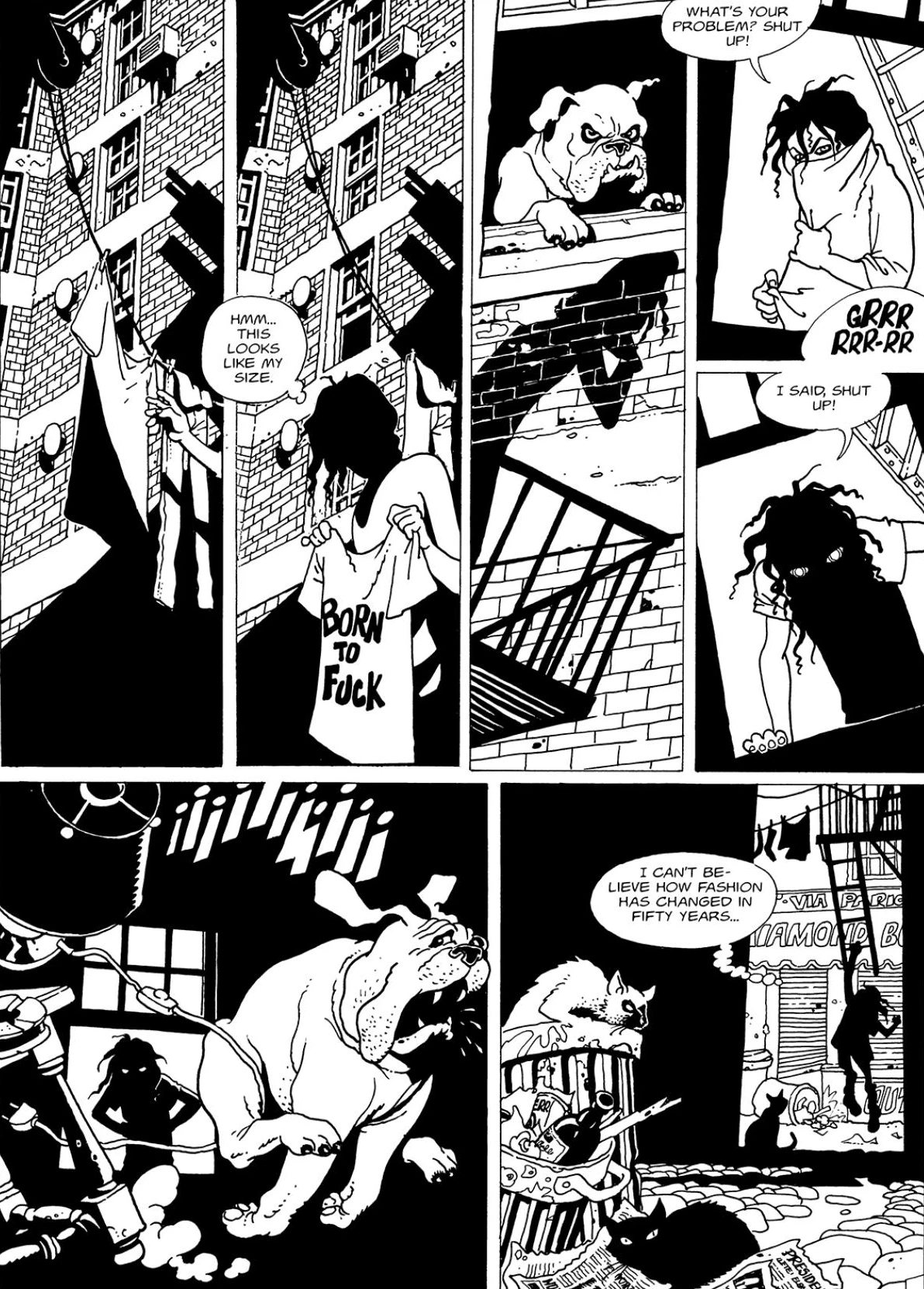
This is a cool reimagining of what vampirism might look like. In the page above, the young protagonist has recently been revived from his 50yr slumber (as a decrepit skeleton) by the healing rays of the sun(!) Now he’s trying to get some clothes on and figure out what to do next…

https://www.bedetheque.com/media/Planches/98248_pla.jpg
Artist Eduardo Risso has teamed up with writer Carlos Trillo on several occasions, and the results that I’ve seen have always been riveting. Risso’s precision, imaginative linework is an instant classic in terms of creating an impactful noir story. I honestly think color would just get in the way in these stories.

https://www.bedetheque.com/media/Couvertures/Couv_2446.jpg
This four-tome work is what might be called ‘Argentinian BD’:
https://www.bedetheque.com/serie-580-BD-Je-suis-un-Vampire.html

https://www.bedetheque.com/media/Planches/PlancheA_2447.jpg
The son of the great Pharaoh Khufu has lived in the body of a twelve-year-old boy for 5,000 years. Immortal, a vampire, and alone in the world, he has traversed the centuries, hunted by the ferocious hatred of the priestess Ahmasi, who has only one obsession: to destroy the child in all his incarnations. To win peace and the right to love, he will have to accept the help of his mortal friends… –BDT
I *think* that’s mortal enemy Ahmasi above, but now dressing for modern times.

https://www.bedetheque.com/media/Couvertures/Couv_2445.jpg
I just started reading the English language version and no complaints so far. I’m sure there are more good examples, but I feel like the premise of ‘immortal enemies clashing across the millennia’ is a fruitful one, for example as seen in: Highlander, Cassio (preview coming one of these days), LeStat and Rapaces. (those imgur links still work, but you have to click on them)
Total page count is ~470pp.
This is a cool reimagining of what vampirism might look like. In the page above, the young protagonist has recently been revived from his 50yr slumber (as a decrepit skeleton) by the healing rays of the sun(!) Now he’s trying to get some clothes on and figure out what to do next…
https://www.bedetheque.com/media/Planches/98248_pla.jpg
Artist Eduardo Risso has teamed up with writer Carlos Trillo on several occasions, and the results that I’ve seen have always been riveting. Risso’s precision, imaginative linework is an instant classic in terms of creating an impactful noir story. I honestly think color would just get in the way in these stories.
https://www.bedetheque.com/media/Couvertures/Couv_2446.jpg
This four-tome work is what might be called ‘Argentinian BD’:
https://www.bedetheque.com/serie-580-BD-Je-suis-un-Vampire.html
https://www.bedetheque.com/media/Planches/PlancheA_2447.jpg
The son of the great Pharaoh Khufu has lived in the body of a twelve-year-old boy for 5,000 years. Immortal, a vampire, and alone in the world, he has traversed the centuries, hunted by the ferocious hatred of the priestess Ahmasi, who has only one obsession: to destroy the child in all his incarnations. To win peace and the right to love, he will have to accept the help of his mortal friends… –BDT
I *think* that’s mortal enemy Ahmasi above, but now dressing for modern times.
https://www.bedetheque.com/media/Couvertures/Couv_2445.jpg
I just started reading the English language version and no complaints so far. I’m sure there are more good examples, but I feel like the premise of ‘immortal enemies clashing across the millennia’ is a fruitful one, for example as seen in: Highlander, Cassio (preview coming one of these days), LeStat and Rapaces. (those imgur links still work, but you have to click on them)
Total page count is ~470pp.

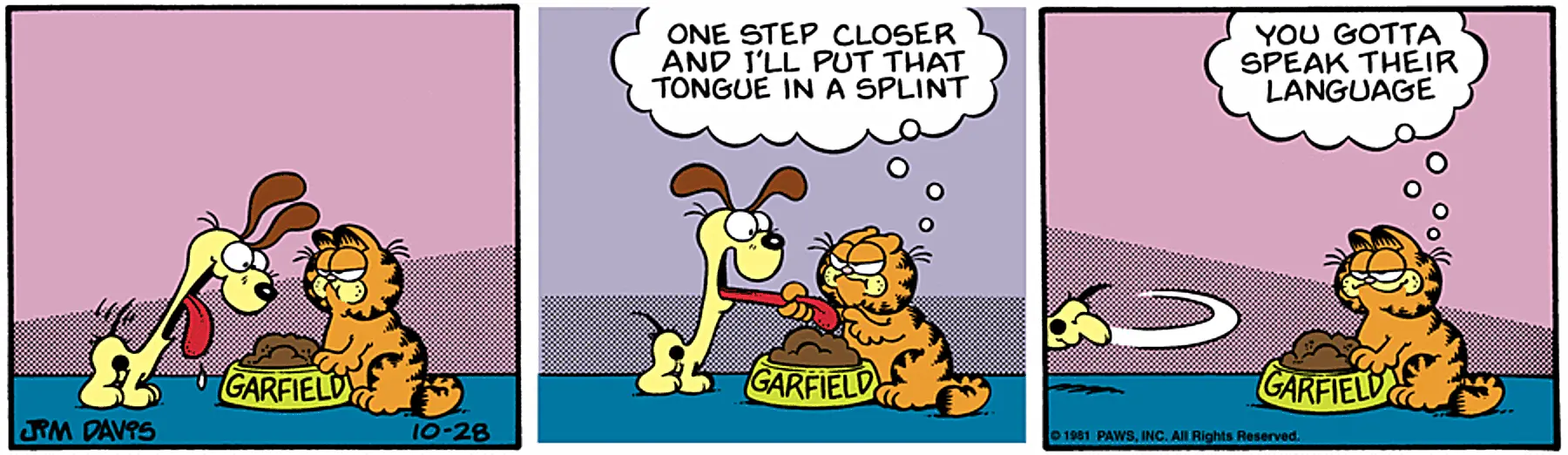
No transcript available
No transcript available
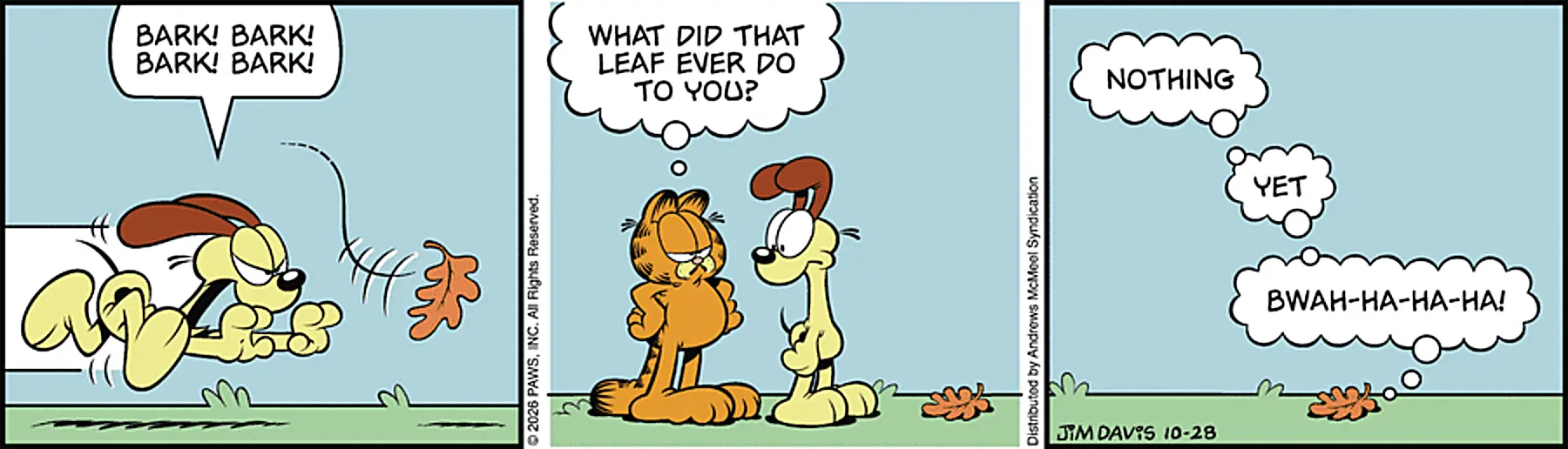
No transcript available
No transcript available

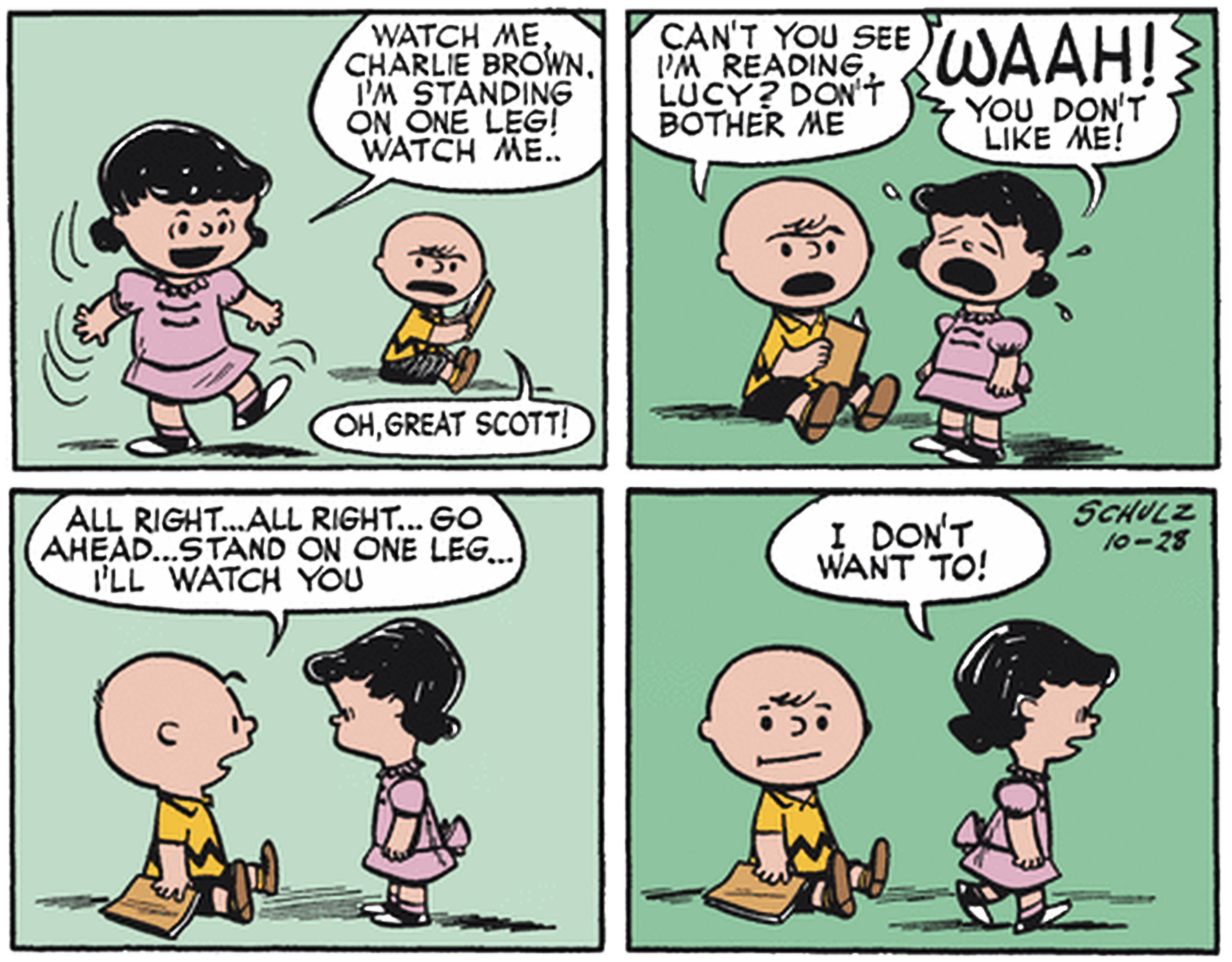


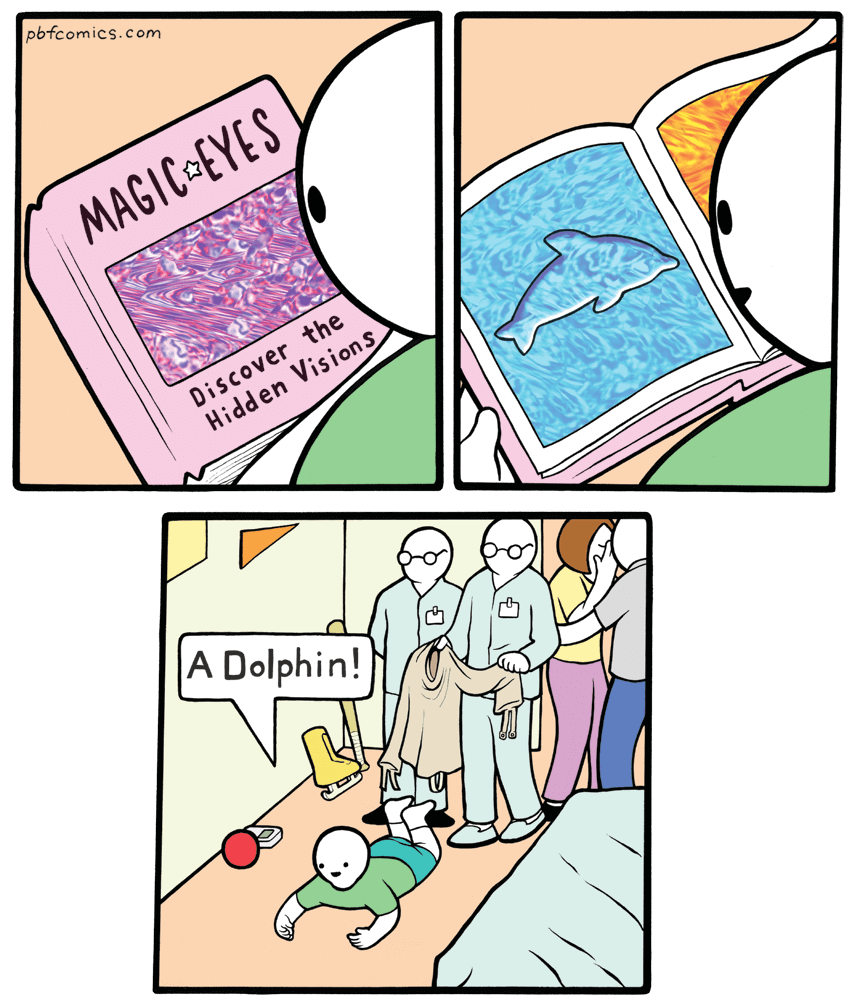

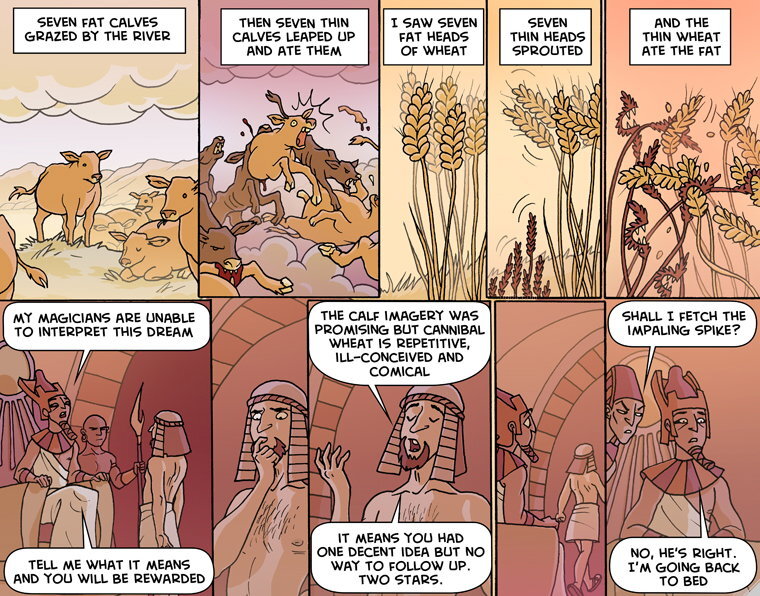
I wonder if animals ever have prophetic dreams.
The follow-up dream “at school with no pants on” was heralded as a classic.
I wonder if animals ever have prophetic dreams.
The follow-up dream “at school with no pants on” was heralded as a classic.
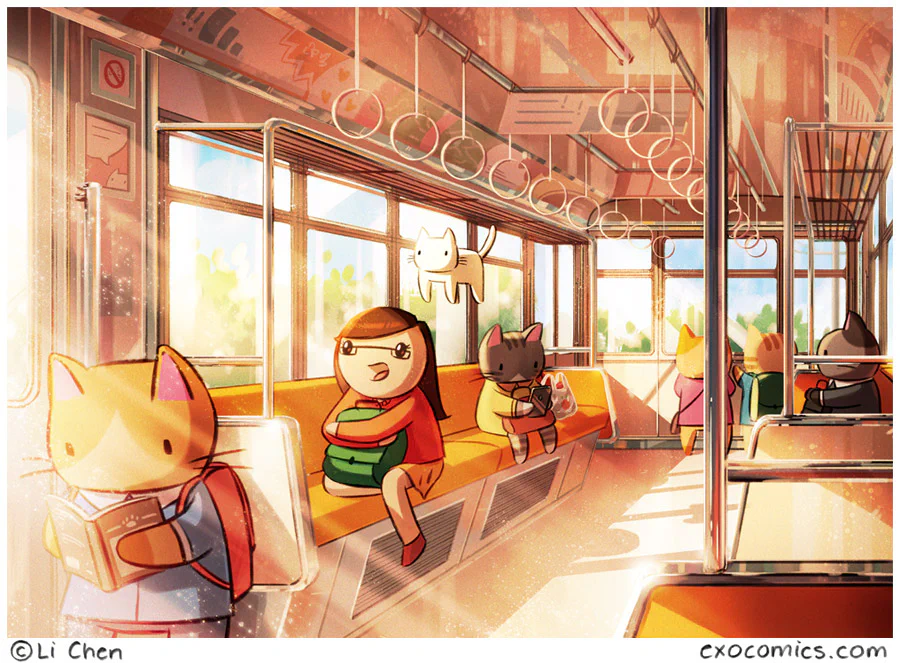
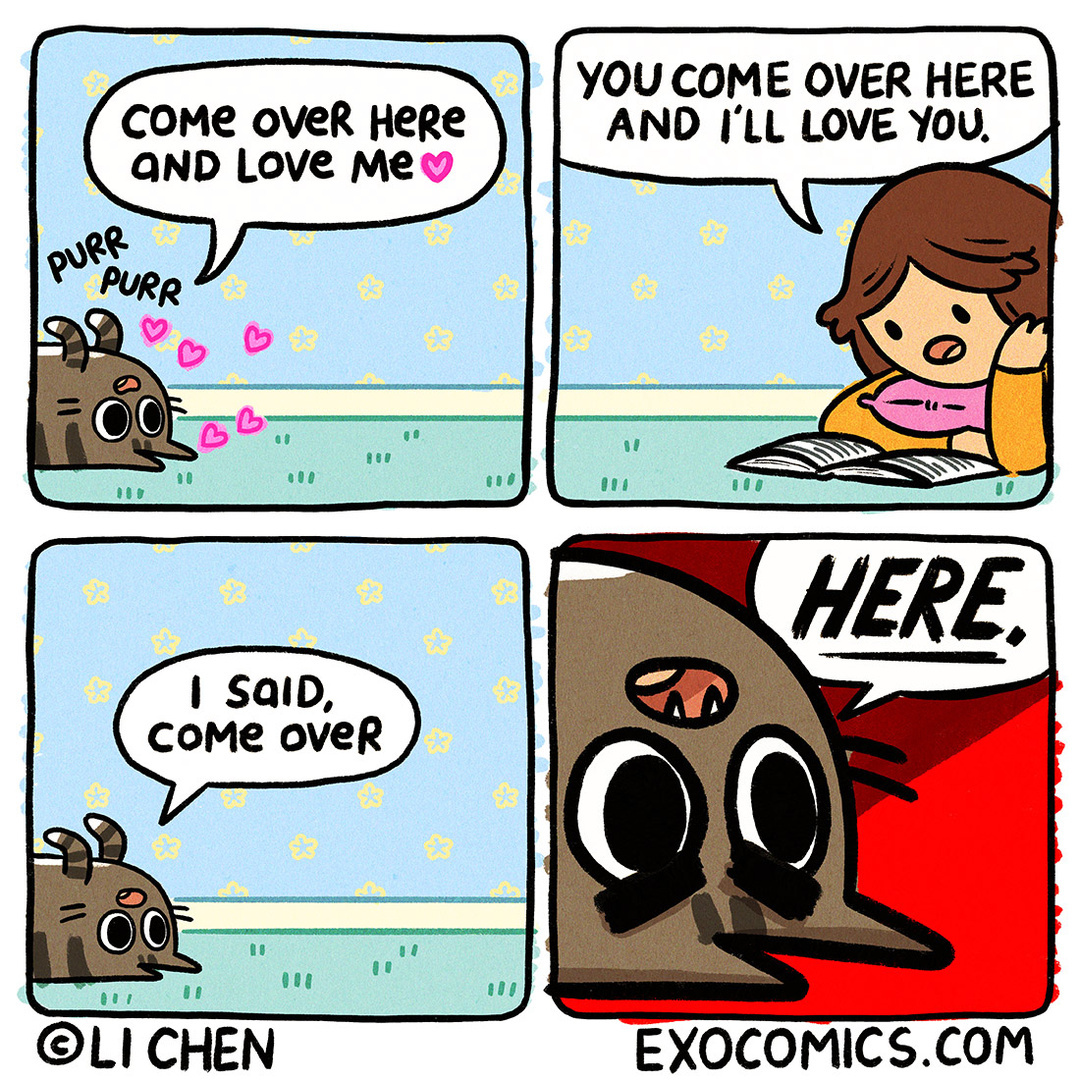
www.patreon.com/exocomics/…/come-here-173415694
My cat does this to me ALL. THE. TIME. For some reason he really likes getting pats at the top of the stairs. When he’s bored, he goes there and yells loudly until I come and purrs happily while I pat him. What a little weirdo :)
www.patreon.com/exocomics/…/come-here-173415694
My cat does this to me ALL. THE. TIME. For some reason he really likes getting pats at the top of the stairs. When he’s bored, he goes there and yells loudly until I come and purrs happily while I pat him. What a little weirdo :)

Kroger’s $1.65 billion proposed acquisition of Giant Eagle might not only consolidate the grocery market, but also a vast surveillance network that includes Flock cameras, a new report warns. Beyond standard concerns that a merger could decrease competition and increase prices, the American Economic Liberties Project (AELP), which advocates for competition policy reforms, says that…
Kroger’s $1.65 billion proposed acquisition of Giant Eagle might not only consolidate the grocery market, but also a vast surveillance network that includes Flock cameras, a new report warns. Beyond standard concerns that a merger could decrease competition and increase prices, the American Economic Liberties Project (AELP), which advocates for competition policy reforms, says that…
Kroger’s $1.65 billion proposed acquisition of Giant Eagle might not only consolidate the grocery market, but also a vast surveillance network that includes Flock cameras, a new report warns. Beyond standard concerns that a merger could decrease competition and increase prices, the American Economic Liberties Project (AELP), which advocates for competition policy reforms, says that…
Kroger’s $1.65 billion proposed acquisition of Giant Eagle might not only consolidate the grocery market, but also a vast surveillance network that includes Flock cameras, a new report warns. Beyond standard concerns that a merger could decrease competition and increase prices, the American Economic Liberties Project (AELP), which advocates for competition policy reforms, says that…



Big high-speed rail collision in Spain.
The first information about the circumstances of the Urda (Toledo) railway accident points to the trains involved, the AVE 2080 and the Iryo 6076, possibly having been traveling under the Lateral Signaling Blocking (BSL) system due to a fault in the LZB system. This circumstance has not yet been confirmed by Adif, although the possible incident in the signaling system and a subsequent human error appear as the main hypotheses about the origin of the accident, after Government sources indicated that the trains resumed circulation under human control following a failure of the automatic safety system. According to the first information, the fault would initially have forced the convoys to stop, before the resumption of rail traffic was authorized through alternative circulation procedures. Always according to the Government, preliminary analyses point to an Adif operator possibly having made a mistake during this human control phase, a circumstance whose relation to the collision will have to be clarified by the official investigation. A possible LZB fault before the accident The LZB (Linienzugbeeinflussung) is a railway protection system that allows the circulation of trains to be continuously supervised and information to be transmitted directly to the equipment installed in the cabs, so that drivers receive indications about the authorized speed, braking distances and the conditions they must respect during the journey. Its use on certain high-speed lines allows the convoys to circulate with constant supervision, especially important when the speeds reached make the distances needed to stop a train considerably greater than those usual in the conventional network. The information known so far points to a fault in this system having forced the circulation conditions to be modified before the accident, although it has still not been specified when the failure was detected, how long it remained out of service or what measures those responsible for rail traffic adopted. What the Lateral Signaling Blocking is and how it works When the automatic protection system associated with the automatic block stops working properly, railway regulations provide for alternative procedures that allow traffic to continue under certain safety conditions, among them Lateral Signaling Block (BSL). Unlike the usual regime of continuous supervision, this procedure uses the signals installed alongside the tracks to regulate the entry of trains into the different block sections, so that each new movement authorization depends on the safety conditions established for the corresponding section being met. The Railway Traffic Regulation establishes that the sections must be free before authorizing certain movements and that the signals must prevent the entry of trains when incompatible movements may occur. The use of this procedure is regulated and does not necessarily imply a loss of safety, although it requires applying the operational conditions provided for situations in which the usual automatic system is not functioning. The Government points to a human error by Adif after the signaling failure The first conclusions being handled by government sources point to the fact that an Adif operator could have made a mistake after a breakdown forced traffic to be managed under human control, a hypothesis that, if confirmed, would make it possible to explain why the safety mechanisms did not prevent the collision. According to this version, the trains were initially stopped when the automatic signaling system failed and were later authorized to continue, although it is still not clear what specific instructions were transmitted or how the movement of both convoys was coordinated. The possible failure would have occurred precisely during that phase of traffic resumption, when the decisions of the traffic controllers acquired special importance as the automatic supervision system was not available in its usual conditions. High-speed service between Madrid and Andalusia interrupted The accident between AVE 2080 and Iryo 6076 took place this Wednesday, October 28, in Urda (Toledo), on the Madrid-Andalusia high-speed line, where the collision caused several carriages to leave the track and part of the train to fall down an embankment. The accident has left fatalities and numerous injured, while emergency services continue attending to those affected and the authorities work to clarify the circumstances of the collision. Adif communicated the suspension of rail traffic between Madrid and Andalucía after reporting “an impact between two trains”, with no official forecast at the moment to restore service. The investigation will have to determine whether the possible failure of the LZB forced a change in the circulation regime and whether, during the subsequent management, the human error pointed to by the first government reports occurred.


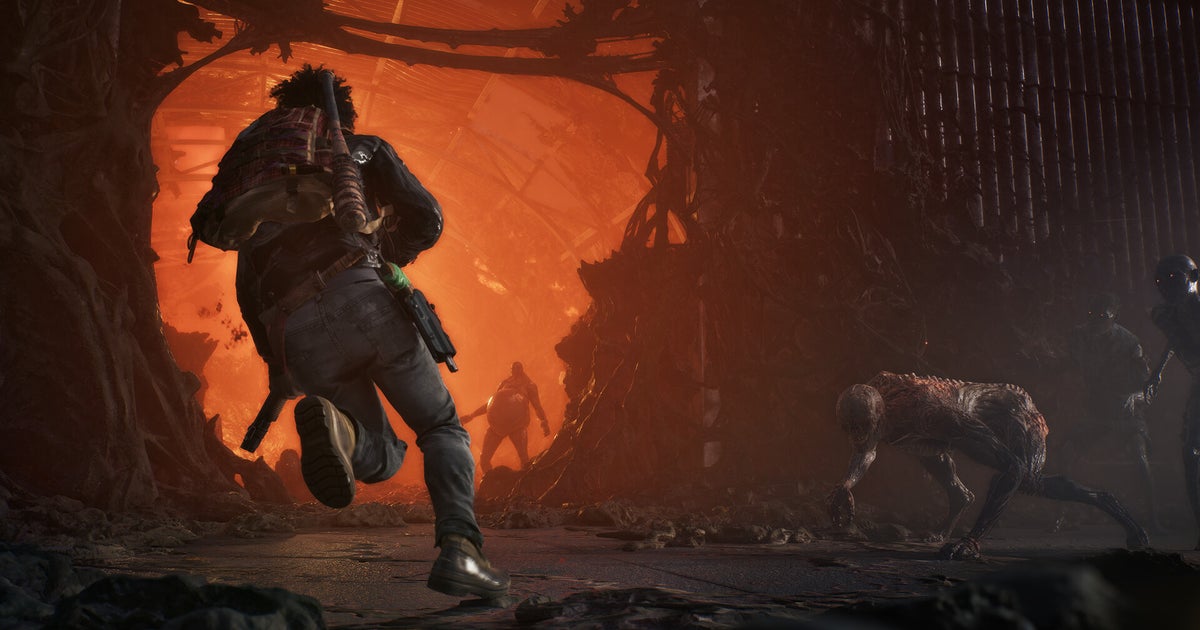
The CEO explains what the new employee-owned structure looks like, why State of Decay 3 has taken so long, and how the studio is embracing co-development
The CEO explains what the new employee-owned structure looks like, why State of Decay 3 has taken so long, and how the studio is embracing co-development

Right-click menu is completely blank.
Right-click menu is completely blank.


Caché sous les écorces et dans les feuilles des platanes, ce tigre est en fait une punaise qui a colonisé la France à partir de 1975. Dans 4 minutes vous saurez tout sur cet étrange insecte.
Sur cet étrange insecte qui s’accroche à nos vêtements comme un connard mais qui est fort joli regardé à la loupe.
E se fosse Word a non essere compatibile?
La Danimarca ha interrotto un progetto pilota per sostituire Microsoft Office con Collabora. Tra i problemi riscontrati, la compatibilità con i documenti Word.
Ma siamo sicuri di porci la domanda giusta?
Se vogliamo che l’open source sostituisca i prodotti commerciali, dobbiamo pretendere che li imiti perfettamente? Oppure dobbiamo accettare che abbia una propria identità, con formati e modalità di lavoro differenti?
Se vogliamo aprire e modificare documenti DOCX con la massima fedeltà, la scelta più sicura resta Word.
Ma se vogliamo davvero un’alternativa, perché non adottare OpenDocument (ODF) come formato di riferimento?
Immaginiamo per un momento il contrario: un mondo in cui ODF sia il formato dominante e Microsoft Office fatichi a gestirlo correttamente. Diremmo che Office ha fallito?
Forse il problema non è che Collabora non riesca a comportarsi esattamente come Word. È che continuiamo a misurare ogni alternativa con il metro del prodotto da cui vogliamo liberarci.
La sovranità digitale non consiste nel cambiare programma mantenendo intatta la dipendenza dai formati e dalle abitudini del precedente ecosistema.
Non basta dire “passiamo all’open source”. Bisogna anche avere il coraggio di cambiare standard.
Voi che ne pensate?
Fonte: punto-informatico.it/danimarca…

x.com/tama0104/status/2114658304085405852
Character: Flandre Scarlet
x.com/tama0104/status/2114658304085405852
Character: Flandre Scarlet

Alt text: A statue of a Yakshi, but her hand has the OK gesture held below the waist, so you just lost the game.
Image source: …wikimedia.org/…/File:CunninghamBharhut.jpg
Alt text: A statue of a Yakshi, but her hand has the OK gesture held below the waist, so you just lost the game.
Image source: …wikimedia.org/…/File:CunninghamBharhut.jpg