0
0
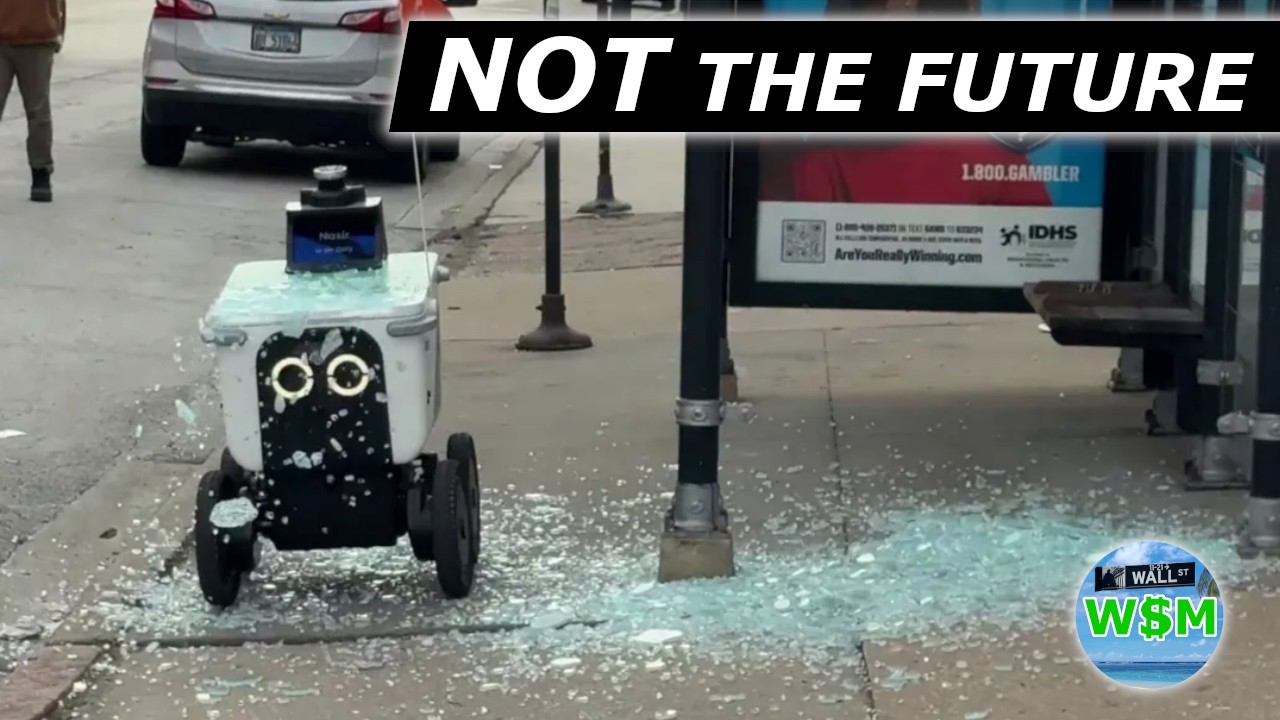
YouTube
Autonomous Delivery Robots, Silicon Valley's Latest Flop
www.youtube.com

Sauce: (C95) [Tsundere is Love (DSmile)] MISAKA MIKOTO Collection (Toaru Kagaku no Railgun)
Artist: www.pixiv.net/en/users/795196
Sauce: (C95) [Tsundere is Love (DSmile)] MISAKA MIKOTO Collection (Toaru Kagaku no Railgun)
Artist: www.pixiv.net/en/users/795196




In the first minute, Guyon tries to frame her as liberal or conservative, and she eloquently describes who she is and how that framing is no longer effective.
In the first minute, Guyon tries to frame her as liberal or conservative, and she eloquently describes who she is and how that framing is no longer effective.
Sorry for the compound-sentence question.
The first part is in reference to this story which I’ve seen in a few different publications now.
Today, I happened to look up the price of Bitcoin (because it was relevant to a conversation I was having) and found it had shot up recently and was now at about $77,400 (up from the $63,000 when I last checked). Doing a little bit of searching, it seemed like the reason was the bond buyback.
(Sorry also for the sensationalistic hype article. I’m about as critical of blockchain snake oil as anyone can be. But I didn’t find a better article about why it affected the price of Bitcoin.)
My questions are, in simple terms:
Thank you in advance, people! I like to think I know a fair amount about a fair amount, but finance (let alone fake blockchain Libertarian fairy tail finance) definitely isn’t my strong suit, and I’m curious to know more about the dynamics at play here and where they’re likely to lead.


Die Frage steht im Titel: Vor gar nicht allzulanger Zeit war “Blockchain” ja der riesige Hype. Alle haben Blockchain-Projekte gestartet, Politiker haben in ihren Reden auf Blockchains verwiesen und dass diese die Zukunft sein. Diverse Startups sind entstanden und so weiter.
Jetzt sind ein paar Jahre ins Land gegangen und der Hype irgendwie verflogen. Kennt jemand von euch außer Kryptowährungen irgendein Projekt, wo die Technik überhaupt im Einsatz ist?

Mich würde eure ehrliche Meinung interessieren. Ich hatte letztens ein Gespräch mit ein paar Freundinnen, weshalb ich zu diesem Thema komme:
Wir Frauen machen uns oft viele Gedanken über unseren Körper – ob wir attraktiv genug sind, ob Männer bestimmte Vorlieben haben oder ob sie enttäuscht sein könnten, wenn sie eine Frau nackt sehen.
Deshalb meine vier Fragen:
1.Habt ihr bestimmte körperliche Vorlieben?
Spielen Brüste, Po, Figur usw. für euch eine große Rolle oder ist das in der Realität weniger wichtig?
Wart ihr schon einmal überrascht oder sogar enttäuscht, als ihr eine Frau nackt gesehen habt?
Und wie viel denkt ihr über solche Dinge überhaupt nach? Oder machen wir Frauen uns darüber viel mehr Gedanken als Männer?
Natürlich sind die Meinungen meiner Mädels hier auch willkommen. Vielleicht habt ihr schon mal Erfahrungen gemacht, die ihr teilen könnt/wollt.
Ich bin gespannt. ☺️
cross-posted from: lemmy.world/post/50587168
cross-posted from: lemmy.world/post/50587168
Mexico is a country south of the United States, and many US immigrants are Mexicans, yet saying the word “Mexico” and calling something “Mexico” has become derogatory in California, so when and how did that happen?
Mexico is a country south of the United States, and many US immigrants are Mexicans, yet saying the word “Mexico” and calling something “Mexico” has become derogatory in California, so when and how did that happen?
lfcbot broke so here you go. fixed it for next game
lfcbot broke so here you go. fixed it for next game


All I could see was deep darkness. All I could feel was biting cold. All I could hear was howling wind. Time felt irrelevant. Had it been one day? A thousand? Where was I? I tried to move, but felt nothing at all. I tried to speak, but found I could not. All I could do was think, and feel. Where was I? What happened? Vague memories filled my mind, as though I was looking at a movie through a smoke screen. Blurred, like a piece of abstract art, all I could know were distant feelings that felt as though they belonged to someone else, but they were mine. A small, prefab building? Snow, and more cold? Two people, a man and a woman. Who are they, what were their names? I tried to know, but the more I tried the further away I was. What happened? All I could feel was cold, stark, burning cold. Most of all I felt tired. So very tired. Nothing seemed real anymore, nothing but the howling winds and the freezing cold. Perhaps I should lay down and stop thinking so hard. It was tough to do so anyway, and what was the point?
I heard something in the wind, something faint. What was it? I heard it again, what is it? A name? Someone shouting in the distance. It sounds like “Ezekiel.” Clouds of colors depicted someone marching across a vast expanse of snow and ice. I think I’ll see where this goes, before going to sleep. They trudged across the snow, yelling, over and over. There was someone else, too, doing the same. “Ezekiel,” they called. Must be someone they lost, I thought. Then one of them fell to their knees, and started digging in the snow. How horrible, my heart went out to them. Whoever this Ezekiel fellow was, he certainly had some good friends. Oh well. The person grabbed the corpse in the snow, and I felt hands grab my shoulders.
Who’s there? I tried to say, tried to speak, but I found I could not. What is this place? Nothing but cold and wind, I wish it would all stop. Perhaps if I laid down for a little bit, I might find a break from it all. Just as I was about to rest, I saw a faint light. I thought to move closer, but I remembered I could feel nothing at all. What a strange, funny thing to happen, to want to move but not be able to. Suddenly, I found myself closer to the light. How did that happen? No matter. The flickering light constantly fought back the darkness in its own strange dance. It looked almost like fire. It was warm near it. The cold still stung, but the fire helped. Who’s fire was this? I felt like someone else was here, though I could neither see nor hear them. If I could call out to them I would. Did they light this fire?
Now that I see it closer, there’s no base, no fuel. Just the fire, floating, in the air. Though it flickered, it did not seem affected by this accursed howling wind. Where did it come from anyways, the wind? What a silly question, it came from… What? I thought I knew, but the idea of even knowing evades me. I thought to follow or chase the wind, but the fire here was warm, and the rest of this place, cold. If only there was some sort of shelter, to hide against this wind, with this fire in it, to fight off the cold, then maybe this place wouldn’t be so bad. I suppose I’ll just have to make do. There was never anything else but this howling and cold, this fire itself is a respite from that. Wait, no, that’s not right. Some obscure feeling tugged at the back of my mind, that there was more than this, but that’s not possible. That thought too quickly slipped from my mind. The fire was just a bit warmer, I thought. Did someone throw in some wood? What even was wood? The fire was nice and warm, but I couldn’t stop thinking of this incessant howling. It seemed to be coming from somewhere, it must be. I should leave this fire and find out, but I could not move.
Then, suddenly, the fire was further away, shrinking until even the light was gone. Just darkness and cold again. The howling grew louder, louder, and louder, but no matter how loud it grew I could never find the source. It was now a scream with how loud it was. It sounded like a familiar scream. A wisp of a face crossed my mind. Who was that? It sounded as though I knew them. Did I ever know anything but this cold and darkness? Ideas and thoughts drifted across my mind, but it was like trying to see something in the way the light bounced across the bottom of a murky canal. This was all that ever existed, and yet I felt that at some time, some point, something else did. How long had I been here? Minutes? Hours? Years? It did not matter. I was cold and tired and the wind was howling. I ought to close my eyes and sleep. Perhaps then I can forget about the dark, the cold, the wind, and the pain.

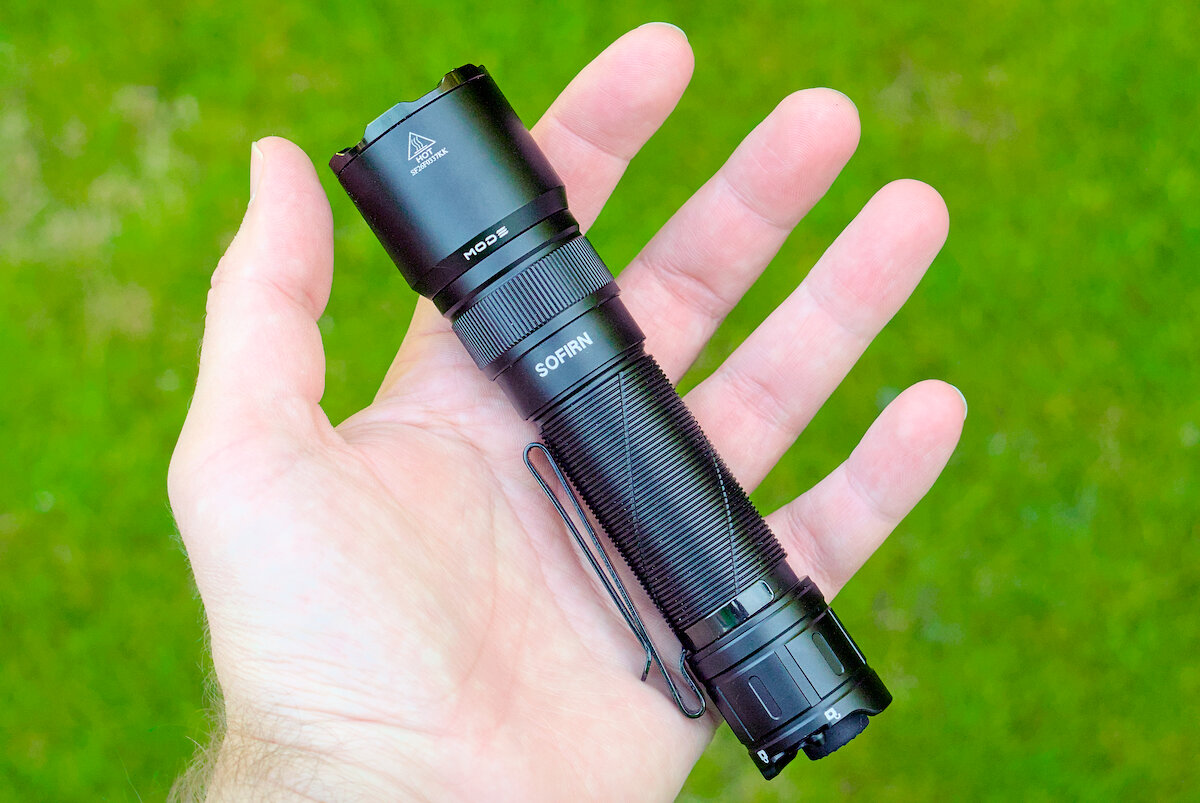
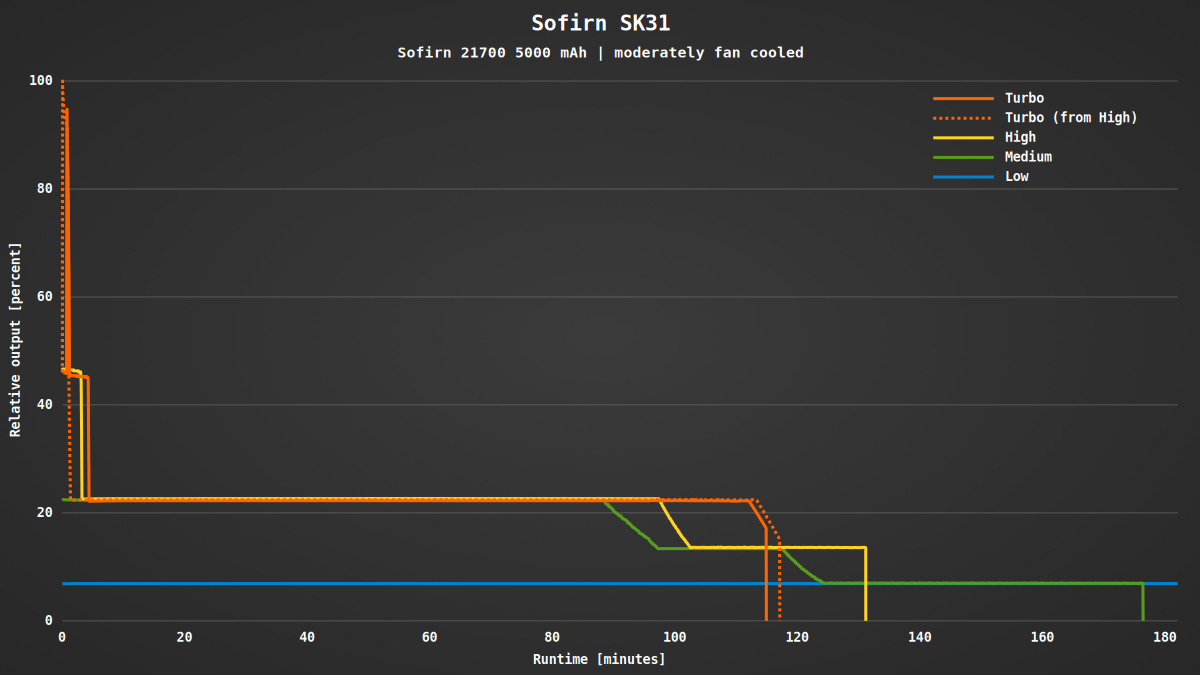
Great hardware, poor software – that’s the Sofirn SK31 in a nutshell. The combination of a powerful LMP LHP73B with a well-regulated driver, a two-stage tail switch, a separate switch for the lockout and a screwed cover for the USB-C charging port provide the perfect hardware foundation for a great flashlight.
The operation is all the more disappointing. The two-stage switch leaves much of its potential unused. For example, there is no direct access to the lowest or highest brightness level and in Tactical Mode, the switch must be held halfway down for a full five seconds to keep the flashlight on. Minor firmware bugs make the overall experience even less enjoyable.
English review at BudgetLightForum
German review on my website





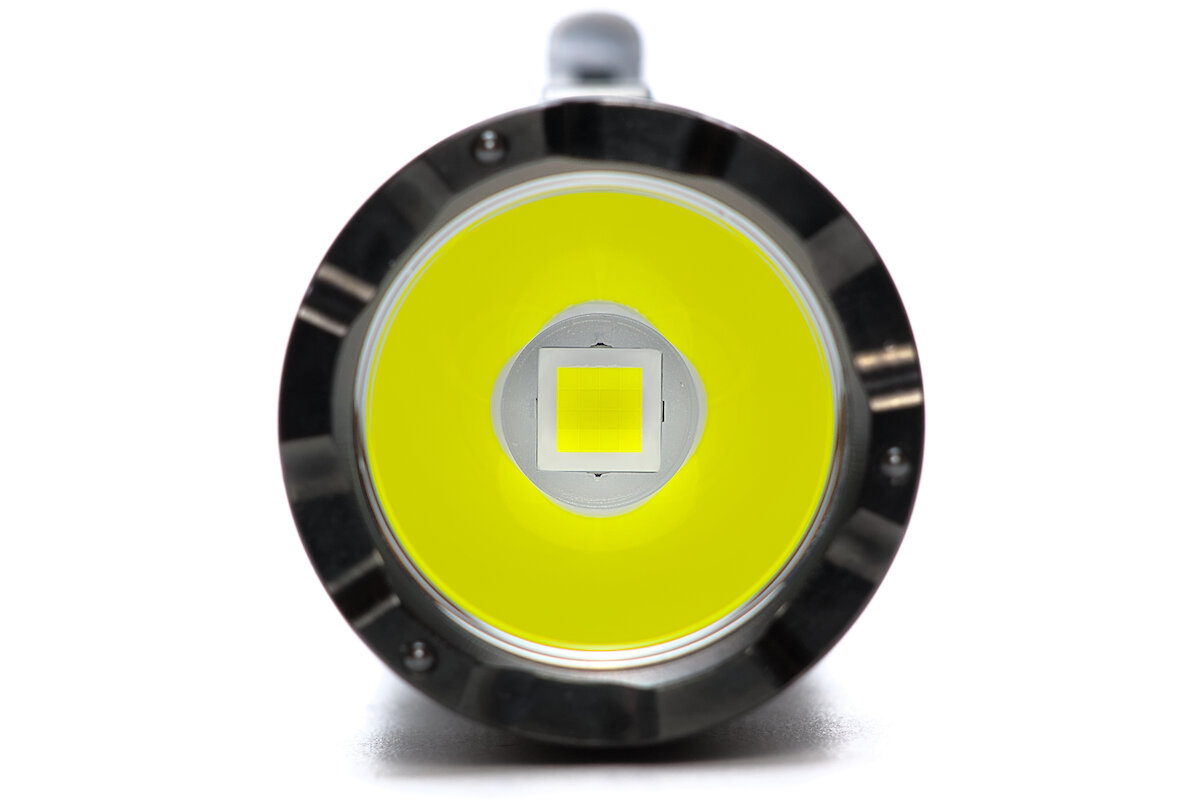

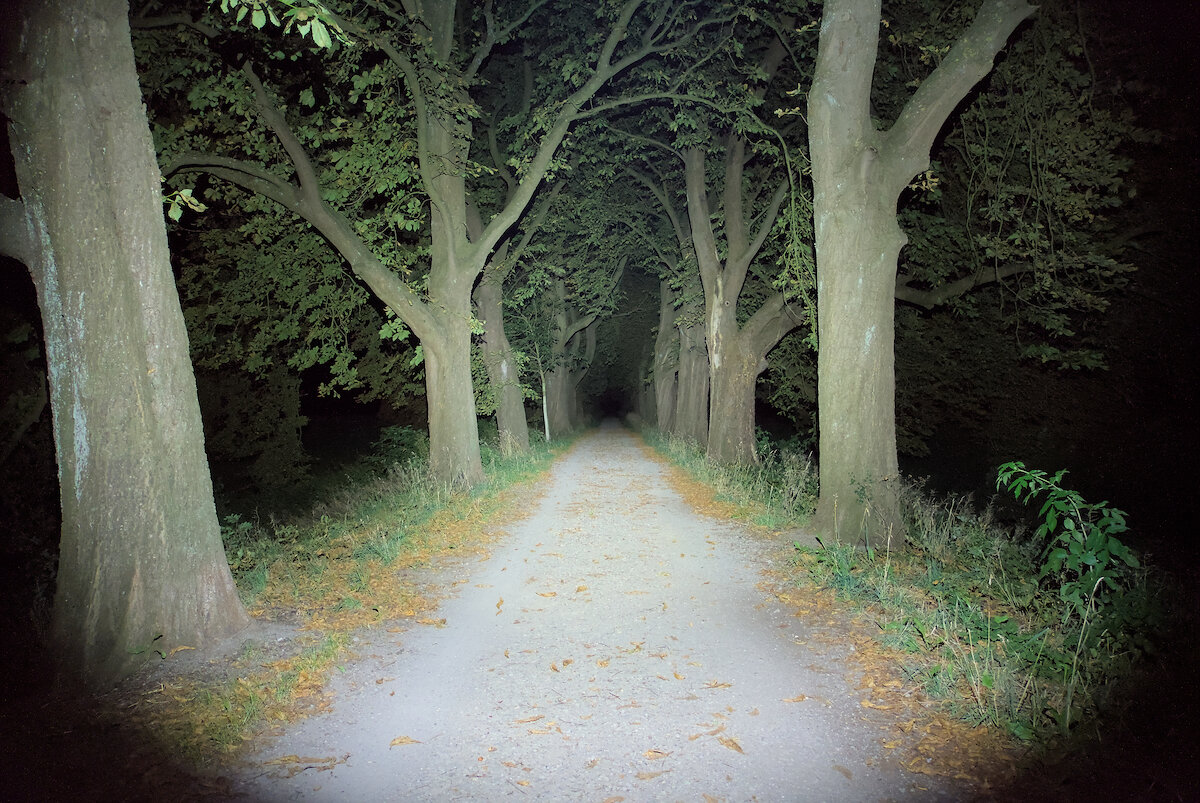
Great hardware, poor software – that’s the Sofirn SK31 in a nutshell. The combination of a powerful LMP LHP73B with a well-regulated driver, a two-stage tail switch, a separate switch for the lockout and a screwed cover for the USB-C charging port provide the perfect hardware foundation for a great flashlight.
The operation is all the more disappointing. The two-stage switch leaves much of its potential unused. For example, there is no direct access to the lowest or highest brightness level and in Tactical Mode, the switch must be held halfway down for a full five seconds to keep the flashlight on. Minor firmware bugs make the overall experience even less enjoyable.
English review at BudgetLightForum
German review on my website

Is there one of either for HA? Jellyfin & the other main Arr programs are covered but there’s almost nothing aside this: https://github.com/rigerc/ha-apps-next and it’s pretty much its own and not an integration or card.
Is there one of either for HA? Jellyfin & the other main Arr programs are covered but there’s almost nothing aside this: https://github.com/rigerc/ha-apps-next and it’s pretty much its own and not an integration or card.
A miser is someone who is infatuated with the past, and is grumpy about the present, (compared to depressive, or someone who is infatuated with the future, and depressed about the present), so when did it come to mean someone who is a cheapskate and stingy over money?
A miser is someone who is infatuated with the past, and is grumpy about the present, (compared to depressive, or someone who is infatuated with the future, and depressed about the present), so when did it come to mean someone who is a cheapskate and stingy over money?
If you are thinking about harming yourself — get immediate crisis support. Connect to a crisis counselor 24/7, 365 days a year, from anywhere in the U.S via text, chat, or phone. The Trevor Project is 100% confidential and 100% free.
If you are thinking about harming yourself — get immediate crisis support. Connect to a crisis counselor 24/7, 365 days a year, from anywhere in the U.S via text, chat, or phone. The Trevor Project is 100% confidential and 100% free.

RZESZÓW, CZAS ZNÓW POKAZAĆ, ŻE RÓŻNORODNOŚĆ MA ZNACZENIE! 🏳️🌈
Już po raz siódmy spotkamy się, by wspólnie przejść ulicami naszego miasta i stanąć po stronie równości, wolności, akceptacji i wzajemnego szacunku. ✊
Niezależnie od tego, kim jesteś, kogo kochasz, jak wyglądasz czy skąd pochodzisz — masz tu swoje miejsce. 🫶
Przyjdź ze znajomymi, rodziną, partnerem lub partnerką. Przygotuj swój transparent, hasło i pokaż razem z nami, że Rzeszów jest dla wszystkich! 🌈
📅 29.08.2026 🕐 14:00 📍 Most Narutowicza
Do zobaczenia na VII Rzeszowskim Marszu Równości! 🏳️🌈✊
Do your best everyone!
Do your best everyone!
I think I just had a major mental health episode and I discovered some new things about myself I didn’t expect. I unlocked some painful memories and I feel the need to write some of it down. I think there are going to be at least a few people on here who understand. Sorry, I’m ESL so I have a bit of trouble writing long pieces of text. I hope this is not complete gibberish.
It all started a few days ago with me researching OCD. I knew for a long time that I had some OCD tendencies. I’m obsessed with symmetry, powers of two, geometric shapes. I have hand washing compulsions. I tend to doubt my memory a lot. I get physical “itches” if I don’t obey the compulsions. It’s a kind of “stretchy”, “crawling” feeling right beneath my skin. I had these feelings my whole life. I remember being 7 and finding comfort in symmetries of a cube (8 vertices, 8, my favorite number). I remember 5-year-old me turning 360 degrees and then having to “unwind” the spin of his body by spinning back 360 degrees. There are so many memories like that.
I didn’t think about it too deeply before because, honestly, the symptoms aren’t that bad. I learned to cope and silently comply with these urges (scratching both sides of my face simultaneously is an all-time classic). I’m not in a mental health crisis and I don’t need a DSM-5 worthy diagnosis. Sometimes I develop new compulsions, sometimes I would drop the old ones, but it’s all “fine”. My rituals are small, private and manageable. Yeah, I have to wind my watch exactly 8 times, what of it?
My OCD (or whatever you call it, a subclinical OCD-like condition) just feels like a low-level background noise that makes me feel just a tiny bit uncomfortable in my own body. I’m just always a bit neurotic, a bit on edge, a bit too aware of my senses. I was wondering if my OCD was actually affecting more of my life than I previously realized. Maybe with proper treatment, the discomfort would go away? Is it worth the trouble? Maybe it’s like that useless “background app” that does nothing but drains my battery?
That thought about the “battery drain” led me to another thread – masking. This one was truly devastating.
I was always an “odd” kid. I remember I would spend a lot of time day-dreaming, absorbed in my own thoughts. I would create elaborate fantasies in my head or just focus on random small things that I saw. I would draw cubes in my notebooks instead of listening to my teacher – entire voxel worlds, fractals. My “oddness” might not have been too out the ordinary – a lot of kids have rich imaginations and have trouble focusing. But I still felt a bit out of place. It didn’t prevent me from having friends though. I was shy but I was able to socialize okay. I’m not sure if I exhibited any “masking” behavior but I do remember some moments where I was scolded by my teacher for being too extra and having to dial it down. I think I was okay.
The real problems began when I had to change schools. New social environments are very stressful to me to this very day. But to a small child, it was like my whole world has just collapsed. I was forced into this new unfamiliar environment. All these new names to memorize, faces to remember, social cliques to figure out, in-jokes to learn. But I was trying my best – I was slowly building connections, making friends, adapting the best I could. However, at some point kids started noticing that I was “weird”.
I need to switch to the third person now. It’s too painful if I don’t.
That kid was definitely a bit “weird”, no question. His smile was “too wide”, his laughter was “too loud”, his interests were “too obsessive”. The kid didn’t really consider this bullying – there were kids in this school who were REALLY bullied, and he wasn’t one of them. He knew they were just “roasting” a new kid – a little tribal ritual. But that kid still took this to heart. “How can my smile be weird? How can my laugh be too loud?” he thought. It felt like an attack on the very core of his being – his basic, honest, human expressions of pure joy. He felt deeply hurt by this. He was, however, a resilient and clever kid – he came up with an engineering solution to this “problem”. “Okay, if my smile is weird, let me try to force a different smile. If my laugh is too loud, no big deal – let’s dial the volume down. My interests are strange? Whatever, I’ll just stop sharing”
Obviously, this was a futile effort – you can’t please everyone. But the kid tried his best. He kept adapting, he kept “fixing” every new “weird” thing they would notice. Eventually, this process led to him eroding every bit of public-facing “him” that was left. He adopted this emotionless dead-pan façade – it was still “weird” but at least people would leave him alone. He made himself impenetrable, totally unapproachable. He was trying to hide in plain sight. He held to this façade for dear life – it made him feel at least somewhat safe. Letting it slip would often lead to ridicule. He made himself the platonic ideal of “normal”.
But the façade felt very heavy on him. He would come home feeling exhausted. He would constantly pretend to be sick just to get another day to relax in safety of home. He skipped meals because he was afraid to eat in front of other kids. He would hide in remote corners just to get some rest from all the chaos. He would face abuse from his teachers because they though he was dumb due to not wanting to go in front of the class. And yet, day after day, he persisted. He was a brave fighter. He built himself a thick suit of armor to protect his soft, vulnerable interior. I am so proud of him.
The reason why I had to write this in third person is because it felt extra profound to me yesterday, when all the memories were flooding in. I managed to reframe my experience from “me, a weird neurotic kid” to “him, a scared and lonely child”. It allowed me to finally accept him and forgive him for all those years of self-inflicted torture. He really was doing his best. I wish I could give him a hug.
I only now realize it was probably “masking”. It was a torturous, terrifying experience. My mind was in a constant state of flux. I would come to school, sit in class, and just dissociate, not doing anything, just waiting for time to pass. Sometimes I would stand in the corridor frozen in absolute terror, unable to move a single muscle, constantly anticipation what would be the newest “weird” quirk they’d notice – the mask was already too heavy and I didn’t want amend it one more time. I even internalized the mask. I thought I was just a boring person unworthy of social contact.
I somewhat connected my masking to the city of Omelas. My body was trying to maintaining this perfect ideal of a “normal” person at the expense of that poor abused kid in that dark basement. This one might be a bit of a stretch but fuck it!
A few years after this, I had to live with another group of kids for some time. Again, stress from new environment, struggle to fit in, yada yada. These kids were significantly kinder. I managed to have some fun times, make friends, make good memories. I remember one day we were all sitting on and around a big couch. It was a quiet rainy day; the atmosphere was warm and friendly. We were watching a movie and just shooting the shit. Being teenagers. We were basically a big friend group; we would share everything about each other. This would of course involve some light banter. We started talking about things we noticed about each other – endearing things, quirks. At some point it was my turn. They noticed how “odd” I was. My smile was unusual, I spoke too quietly, my interests were… obsessive. They didn’t mean to offend, they were just telling me I was really cute. But to me it still felt like a personal attack. My smile, my perfectly engineered, completely “normal” smile was unusual??? It made me realize masking was a losing battle. I could perfectly mold myself to the exact expectations of the exact social circle I needed to fit in, but someone out there would still think I’m “weird”. It was devastating to hear this from my friends. At that point, it felt like it was easier to completely withdraw from society. But I think it taught a valuable lesson – give less of shit about what everyone thinks, just a little bit.
Things gradually got better however. I was growing up. I was getting an education in a field I liked. I’ve gotten a job I actually enjoyed. I really liked becoming an adult. My best experiences during childhood were always talking to adults. Adults were different – they weren’t tribal, they wouldn’t immediately jump to judgement, they wouldn’t mock you if they found something about you “weird”. Becoming an adult felt like a very euphoric experience. Unlike kids, adults aren’t as cruel. I was finally free.
The mask is still there but it has now shifted into a “quiet but friendly nerd” persona. Yes, it’s a persona now. I think it suits me well. It sets expectations – people don’t expect a computer guy to be a social savant. They understand that we tend to be quiet. They don’t find it weird when I seem to have a massive amount of knowledge on a specific topic – it is expected from an expert. I think the normalization of “the nerd” in society is such a great thing. I like when people immediately assume I can fix their computer (I can and I will!). I like when some lady asks me how to save word to pdf. I like when someone asks me my opinion on “AI”. It all feels almost “normal”. Almost.
The scars are still there. My smile is still different, I still talk too quietly, I’m still somewhat afraid of sharing my passions. It’s all involuntary, it’s now deeper than psychology.
The one thing I still definitely struggle with the most is social contact. Small talk seems to be a particular enemy of mine. I have some colleagues who just like to come to me and talk about their day. I like these people, I respect them. But that “small talk” thing just feels deeply perplexing to me. Whenever I’m interrupted from work by a colleague, my mind enters into this almost “fight-or-flight” mode. I’m sitting there, smiling, keeping an eye contact, saying “damn that’s crazy”, and yet my mind is almost in a state of panic. This should be a nice relaxing moment for me, but my brain is demanding to end this immediately and get back to work. I can almost feel the radiation from my monitors burning a hole in the back of my head. I feel really bad about it too. This person is being nice and friendly, they are sharing their little slice of life with me. I should be listening to this person and yet my mind is always somewhere else.
This “somewhere else” feeling keeps haunting me. I still often have to pretend to smile, to laugh, to be interested in a conversation. I feel numb. My mind is just “out there”. I’ve been trying to teach myself to enjoy these little moments of socialization. I’m trying to give myself permission to have fun. After all, it was the exact thing “that kid” desperately craved, and now I want to make him proud.
I think I need to address the elephant in the room: am I just autistic? I considered this for a long time. I even briefly self-identified as autistic, but it never sat quite right with me. I relate to so many things with autistic people – hyper sensitivity to external stimuli, intense hyper obsessive episodes, trouble understand the “social game”. I didn’t want to take on this label without fully “deserving” it. After all, I was able to build a functional life. I didn’t want to seem like a “fraud”. There are some real brave troopers out there, and I didn’t want to steal their valor. But I think my “masking” revelation was the final piece of the puzzle. I don’t intend to pursue a proper clinical diagnosis. I don’t want to go through the hell of medical system just to get my official “autism certificate” – maybe that’s very autistic of me.
I researched how autistic community views self-identification and it seems to be a well-accepted practice.
I will now invoke this right.
I will give myself permission to belong.
I am autistic.


Lois keeps screwing around so much across so many flights, that she eventually does slip.
On her way down, she blissfully thinks “hahaha, I’ve really got Clark tied around my finger!”Meanwhile, Kal-El is thinking to himself: "you know… I’m still not totally sure that looping around the planet and reversing time was the perfectly-right decision (as seen in Superman ), mainly in order to save Lois’ life.
“Now, what am I going to do, here,” he ponders…
“Clark… Superman… Kal-El… I’m over here! I’m WAIT-ING, dumdum!”
(Lois is routinely used to falling from high heights, but oddly, it’s her BF’s lack of immediate attention that’s pissing her off)Kal-El ponders a bit more about the intrinsic nature of their relationship, the ins & outs, the costs to him as a person over the years, until a tremendous *THUMP* is heard.
It seems that Lois, in the meantime, has formed an interesting new crater-formation in the New Mexican desert.
“Oh gods!, oh no!..” hmmmm, but actually (he thinks to himself) I always did love New Mexico’s archeological history. :D


Die Polizei spricht von 30.000 Teilnehmern, die Veranstalter von 33.000. Laut den Organisatoren war es der größte CSD in der Geschichte Bremens.
Die Polizei spricht von 30.000 Teilnehmern, die Veranstalter von 33.000. Laut den Organisatoren war es der größte CSD in der Geschichte Bremens.

Finally getting back into my sketchbook for some traditional art.
Finally getting back into my sketchbook for some traditional art.

Tartine country loaves tweaked just a bit: 700g water 850 g all purpose King Arthur 50 g whole wheat King Arthur 100 g rye King Arthur 200 g ripe starter 20g salt

Tartine country loaves tweaked just a bit: 700g water 850 g all purpose King Arthur 50 g whole wheat King Arthur 100 g rye King Arthur 200 g ripe starter 20g salt


Let us consider, first, the need for a tough mind, characterized by incisive thinking, realistic appraisal, and decisive judgment. The tough mind is sharp and penetrating, breaking through the crust of legends and myths and sifting the true from the false. The toughminded individual is astute and discerning. He has a strong, austere quality that makes for firmness of purpose and solidness of commitment.
Who doubts that this toughness of mind is one of man’s greatest needs? Rarely do we find men who willingly engage in hard, solid thinking. There is an almost universal quest for easy answers and half-baked solutions. Nothing pains some people more than having to think. This prevalent tendency toward softmindedness is found in man’s unbelievable gullibility. Take our attitude toward advertisements. We are so easily led to purchase a product because a television or radio advertisement pronounces it better than any other. Advertisers have long since learned that most people are softminded, and they capitalize on this susceptibility with skillful and effective slogans.
This undue gullibility is also seen in the tendency of many readers to accept the printed word of the press as final truth. Few people realize that even our authentic channels of information — the press, the platform, and in many instances the pulpit — do not give us objective and unbiased truth. Few people have the toughness of mind to judge critically and to discern the true from the false, the fact from the fiction. Our minds are constantly being invaded by legions of half-truths, prejudices, and false facts. One of the great needs of mankind is to be lifted above the morass of false propaganda.
Softminded individuals are prone to embrace all kinds of superstitions. Their minds are constantly invaded by irrational fears, which range from fear of Friday the thirteent to fear of a black cat crossing one’s path. As the elevator made its upward climb in one of the large hotels of New York City, I noticed for the first time that there was no thirteenth floor — floor fourteen followed floor twelve. On inquiring from the elevator operator the reason for this omission, he said, “This practice is followed by most large hotels because of the fear of numerous people to stay on a thirteenth floor.” Then he added, “The real foolishness of the fear is to be found in the fact that the fourteenth floor is actually the thirteenth.” Such fears leave the soft mind haggard by day and haunted by night.
The softminded man always fears change. He feels security in the status quo, and he has an almost morbid fear of the new. For him, the greatest pain is the pain of a new idea. An elderly segregationist in the South is reported to have said, “I have come to see now that desegregation is inevitable. But I pray God that it will not take place until after I die.” The softminded person always wants to freeze the moment and hold life in the gripping yoke of sameness.
Softmindedness often invades religion. This is why religion has sometimes rejected new truth with a dogmatic passion. Through edicts and bulls, inquisitions and excommunications, the church has attempted to prorogue truth and place an impenetrable stone wall in the path of the truth-seeker. The historical-philological criticism of the Bible is considered by the softminded as blasphemous, and reason is often looked upon as the exercise of a corrupt faculty. Softminded persons have revised the Beatitudes to read, “Blessed [happy] are the pure in ignorance: for they shall see God.” This has also led to a widespread belief that there is a conflict between science and religion. But this is not true. There may be a conflict between softminded religionists and toughminded scientists, but not between science and religion. Their respective worlds are different and their methods are dissimilar. Science investigates; religion interprets. Science gives man knowledge which is power; religion gives man wisdom which is control. Science deals mainly with facts; religion deals mainly with values. The two are not rivals. They are complementary. Science keeps religion from sinking into the valley of crippling irrationalism paralyzing obscurantism. Religion prevents science from falling into the marsh of obsolete materialism and moral nihilism.
We do not need to look far to detect the dangers of softmindedness. Dictators, capitalizing on softmindedness, have led men to acts of barbarity and terror that are unthinkable in civilized society. Adolf Hitler realized that softmindedness was so prevalent among his followers that he said, “I use emotion for the many and reserve reason for the few.” In Mein Kampf he asserted: “By means of shrewd lies, unremittingly repeated, it is possible to make people believe that heaven is hell — and hell, heaven. . . . The greater the lie, the more readily will it be believed.”
Softmindedness is one of the basic causes of race prejudice. The toughminded person always examines the facts before he reaches conclusions; in short, he postjudges. The tenderminded person reaches a conclusion before he has examined the first fact; in short, he prejudges and is prejudiced. Race prejudice is based on groundless fears, suspicions, and misunderstandings. There are those who are sufficiently softminded to believe in the superiority of the white race and the inferiority of the Negro race in spite of the toughminded research of anthropologists who reveal the falsity of such a notion. There are softminded persons who argue that racial segregation should be perpetuated because Negroes lag behind in academic, health, and moral standards. They are not toughminded enough to realize that lagging standards are the result of segregation and discrimination. They do not recognize that it is rationally unsound and sociologically untenable to use the tragic effects of segregation as an argument for its continuation. Too many politicians in the South recognize this disease of softmindedness which engulfs their constituency. With insidious zeal, they make inflammatory statements and disseminate distortions and half-truths which arouse abnormal fears and morbid antipathies within the minds of uneducated and underprivileged whites leaving them so confused that they are led to acts of meanness and violence which no normal person commits.
There is little hope for us until we become toughminded enough to break loose from the shackles of prejudice, half-truths, and downright ignorance. The shape of the world today does not permit us the luxury of softmindedness. A nation or a civilization that continues to produce softminded men purchases its own spiritual death on an installment plan. - Martin Luther King, Jr., Strength to Love, Chapter One, “A Tough Mind and a Tender Heart”

“The first thing we had to settle was the name of the Ashram. I consulted friends. Amongst the names suggested were ‘Sevashram’ (the abode of service), ‘Tapovan’ (the abode of austerities), etc. I liked the name ‘Sevashram’ but for the absence of emphasis on the methods of service. ‘Tapovan’ seemed to be a pretentious title, because though tapas was dear to us we could not presume to be tapasvins (men of austerity). Our creed was devotion to truth, and our business was the search for and insistence on truth. I wanted to acquaint India with the method I had tried in South Africa, and I desired to test in India the extent to which its application might be possible. So my companions and I selected the name ‘Satyagraha Ashram’, as conveying both our goal and our method of service.
For the conduct of the Ashram a code of rules and observances was necessary. A draft was therefore prepared, and friends were invited to express their opinions on it. Amongst the many opinions that were received, that of Sir Gurudas Banerji is still in my memory. He liked the rules, but suggested that humility should be added as one of the observances, as he believed that the younger generation sadly lacked humility. Though I noticed this fault, I feared humility would cease to be humility the moment it became a matter of vow. The true connotation of humility is self-effacement [the quality of not claiming attention for oneself]. Self-effacement is moksha (salvation), and whilst it cannot, by itself, be an observance, there may be other observances necessary for its attainment. If the acts of an aspirant after moksha or a servant have no humility or selflessness about them, there is no longing for moksha or service. Service without humility is selfishness and egotism.
There were at this time about thirteen Tamilians in our party. Five Tamil youngsters had accompanied me from South Africa, and the rest came from different parts of the country. We were in all about twenty-five men and women. This is how the Ashram was started. All had their meals in a common kitchen and strove to live as one family.” - Mahatma Gandhi, The Story of My Experiments With Truth, Part Five, Chapter Nine, “Founding of the Ashram”
Intro to advanced drawing tips, including ones even I didn’t know - like how to use a viewfinder.
Intro to advanced drawing tips, including ones even I didn’t know - like how to use a viewfinder.

At the beginning of 2024, as big tech slashed its human workforce to fund the AI revolution, fashion romanticized the geek. The prior fall, Miu Miu models descended the catwalk in frumpy cardigans, gray hoodies, and chunky frames, wearing their hair disheveled as if they’d pulled an all-nighter at the library. “I have always been driven by the idea of understanding how women deal with the interaction between vanity and thought,” remarked Miuccia Prada, the brand’s namesake and visionary. Prescription glasses became fashion’s hottest accessory. “It” girls started to look like librarians, or more relevantly, start-up founders. Uncool was cool. This was supposedly a good thing: “In a period in which it’s easy to succumb to the pressures of adopting every micro-trend or the aspiration to curate an immaculate image on social media, this aesthetic offers women the opportunity to opt out of the illusion of perfection,” praised one Who What Wear writer.
If only. “Geek chic” wasn’t liberation from the social-media rat race, just a deceptive new manifestation of it. (Tellingly, the faces of the aesthetic were mostly supermodels like Bella Hadid.) In the years since, our image-conscious culture has grown only more extreme, giving rise to looksmaxxing and the normalization of treatments like peptides and GLP-1s. At the same time, appearing smart has become even more aspirational. In April, Vogue heralded the rise of the “intellectual influencer,” one who shares content “rooted in their expertise, hyperfixations, knowledge, or insights on a specific subject, rather than their looks or style.” (Listed examples include a Substack writer and the podcaster Jay Shetty.) TikTokers advise their audiences on how to be “disgustingly educated”; pop stars now open libraries and curate film series. Last month, Prada and the cult South Korean eyewear brand Gentle Monster debuted a limited-edition glasses collection with a book-themed campaign that features Japanese actor Kentaro Sakaguchi reciting a poem in a lecture hall.
This is a convenient public distraction for the true geeks — tech broligarchs like Mark Zuckerberg, Elon Musk, and Sam Altman — who are busy colonizing our reality. They’ve captured us on their platforms, engineering algorithms for maximum addictiveness — facts and ethics be damned — and hollowed out countervailing institutions like journalism and academia. (Earlier this year, Elon Musk’s Grok AI spat out nonconsensual sexualized deep fakes of real women, including minors; when emailed for comment, XAI replied with the message, “Legacy Media Lies.”) In a quest for AI domination, they have strip-mined the intellectual commons, automated workers out of jobs, and commandeered local water supplies.
Now, big tech is literally coming for our retinas with AI-powered smart glasses through which it will attain a total view of our lives. Backlash to its agenda has necessitated it market these wearables as stylish and empowering lifestyle accessories, not disruptive new tech products. It is doing so with the help of a desperate fashion industry that has already glamorized glasses, reduced to selling the illusion of agency in an attention economy over which it has little authority. (Prada and Gentle Monster are collaborating with Meta and Google on AI smart glasses, respectively.)
graphs look more dramatic if the scale is a couple degrees. significant, yes but
graphs look more dramatic if the scale is a couple degrees. significant, yes but

“The first thing we had to settle was the name of the Ashram. I consulted friends. Amongst the names suggested were ‘Sevashram’ (the abode of service), ‘Tapovan’ (the abode of austerities), etc. I liked the name ‘Sevashram’ but for the absence of emphasis on the methods of service. ‘Tapovan’ seemed to be a pretentious title, because though tapas was dear to us we could not presume to be tapasvins (men of austerity). Our creed was devotion to truth, and our business was the search for and insistence on truth. I wanted to acquaint India with the method I had tried in South Africa, and I desired to test in India the extent to which its application might be possible. So my companions and I selected the name ‘Satyagraha Ashram’, as conveying both our goal and our method of service.
For the conduct of the Ashram a code of rules and observances was necessary. A draft was therefore prepared, and friends were invited to express their opinions on it. Amongst the many opinions that were received, that of Sir Gurudas Banerji is still in my memory. He liked the rules, but suggested that humility should be added as one of the observances, as he believed that the younger generation sadly lacked humility. Though I noticed this fault, I feared humility would cease to be humility the moment it became a matter of vow. The true connotation of humility is self-effacement [the quality of not claiming attention for oneself]. Self-effacement is moksha (salvation), and whilst it cannot, by itself, be an observance, there may be other observances necessary for its attainment. If the acts of an aspirant after moksha or a servant have no humility or selflessness about them, there is no longing for moksha or service. Service without humility is selfishness and egotism.
There were at this time about thirteen Tamilians in our party. Five Tamil youngsters had accompanied me from South Africa, and the rest came from different parts of the country. We were in all about twenty-five men and women. This is how the Ashram was started. All had their meals in a common kitchen and strove to live as one family.” - Mahatma Gandhi, The Story of My Experiments With Truth, Part Five, Chapter Nine, “Founding of the Ashram”
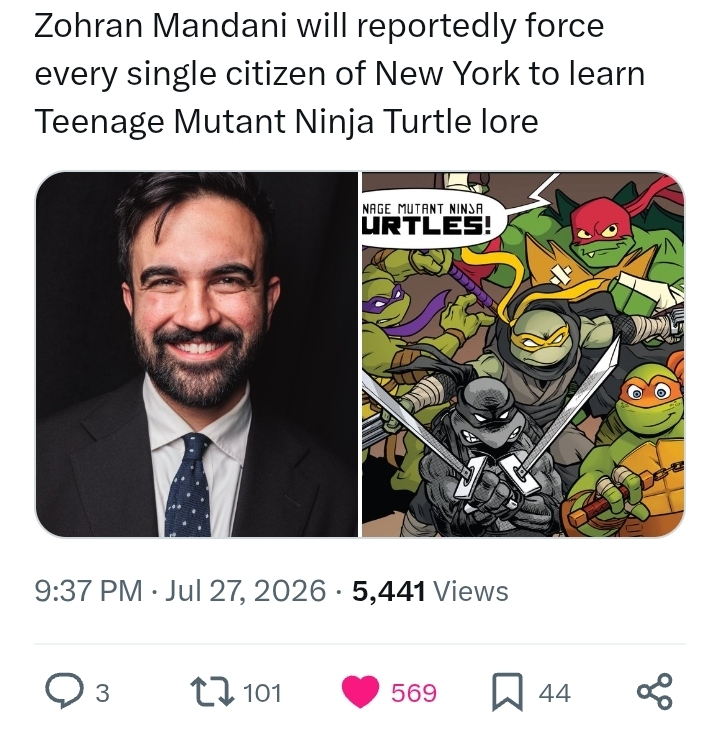
cross-posted from: lemmy.wtf/post/47948865
cross-posted from: lemmy.wtf/post/47948865