
0

A million data centre satellites will usher in a new era of space pollution

preview

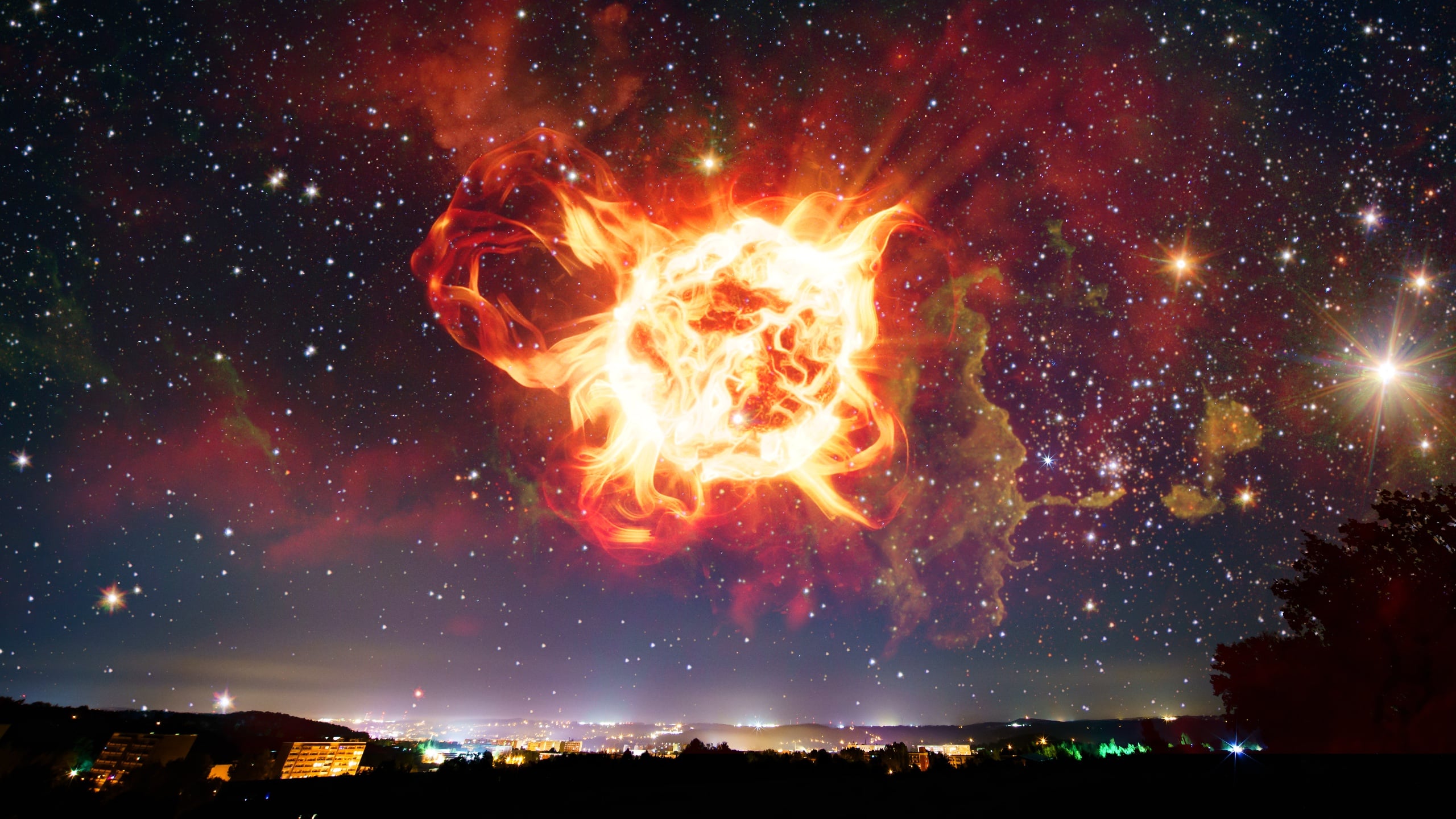
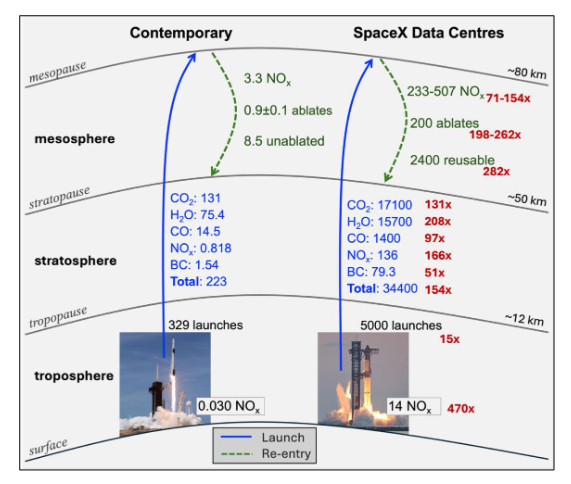
Let’s pretend that it was possible to do a data centre in space, for a minute. What would that do to the atmosphere?
image

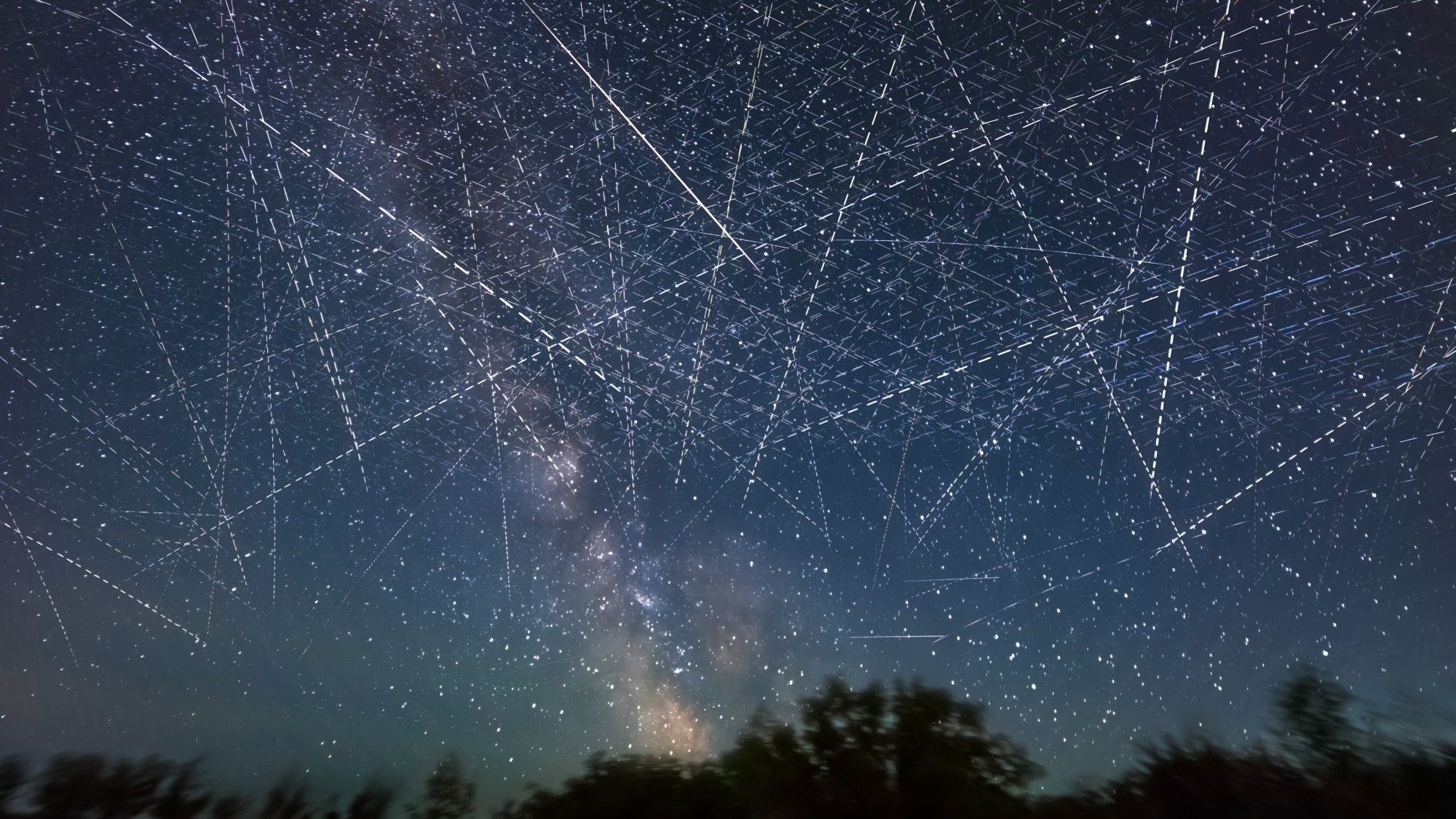
Related: here’s what it would do to the night sky: https://arxiv.org/pdf/2608.02757. Commentary by the author adds:

Many times more visible satellites than stars in the sky, and many of them brighter than most/all stars. This is a conservative estimate, SpaceX actually wants to make their satellites even bigger than we modelled.

Oh and:

“Fortunately,” even with the most generous possible assumptions on sizes, stationkeeping, and collision avoidance maneuvers, and ignoring ALL OTHER SATELLITES AND DEBRIS, this megaconstellation is above the runaway collision threshold all by itself and would put us into full, fast-timescale Kessler Syndrome. https://arxiv.org/pdf/2607.29644

Let’s pretend that it was possible to do a data centre in space, for a minute. What would that do to the atmosphere?

image

Related: here’s what it would do to the night sky: https://arxiv.org/pdf/2608.02757. Commentary by the author adds:

Many times more visible satellites than stars in the sky, and many of them brighter than most/all stars. This is a conservative estimate, SpaceX actually wants to make their satellites even bigger than we modelled.

Oh and:

“Fortunately,” even with the most generous possible assumptions on sizes, stationkeeping, and collision avoidance maneuvers, and ignoring ALL OTHER SATELLITES AND DEBRIS, this megaconstellation is above the runaway collision threshold all by itself and would put us into full, fast-timescale Kessler Syndrome. https://arxiv.org/pdf/2607.29644
0

Voyager 1 has reached 1 light day from Earth!

preview

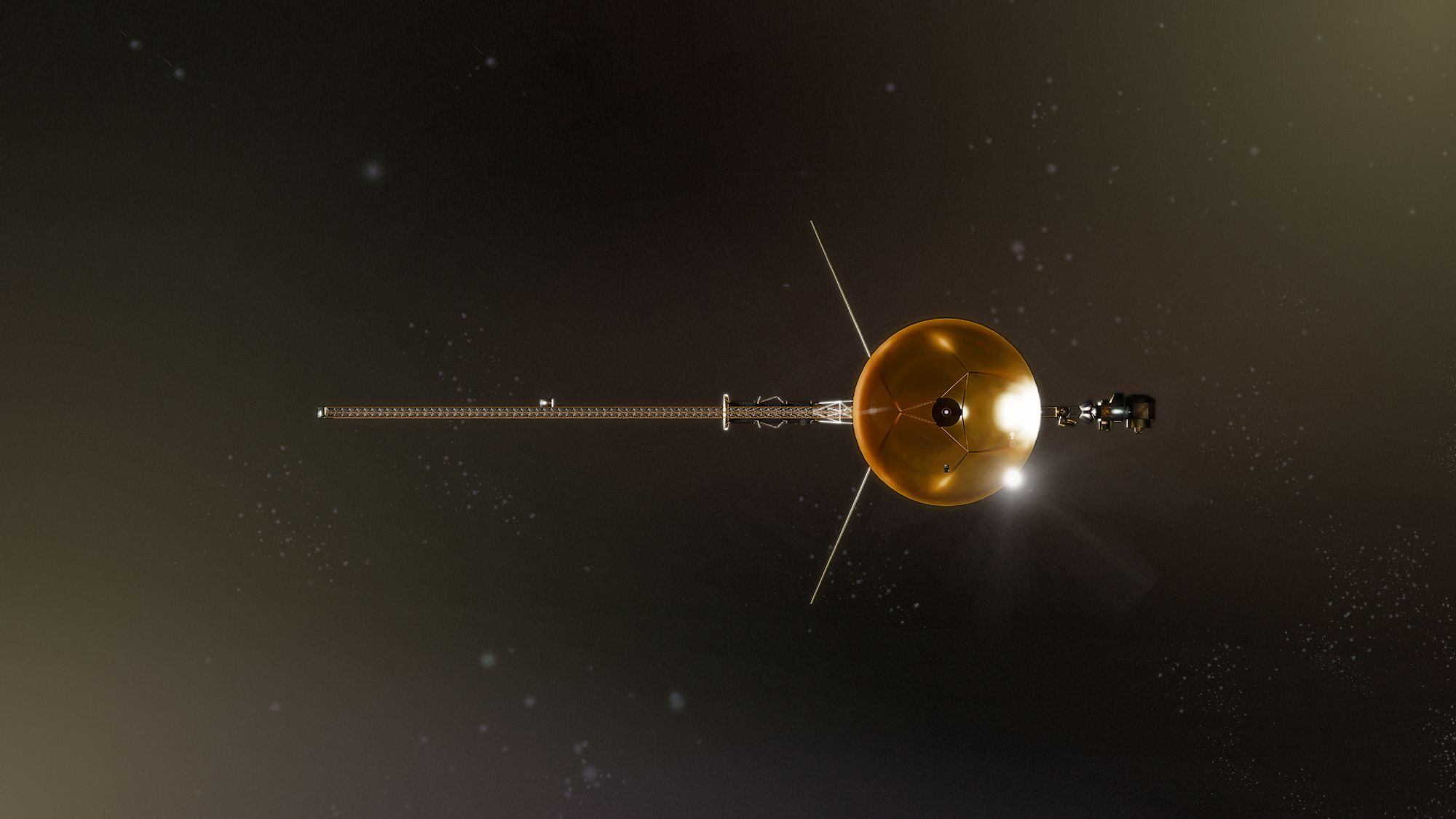
As of 5:16 EST (UTC-5), or 10:16 (UTC), Voyager 1 is now one light day away from Earth! It’s honestly amazing that, even after nearly 50 years, the Voyager probes are still operational AND are still communicating information to Earth :D

If you didn’t know, Voyager 1 and 2 were the first manmade objects to have reached interstellar space, and they explored the outer Solar System planets. Voyager 1 famously captured the first Solar System family portrait, as well as the “Pale Blue Dot” picture.

Voyager 1 explored Jupiter and Saturn, as well as a flyby of Titan, Saturn’s largest moon, while Voyager 2 explored all four giant planets (and remains the only probe to have done a close flyby of Uranus and Neptune). In less than a year, both probes will celebrate their 50 year anniversary since launch in 1977!

One light day is the distance that a photon travels in 24 hours, and the nearest stars are light years away. Space is very big indeed. It is still so incredible the things humanity has achieved!

https://science.nasa.gov/mission/voyager/voyager-1/voyager-1-what-is-a-light-day/

0

Satellites now outnumber the visible stars above most towns

Space Satellites now outnumber the visible stars above most towns www.space.com
preview

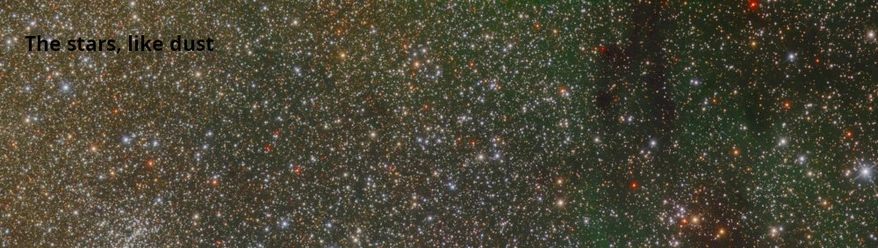
More than 700 satellites are crossing the sky over an average mid-latitude town at any moment of the night, outnumbering in many cases the stars visible to the naked eye.

More than 700 satellites are crossing the sky over an average mid-latitude town at any moment of the night, outnumbering in many cases the stars visible to the naked eye.

0

Nuclear bomb in space would disable 98 per cent of satellites within a week

ScienceAlert Study Shows a Single Nuclear Blast Could Disable 99% of Satellites in a Matter of Days www.sciencealert.com
preview

Just one nuclear explosion in space would have global and long-lasting repercussions, disabling almost every satellite and creating technological chaos from which it would take years to recover, warn experts

Just one nuclear explosion in space would have global and long-lasting repercussions, disabling almost every satellite and creating technological chaos from which it would take years to recover, warn experts

0

NASA's interstellar Voyager 1 probe is about to reach 1 light-day from Earth after nearly 50 years in space

Space NASA's interstellar Voyager 1 probe is about to reach 1 light-day from Earth after nearly 50 years in space www.space.com
preview

NASA’s long-running interstellar Voyager 1 probe will mark one light-day of distance from Earth on Nov. 18, when the spacecraft is 49 years, two months and 11 days old.

NASA’s long-running interstellar Voyager 1 probe will mark one light-day of distance from Earth on Nov. 18, when the spacecraft is 49 years, two months and 11 days old.

0

Rocket from Boeing-Lockheed firm fails mid-flight, destroys payload of Amazon satellites

preview
  • Vulcan rocket failure occurred 10 minutes into flight, cause not clear
  • 40 Amazon satellites lost in latest setback for company’s deployment schedule
  • Mishap marks ULA’s first mission failure in 20-year history
  • Vulcan rocket failure occurred 10 minutes into flight, cause not clear
  • 40 Amazon satellites lost in latest setback for company’s deployment schedule
  • Mishap marks ULA’s first mission failure in 20-year history
0

SpaceX’s Starship nails a smooth return with historic catch

Al Jazeera SpaceX’s Starship nails a smooth return with historic catch www.aljazeera.com
preview

SpaceX Starship made a triumphant return to Earth, caught midair by giant mechanical ‘chopsticks’. Pretty crazy how they do it in mid-air instead of having it land on the ground.

SpaceX Starship made a triumphant return to Earth, caught midair by giant mechanical ‘chopsticks’. Pretty crazy how they do it in mid-air instead of having it land on the ground.

0

Hera spies a half-hidden asteroid moonlet

ESA: TBD Hera spies a half-hidden asteroid moonlet www.esa.int
preview

Another early preview of the Didymos binary asteroid system from ESA’s Hera mission for planetary defence. Acquired from 56 km away, this image shows one face of the main 780-m-diameter Didymos asteroid. A small part of its 151-m-diameter Dimorphos moonlet is also visible, peeking out from near the top of Didymos.

Another early preview of the Didymos binary asteroid system from ESA’s Hera mission for planetary defence. Acquired from 56 km away, this image shows one face of the main 780-m-diameter Didymos asteroid. A small part of its 151-m-diameter Dimorphos moonlet is also visible, peeking out from near the top of Didymos.

0

Japan's AI robots are preparing for life on the Moon

Japan's AI robots are preparing for life on the Moon www.bbc.com
preview

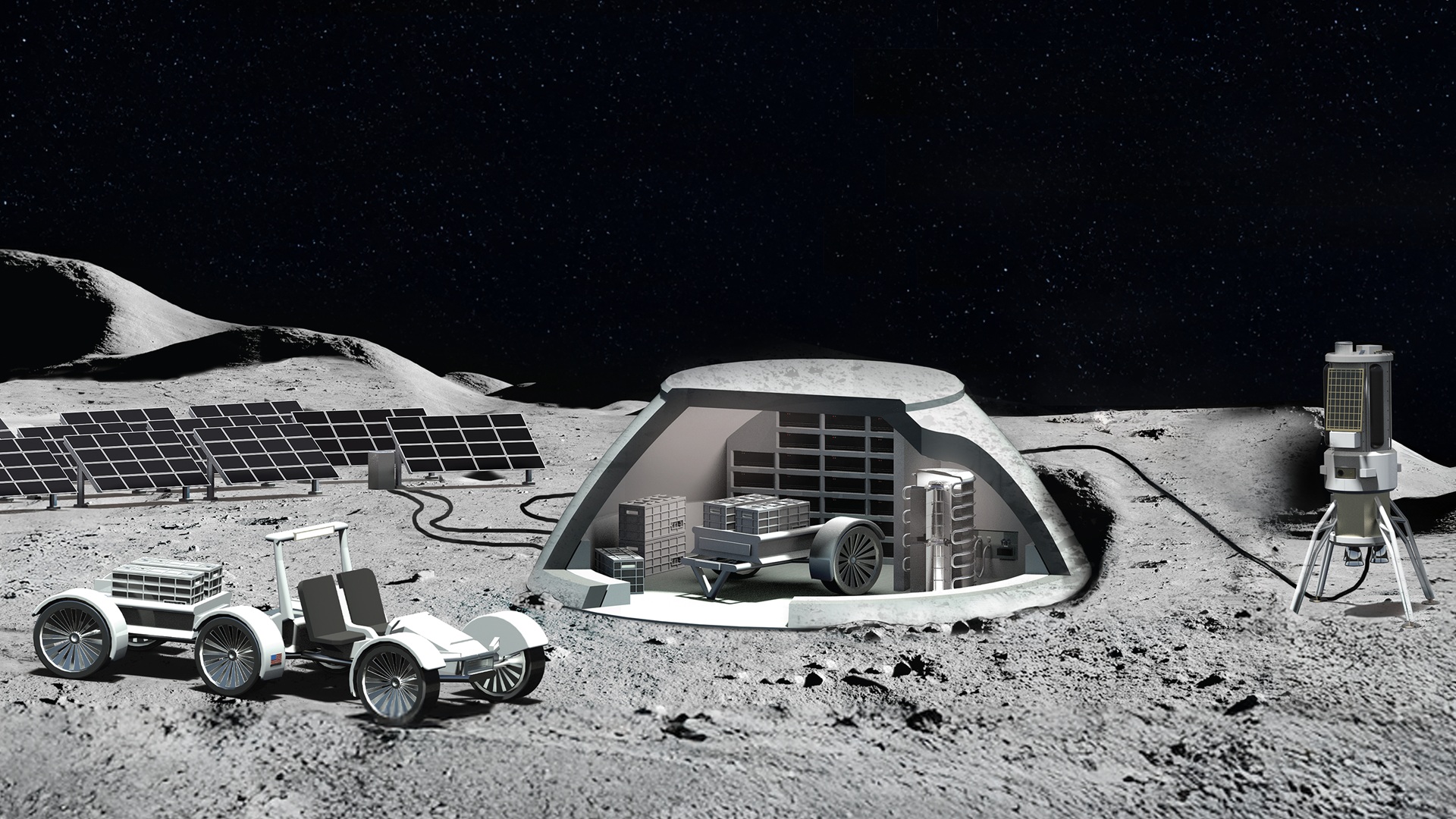
Japan’s space robotics experts are developing autonomous AI-powered robots that can navigate lunar terrain, assemble solar power stations and help build future Moon bases. By learning to make decisions independently, these machines could overcome communication delays from Earth and pave the way for humans to live beyond our planet.

Japan’s space robotics experts are developing autonomous AI-powered robots that can navigate lunar terrain, assemble solar power stations and help build future Moon bases. By learning to make decisions independently, these machines could overcome communication delays from Earth and pave the way for humans to live beyond our planet.

0

Want to live on the moon? NASA opens recruitment for Artemis programme

France 24 Want to live on the moon? NASA opens recruitment for Artemis programme www.france24.com
preview

NASA is expanding its astronaut corps for the first time in two years. As the US space agency grows its Artemis programme, recruitment is in progress for a brand-new class of space explorers who will train to “live and work beyond Earth”.

NASA is expanding its astronaut corps for the first time in two years. As the US space agency grows its Artemis programme, recruitment is in progress for a brand-new class of space explorers who will train to “live and work beyond Earth”.

0

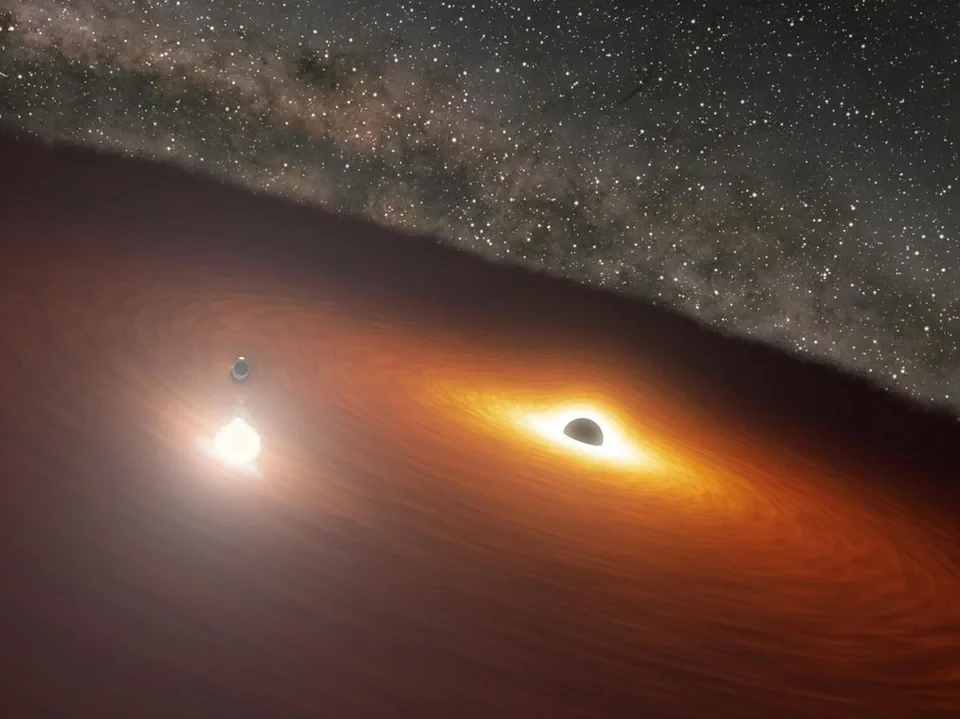
The "OJ287" binary blackhole system, with an ultramassive blackhole so large, it covers our solar system from Sun to Pluto 9 times over. [4 pics and info]

4
preview

Just liberating this one from the EE. All I can do is gape and wonder, myself.

Primary Black Hole: Approximately 18.35 billion solar masses, with an estimated event horizon diameter of 724 AU — nearly 18 times Pluto’s average orbital distance from the Sun. Secondary Black Hole: Approximately 150 million solar masses, with an estimated event horizon diameter of 5.9 AU.

Comparison with Sagittarius A*: The supermassive black hole at the center of the Milky Way has approximately 4.3 million solar masses. OJ 287’s primary is roughly 4,270 times more massive, while its secondary is about 35 times more massive.

Two black holes, with a combined mass exceeding 18.5 billion Suns.

https://en.wikipedia.org/wiki/OJ_287

“Crazy to think it orbits at 10% speed of light, and even faster when it gets closer to the primary blackhole.”

0

Gigantic chasm on Mars is still tectonically active

Live Science Largest canyon ever discovered is shifting in strange ways www.livescience.com
preview

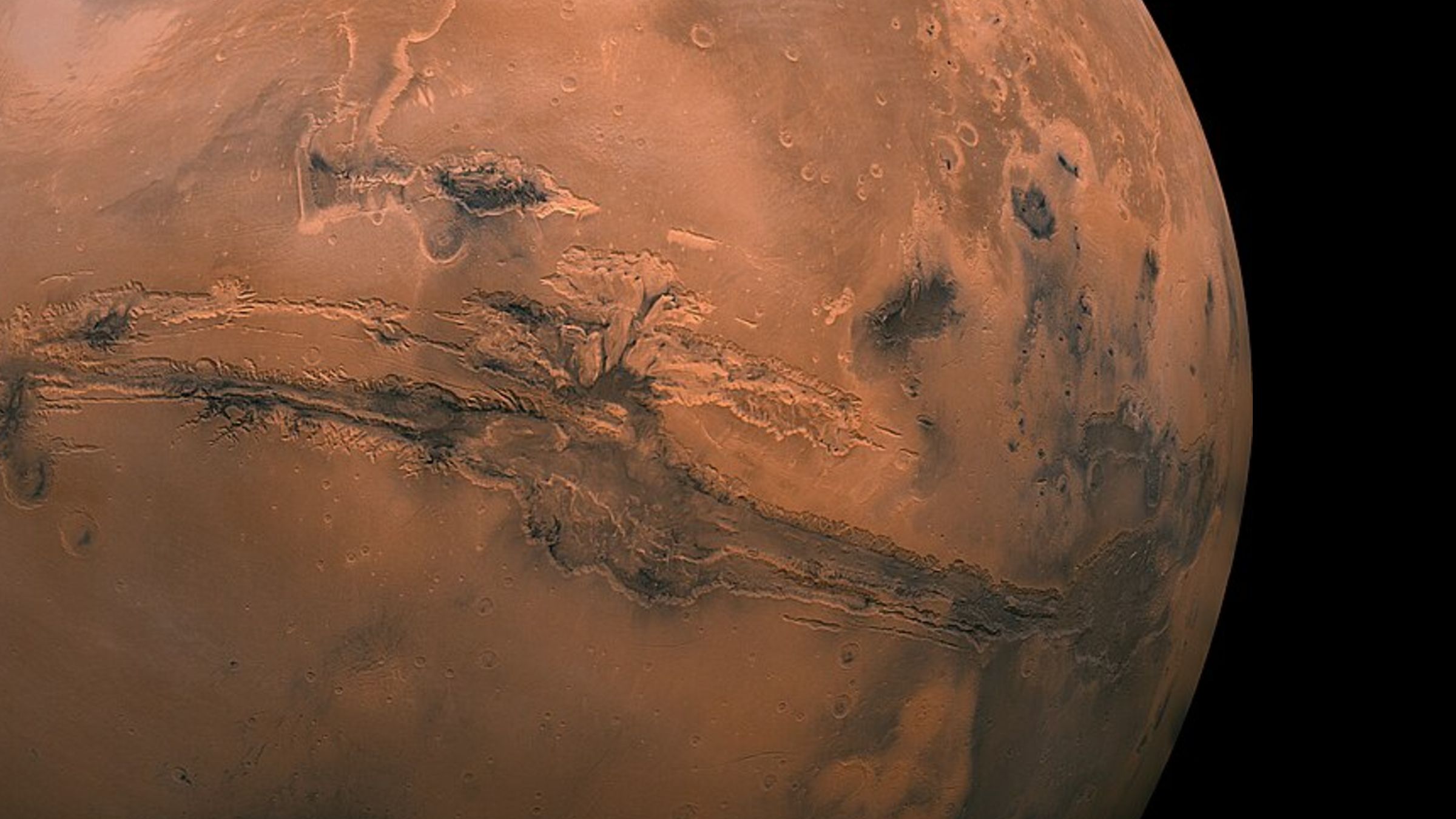
New research shows that a powerful 2021 marsquake emanating from Valles Marineris — the largest canyon in the solar system — was triggered by unexpected movement in a fault line deep below the gigantic structure, revealing that tectonic activity can still occur on geologically “dead” worlds.

New research shows that a powerful 2021 marsquake emanating from Valles Marineris — the largest canyon in the solar system — was triggered by unexpected movement in a fault line deep below the gigantic structure, revealing that tectonic activity can still occur on geologically “dead” worlds.

0

Unannounced Test by Controversial “Sunlight-as-a-Service” Space Startup Shocks Astronomers

Futurism Unannounced Test by Controversial “Sunlight-as-a-Service” Space Startup Shocks Astronomers futurism.com
preview

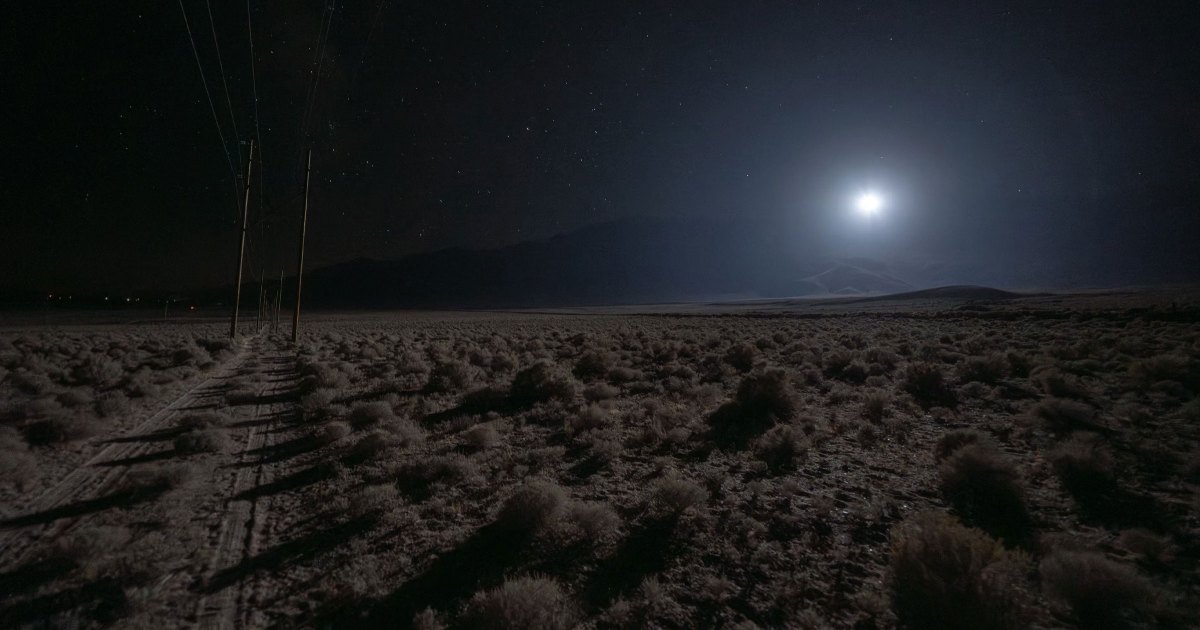
“Sunlight-as-a-serivce” space startup Reflect Orbital lit up a mountainside in the California desert, shocking astronomers.

“Sunlight-as-a-serivce” space startup Reflect Orbital lit up a mountainside in the California desert, shocking astronomers.

0

Scientists have found the complete set of all 5 DNA and RNA nucleobases on Asteroid Ryugu

ScienceDaily All 5 genetic “letters” of DNA and RNA discovered in a 4.5-billion-year-old asteroid www.sciencedaily.com
preview

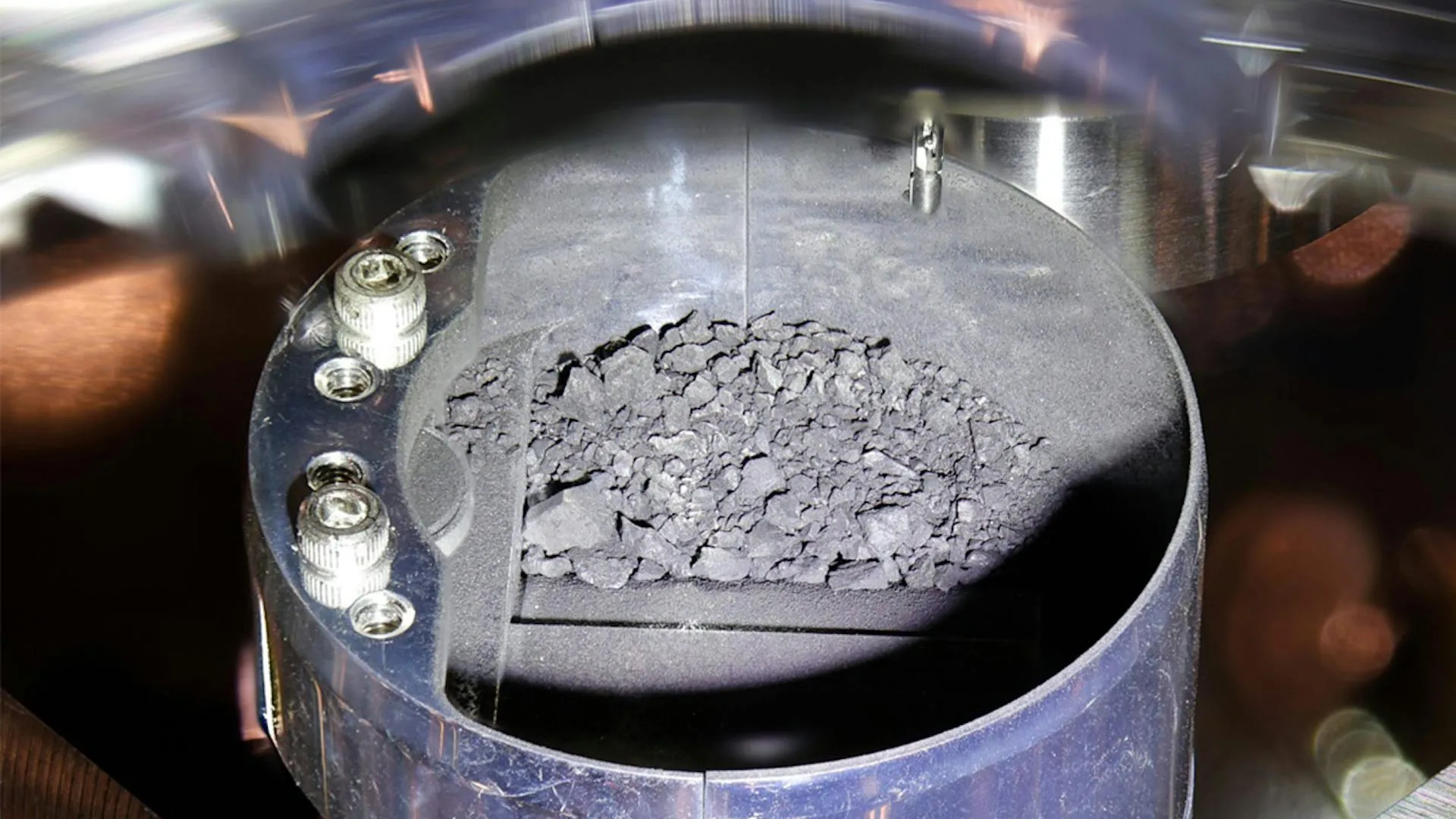
tldr: five main nucleobases are adenine and guanine (known as purines), as well as cytosine, thymine and uracil (known as pyrimidines) on something older than earth

cross-posted from: https://sopuli.xyz/post/54208679

(it was posted to !space@mander.xyz which is a dead instance)

tldr: five main nucleobases are adenine and guanine (known as purines), as well as cytosine, thymine and uracil (known as pyrimidines) on something older than earth

cross-posted from: https://sopuli.xyz/post/54208679

(it was posted to !space@mander.xyz which is a dead instance)

0

A ghostly feline shape emerges from the clouds of the Carina Nebula

preview

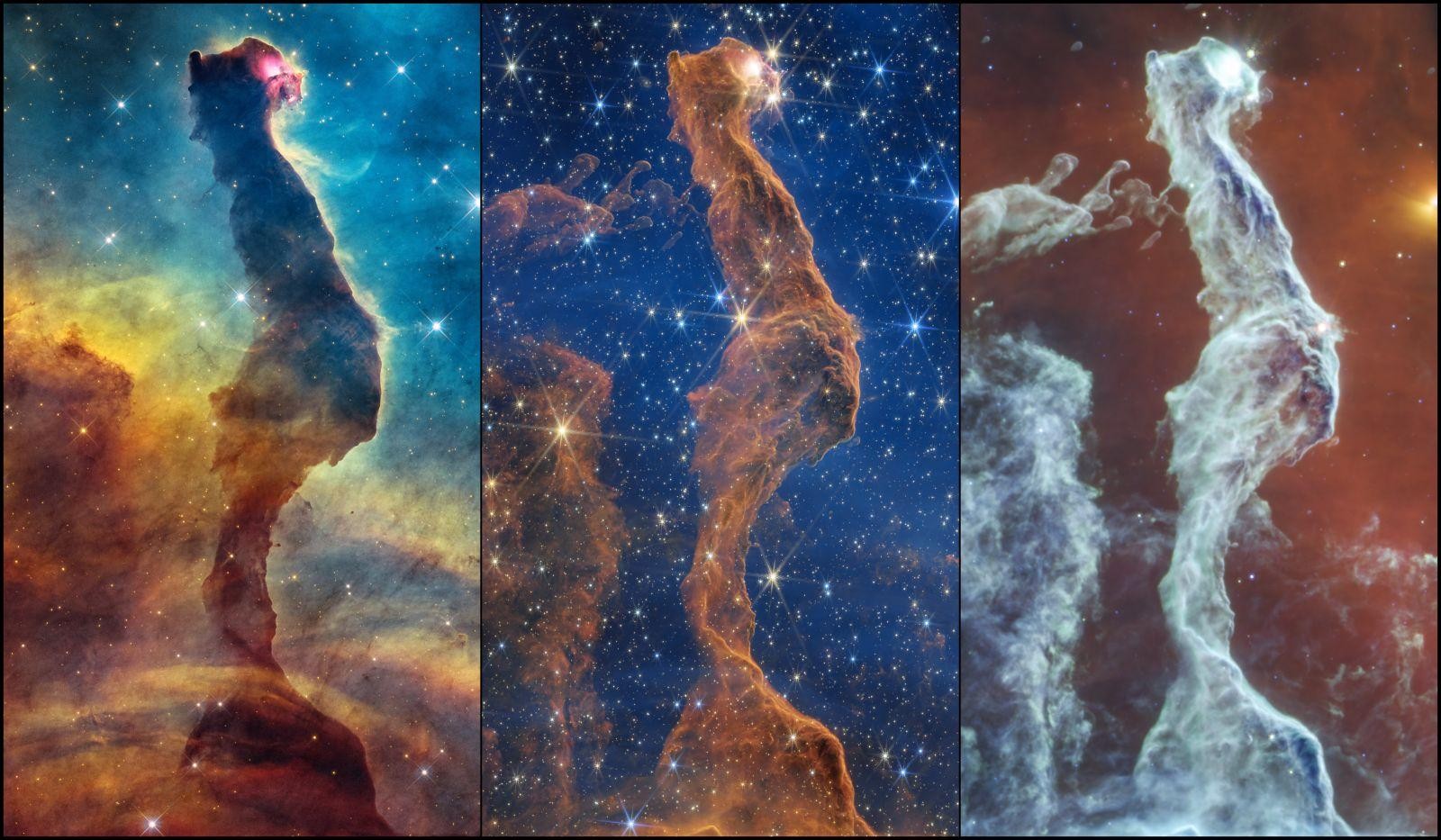
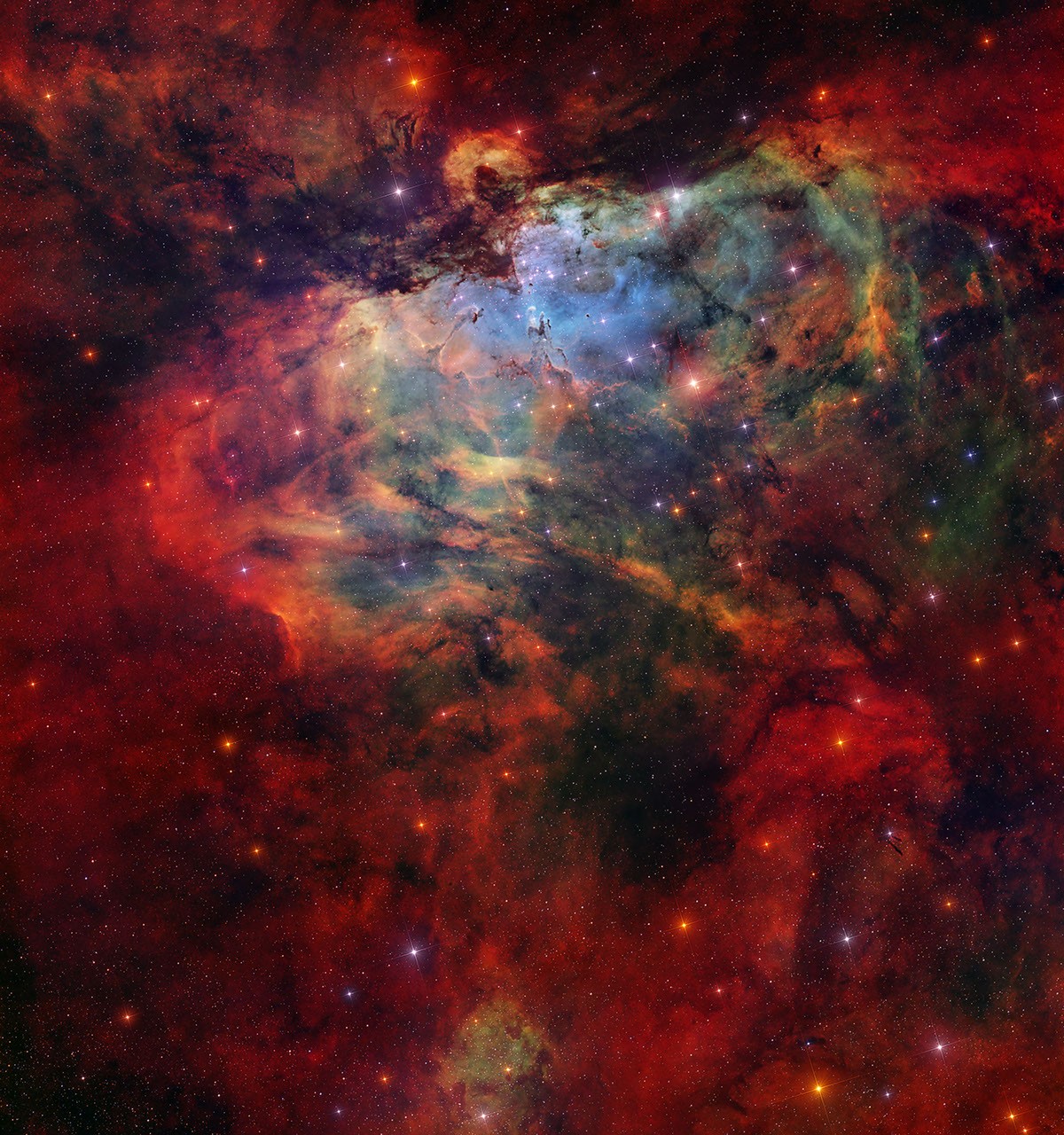
Located approximately 7,500 light-years from Earth, this region of gas and dust resembles a cat sitting with its back toward us, its head turned to reveal a glowing eye. Intense ultraviolet radiation and powerful winds from nearby massive stars likely sculpted its unusual shape. Credit: NASA, ESA, CSA, STScI

Located approximately 7,500 light-years from Earth, this region of gas and dust resembles a cat sitting with its back toward us, its head turned to reveal a glowing eye. Intense ultraviolet radiation and powerful winds from nearby massive stars likely sculpted its unusual shape. Credit: NASA, ESA, CSA, STScI

0

Astronomers found a mysterious object beyond Neptune, and it could be a new dwarf planet

preview

ED138, a newly discovered dwarf planet candidate, could join a group of only five other recognized objects that includes our solar system’s former ninth planet.

ED138, a newly discovered dwarf planet candidate, could join a group of only five other recognized objects that includes our solar system’s former ninth planet.

0

NASA has laid out a 14-day schedule for its upcoming Artemis III mission, set to lift off in summer 2027

Space NASA lays out plan for Artemis 3 moon-lander test flight — but when will it launch? www.space.com
preview

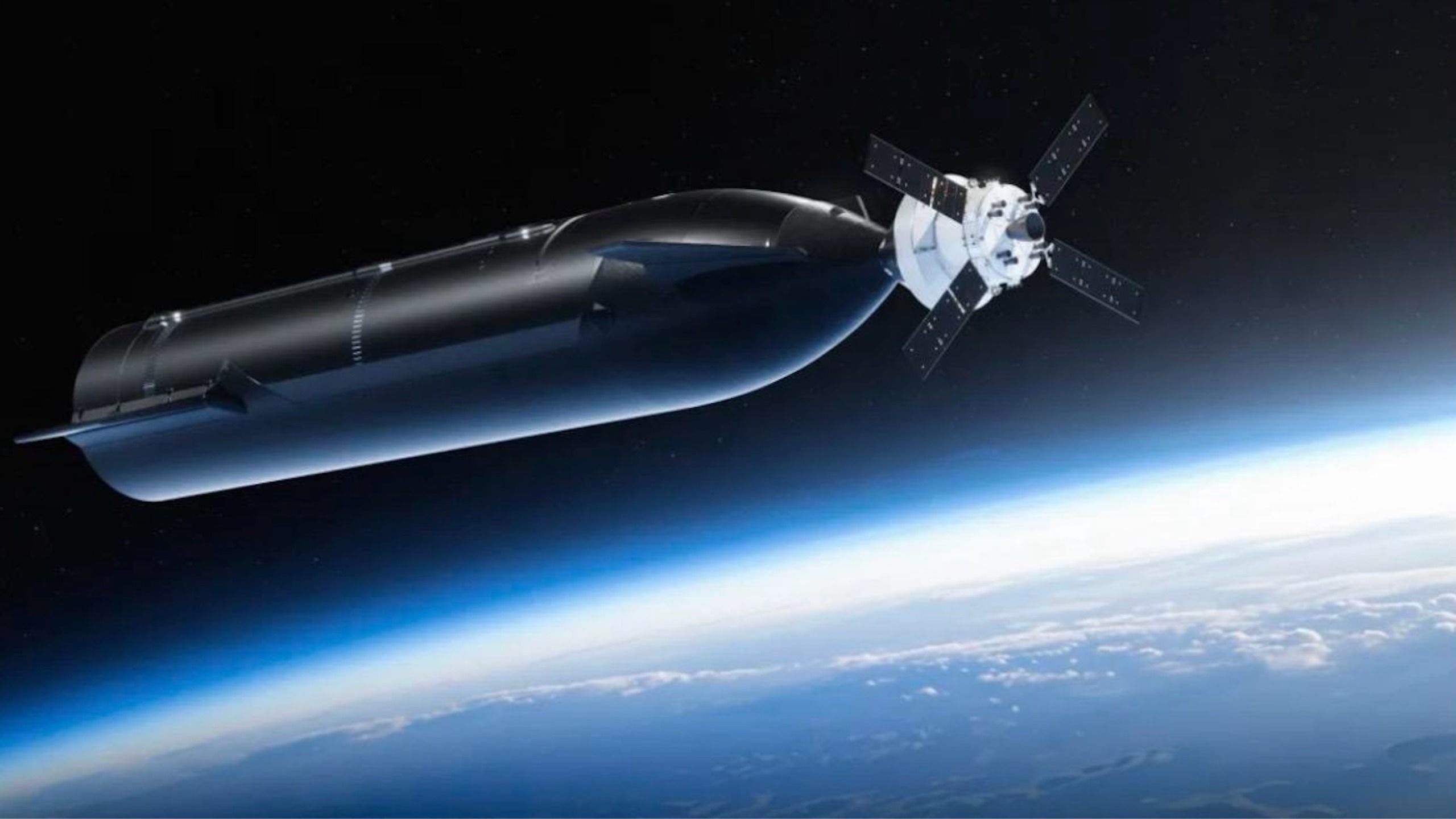
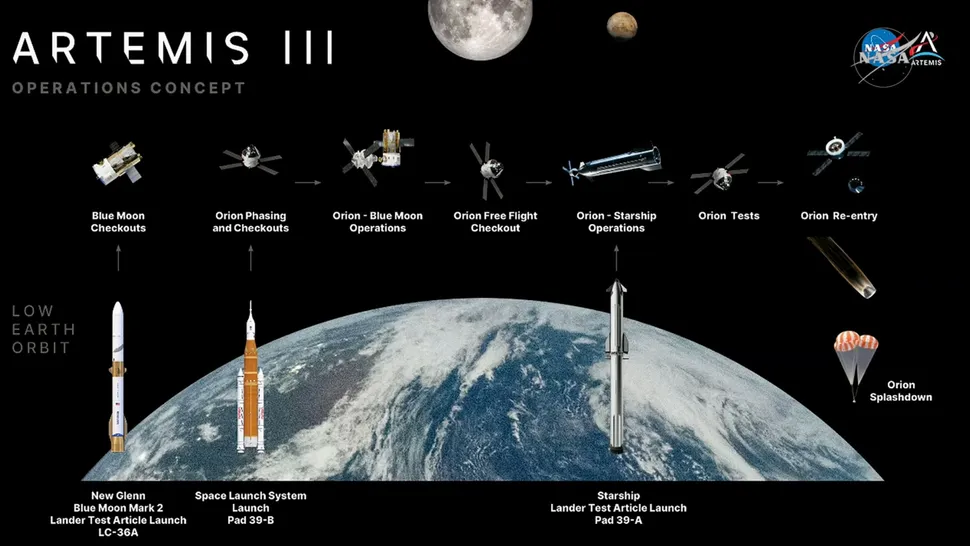
NASA just gave us our best look yet at its Artemis III moon-lander test flight, which is scheduled to launch to Earth orbit next year.

“We’re launching three of the most powerful rockets in the world, and undertaking what is likely the most complicated launch campaign ever undertaken,” Jeremy Parsons, NASA’s Artemis program manager, said during today’s event, which lasted more than two hours.

launches

0

Newly identified green star leaves astronomers amazed

preview

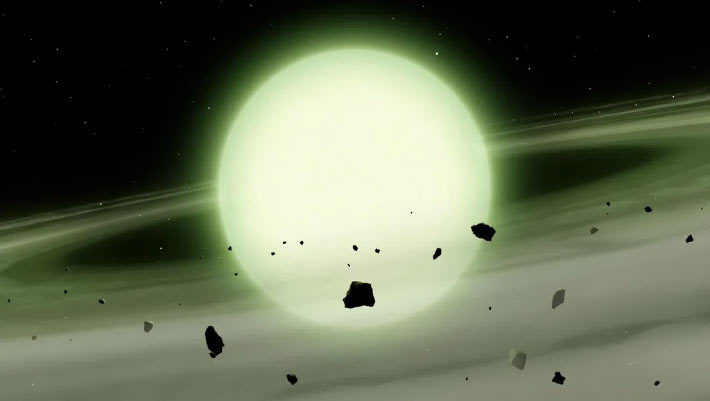
Astronomers for the first time have identified a green star, documenting a dense stellar remnant called a white dwarf that became a ghostly shade of chartreuse after ingesting rocky ​debris from planets that once had orbited it.

Astronomers for the first time have identified a green star, documenting a dense stellar remnant called a white dwarf that became a ghostly shade of chartreuse after ingesting rocky ​debris from planets that once had orbited it.

0

Japan's MMX mission set to bring back a piece of Mars's moon Phobos

Japan's MMX mission set to grab a piece of Mars's moon Phobos www.bbc.com
preview

A spacecraft is set to launch on an ambitious mission to bring 10g of Martian moon dust back to Earth.

A spacecraft is set to launch on an ambitious mission to bring 10g of Martian moon dust back to Earth.

0

White dwarfs are white, but some are green, pink or vivid blue

Sci.News: Breaking Science News White Dwarfs Really are White, But Few are Green, Pink or Vivid Blue | Sci.News www.sci.news
preview

“It turns out these incredibly dense stars can produce colors nobody expected, and some of them genuinely surprised me.”

“It turns out these incredibly dense stars can produce colors nobody expected, and some of them genuinely surprised me.”

0

Astronomers May Have Found the First Direct Hint of Planet Nine

ZME Science Astronomers May Have Found the First Direct Hint of Planet Nine www.zmescience.com
preview

Last time I remember reading about Planet X / Planet 9, it was hypothesized to exist so far out in Sol’s orbital range that it was extremely difficult to spot via conventional telescope technology of all types. Moreso that it kept showing up in mathematical equations of the Solar system, necessary to balance out… I think it was certain orbital eccentricities of the outer gas giants and Mickey Mouse’s pet dog, IIRC.

I always believed in you, Racer X Planet 9!

https://static.wikia.nocookie.net/speedracer/images/5/5f/1362263-racer_x.jpg

0

Margaret Hamilton, whose software helped land Apollo astronauts on the moon, has died

preview

Remember this iconic photo?

Margaret Hamilton with source code for Apollo

https://news.mit.edu/2016/scene-at-mit-margaret-hamilton-apollo-code-0817

Remember this iconic photo?

Margaret Hamilton with source code for Apollo

https://news.mit.edu/2016/scene-at-mit-margaret-hamilton-apollo-code-0817

0

Gravastars explained-- these can't possibly be real, right?

play · youtube.com
YouTube Black Hole's Evil Twin - Gravastars Explained www.youtube.com
preview

I mean… they just seem so ridoinkulous and non-relatable. (like WTF?)

One thing that kind of impressed me though is the counterpart (older) idea that Black Holes themselves were just a dubious hypothesis not so long ago. Altho based on tippy-top astrophysics and math, their idea and more information was nevertheless needed to build a stronger case.

Today, black holes are considered… what, something like a good little fundamental firmament of the cosmos?

What I found interesting here is that… maybe some of terrifying entities we considered “black holes” are actually gravastars. Because they both seem to behave in certain ways, especially in terms of sucking up matter. But these “Gravastars”… surely they’re nothing but a fever dream, nightmare, right?

0

Astronomers detect possible planet born from a dead star’s ashes

preview

Astronomers have observed a handful of such first-generation survivors revolving around white dwarfs, but never before have they recorded a so-called second-generation planet - an entirely new world made from a dead star’s debris.

“What’s interesting about planets orbiting close to white dwarfs is that because white dwarfs cool over time, their habitable zone is very stable. A second-generation planet could form and then be in the habitable zone for tens of billions of years,” Williams said.

0

A pair of spacecraft draw closer to Mercury after nearly decade-long voyage

preview

If all goes well, the conjoined spacecraft known as BepiColombo will enter orbit around Mercury in November and split from each other in December to map and study the entire planet from different altitudes.

If all goes well, the conjoined spacecraft known as BepiColombo will enter orbit around Mercury in November and split from each other in December to map and study the entire planet from different altitudes.

0

Hydrogen fuel cell built to work without air targets future Moon bases

Interesting Engineering Hydrogen fuel cell built to work without air targets future Moon bases interestingengineering.com
preview

Hydrogen fuel cell system will advance from TRL 5 to TRL 7 to provide reliable power for lunar and deep-space missions.

Hydrogen fuel cell system will advance from TRL 5 to TRL 7 to provide reliable power for lunar and deep-space missions.

0

Are we living inside a black hole? (it might explain some things!)

play · youtube.com
YouTube This Black Hole Could be Bigger Than The Universe www.youtube.com
preview

This is probably my favorite Kurzgesagt video, and as usual, 99% of the science is way over my head. I must also admit that this is one of those rare series (hello podcasts, love ya, but…) that uses a professional narrator to communicate. 🥳

Anyway, I like this set of hypotheses for ~three reasons–

1) The fundamental idea that the more massive a black hole is, the thinner it’s composite material, fascinates me. And that our own universe’s density of known matter matches very well against that idea. (our own universe, materially-speaking, is largely a soup of nothingness)

2) Suddenly the ‘multi-verse’ idea of parallel universes (a beloved sci-fi notion) gains legs, but in an adjusted way– that it ranges vertically so to speak, rather than horizontally. (and of course it could always be both, or neither!)

3) Simply put– hierarchy. We see hierarchy all across nature in the simple, direct sense of ‘there’s always something a little smaller, and always something a little larger.’ Or much smaller / larger. And that’s only in the dimension of physical size, of course.

Anyway, I’m quite sure we’ll never get to the bottom of this hypothesis before we asplode ourselves (as we’re already doing, thanks Billionaires!), but something about me really loves this idea.

0

A star so close to the Milky Way’s black hole it feels its spin

play · youtube.com
YouTube A star so close to the Milky Way’s black hole it feels its spin www.youtube.com
preview

From post:

We thought this was the closest star to the black hole at the centre of the Milky Way, turns out we were wrong! It’s actually this one, S301. It’s 2 billion times fainter than the brightest stars in the night sky, it comes closer to the black hole at the centre than Uranus does to the Sun, travelling at 25,000 km/s - that’s 8% of the speed of light!

But it’s not getting torn apart, or sucked in. It’s on a stable orbit. And that is really, really good news for us astrophysicists. Because with this star we should be able to directly measure how fast the Milky Way’s black hole is spinning for the first time.

Because: mass, spin, and charge, those are the only three properties that black holes have. And we’ve only ever directly measured one of them for the black hole at the centre of the Milky Way.

But all that is about to change…

But why do we even care about spin? Well that’s something we’re going to dive into in this video, along with how we measure black hole spin including directly through the Lense Thirring effect, and how this newly discovered star holds the key to doing just that.

Papers mentioned:
GRAVITY collaboration (2026) - https://arxiv.org/pdf/2607.12664
Beckmann et al. (2024) - https://arxiv.org/pdf/2211.13614
Fabian et al. (2002) - https://arxiv.org/pdf/astro-ph/0206095
Reynolds & Fabian (2007) - https://arxiv.org/pdf/0711.4158
Smethurst et al. (2019) - https://arxiv.org/pdf/1909.01355
Smethurst et al. (2021) - https://arxiv.org/pdf/2108.05361

00:00 - Introduction
01:32 - I - Why we care about black hole spin
05:31 - II - How we measure black hole spin and the Lense-Thirring effect
10:24 - III - The newly discovered S301, the closest star to the Milky Way’s black hole
15:44 - Bloopers

Video filmed on a Sony ⍺7 IV Video edited by Martino Gasparrini: martino.freelance@gmail.com
Video produced by Marina Hui & Dr Becky Smethurst

0

Five night sky events to look out for this autumn

BBC News Five night sky events to look forward to this autumn www.bbc.co.uk
preview

From meteor showers to a November supermoon, there are a number of impressive sights to behold in the autumn night sky.

From meteor showers to a November supermoon, there are a number of impressive sights to behold in the autumn night sky.