
0
0
Live Science
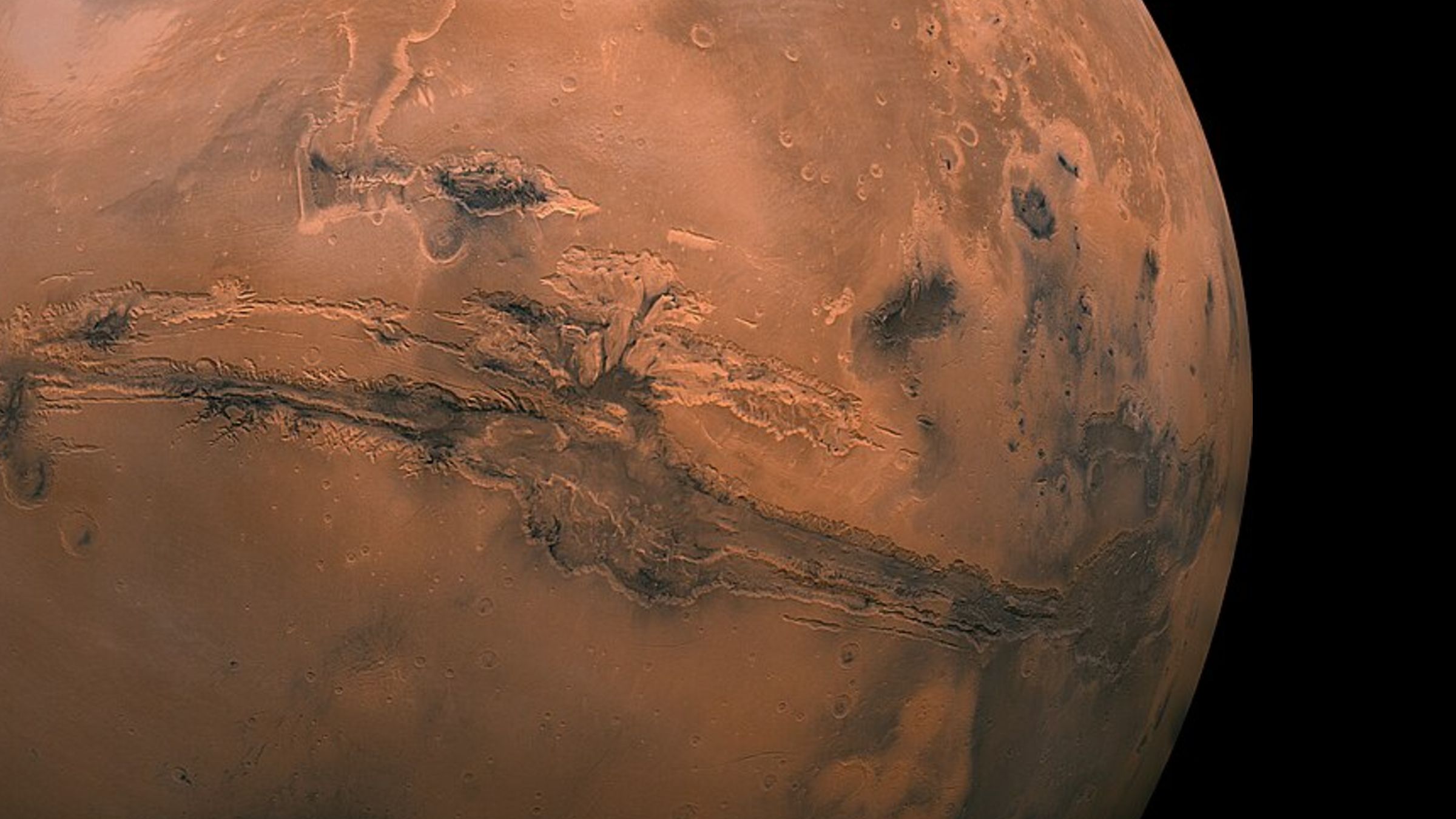
Largest canyon ever discovered is shifting in strange ways
www.livescience.com
posts tagged #space

This celestial panoramic captures Rigil Kentaurus, the primary component of the Alpha Centauri triple star system, alongside the dark nebula Sandqvist 169. Located approximately 4.3 light-years from Earth, Rigil Kentaurus provides a brilliant contrast to the dense, cool interstellar dust of the Sandqvist nebula, which resides hundreds of light-years further in the background. Such compositions allow astronomers to study the complex spatial relationships between nearby stellar neighbors and distant star-forming regions within the Milky Way.
#space #astronomy #astrophysics
@Space@lemmy.science.social @science@beehaw.org @science@lemmy.world @space@beehaw.org @space@lemmy.world @science@newsmast.community @space@newsmast.community @space@lemmy.ml #space #science #nasa #astronomy

This celestial composition captures a rare visual alignment between Comet 67P Churyumov Gerasimenko and the Crab Nebula M1. The image highlights the distinct evolutionary stages of cosmic objects, contrasting a primitive solar system body with the supernova remnant of a massive star. While the comet displays its characteristic coma and tail generated by sublimation, the Crab Nebula reveals a complex network of expanding filaments and a central pulsar. This perspective illustrates the depth of field in astronomical photography, showcasing the interaction between local planetary science and deep space phenomena.
#space #astronomy #astrophysics
@Space@lemmy.science.social @science@beehaw.org @science@lemmy.world @space@beehaw.org @space@lemmy.world @science@newsmast.community @space@newsmast.community @space@lemmy.ml #space #science #nasa #astronomy

The Rosette Nebula, also known as NGC 2237, is a vast star-forming region located approximately 5,000 light-years away in the constellation Monoceros. This celestial structure is an exemplary H II region, where intense ultraviolet radiation from a central cluster of young, hot stars ionizes the surrounding hydrogen gas, causing it to glow with a characteristic crimson hue. The intricate voids and filaments seen within the nebula are shaped by stellar winds and radiation pressure, providing astronomers with critical data on the lifecycle of massive stars and the evolution of molecular clouds in our galaxy.
#space #astronomy #astrophysics
@Space@lemmy.science.social @science@beehaw.org @science@lemmy.world @space@beehaw.org @space@lemmy.world @science@newsmast.community @space@newsmast.community @space@lemmy.ml #space #science #nasa #astronomy

The Triangulum Galaxy, documented as M33, serves as a primary laboratory for studying stellar evolution and the interstellar medium. High-resolution imaging reveals a complex network of ionized hydrogen clouds, known as HII regions, which trace the spiral structure of the galaxy. These gaseous nebulae are the birthplaces of massive stars, where intense ultraviolet radiation ionizes surrounding hydrogen gas to produce the distinct red emission observed across the galactic disk. Studying these structures allows astronomers to better understand the mechanisms of star formation and the chemical enrichment of galaxies within our Local Group.
#astronomy #space #astrophysics
@Space@lemmy.science.social @science@beehaw.org @science@lemmy.world @space@beehaw.org @space@lemmy.world @science@newsmast.community @space@newsmast.community @space@lemmy.ml #space #science #nasa #astronomy
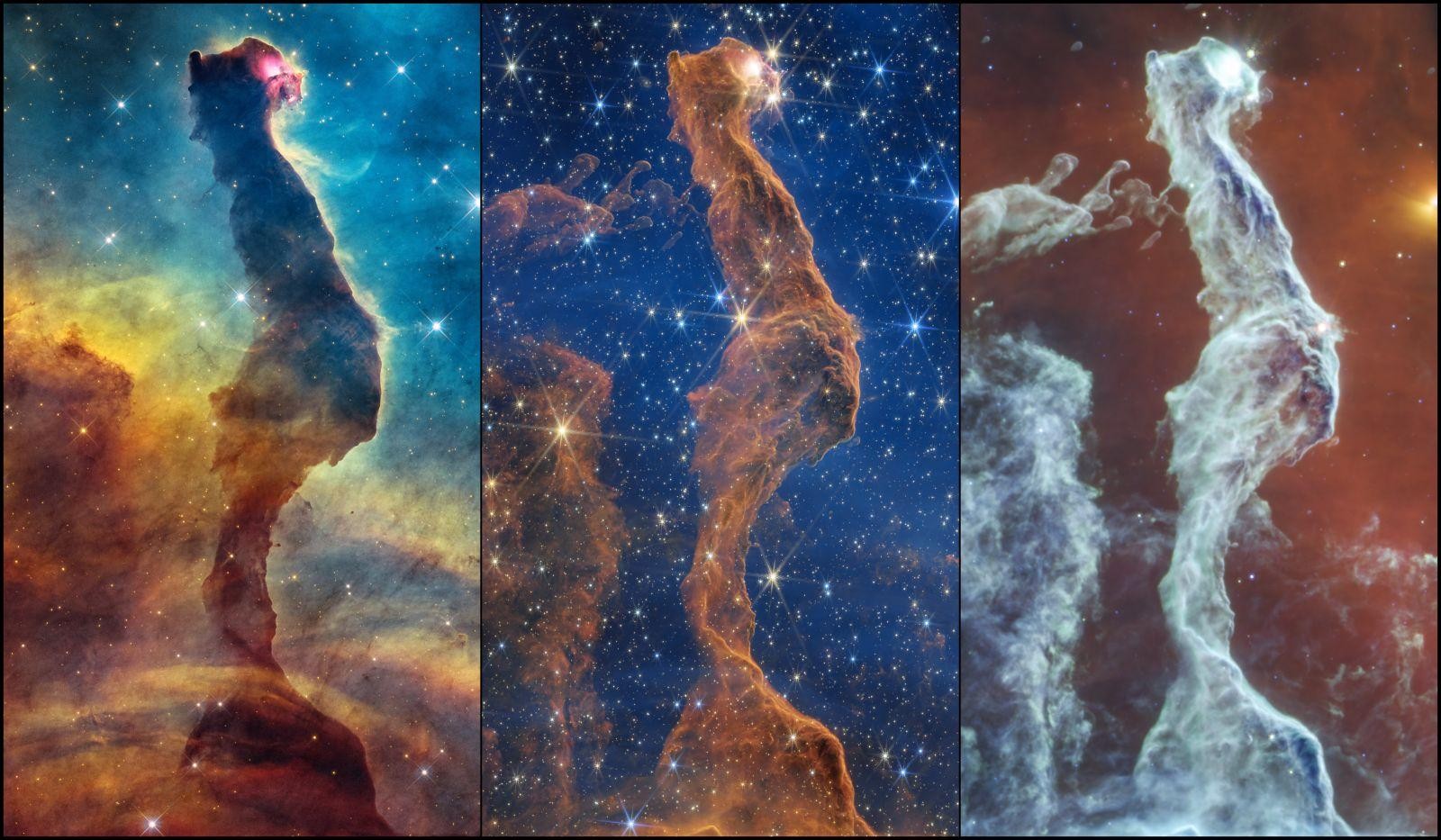
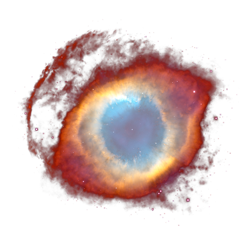
Located approximately 7,500 light-years from Earth, this region of gas and dust resembles a cat sitting with its back toward us, its head turned to reveal a glowing eye. Intense ultraviolet radiation and powerful winds from nearby massive stars likely sculpted its unusual shape. Credit: NASA, ESA, CSA, STScI
Located approximately 7,500 light-years from Earth, this region of gas and dust resembles a cat sitting with its back toward us, its head turned to reveal a glowing eye. Intense ultraviolet radiation and powerful winds from nearby massive stars likely sculpted its unusual shape. Credit: NASA, ESA, CSA, STScI

The first photograph of the Sun was taken on April 2, 1845, by French physicists Hippolyte Fizeau and Léon Foucault.
Using a 12 cm daguerreotype plate, they captured the image at approximately 9:45 a.m. with an exposure time of 1/60th of a second, successfully revealing distinct sunspots along with the edge of the solar disk.
@Space@lemmy.science.social @science@beehaw.org @science@lemmy.world @space@beehaw.org @space@lemmy.world @science@newsmast.community @space@newsmast.community @space@lemmy.ml #space #science #nasa #astronomy

The Panoramic Survey Telescope and Rapid Response System, known as Pan-STARRS, provides an unprecedented high-resolution map of the celestial sphere. Utilizing a 1.8-meter telescope and the world’s largest digital camera, the project monitors the sky for transient objects, cataloging billions of individual stars and galaxies to track cosmic variability. This ongoing survey is fundamental for identifying near-Earth asteroids and mapping the large-scale structure of our universe.
#space #astronomy #astrophysics
@Space@lemmy.science.social @science@beehaw.org @science@lemmy.world @space@beehaw.org @space@lemmy.world @science@newsmast.community @space@newsmast.community @space@lemmy.ml #space #science #nasa #astronomy

Solar luminosity remains a fundamental constant in our planetary system, providing the necessary thermal energy to sustain Earths biosphere. This image captures the continuous process of nuclear fusion within the solar core, illustrating how electromagnetic radiation travels across the vacuum of space to reach our atmosphere. Understanding the mechanics of solar output is essential for analyzing climate patterns and the overarching physics of our solar neighborhood.
#space #astronomy #astrophysics
@Space@lemmy.science.social @science@beehaw.org @science@lemmy.world @space@beehaw.org @space@lemmy.world @science@newsmast.community @space@newsmast.community @space@lemmy.ml #space #science #nasa #astronomy

Located approximately 600 light years from Earth, M44, professionally known as the Beehive Cluster, is one of the nearest open clusters to our solar system. This gravitationally bound group contains hundreds of stars, many of which share a common origin and age of roughly 600 million years. Observations of the Beehive Cluster are significant to the study of stellar evolution and the dynamics of galactic star populations. Studying such clusters allows astronomers to refine models of stellar life cycles by comparing stars of similar chemical composition and age.
#space #astronomy #astrophysics
@Space@lemmy.science.social @science@beehaw.org @science@lemmy.world @space@beehaw.org @space@lemmy.world @science@newsmast.community @space@newsmast.community @space@lemmy.ml #space #science #nasa #astronomy

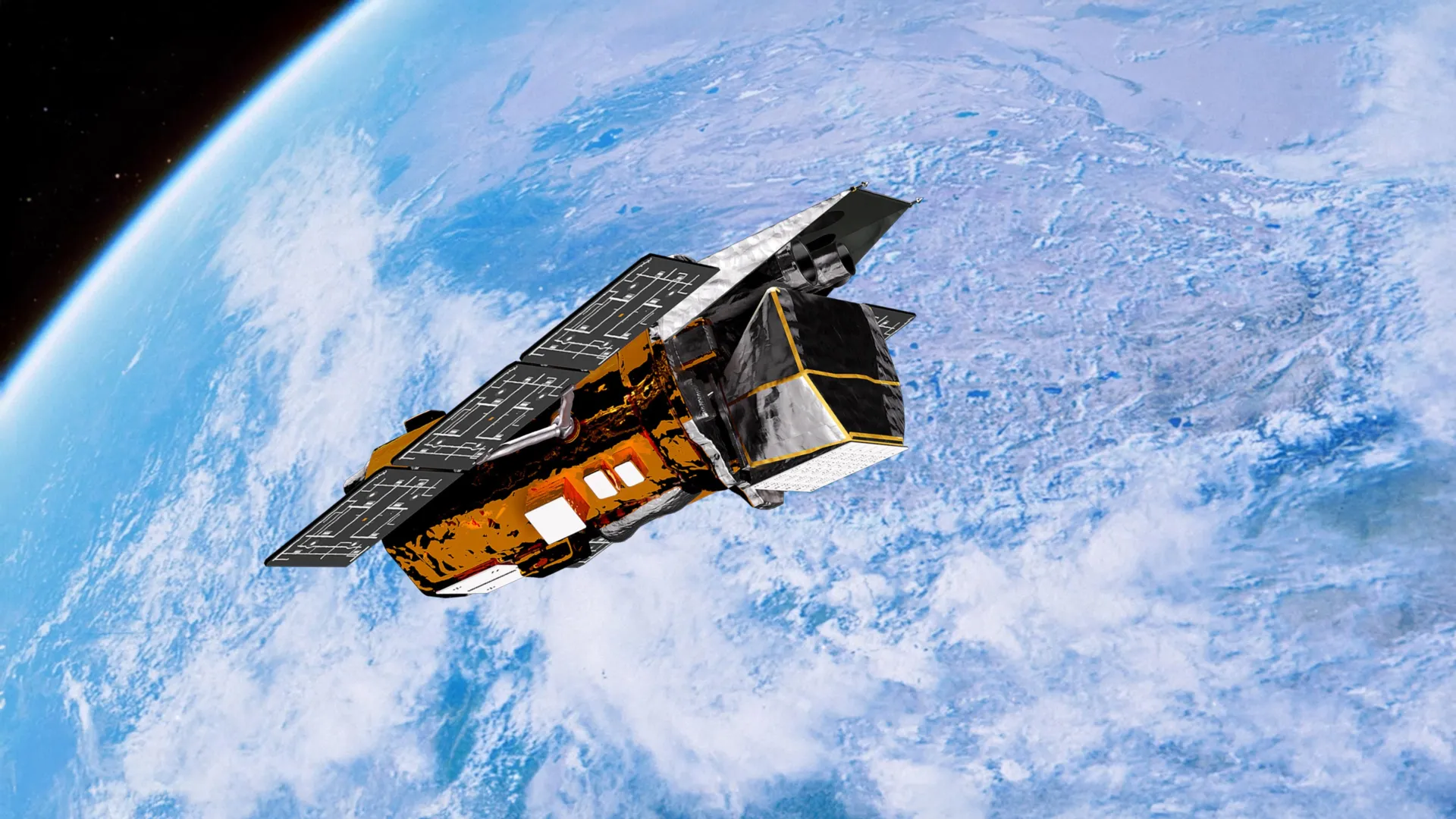
The Swift Observatory’s demise came less than three months after a long-shot rescue mission failed.
The U.S. Space Force confirmed Swift’s reentry near Indonesia after tracking its sinking orbit, the result of intense solar activity the past few years.
NASA hired a private company to whip together an orbit-boosting effort, but Katalyst Space’s three-armed robotic craft ran into trouble following its July launch and came crashing down in September.
It was not immediately known how much of the 1 ½-ton spacecraft burned up in the atmosphere. NASA anticipated some of the denser pieces surviving.

Sharpless 2-308, commonly known as the Dolphin Head Nebula, is an expansive H II region located approximately 5,200 light-years away in the constellation Canis Major. This cosmic bubble was formed by the intense stellar winds of a massive Wolf-Rayet star, designated WR 6, which is entering a brief but violent pre-supernova phase of stellar evolution. The distinct blue hue is the result of ionized oxygen atoms reacting to the extreme ultraviolet radiation emitted by the central star. Studying such nebulae provides critical insights into the lifecycle of massive stars and the chemical enrichment of the interstellar medium.
#space #astronomy #astrophysics
@Space@lemmy.science.social @science@beehaw.org @science@lemmy.world @space@beehaw.org @space@lemmy.world @science@newsmast.community @space@newsmast.community @space@lemmy.ml #space #science #nasa #astronomy


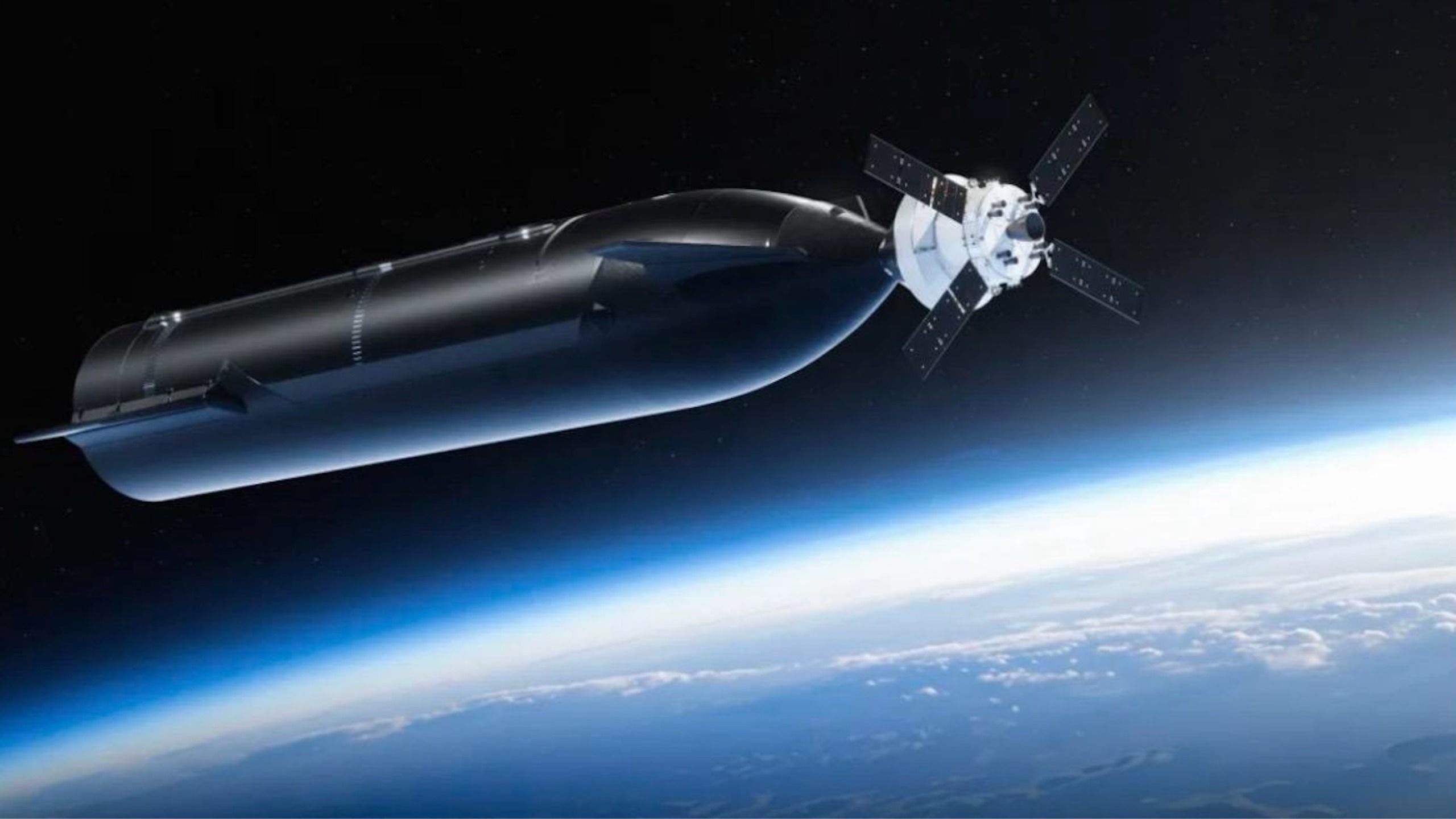
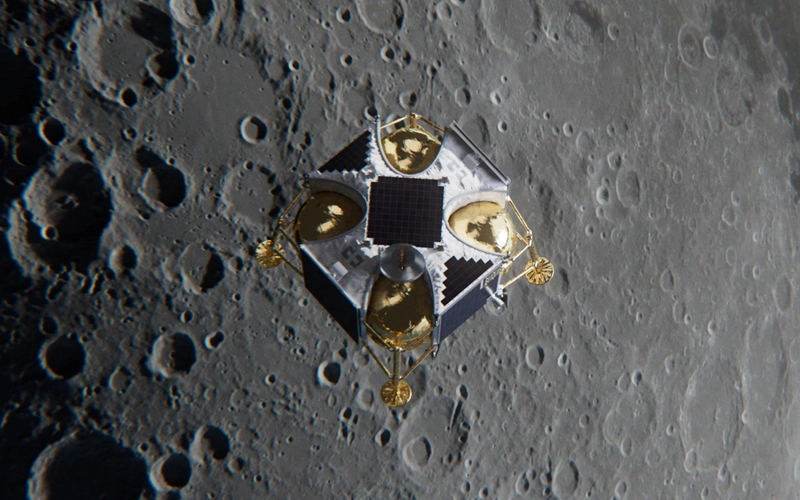
NASA just gave us our best look yet at its Artemis III moon-lander test flight, which is scheduled to launch to Earth orbit next year.
“We’re launching three of the most powerful rockets in the world, and undertaking what is likely the most complicated launch campaign ever undertaken,” Jeremy Parsons, NASA’s Artemis program manager, said during today’s event, which lasted more than two hours.
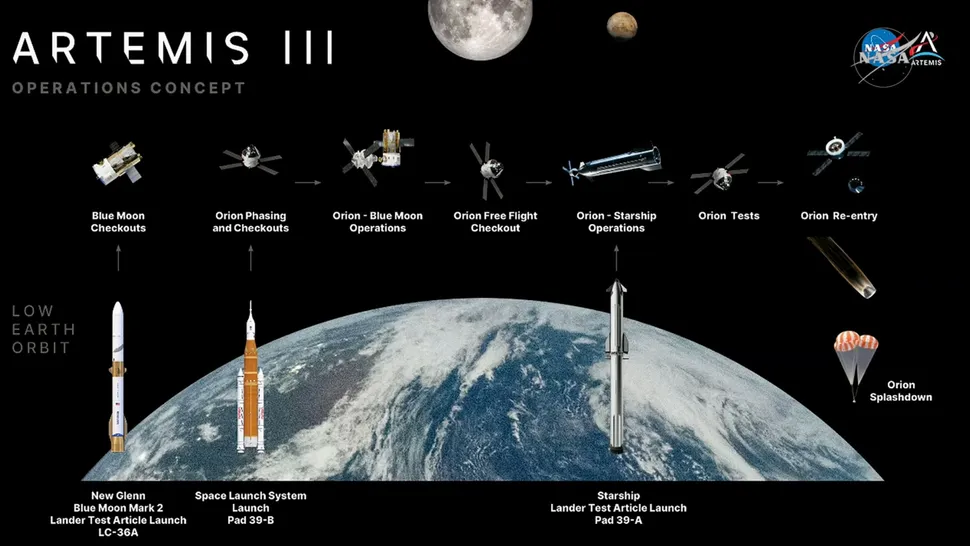
NASA just gave us our best look yet at its Artemis III moon-lander test flight, which is scheduled to launch to Earth orbit next year.
“We’re launching three of the most powerful rockets in the world, and undertaking what is likely the most complicated launch campaign ever undertaken,” Jeremy Parsons, NASA’s Artemis program manager, said during today’s event, which lasted more than two hours.


“It turns out these incredibly dense stars can produce colors nobody expected, and some of them genuinely surprised me.”
“It turns out these incredibly dense stars can produce colors nobody expected, and some of them genuinely surprised me.”


Minimum Requirements:
Requires a 64-bit processor and operating system
OS: Windows 11
Processor: Quad Core CPU - Intel: i7 (Sandy Bridge or later), AMD: Bulldozer or later
Memory: 16 GB RAM
Graphics: DirectX 11.1 compatible Graphics Card with 8 GB VRAM
DirectX: Version 12
Network: Broadband Internet connection
Storage: 150 GB available space



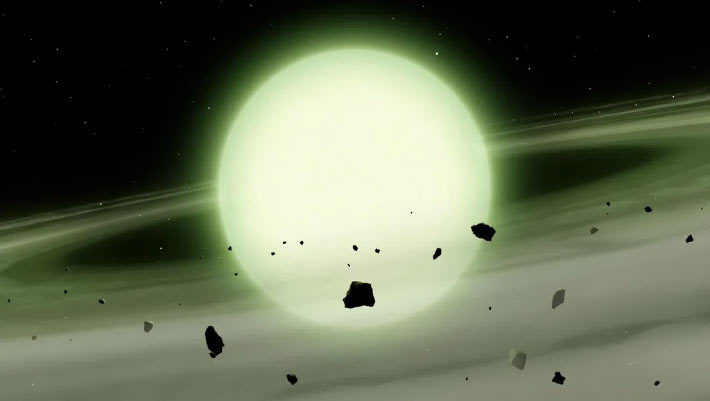
Astronomers have observed a handful of such first-generation survivors revolving around white dwarfs, but never before have they recorded a so-called second-generation planet - an entirely new world made from a dead star’s debris.
“What’s interesting about planets orbiting close to white dwarfs is that because white dwarfs cool over time, their habitable zone is very stable. A second-generation planet could form and then be in the habitable zone for tens of billions of years,” Williams said.
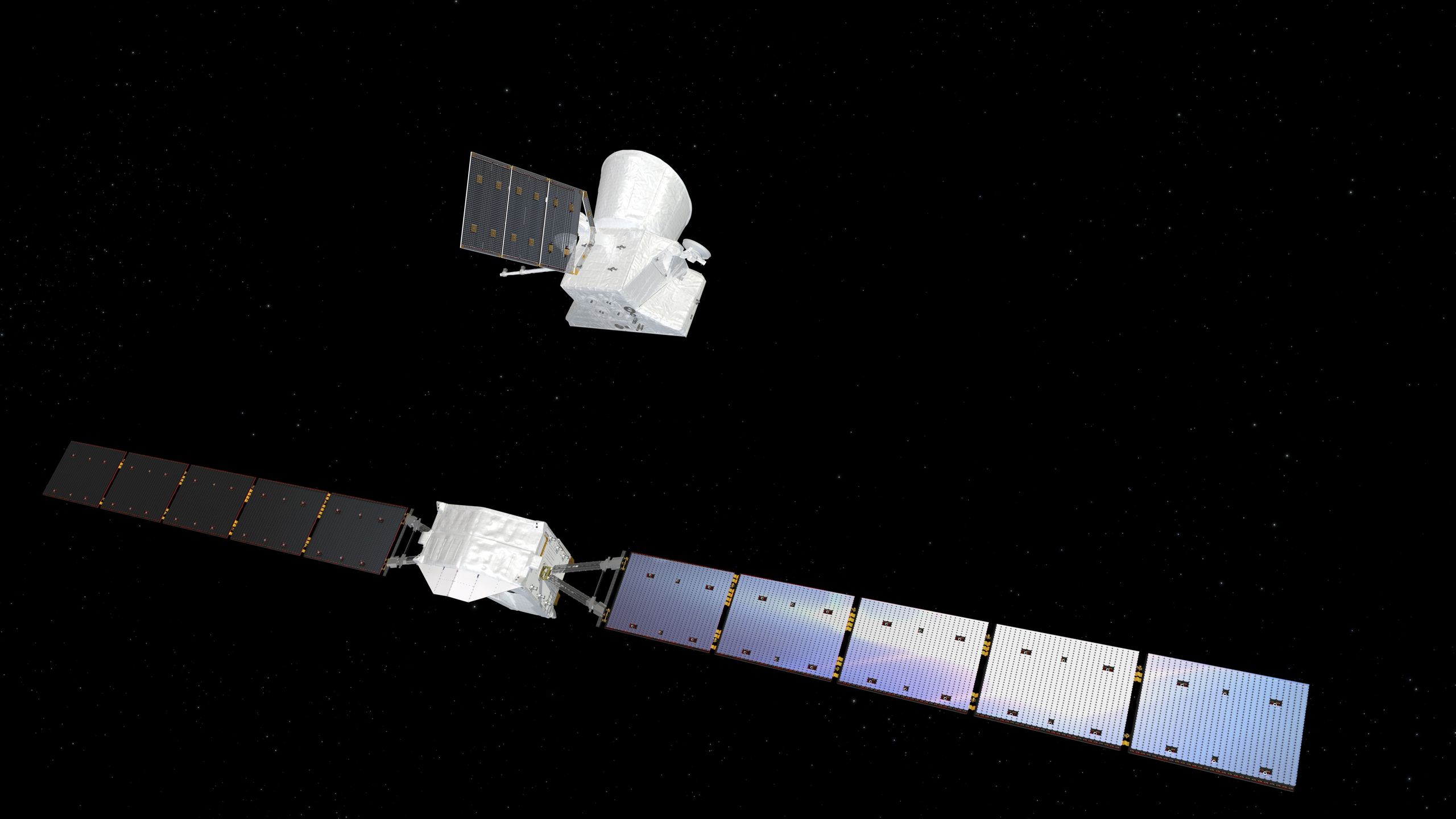
If all goes well, the conjoined spacecraft known as BepiColombo will enter orbit around Mercury in November and split from each other in December to map and study the entire planet from different altitudes.
If all goes well, the conjoined spacecraft known as BepiColombo will enter orbit around Mercury in November and split from each other in December to map and study the entire planet from different altitudes.
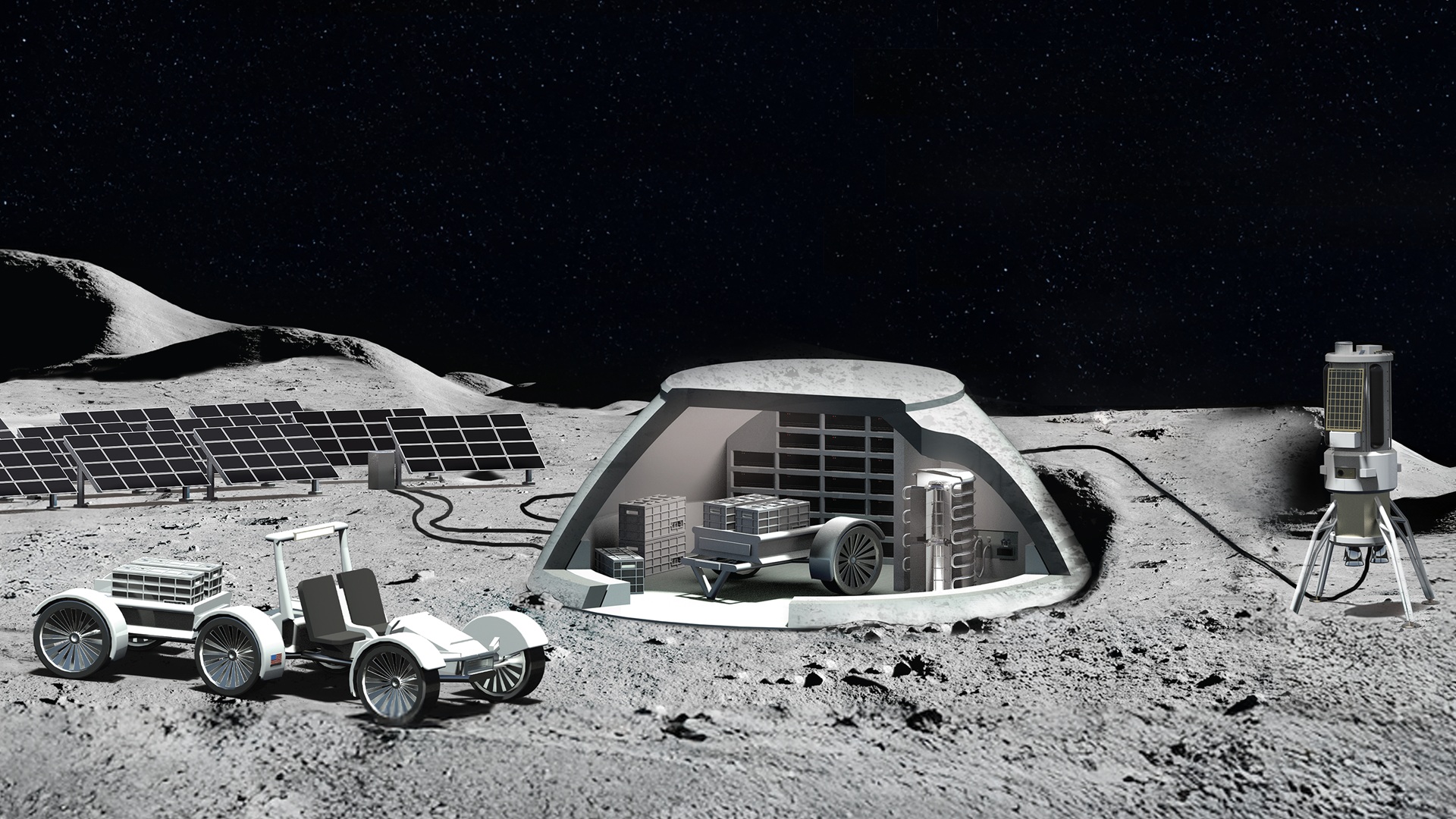
Hydrogen fuel cell system will advance from TRL 5 to TRL 7 to provide reliable power for lunar and deep-space missions.
Hydrogen fuel cell system will advance from TRL 5 to TRL 7 to provide reliable power for lunar and deep-space missions.
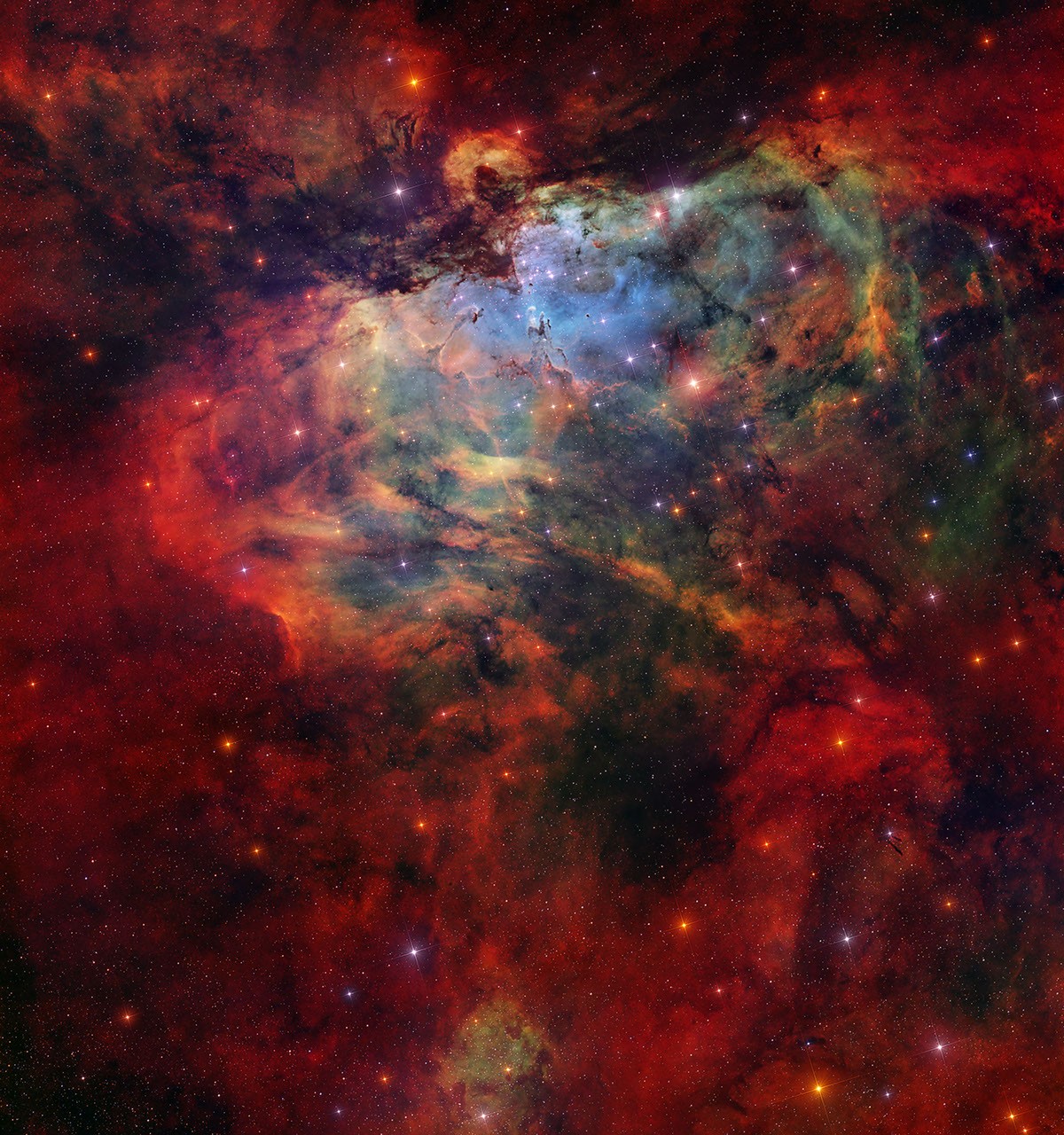
After 31 years NASA redesigned Astronomy Picture of the Day (APOD). What do you think of the new look?
After 31 years NASA redesigned Astronomy Picture of the Day (APOD). What do you think of the new look?
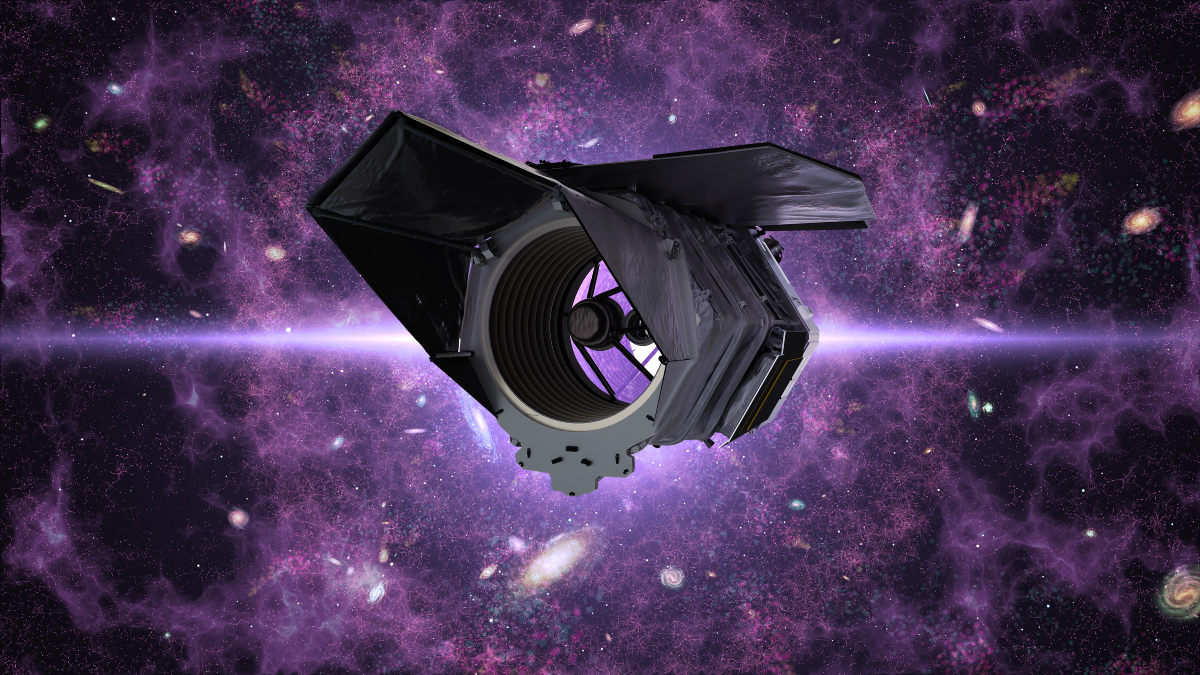
A new era of space exploration began today with the launch of the Nancy Grace Roman Space Telescope. Roman is poised to solve one of the fundamental mysteries of the universe: what it’s made of.
“There’s something really fundamental that we don’t understand about the nature of our universe itself, and Roman is purpose-built to address and provide the data that we need to address these questions,” Julie McEnery, Roman’s senior project scientist and an astrophysicist at NASA Goddard Space Flight Center in Greenbelt, Md., said in a 27 August interview on NASA’s Curious Universe podcast.
Roman launched from Kennedy Space Center in Florida at 7:26 a.m. local time on 30 August. The telescope is named after NASA’s first chief of astronomy, Dr. Nancy Grace Roman (1925–2018). Roman was also the first woman to be a NASA executive and is widely considered to be the “Mother of the Hubble Space Telescope” for her work to make that pioneering telescope a reality.
Roman is a NASA mission and received instrumentation and science support from the Centre national d’études spatiales in France, the European Space Agency, Japan Aerospace Exploration Agency, and the Max Planck Institute for Astronomy in Germany. The telescope has a field of view 100 times that of the Hubble Space Telescope and is capable of capturing much more detail in a single glimpse.
Roman is expected to probe deep into the early universe and study more than a billion galaxies. In doing so, scientists hope to create 3D maps of the evolving universe.
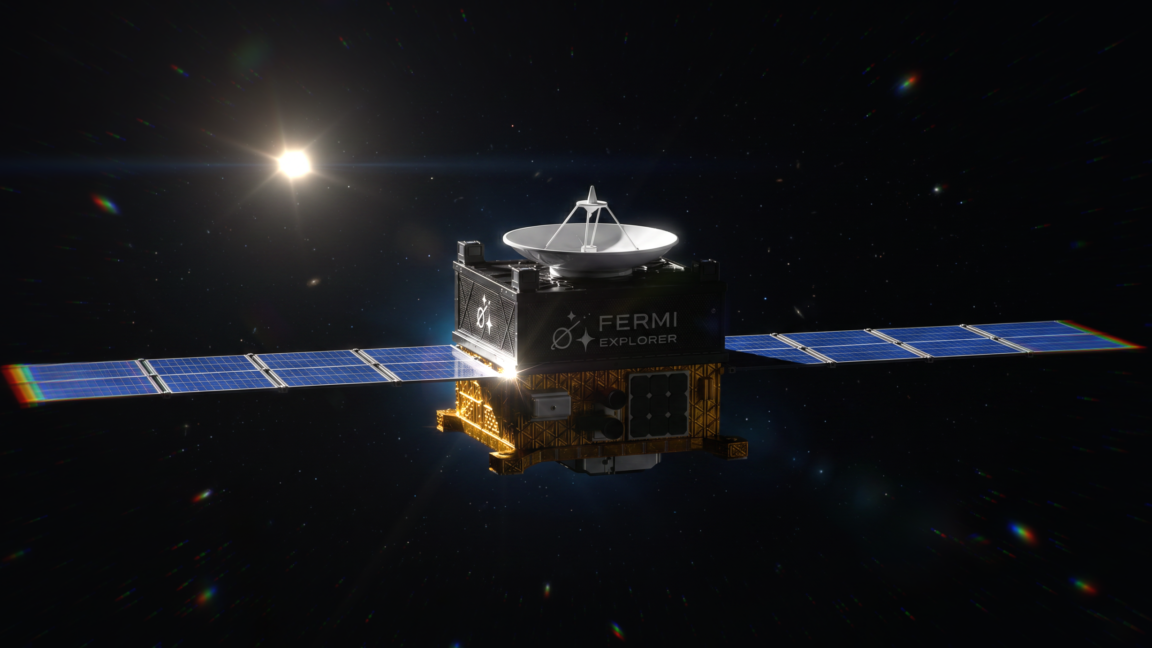
There are, by various estimates, several trillion planets within what is known as the Local Group of galaxies—our closest galaxy neighbors, including our own Milky Way. Many of these planets are within the habitable zone of their stars. So if life finds a way, where are the alien civilizations?
This is the crux of what is known as the Fermi paradox, which posits that if life is fairly common in the Universe, humans should have collected credible evidence for the existence of extraterrestrial civilizations by now. People who think about this paradox believe there may be some “filter” that limits or entirely prevents an advanced civilization from sending out probes or even life-bearing spacecraft to nearby stars.
Philip Johnston is someone who thinks a lot about the Fermi paradox. A mathematician and physicist from the United Kingdom, Johnston has gained some notoriety lately in the space community as one of the biggest proponents of orbital data centers. He co-founded Starcloud in 2024 to develop such data centers, and the company is presently valued at $2.3 billion.
Johnston is in the midst of scaling up Starcloud, working through technical issues, and raising hundreds of millions of dollars. So he’s pretty busy. But Johnston also wants to send a mission to the nearest star to our Sun and investigate the Fermi paradox.
On Tuesday, Johnston and a handful of other entrepreneurs announced the “Fermi Explorer” mission. In concept, it is simple. They seek to raise $15 million to build a small spacecraft, carrying a 1 kg payload, and launch it to Alpha Centauri such that it reaches that system in fewer than 80,000 years. Why? In conversations about the Fermi paradox, Johnston realized such a mission would knock two “filters” off the list: Species won’t want to send spacecraft beyond their home star, or species will find that interstellar transit is too difficult.
The goal was not to run to NASA to try to get it to fund a $1 billion mission or seek to develop a new propulsion technology like the Breakthrough Starshot mission proposed a decade ago. Rather, the Fermi Explorer team wants to use existing technology to do something cheap and fast and launch by 2029.

Twenty years ago Pluto lost its planethood, and I’m partially to blame.
“Blame” is a strange word to use for what seems like a matter of mere semantics; after all, Pluto exists as an intriguing world worthy of study and exploration, regardless of labels. But after two decades in the rearview, Pluto’s demotion still stirs anger and controversy, and many people regard its change in status as a very bad thing.
You might object that your opinion of the moon has no effect on your feelings for Pluto, but equating these two objects is unavoidable for anyone seeking to manufacture a philosophically consistent reason for Pluto’s planethood. The main argument, these days, for why Pluto’s status should be restored boils down to an astrophysical version of what’s best known as “the duck test”: if something looks, walks and quacks like a duck, it’s probably a duck. In Pluto’s case, the idea is that “geophysically” it’s a planet, which simply means it looks like a planet (it’s round!) and acts like a planet (it probably once had active volcanoes, albeit of water!). Earth’s moon—which also has the advantage of being 50 percent larger than Pluto and of having volcanoes that once spewed actual lava instead of mere water—fully deserves planethood by these very same metrics.
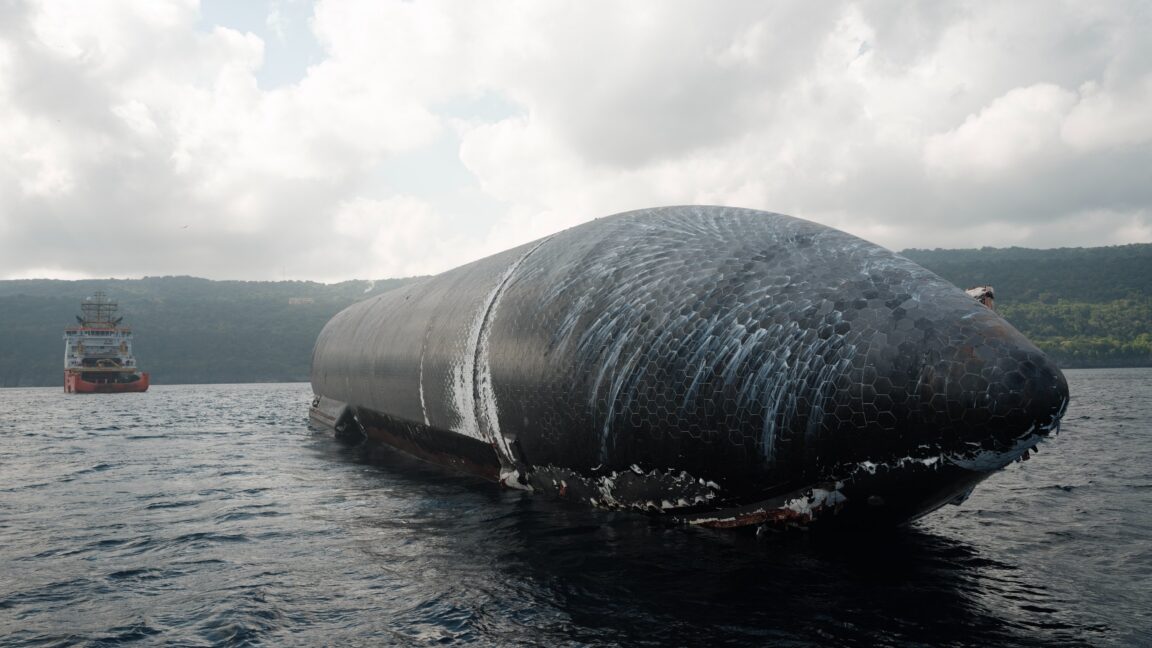
SpaceX’s most recent Starship test flight may have ended July 24, but its mission isn’t over yet.
The spacecraft splashed down in the Indian Ocean intact after flying halfway around the world from SpaceX’s launch base in South Texas. Engineers expected the ship’s life to end with a fiery disintegration after toppling over, just as past Starships have done following splashdown.
Numerous onboard sensors and cameras, along with buoys and drones in position at the splashdown zone, have provided important data for SpaceX to assess the performance of the ship’s heat shield after each test flight, so officials accepted the post-flight conflagrations. That day, Starship tipped over and remained intact, surprising just about everyone.
Engineers have reams of data from all 13 test flights of Starship and its giant booster rocket, known as the Super Heavy. But there’s no match for inspecting hardware after returning from space. SpaceX routinely recovers and reuses Falcon 9 booster stages with near-flawless performance. The handful of minor failures with the Falcon 9 have centered on the rocket’s single-use upper stage.
So, getting Starship back in one piece is a boon. A recovery ship towed the spacecraft engine-first several hundred miles across the Indian Ocean to Christmas Island, an Australian territory. SpaceX announced the ship’s arrival just off the coast of Christmas Island on Tuesday.
“A team of SpaceX engineers is on their way to conduct additional analysis on the vehicle in calmer waters before attempting to return it to Starbase,” SpaceX wrote on X.
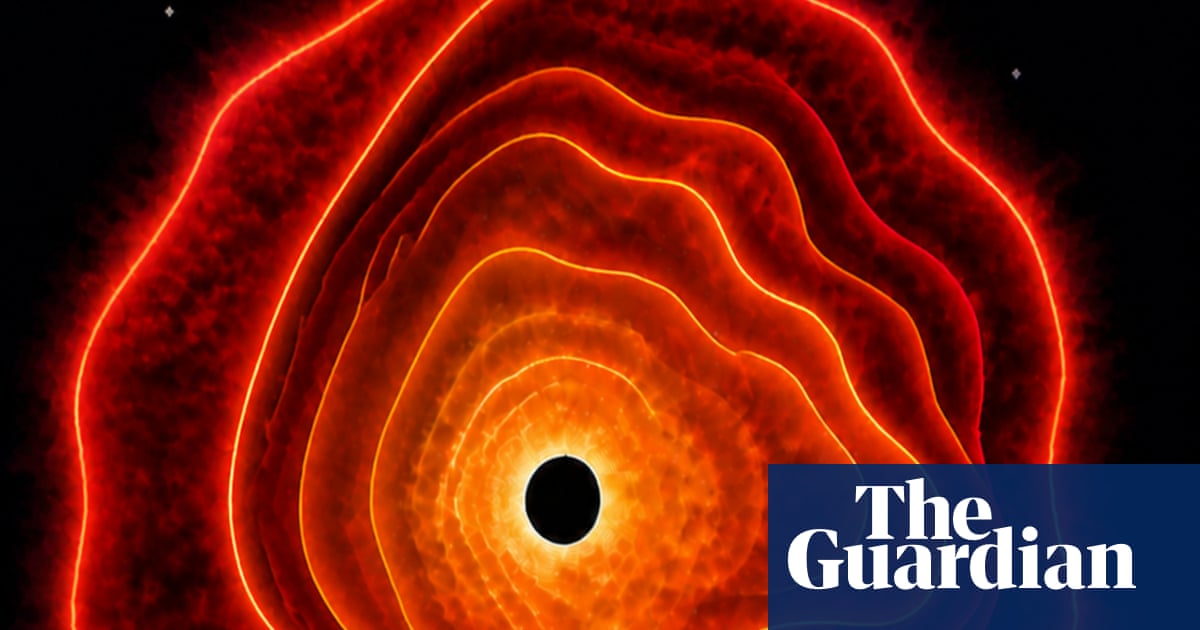
Astronomers claim to have discovered a new kind of cosmic object, a black hole “star”, which is the size of the entire solar system and glows with a brilliant red light.
The international team made the breakthrough after focusing their attention on a mysterious red spot in images of the early solar system captured by Nasa’s James Webb space telescope.
The object was lurking in the constellation of Cetus, the Whale, billions of light years from Earth. It is thought to have formed 660m years after the big bang, astronomers’ leading theory as to how the universe began.
Measurements of the exotic body found that while it resembles an immense star, it releases 100bn times more energy than any known star can produce. The energy output is far closer to that observed from black holes than stars.
“We have found a new type of astrophysical object, a black hole star,” said Dr Rohan Naidu at the Kavli Institute for Astrophysics and Space Research, part of the Massachusetts Institute of Technology.
Soundgarden fans rejoiced.



ULA has confirmed it’ll be the last launch of the Atlas V Type 551, but they are looking to phase out Atlas entirely in favor of Vulcan. This may very well be the last ever launch of an Atlas Rocket.
ULA has confirmed it’ll be the last launch of the Atlas V Type 551, but they are looking to phase out Atlas entirely in favor of Vulcan. This may very well be the last ever launch of an Atlas Rocket.