


0
0

Dire Echo on Steam
store.steampowered.com
posts tagged #space

Duskers 2.0, the sequel to Misfits Attic’s unnerving sci-fi ship scavenger, is in early development ahead of a Steam early access release.
Duskers 2.0, the sequel to Misfits Attic’s unnerving sci-fi ship scavenger, is in early development ahead of a Steam early access release.


NASA’s Nancy Grace Roman Space Telescope is poised to make a major leap in the hunt for worlds outside our solar system, known as exoplanets. Scientists expect the mission to reveal around 100,000 worlds—a staggering leap compared to the nearly 6,300 found so far thanks to NASA missions working in tandem with other observatories. And Roman will primarily find them in underexplored regions of the Milky Way.
NASA’s Nancy Grace Roman Space Telescope is poised to make a major leap in the hunt for worlds outside our solar system, known as exoplanets. Scientists expect the mission to reveal around 100,000 worlds—a staggering leap compared to the nearly 6,300 found so far thanks to NASA missions working in tandem with other observatories. And Roman will primarily find them in underexplored regions of the Milky Way.
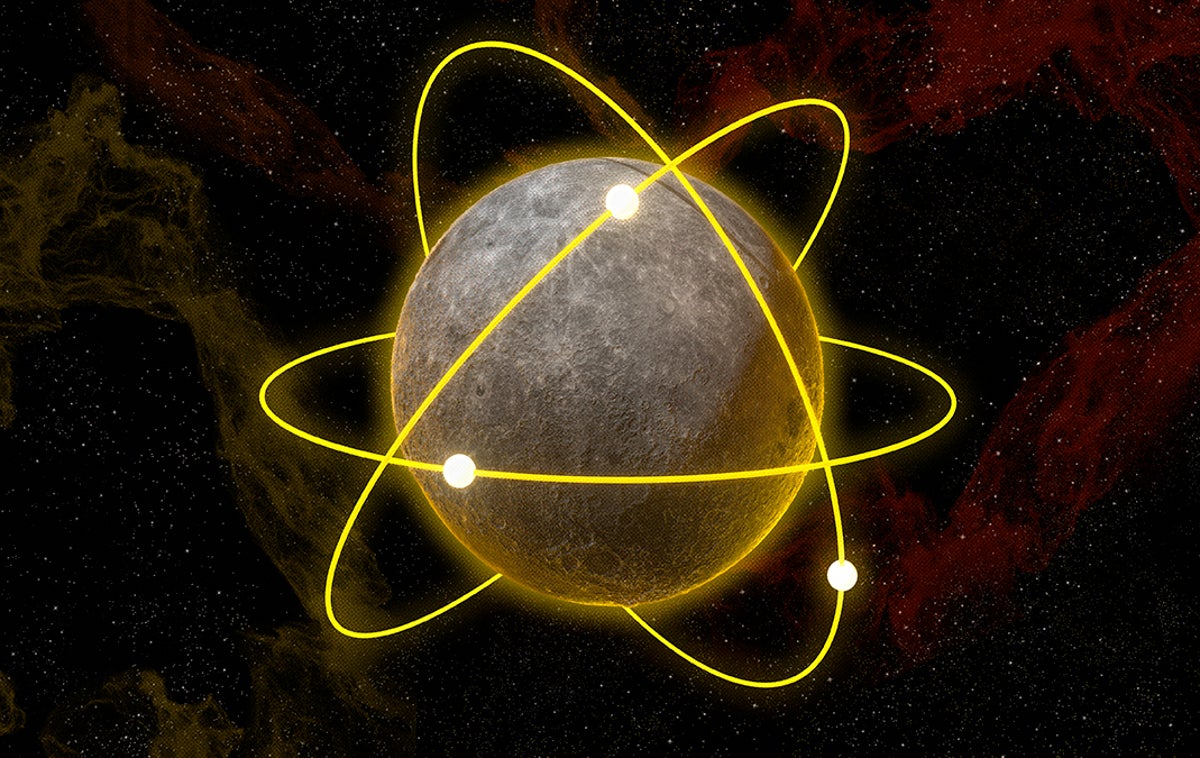
Last year, less than a month after being named acting administrator of NASA, U.S. Secretary of Transportation Sean Duffy made an eyebrow-raising announcement to the world: NASA was going to put a nuclear reactor on the moon. As part of strengthening U.S. national security in space, he said, this reactor would be designed, built, flown and delivered to the lunar surface by 2030. To many observers, this declaration sounded wild. Why would you want to put a nuclear reactor on the moon?
The thing is, if America (or any spacefaring nation) wants to establish a permanent presence on the moon—an inhabited station that can operate during the frigid and lengthy lunar night—solar power won’t cut it. Through its Artemis program, which just sent four astronauts on a trip around the moon, NASA wants to transform our planet’s argent companion into a scientific outpost, a mining site and a rocket launchpad pointed at Mars. To do that, nuclear power is the sole option. “It’s the only way we can sustain a lunar base properly long-term,” says Simon Middleburgh, co-director of the Nuclear Futures Institute at Bangor University in Wales. It’s no wonder, then, that China and Russia are teaming up to put their own nuclear reactor on the moon by 2035 to electrify what they call the International Lunar Research Station—their planned base on the lunar south pole. Sooner or later, from one nation or another, “nuclear power on the moon will happen,” Middleburgh says. “It’s inevitable.”
Experts questioned both the timing and the scale of the nuclear power plant Duffy is proposing. Placing a reactor capable of powering 80 American households on the lunar south pole—an environment no human has yet set foot in—by 2030 sounds rushed, if not impossible. And the last thing anyone wants is for the U.S. to barrel through the conception, construction, launch and landing of a lunar nuclear reactor. “I think the worst-case scenario might be [that] in the quest to be first we skip important design and safety steps,” says Bhavya Lal, a professor of space policy at the RAND School of Public Policy and former acting chief technologist and associate administrator for technology, policy and strategy at NASA. “It’s good to be first—competition is good—but we need to do it right.”

Stellar Freight: Endless Horizon | Official Announcement Trailer
Stellar Freight: Endless Horizon | Official Announcement Trailer
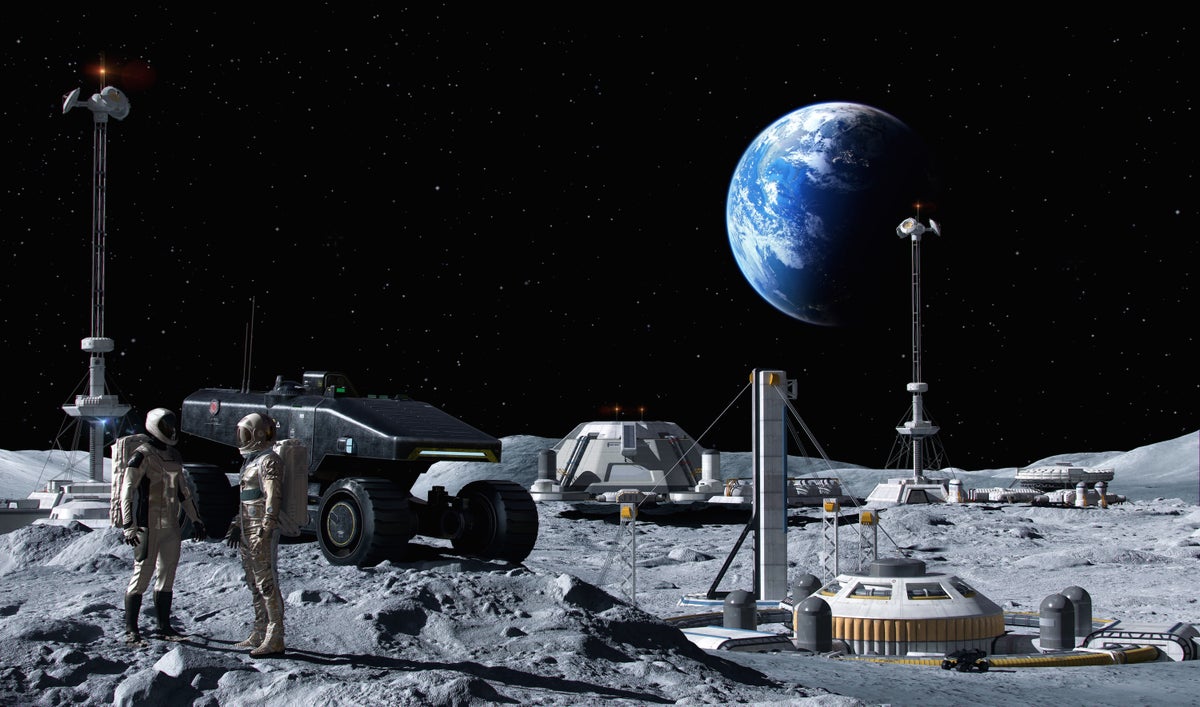
Since time immemorial, humans gazing up at the moon have asked grand questions. Where did it come from? Why does it wax and wane? Is it made of cheese?
We now have responses to most of these (“a giant impact,” “orbital phases” and “no, sadly,” respectively). But as an international 21st-century lunar race intensifies, one pragmatic query remains: How can you make money on the moon?
Helium-3 is spectacularly useful, and demand for it is soaring. A superlative coolant, helium-3 enables quantum computers to reach their operating temperatures, fractions of a degree above absolute zero. The precious substance is also vital for advanced medical imaging, as well as sniffing out smuggled nuclear material, and holds promise as a clean fuel for future fusion reactors. On terra firma, most of the available supply of helium-3 comes as a by-product of nuclear weaponry via the radioactive decay of tritium, a rare isotope of hydrogen that boosts the power of thermonuclear bombs. This process makes just a few kilograms of helium-3 per year worldwide, and a single kilogram currently costs about $20 million.
But scientists estimate that somewhere on the order of a billion kilograms of helium-3 are lacquered onto the lunar surface. So the moon-based mining of helium-3 could, it seems, someday become a multitrillion-dollar industry.
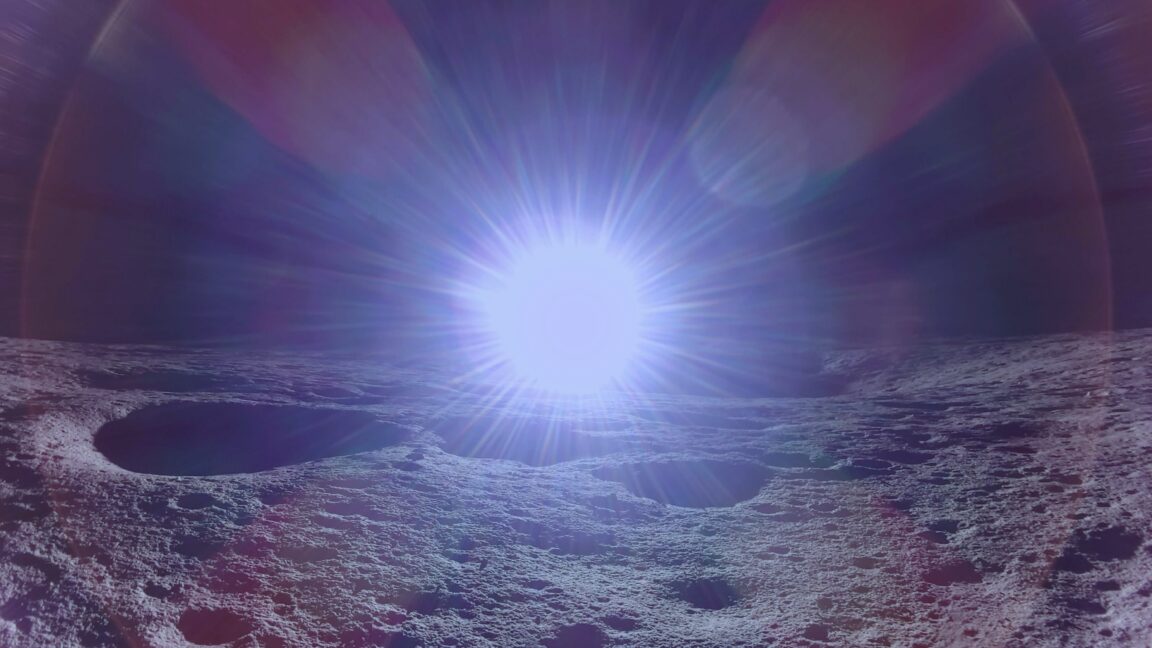
NASA’s goal of reaching the Moon’s surface as many as 21 times over the next two and a half years will require an overhaul of the agency’s approach to buying lunar landers and success in rectifying the myriad problems that have, so far, caused three of the last four US landing attempts to falter.
It will also require improved oversight of NASA’s industrial base and better management of a supply chain that has often failed to deliver on time.
These landers are separate from NASA’s Human Landing System program, which has contracts with SpaceX and Blue Origin to develop and deliver human-rated landers to ferry crews to and from the lunar surface for the agency’s Artemis program. Alongside the crew landers, dozens of robotic and cargo landings will deliver payloads to scout for a future Moon base and demonstrate technologies for larger vehicles, mining and resource utilization, and sustained operations during the two-week-long lunar night.
“Frequent high-mass, low-cost access to the lunar surface” should be the highest priority for the early phase of the Moon base initiative, said Jacki Cortese, vice president of civil space at Blue Origin. This tracks with the roadmap NASA Administrator Jared Isaacman outlined in March, when he announced that the agency will refocus its efforts on building an outpost on the lunar surface, rather than a mini-space station thousands of miles above the Moon.
The fundamentals for high-frequency missions to the lunar surface are in place. NASA’s Commercial Lunar Payload Services (CLPS) program, announced eight years ago this week, has assembled a roster of commercial providers to design and build robotic Moon landers. Through CLPS, NASA has contracted with US companies for 13 missions since 2019. Four of them have launched, and just one has completed a fully successful landing. Four more commercial landers are under construction now for launches in the second half of this year, but as is common in the space industry, their schedules have a history of delays, and some are likely to move into 2027.

After more than 25 years of US astronauts wearing off-the-rack clothes while living in Earth orbit, a company working to launch the world’s first commercial space station has adopted a more custom approach to its crew attire.
Vast has revealed its astronaut flight suit, a two-piece outfit designed to be worn both on and off the planet. The company also certified a custom-Swiss wristwatch for use aboard its upcoming Haven-1 space station.
“Over the last two decades on the International Space Station, astronauts have moved away from wearing flight suits every day,” Drew Feustel, Vast’s lead astronaut and former NASA mission specialist who spent 225 days in space, said in a statement. “The environment has become safer and more like how we work on Earth.”
Feustel contributed to the design of the Vast Astronaut Flight Suit.
“We wanted to honor the tradition and history of aviation in human spaceflight and flight suits themselves,” he said.
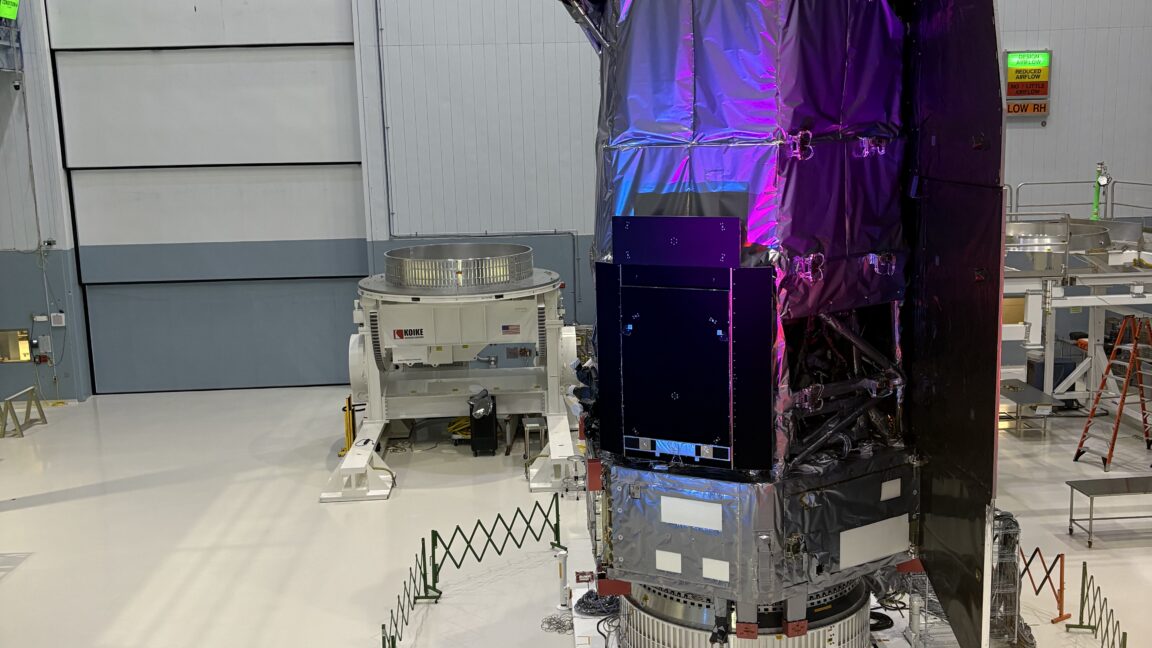
GREENBELT, Md.—On Tuesday, NASA invited the press to look at the fully assembled Nancy Grace Roman Space Telescope, which is now ready to join the ranks of the great observatories in orbit, ahead of its September launch. The Roman Space Telescope (NGRST), named after a key figure in the planning of the Hubble Space Telescope, is notably distinct from hardware like the Hubble and Webb, as it’s designed around a wide-field view and massive imaging system that will allow it to send back 1.4 terabytes of data to Earth every day.
It also has an unusual history that began when NASA’s planning intersected with surplus spy hardware.
In from the cold
Many of the gases in our atmosphere absorb infrared wavelengths, contributing to the greenhouse effect that has helped keep the planet habitable for us. But that effect also makes infrared astronomy from Earth extremely difficult. That’s unfortunate, as a number of important phenomena, from the earliest galaxies to the features of exoplanet atmospheres, are only detectable at infrared wavelengths. There have been a number of infrared-specific telescopes put into space, notably the Spitzer, one of the original suite of Great Observatories.
But those telescopes were largely designed to provide high-resolution imaging of a tiny slice of the sky. There was also a call for a survey telescope capable of imaging large swaths of the sky simultaneously. In the infrared, this could do everything from revealing the large-scale structure of the early Universe to cataloging far more of the asteroids orbiting in Earth’s vicinity. NASA eventually adopted the idea as a priority in the form of WFIRST, the Wide Field Infrared Survey Telescope.

After several tests of unusual “nesting doll” satellites in low-Earth orbit, Russia is now fielding operational anti-satellite weapons with valuable US government satellites in their crosshairs, the four-star general leading US Space Command said this week.
Gen. Stephen Whiting didn’t name the system, but he was almost certainly referring to a Russian military program named Nivelir, which has launched four satellites shadowing US spy satellites owned by the National Reconnaissance Office in low-Earth orbit. After reaching orbit, the Nivelir satellites have released smaller ships to start their own maneuvers, and at least one of those lobbed a mystery object at high velocity during a test in 2020. US analysts concluded this was a projectile that could be fired at another satellite.
US officials have compared the Nivelir architecture to a Matryoshka doll, or a Russian nesting doll, with an outer shell concealing smaller, unknown figures inside.
The newest suspected Nivelir satellite was launched last May from the Plesetsk Cosmodrome in northern Russia. Its launch was precisely timed for the moment Earth’s rotation spun Plesetsk underneath the orbital plane of the NRO’s USA 338 Keyhole-class optical spy satellite. Civilian missions heading to the International Space Station launch with similarly precise timing, down to the second, to intersect with the space station’s orbital plane.


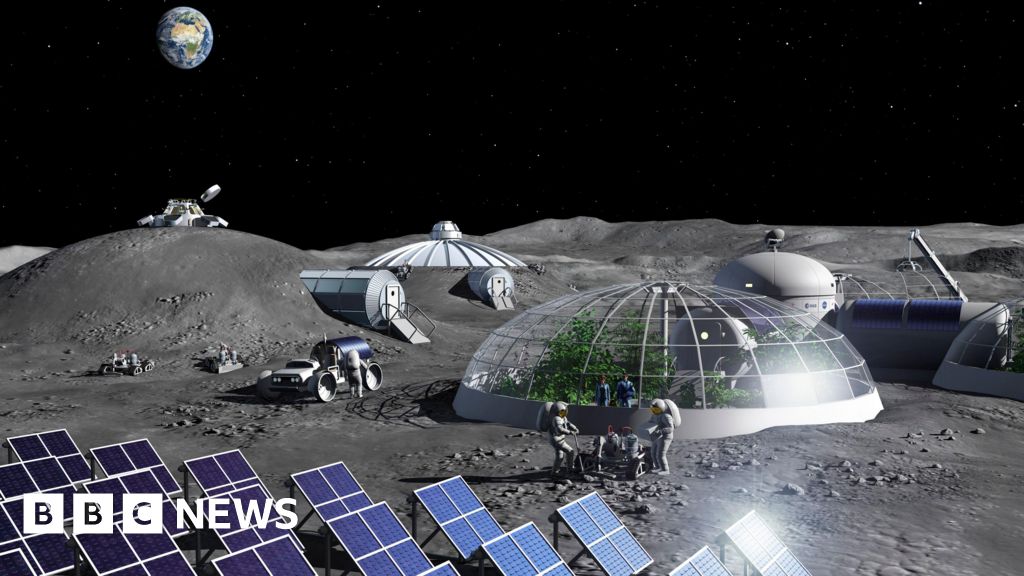


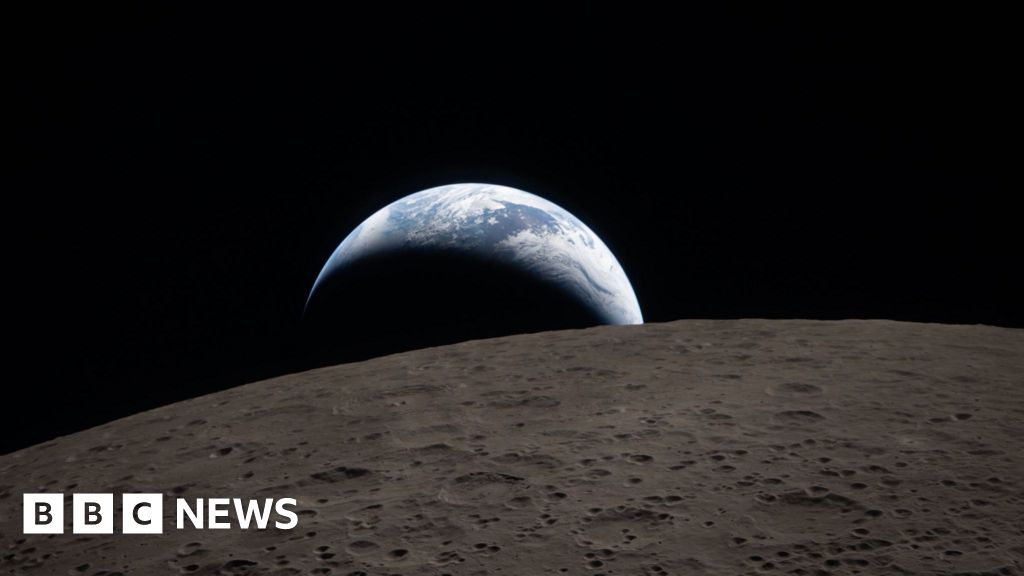
Lunar exploration has always held a strange position in the history of exploration. For all of human history, people have been staring up at the Moon, and for centuries astronomers used telescopes to study the lunar surface. The telescopic surveying and mapping of the Moon by astronomers can (and should, I think) be considered a form of exploration. From this perspective, the Moon had been thoroughly explored far before the dawn of the Space Age. But on the other hand, because of the nature of the Moon’s orbit, the Moon also possessed some of the most mysterious and inaccessible terrain that ever taunted exploration-minded humans.
The Moon is tidally locked, meaning that only one side of the Moon ever faces the Earth. And so for all those millennia of Moon-gazing, there was an entire half of our natural satellite that no human had ever seen before. We would only get our first look at the end of the 1950s, and it would take even longer for us to complete a full map of the Moon. Here is a visual history of how we did it, designed to guide you through the process, even if you aren’t yet familiar with any lunar features.

We had nice northern lights last night. This is the entire geomagnetic storm from start to finish, sped up 10 times.
We had nice northern lights last night. This is the entire geomagnetic storm from start to finish, sped up 10 times.
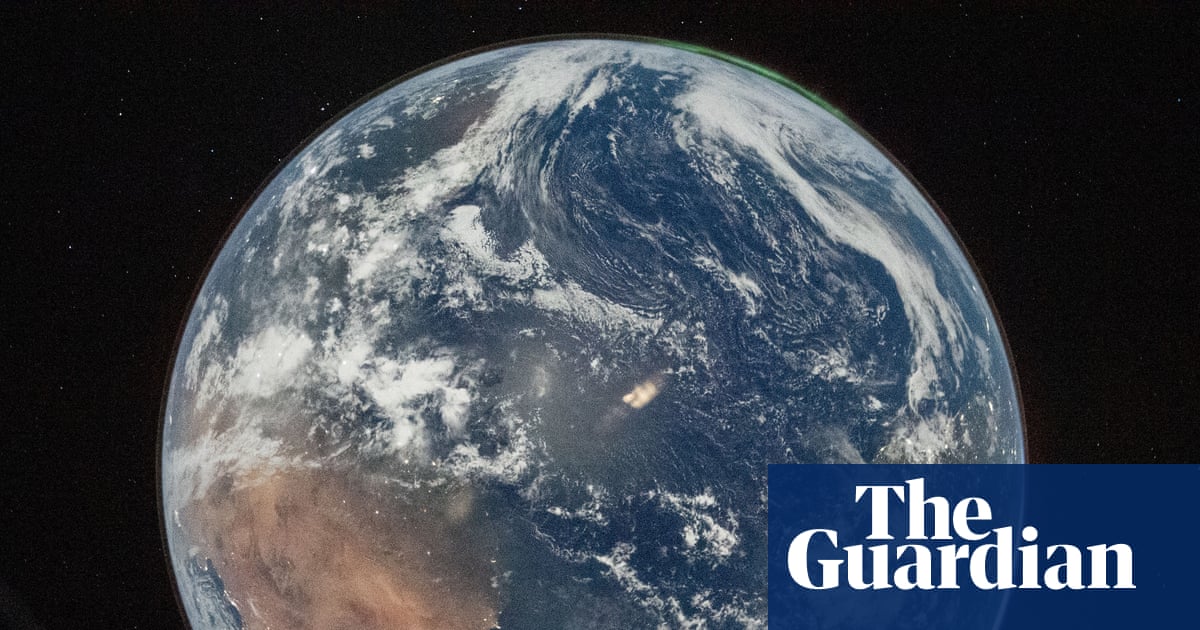
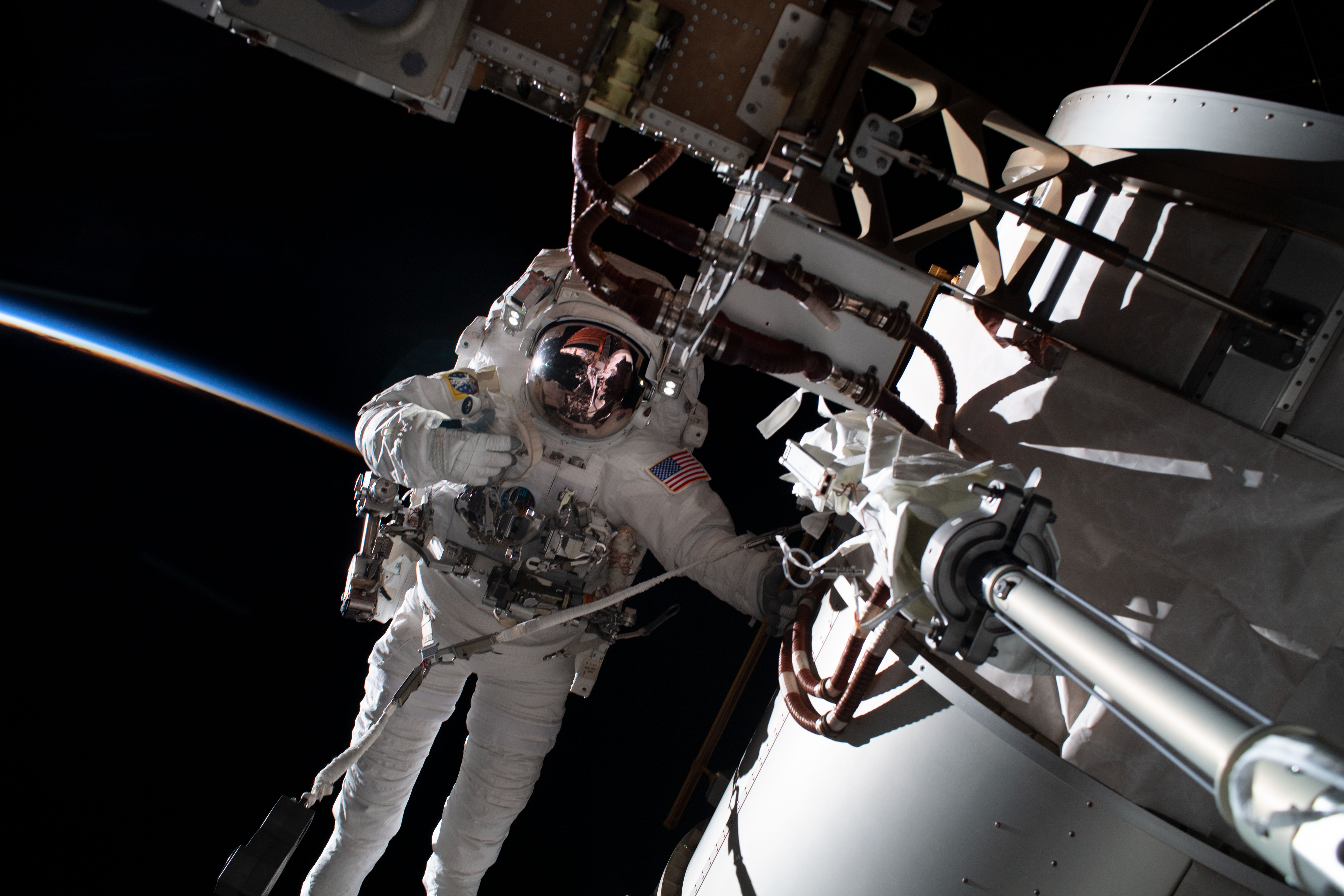
NASA live: Follow live television broadcasts on NASA+, the agency’s streaming service, and NASA’s social media channels with this schedule of upcoming live events including news briefings, launches and landings.
NASA live: Follow live television broadcasts on NASA+, the agency’s streaming service, and NASA’s social media channels with this schedule of upcoming live events including news briefings, launches and landings.
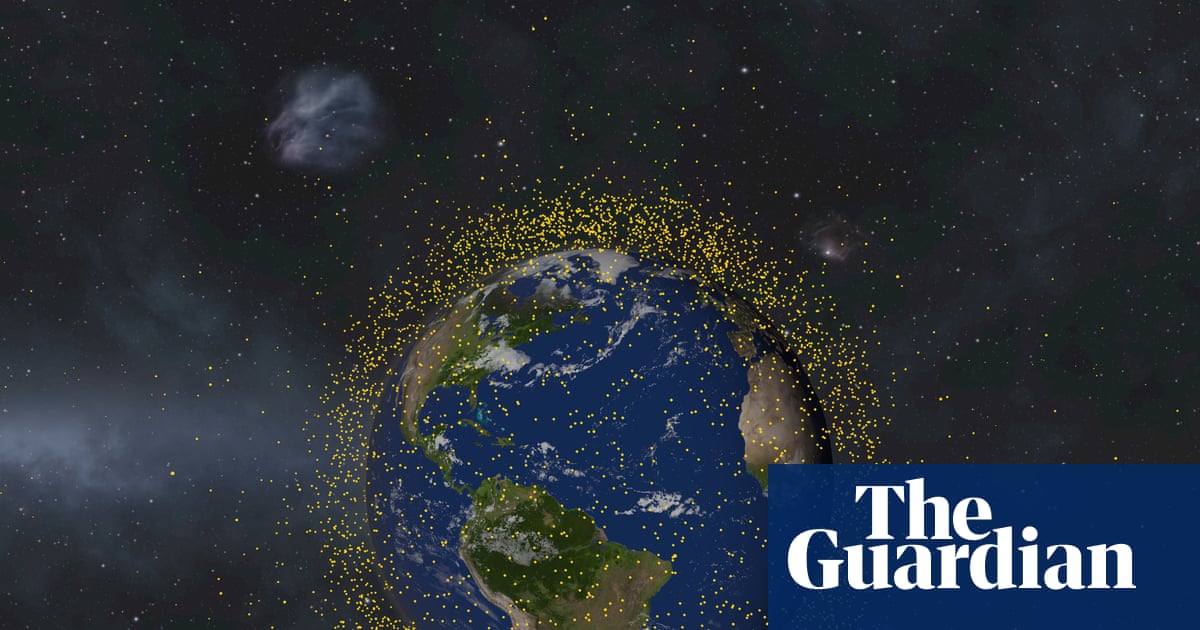
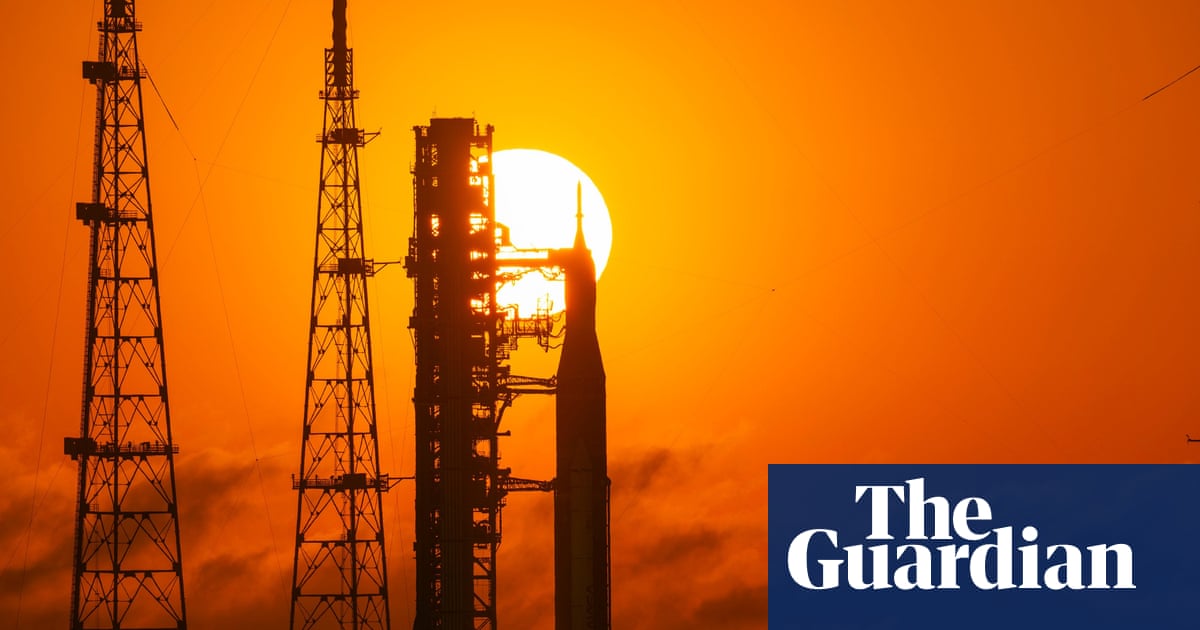
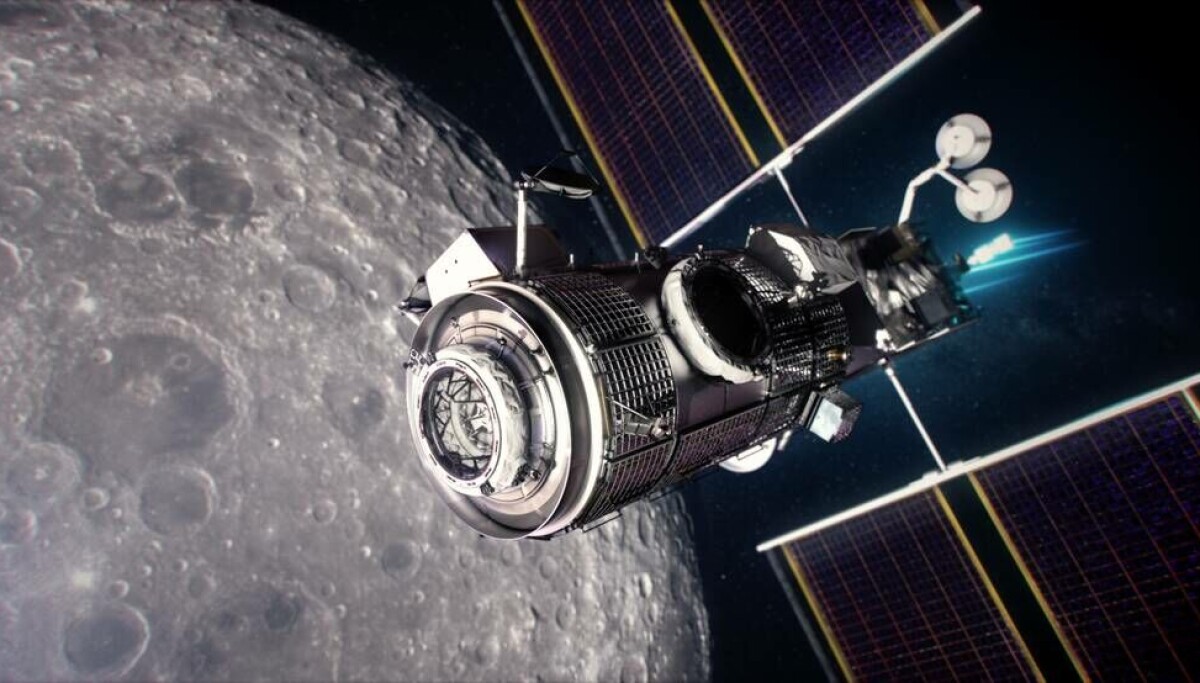
NASA’s ambitious plans to build a space station in orbit of the Moon are officially on hold, administrator Jared Isaacman said Tuesday, with the space agency instead skipping the orbital habitat in favor of building a permanent base on the Lunar surface.
Isaacman made the announcement during the opening keynote for NASA’s Ignition Day event during which the space agency was providing updates on a number of Artemis-related initiatives and Trump’s National Space Policy.
“It should not be much of a surprise that we intend to pause Gateway in its current form and focus on building lunar infrastructure that supports sustained operations on the surface,” Isaacman told attendees. “We will pivot agency talent and hardware already working on Gateway to the surface or other programs.”
However, suspension of the Gateway project - which would have resulted in the construction of the first space station outside of Earth orbit - may come as a surprise to NASA’s international partners on the project, namely the European Space Agency, Canada, and Japan. All had discussed the project as an international effort to continue the partnership established on the ISS into the next frontier in space.
JAXA, the CSA, and ESA have already supplied components and systems for the Gateway, most notably the European-built HALO habitation module, which was delivered to NASA in April 2025, along with multiple modules constructed by ESA for inclusion on the now-mothballed space station.
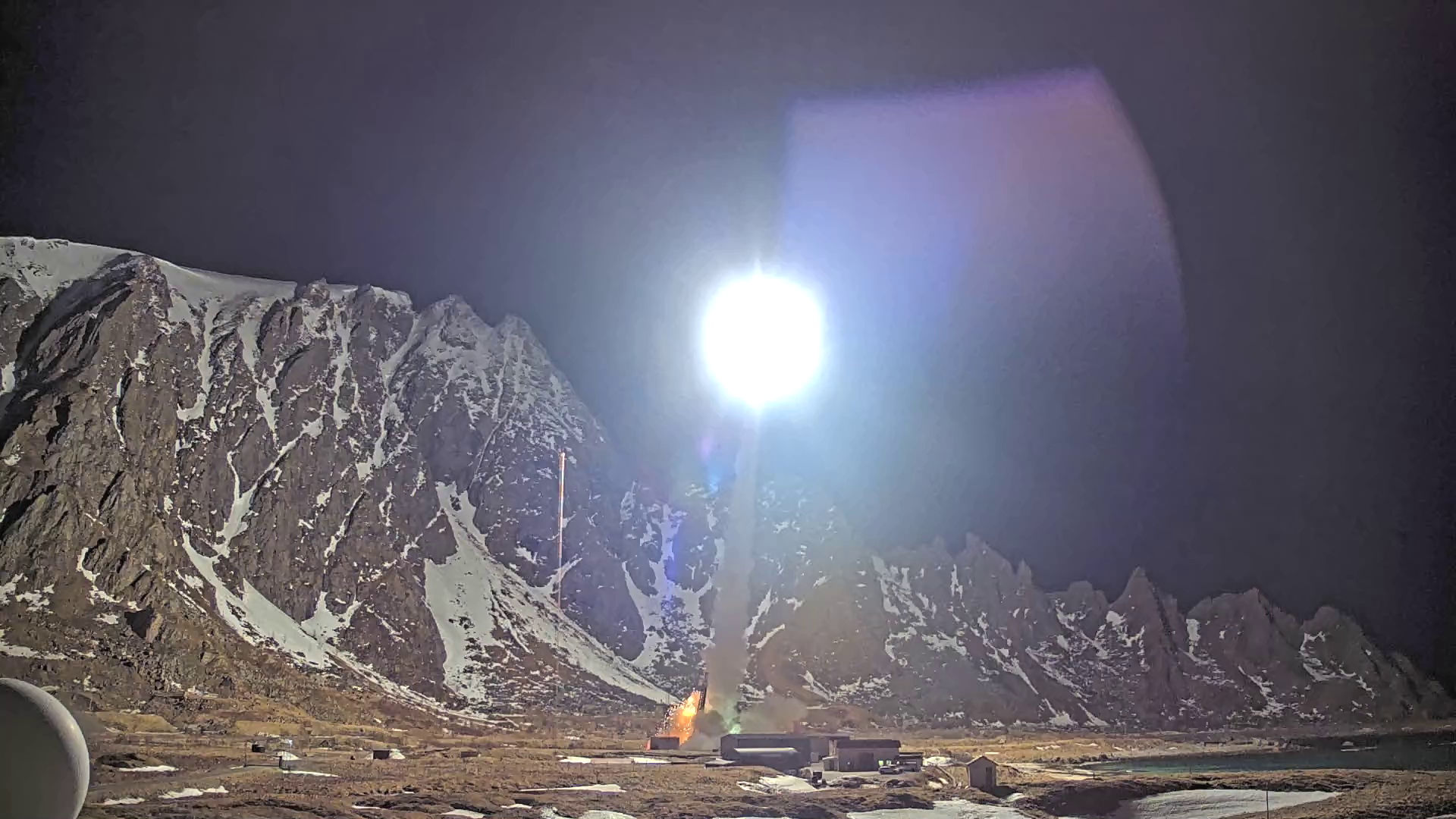

Of all the asteroids that have imperiled the planet, 2024 YR4 is unparalleled. Soon after it was spotted in December 2024, worldwide telescopic observations quickly positioned it as the most dangerous space rock ever discovered—one that stood a 3.1 percent (or 1-in-32) chance of crashing into Earth on December 22, 2032. If it were to hit one of the cities potentially in its path, this 60-meter asteroid would have unleashed a force comparable to several atomic bombs, devastating the unfortunate metropolis.
An Earth impact was eventually ruled out in February of last year. But a late plot twist revealed 2024 YR4 stood a 4.3 percent (1-in-23) chance of slamming into our moon on the same date. Now a concerted effort by astronomers indicates the asteroid will comfortably miss our alabaster companion, too—by 21,200 kilometers.
“We think this is certainly the faintest solar system object that has ever been observed,” says Andy Rivkin, an astronomer and planetary defense researcher at Johns Hopkins Applied Physics Laboratory in Maryland, who led the JWST effort to track 2024 YR4.

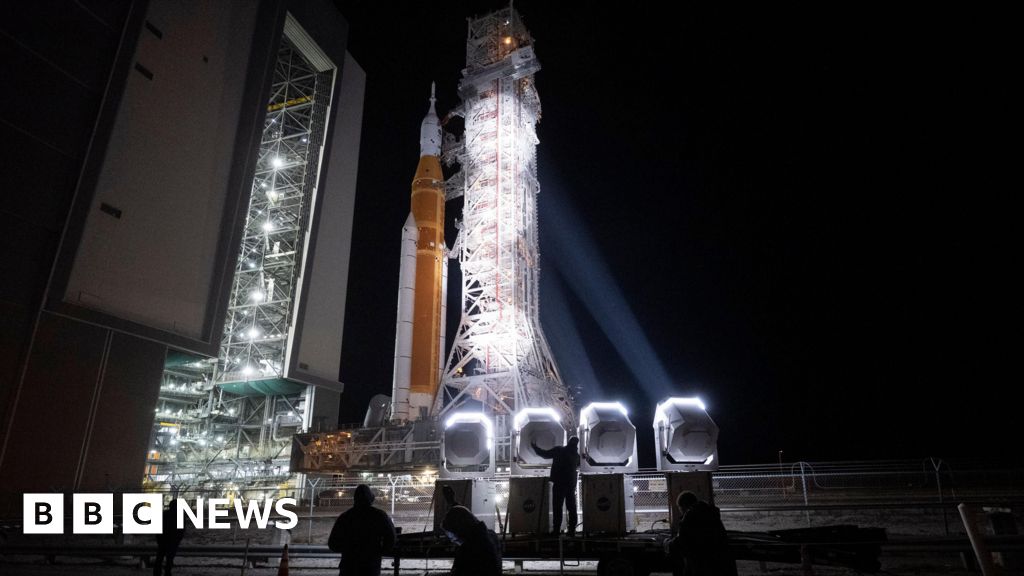
NASA has selected United Launch Alliance’s Centaur V upper stage for the Artemis missions that aim to return astronauts to the lunar surface for the first time since 1972.
The space agency will use the Centaur V, currently flying as the upper stage of ULA’s Vulcan rocket, for Artemis IV and V, both slated for 2028. A flight spare is also being ordered.
The Interim Cryogenic Propulsion System (ICPS) currently used by Artemis is a modified Delta IV cryogenic second stage, always intended as a stopgap. NASA had planned to replace it with the more powerful Exploration Upper Stage (EUS) but that program is running behind schedule and over budget. When new administrator Jared Isaacman signalled plans to increase SLS flight cadence, the writing was on the wall leaving Centaur V to fill the gap.
ULA is not the only upper stage option, and NASA’s intention to issue a sole-source contract might surprise some. However, the agency noted that alternatives, such as Blue Origin’s New Glenn Upper Stage (NGUS), require “significant modifications” to Mobile Launcher 1, and ULA was already familiar with the steps needed to modify an upper stage for SLS. In addition, the Centaur V is a variant of the Atlas Centaur, used under the Commercial Crew Program, meaning that qualifying the stage for a human crew should not cause too many concerns.

The NASA Authorization Act of 2026 has been approved, and alongside a directive for NASA to establish a permanent Moon base, the legislation includes language extending the International Space Station to 2032.
The ISS project was set to end in 2030. In 2024, NASA awarded a contract to Elon Musk’s SpaceX to build a tug to de-orbit the outpost by 2030, assuming it lasts that long. By then the complex’s first module will have been in orbit for more than 30 years, and cracks have plagued the structure alongside hardware failures as the laboratory ages. One space agency insider observed that “it’s on its last legs.”
Then again, in a 2024 interview with The Register, ESA astronaut Andreas Mogensen said of the ISS: “I wouldn’t be surprised if we extended it a few years.”
NASA is to begin soliciting proposals for two commercial space stations immediately (Axiom Space and Vast spring to mind), but, mindful of a potential gap, lawmakers have also directed the agency to keep the ISS running for a few more years – certainly until at least one commercial station is launched and capable of taking over ISS operations.
In the beginning, the Bible tells us,
God divided the light from the darkness.
And God called the light day, and the darkness He called night.
And so it has been ever since — until now.
Here in the 21st century, we humans are on the cusp of turning night into day — and bidding good night to the stars that have guided us home for thousands of years.
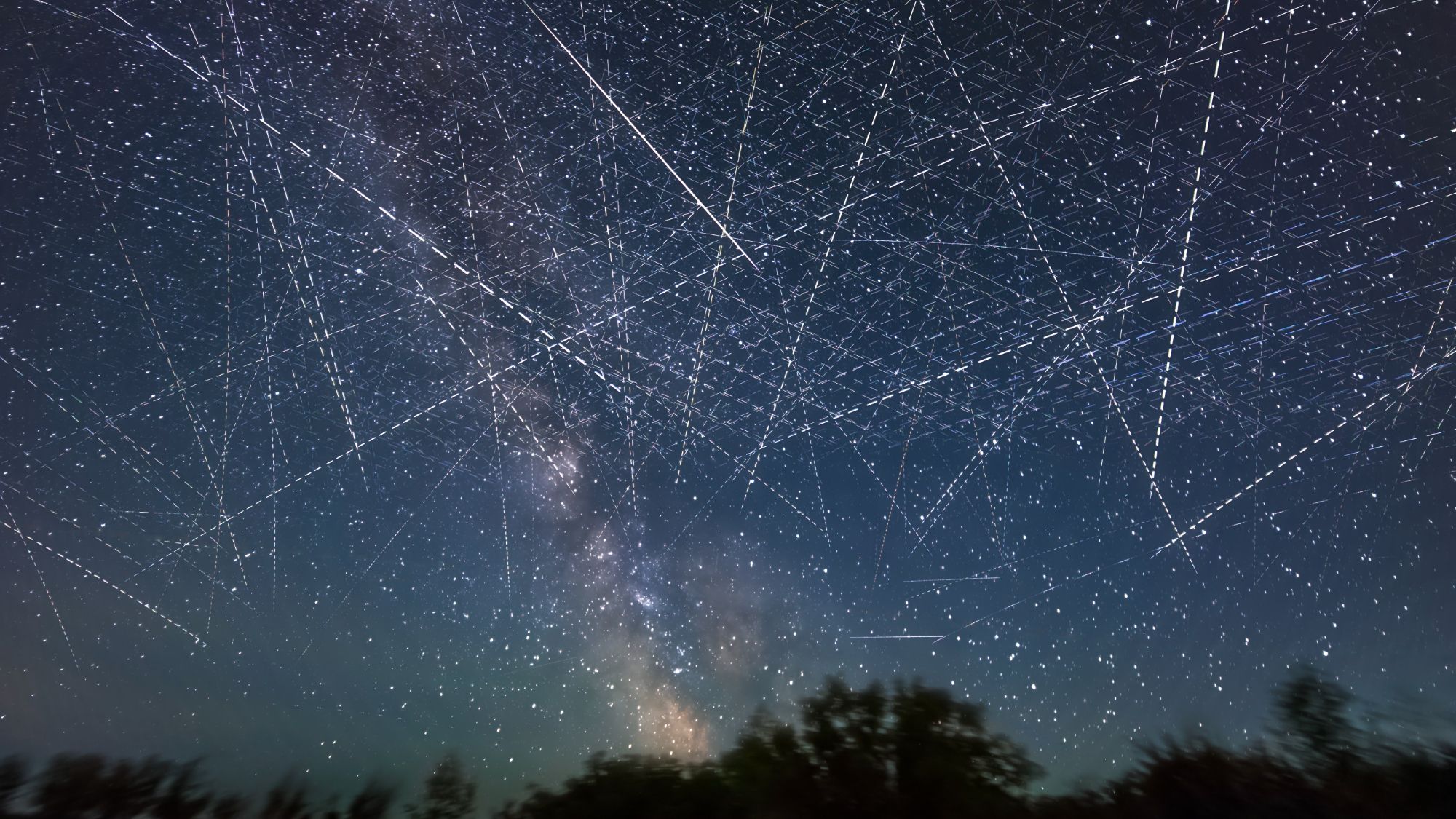
Two little-noted applications under review by the Federal Communications Commission would, if fully implemented, fundamentally remake the night sky. But the FCC, the satellite regulator, appears to have fast-tracked approval without much of a pause to weigh the benefits of these proposals against the harms they could cause to life on the planet.
A start-up called Reflect Orbital proposes to use large, mirrored satellites to redirect sunlight to Earth at night, with plans to bathe solar farms, industrial sites and even entire cities in light that could, if desired, reach the intensity of daylight. At the same time, Elon Musk’s SpaceX wants to launch as many as a million satellites to serve as orbiting data centers — 70 times the number of satellites now in orbit. We could have a million points of light streaking across our skies at night.
Please join us at !Space@mander.xyz
We have migrated the community to !Space@mander.xyz
Please join us at !Space@mander.xyz
We have migrated the community to !Space@mander.xyz


Observations from NASA’s James Webb Space Telescope have provided a surprising twist in the narrative surrounding what is believed to be the first star observed in the act of swallowing a planet. The new findings suggest that the star actually did not swell to envelop a planet as previously hypothesized. Instead, Webb’s observations show the planet’s orbit shrank over time, slowly bringing the planet closer to its demise until it was engulfed in full.
“Because this is such a novel event, we didn’t quite know what to expect when we decided to point this telescope in its direction,” said Ryan Lau, astronomer at the National Science Foundation National Optical-Infrared Astronomy Research Laboratory in Tucson, Arizona. “With its high-resolution look in the infrared, we are learning valuable insights about the final fates of planetary systems, possibly including our own.”


…According to the standard cosmological model, small galaxies merge over time in a chaotic process to form larger ones, leaving behind swarms of faint dwarf galaxies that orbit massive host galaxies in an almost random arrangement…Instead of being randomly spread around their host galaxy, as the standard model of cosmology predicts, over 80% of these dwarf galaxies are concentrated on one side of the Andromeda galaxy…Specifically, all but one of Andromeda’s satellites lie within 107 degrees of the line pointing towards the Milky Way, a region covering only 64% of the host galaxy’s surroundings…“We have to look at more than three hundred simulated systems to find just one that is similarly extreme in its asymmetry as observed.” This makes Andromeda an extreme outlier, defying cosmological expectations.
…According to the standard cosmological model, small galaxies merge over time in a chaotic process to form larger ones, leaving behind swarms of faint dwarf galaxies that orbit massive host galaxies in an almost random arrangement…Instead of being randomly spread around their host galaxy, as the standard model of cosmology predicts, over 80% of these dwarf galaxies are concentrated on one side of the Andromeda galaxy…Specifically, all but one of Andromeda’s satellites lie within 107 degrees of the line pointing towards the Milky Way, a region covering only 64% of the host galaxy’s surroundings…“We have to look at more than three hundred simulated systems to find just one that is similarly extreme in its asymmetry as observed.” This makes Andromeda an extreme outlier, defying cosmological expectations.

In the model they consider, the star is initially part of a binary system at the center of our galaxy. The binary system passes close enough to the supermassive black hole, Sag A*, so that the subgiant is captured in close orbit while its companion escapes. Over time, the orbit of the subgiant decays and the star starts to enter the danger zone of Sag A*. This is where things get interesting.
Because the outer layers of the subgiant are somewhat swollen, they are the first to be captured by the black hole. Essentially, the black hole can rip off the outer layers of the star, leaving a dense helium core. This bare core star continues to orbit ever closer to the black hole until finally being consumed.

Another cloud free day in Scotland let me catch almost 9 hours of this huge and lively prom. Taken with my home made 90mm modded Coronado PST and DMK21 camera. Software: CdC, Eqmod, DSSR, AutoStakkert!, Wavesharp, DVS, Shotcut and Gimp.
David Wilson on April 8, 2025 @ Inverness, Scotland
Another cloud free day in Scotland let me catch almost 9 hours of this huge and lively prom. Taken with my home made 90mm modded Coronado PST and DMK21 camera. Software: CdC, Eqmod, DSSR, AutoStakkert!, Wavesharp, DVS, Shotcut and Gimp.
David Wilson on April 8, 2025 @ Inverness, Scotland


…there are two different ways to measure this cosmic expansion rate, and they don’t agree. One method looks deep into the past by analyzing cosmic microwave background radiation, the faint afterglow of the Big Bang. The other studies Cepheid variable stars in nearby galaxies, whose brightness allows astronomers to map more recent expansion.
You’d expect both methods to give the same answer. Instead, they disagree—by a lot. And this mismatch is what scientists call the Hubble tension…Webb’s data agrees with Hubble’s and completely rules out measurement error as the cause of the discrepancy. It’s now harder than ever to explain away the tension as a statistical fluke. This inconsistency suggests something big might be missing from our understanding of the universe - something beyond current theories involving dark matter, dark energy, or even gravity itself. When the same universe appears to expand at different rates depending on how and where you look, it raises the possibility that our entire cosmological model may need rethinking.