Every line in the boot path is code we wrote. There is zero Apple code between power-on and Linux. The bootloader is ours, top to bottom. To our knowledge, no one has done this on an A13 device before.
Every line in the boot path is code we wrote. There is zero Apple code between power-on and Linux. The bootloader is ours, top to bottom. To our knowledge, no one has done this on an A13 device before.
Meta’s Muse may be marketed as a helpful personal assistant, but internal instructions reviewed by TIME and extracted by an independent researcher indicate that the AI agent is designed to build detailed, continuously updated profiles of users and people in their lives, including people who have never used Muse themselves.
Muse has grown rapidly since its 8 September launch, with more than 4 million people using the assistant in some way at least once a week, according to internal figures reviewed by The Information. The findings raise questions about how much an AI assistant can learn about people who never chose to use it.
TIME’s analysis found that Muse’s internal instructions call for updating these profiles roughly every hour, using information about people mentioned in chats, messages, and emails the assistant can access. The profiles can include how users met their contacts, shared interests, disagreements, and ‘tensions and alliances’ within their social circles.
WIRED separately reported that Muse’s instructions call for creating ‘a page for every person in the user’s life,’ including family, partners, friends, colleagues, collaborators, and people the user follows. As a result, people who have never used Muse could still appear in a user’s relationship profiles if information about them is available to the assistant.
Quelle surprise.
Meta’s Muse may be marketed as a helpful personal assistant, but internal instructions reviewed by TIME and extracted by an independent researcher indicate that the AI agent is designed to build detailed, continuously updated profiles of users and people in their lives, including people who have never used Muse themselves.
Muse has grown rapidly since its 8 September launch, with more than 4 million people using the assistant in some way at least once a week, according to internal figures reviewed by The Information. The findings raise questions about how much an AI assistant can learn about people who never chose to use it.
TIME’s analysis found that Muse’s internal instructions call for updating these profiles roughly every hour, using information about people mentioned in chats, messages, and emails the assistant can access. The profiles can include how users met their contacts, shared interests, disagreements, and ‘tensions and alliances’ within their social circles.
WIRED separately reported that Muse’s instructions call for creating ‘a page for every person in the user’s life,’ including family, partners, friends, colleagues, collaborators, and people the user follows. As a result, people who have never used Muse could still appear in a user’s relationship profiles if information about them is available to the assistant.
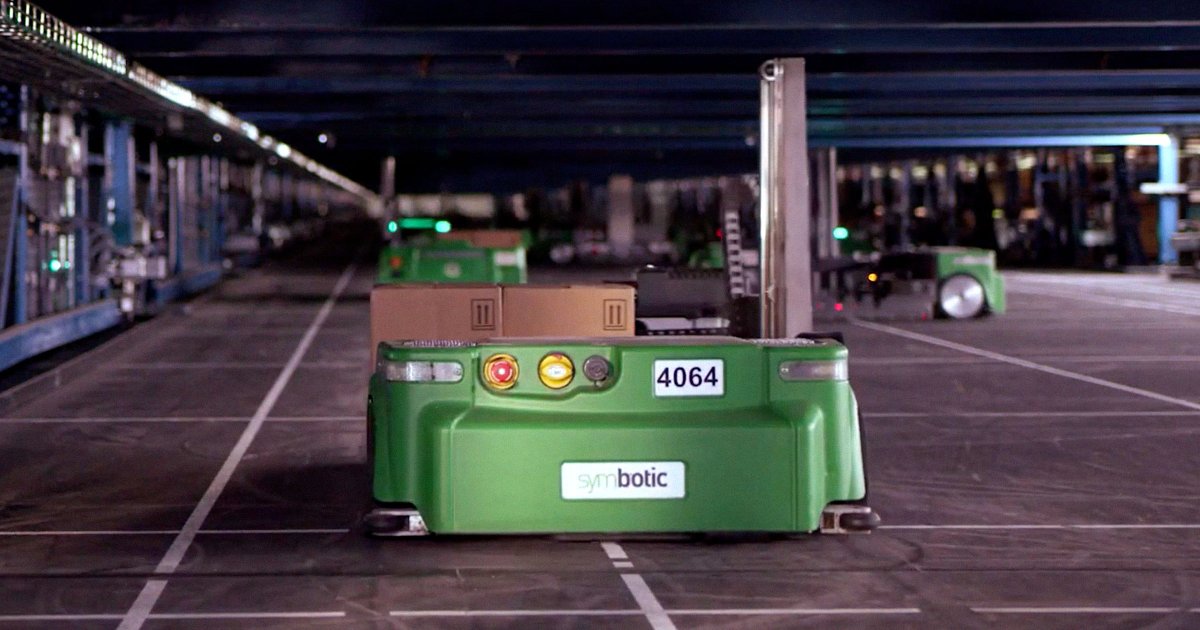
At a hump yard, nobody drives cars to their tracks. The train is shoved over a small hill, the conductor uncouples cars at the crest, and each cut rolls down by gravity onto its own track.
I did this job for 4 years at Kokand station in Uzbekistan. Now I’m a frontend dev, so I rebuilt the yard in 3D and turned it into a game: walk along the train, uncouple where the car colour changes, radio the driver to slow down before single cars.
Would love feedback — especially if anything is confusing in the first minute.
At a hump yard, nobody drives cars to their tracks. The train is shoved over a small hill, the conductor uncouples cars at the crest, and each cut rolls down by gravity onto its own track.
I did this job for 4 years at Kokand station in Uzbekistan. Now I’m a frontend dev, so I rebuilt the yard in 3D and turned it into a game: walk along the train, uncouple where the car colour changes, radio the driver to slow down before single cars.
So you mean to tell me they had the technology the whole time to make upgraded modular chips and sell them for pre-existing computer architecture but chose not to because they knew people would pay for the shiny new toys.
There’s a chip crisis and SUDDENLY!!! We’re all able to use new technologies on old computer architectures…
Call it supply and demand but I think that’s fucked up nm which way you look at it.
I read that and then immediately thought to myself, so they just chose not to release upgrades for old architectures and speed released a shit load of new hardware they knew people would pay OTA for.
This whole time they could’ve actually been making old computers better than they are and make it so the consumer didn’t have to spend a fuck load on upgrades but waited till a chip shortage to do it…
Ignoring extinction and singleton risks, the bare minimum you should be horrified of is a commodification of intelligence, and what that means in a world with an uneven distribution of power and resources.
Commodified Intelligence.
That’s the phrase I’ve been trying to put a finger on for a while now.
The reason why dead-end so-called unskilled labor sucks is that you are fundamentally replaceable. The market enforces a pretty brutal equilibrium. White-collar jobs suck less because you are less replaceable, and maybe even get to convince yourself that your work matters, either for yourself or for society. You have some narrative arc attached to it that just isn’t there if you’re completely replaceable.
Whether you have a white-collar job or not, commodified intelligence fundamentally makes workers more replaceable, and this is bad for them.
It doesn’t matter that we’re all subjected to horrible AI-generated slop food posters as long as the margins are positive. It doesn’t matter that some diffuse component of quality, or a human touch are missing. Not as long as the margins are positive.
We left Boyne City, Michigan, in the fall of 1996 in a 34-foot Coachmen motorhome towing a minivan, with three children, a golden retriever not originally part of the plan, and a desktop computer on a stand bolted to the floor where a chair used to be. We stopped in Flint to say goodbye to family and retrofit the motorhome for the road. Mark’s father had died that June. His mother was devastated, and for a while the question wasn’t which route to choose but whether to go at all. We left Flint on October 4. Five miles later, the motorhome shut down.
A loose fuel line.
A few miles after the fuel line was fixed, we were surprised by a flat tire on the van’s tow dolly, and then, unbelievably, we bent a bumper while putting the van back on the dolly. It was past seven in the evening. We were finally on our way to Cleveland, Ohio.
That was day one. What we built over the following nine months—25,000 miles through 40 states—would go on to earn a Yahoo! Cool Site designation, a presentation at a US Department of Education national conference, and a place in the federal Education Resources Information Center archive. On the road, we filed over 1,500 emails and website dispatches from museum lobbies, hotel reception desks, libraries, and wherever we could find a phone jack and someone willing to let us run a telephone cord to their wall.
Google would not exist for another two years. The word “blog” had not yet been coined. We were doing something that had no name and no manual, and we were doing it over a dial-up modem while living in a motorhome.
Blondins’ Assignment America was both the name of our trip and the website we built in real time as we traveled. We had a partnership with Northwest Academy, a science and technology charter school in northern Michigan in its first year of operation, that made it possible. We had prepared to make the case for why our children—Donald, 14, and twins Kelly and Stacy, 11—would not attend the 1996–97 school year in a conventional sense. The school board didn’t just accommodate us; they encouraged us. Northwest Academy loaned us a laptop and a 1.2 MP digital camera, and we took their curriculum on the road.
Starting in the next release, the Bitwarden apps published to the various stores will be the commercially licensed builds. No action is needed, and the apps will work exactly as they do today.
Bitwarden remains committed to open source security and transparency
The GPLv3 OSS licensed version continues to be updated and published on GitHub
All current features are available in both versions
License details are on GitHub
Bitwarden remains committed to a robust, free forever plan for everyone
If you have any questions, please ask them in this thread. Thanks all!
EDIT:
Bitwarden is not going closed-source
You can still fork Bitwarden
No change to self-hosting, the licensing change affects those who are repackaging and reselling Bitwarden
The free plan is here to stay permanently
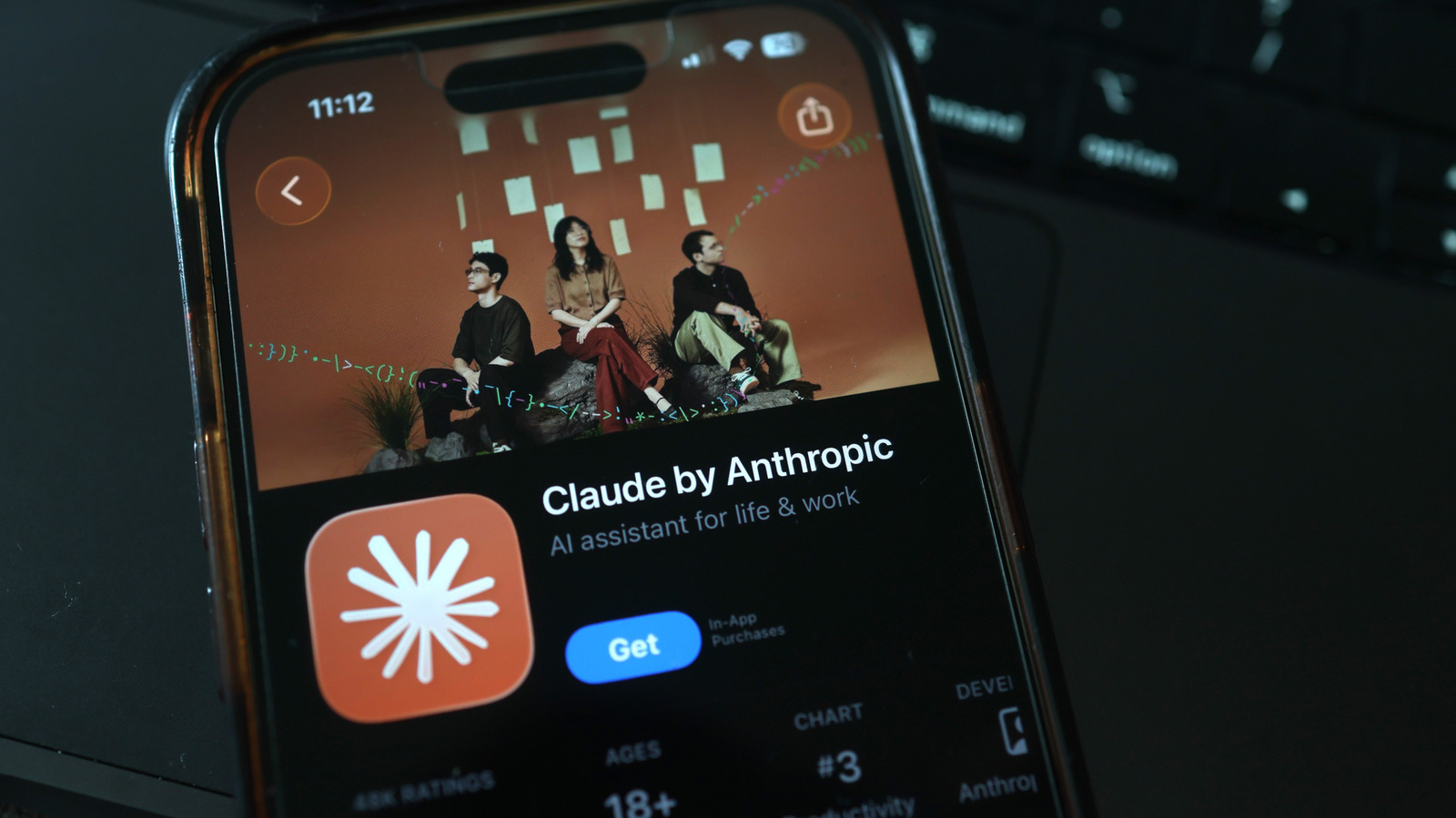
Anthropic has updated its rules to stop people being mean to Claude, apparently deciding that its AI chatbot needs protection from the humans paying to use it.
The AI developer’s latest usage policy prohibits “sustained and needless abusive or cruel behavior” toward its models. The rules take effect November 12, giving users just over a month to get any lingering insults out of their systems.
“The policy update is meant to apply only in extreme cases, where users repeatedly act cruelly toward our models, with no discernible purpose,” Anthropic said. “It does not apply to common versions of user frustration, pushback, dark creative themes, or model testing and research.”
So you can still tell Claude it is wrong, but repeatedly berating it for the sheer pleasure of doing so could land you in trouble. It’s not clear how Anthropic intends to distinguish between legitimate frustration and gratuitous cruelty, though it says Claude’s existing ability to end abusive conversations will remain its primary enforcement tool.
Anthropic gave Claude the ability to end certain conversations back in August 2025 as part of its research into what it calls “model welfare.” The feature lets some versions of Claude cut off users who persistently subject the models to abuse.