0

Texas sees political momentum for legalizing weed, but significant hurdles remain

The Texas Tribune Texas marijuana legalization is closer, but hurdles remain www.texastribune.org
preview

Sarah Todd, director of the Texas Cannabis Policy Center, felt confident that James Talarico would win his U.S. Senate seat on election night, but when she witnessed a complete blue wave wash over the state, she felt something else: optimism for an adult-use cannabis market in the Lone Star State.

“I’m very surprised and now very excited for this new day in Texas,” Todd said. “I think we have a very clear path to adult legalization in Texas.”

Lawmakers last week filed a slew of proposals ahead of the legislative session that starts in January, including several that would legalize, tax and regulate marijuana in Texas.

Adult-use cannabis bills have been submitted by lawmakers for the past several legislative sessions, but Republican-dominated health committees and the Senate often squashed them before they got far.

Todd said this is due to soon-to-be former Lt. Gov. Dan Patrick, who made it a priority to ban THC products last legislative session. But with new THC-friendly leadership being established in multiple state positions, the concept of legalizing marijuana has never been closer to a reality, Todd said.

“There are Republican senators who believe in cannabis law reform, and it remains to be seen what the environment in the Senate is going to be,” she said. “But I’m very hopeful and positive that we’re going to be having a lot different conversations than we’ve ever had in the past.”

If an adult-use cannabis program is approved in Texas, it will join a growing list of states that have created entire industries off a plant, but what that might mean for the current THC market in the state still needs to be figured out.

“Part of what we are working on is making sure that all stakeholders have a voice in this process,” Todd said.

122

Diplomatic sources: ‘The Netherlands is negotiating the dismantling of the International Criminal Court’

The Rights Forum Diplomatic sources: ‘The Netherlands is negotiating the dismantling of the International Criminal Court’ - The Rights Forum rightsforum.org
preview

cross-posted from : lemmy.world/post/54365981

cross-posted from : lemmy.world/post/54365981

46

Blunt Banhammer Blocks Basic Bots Ballistically

preview

I cut bot traffic to my site by over 80% with a simple trap. Last month, my hobby website OpenBenches.org transferred more than 2.5TB of data to visitors. As much as I’d like to think the site is enormously popular, it looks like it is just AI bots endlessly crawling the data and slurping up the images. So I’ve built B to be an indiscriminate tool to eradicate these unwanted parasites. It is…

I cut bot traffic to my site by over 80% with a simple trap. Last month, my hobby website OpenBenches.org transferred more than 2.5TB of data to visitors. As much as I’d like to think the site is enormously popular, it looks like it is just AI bots endlessly crawling the data and slurping up the images. So I’ve built B to be an indiscriminate tool to eradicate these unwanted parasites. It is…

220

Finland orders halt to work on two Google data centres

Finland orders halt to work on two Google data centres www.bbc.com
preview

Finnish authorities have ordered a halt to building work at two planned Google data centres amid concerns over the clearance of more than 300 hectares of forest.

The sites form part of Google’s record €13bn (£11bn; $15bn) investment in Finland, announced less than a month ago and described by the company as its largest single investment in Europe.

The Finnish Supervisory Agency (LVV) said work at one site was carried out without a mandatory environmental impact assessment and ordered measures that would “significantly alter the environment” to be suspended by 23 October.

Google said it had “fallen short of our own high standards in this instance” and would follow the agency’s guidance.

The orders relate to preparatory work carried out at the planned data centre sites in Muhos and Kajaani.

According to LVV’s head of environment Tommi Muilu, work at the sites included the removal of trees and topsoil, the construction of site roads and storage areas, and changes to ditches.

Tuike Finland, the company behind Google’s data centre projects, has been asked to provide an explanation and set out how it intends to proceed by 14 October. The agency said it could begin “enforcement proceedings” if the company failed to comply with its demand.

Hanna Halmeenpaa, chair of the Finnish Association for Nature Conservation, had previously told the AFP news agency that “nature sites which should be preserved” had been felled. The conservation group had previously called for work to be halted while the environmental requirements were examined.

In a statement to the BBC, Google said: “We understand the concerns and have fallen short of our own high standards in this instance.”

It said it had “acted in good faith under the Forestry Act”, carried out nature surveys and put measures in place to protect areas of high environmental value.

“As we continue our long-term work in the region, we are advancing our landscaping and biodiversity plans, which include tree planting across 130 hectares at Muhos,” the company added.

Google announced last month that it would invest at least €13bn (£11bn; $15bn) in Finland over 2027 and 2028. Its plans included new data centres in Kajaani, Muhos and Vaala, alongside investment in its existing facility in Hamina.

The company said the infrastructure would help it meet growing demand for services including Search, Maps and its AI assistant Gemini.

Google said the construction phase in 2027 and 2028 would support more than 37,000 jobs and contribute an average of €3.6bn a year to Finland’s economy.

As part of its expansion, Google also signed a 22-year power purchasing agreement with Finnish energy company Fortum covering up to half the capacity of the Loviisa nuclear power plant. Fortum said the agreement would help support the plant’s continued operation until 2050.

Finland has attracted growing interest in data centres, with its cool climate and low-carbon electricity among the factors making it attractive to developers. Lower temperatures can also reduce the energy required to cool facilities filled with computer servers.

0

Expansion at Marston Moreteyne School to help pupils ‘learn, discover and achieve their dreams’

preview

Expansion at Marston Moreteyne School to help pupils ‘learn, discover and achieve their dreams’ oliver.drackford Wed 18/11/2026 5:24pm

18 November 2026 Construction work is officially under way on major expansion projects at both sites of Marston Moreteyne VC School, with pupils declaring: “We are creating a space where future generations will learn, discover, and achieve their dreams.”

With a combined investment of £7.3 million across both sites, the projects form part of Central Bedfordshire Council’s wider programme to support schools’ recent transition to the primary and secondary education system across the Cranfield area.

Both sites of Marston Moreteyne VC School became primaries in September, enabling pupils to continue their education through to Year 6. The expansion works will increase capacity of both sites to 420 pupils and provide the additional teaching space and facilities needed to support the school’s growing role within the community.

The works will deliver new classrooms and improved facilities designed to support high-quality teaching and learning for current and future generations of pupils.

Pupils in attendance at a milestone ground-breaking event, delivered a joint speech, saying: “This new building will provide fantastic opportunities for learning, creativity and growth for children now and in the future.”

They added: “We are not only breaking ground for a new building - we are creating a space where future generations will learn, discover and achieve their dreams."

Councillor Gareth Mackey, Central Bedfordshire Council’s Executive Member for Children and Families, said: "It is fantastic to see work beginning on these important projects, which will help ensure children in Marston Moreteyne have access to the modern learning environments they deserve.

"The transition to a primary school was an important milestone for Marston Moreteyne VC School, and these investments will provide the additional space and facilities needed to support pupils throughout their primary education journey.

"These projects are about much more than buildings. They are about creating inspiring spaces where children can learn, develop, build confidence and achieve their potential, while ensuring local families can continue to access high-quality education within their community.

“I look forward to seeing the projects take shape over the coming months and the benefits they will bring to pupils, staff and families for many years to come.”

Amanda Watts and Nicky Straccia, Headteachers at Marston Moreteyne VC School, said: “We have been waiting for this opportunity for such a long time and we are very excited to be on the journey with staff, governors, parents and our amazing children to become a primary school. We look forward to shaping the future education of the children in our community.”

The expansion projects are expected to be completed in summer 2027, to support the school’s continued growth.


0

Florence Pugh Fires Back at Video Claiming She Used Plastic Surgery to Change Her Face: ‘Disturbing’ How ‘People Can’t Tell the Difference Between Aging and Surgery’

Variety Florence Pugh Fires Back at Video Claiming She Used Plastic Surgery to Change Her Face: ‘Disturbing’ How ‘People Can’t Tell the Difference Between Aging and Surgery’ variety.com
preview

Florence Pugh is shutting down speculation over whether or not she’s had plastic surgery done to her face. The Oscar nominee left a comment on an Instagram video posted by Evie magazine in which she called it “disturbing” how people can no longer tell the difference between natural aging and plastic surgery. The video called into question whether or not Pugh changed her face shape by going under the knife.

“Guys. I turned 30. I’m a woman. Body’s and faces change. It’s not that deep,” Pugh wrote. “The fact that people can’t even tell between what’s aging and what’s surgery is disturbing. Sadly puppy fluff doesn’t last forever.”

0

Forza Italia vuole combattere il caro carburante con un condono edilizio

preview

Forza Italia vuole combattere il caro carburante con un condono edilizio
@politica
https://pagellapolitica.it/articoli/condono-edilizio-forza-italia
Lo ha chiesto con un emendamento al disegno di legge di Bilancio, in discussione alla Camera, per destinare i ricavi della nuova sanatoria anche a misure contro l’aumento dei prezzi

0

🚋 Tramvia Togliatti, aggiornamento sui cantieri

La pagina collegata presenta l'episodio audio dedicato all'avanzamento dei cantieri della tramvia Togliatti. L'immagine associata è la copertina dell'episodio sulla piattaforma Spreaker. Il contenuto approfondisce gli interventi lungo il tracciato tra Ponte Mammolo e Subaugusta, con particolare riferimento al ponte di scavalco della ferrovia FL2, ai lavori all'incrocio con via Prenestina e alle attività previste nell'area del deposito di via Severini. L'episodio ha una durata di 5 minuti e 21 secondi.
preview

🚋 Tramvia Togliatti, aggiornamento sui cantieri

Proseguono i lavori della tramvia Togliatti tra Ponte Mammolo e Subaugusta. Nell’aggiornamento di novembre si segnalano l’avanzamento dei pilastri del ponte sulla FL2, il prossimo ripristino dell’incrocio con via Prenestina e le attività ancora necessarie per il deposito di via Severini. 🎧 #Roma #Tram

https://www.spreaker.com/episode/tramvia-togliatti-a-roma-a-che-punto-sono-i-cantieri-tra-ponte-mammolo-e-subaugusta–76335060

@Roma

0

Dai blackout al bugmageddon: i rischi della corsa alle patch nell’era dell’AI

preview

Dai blackout al bugmageddon: i rischi della corsa alle patch nell’era dell’AI

@informatica
Dai disservizi Microsoft ai problemi che hanno coinvolto banche, voli e servizi digitali americani, cresce il timore del “bugmageddon”. L’AI accelera la scoperta delle vulnerabilità, ma la corsa a correggerle può mettere a rischio la stabilità dei

0

Almost 1 in 4 Americans believe misinformation about cause of autism

preview

Nearly a quarter of Americans believe that childhood vaccines and taking acetaminophen (Tylenol) during pregnancy cause autism, despite no evidence to support those claims, a survey published late last week in JAMA Health Forum notes. The findings suggest that misinformation about autism persists and that better public health messaging is needed to combat it.

Nearly a quarter of Americans believe that childhood vaccines and taking acetaminophen (Tylenol) during pregnancy cause autism, despite no evidence to support those claims, a survey published late last week in JAMA Health Forum notes. The findings suggest that misinformation about autism persists and that better public health messaging is needed to combat it.

0

Le strategie di Cina e Stati Uniti sull’intelligenza artificiale

preview

Le strategie di Cina e Stati Uniti sull’intelligenza artificiale

@informatica
Potenza o efficienza? Mano libera o pianificazione? Modelli aperti o proprietari? Le due superpotenze stanno seguendo strade profondamente diverse nella corsa all’AI. A decretare il vincitore potrebbe però essere un altro elemento: chi riuscirà a sostenerne i costi.

L’articolo

0

Come valutare il particolato.

preview

Come valutare il particolato.

@scienza

https://ilblogdellasci.wordpress.com/2026/11/18/come-valutare-il-particolato/

Claudio Della Volpe Sabato scorso ho avuto modo di seguire un congresso medico sull’inquinamento atmosferico e nel preparare il mio contributo sulla definizione di inquinamento ho avuto modo di imparare un concetto secondo me utile. Di solito quando parliamo di … Continua a leggere →

0

Open Source e Software Libero: la soluzione etica tra vantaggi e svantaggi.

preview

Per fortuna c’è una soluzione al caos digitale di questi tempi: esistono i programmi davvero etici, quelli che non hanno proprietari né interessi, ma servono un solo padrone: tu.


Difficoltà: facile
Cosa sapere prima: cos’è l’etica digitale, che cos’è un programma.


Se hai letto gli articoli precedenti, a questo punto avrai già iniziato a capire come funzionano molte delle cose che usi tutti i giorni, ma permettimi comunque di fare un breve riassunto.

Ora saprai che ci sono grandi aziende (enormi aziende per meglio dire) che, per guadagnare miliardi e miliardi, vendono informazioni su di te ad altre aziende, affinché le sfruttino per venderti a loro volta qualsiasi cosa (o, nel peggiore dei casi, influenzare il tuo pensiero).

Saprai anche che tutte queste informazioni su di te vengono raccolte mentre navighi on line o mentre usi il tuo cellulare, e questa attività di esfiltrazione è – purtroppo – perfettamente legale, e avviene per mezzo dei programmi che usi. Parliamo degli stessi programmi che ti consentono di navigare, di aprire la posta elettronica, di vedere un video divertente o di fare una videochiamata alla zia ricca in America.

Tra tutti, i social network come Facebook, Instagram e Titkok sono forse i peggiori, perché al loro interno c’è un insieme di algoritmi (modi di funzionare dei programmi) che analizzano ciò che fai, con chi interagisci, che cosa vi dite. Una volta che gli algoritmi hanno capito che tipo di persona sei, ti proporranno annunci mirati per farti comprare cose o servizi, ma da lì a fare di peggio il passo è breve. Verrai portato ad acquistare cose che non ti servono, magari, o nel caso peggiore compariranno video mirati ad influenzare il tuo pensiero.

Sembra fantascienza, ma è realtà.

È il caso delle elezioni presidenziali rumene del novembre-dicembre 2024, in cui il candidato ultranazionalista indipendente Călin Georgescu è passato da sondaggi intorno all’1% a una vittoria al primo turno con il 23%, prima che la Corte Costituzionale annullasse il voto il 6 dicembre 2024.

Ora, finalmente, è arrivato il momento di prendere coscienza del nostro potere di utenti e consumatori.

Noi abbiamo il potere di cambiare le cose, e possiamo farlo in modo molto semplice: con le nostre scelte. Vediamo come.

Ti dicevo che esistono programmi il cui codice che li genera è aperto: tutti possono vederlo, usarlo e addirittura modificarlo: una grande garanzia di trasparenza. Questo non accade con i programmi comuni, il cui codice è chiuso, visibile solo da chi lo ha creato. I social network che ho citato sopra sono tutti a codice chiuso: nessuno può sapere come sono stati creati e cosa facciano i loro algoritmi.

Nell’articolo precedente ho chiamato “open source” i programmi con codice aperto, ma occorre fare una piccola precisazione.

Esistono i programmi a codice aperto (open source) ma esiste anche un’altra categoria di programmi, il software libero. Il software libero non è soltanto un programma a codice aperto: c’è di più. Un software libero puoi analizzarlo prendendo il suo codice dove è pubblicato, e sei libero di fare quello che ti pare con quel programma: puoi copiarlo, darlo a chi vuoi, usarlo per farci assolutamente quello che vuoi e modificarlo (in questo caso sei obbligato a redistribuirlo sotto forma di software libero).
Va da sé, dunque, che tutti i software liberi sono anche open source, ma non è detto che sia vero il contrario: esistono programmi open source che NON sono software liberi ma sono distribuiti con alcune limitazioni a cosa puoi farne o come puoi redistribuirli.

Scrivendo in questo blog, per semplicità userò sempre open source e free software come sinonimi, anche se sappiamo che non sono esattamente sinonimi.

L’open source ci dà molti vantaggi rispetto ai programmi commerciali:

  • Trasparenza: il codice è aperto, visibile a tutti. Se all’interno del codice ci fossero algoritmi poco etici o comportamenti scorretti verso l’utente, qualche sviluppatore nel mondo se ne accorgerebbe in breve tempo. Ti sembrerà strano, ma c’è chi ama controllare il codice nel tempo libero!
  • Etica: è una derivazione del punto precedente; se nel codice c’è qualcosa che è eticamente poco accettabile, un programmatore che se ne accorge potrebbe prendere il codice, modificarlo per renderlo migliore e poi redistribuirlo. E’ successo, e spesso gli utenti di un programma poco raccomandabile passano ad usare versioni migliori entro poco tempo dalla loro uscita. Inoltre, esistono programmatori indipendenti che sviluppano open source, i quali non hanno alcun interesse a inserire comportamenti poco trasparenti nel programma, semplicemente perché essi stessi sono i primi utenti del programma!
  • Gratuità: questa non è una regola scolpita sulla pietra, ma in genere i programmi open source sono anche gratuiti. Chi li sviluppa sceglie di essere ricompensato in altro modo: consulenze, supporto per il programma, donazioni (sì, anche donazioni, ed è molto importante sostenere chi sviluppa software open source, secondo me). D’altra parte il codice è lì, disponibile: che senso avrebbe fare pagare qualcosa per avere il programma?
  • Zero sbattimenti per licenze: nessuna licenza da attivare, nessun codice da inserire per far funzionare il programma, nessun limite di utenti che possono usarlo. Semplicemente si avvia il programma e questo funziona. Che senso avrebbe inserire richieste di licenze su software spesso gratuiti e con codice disponibile? Qualsiasi programmatore potrebbe scaricare il codice, togliere le limitazioni e ridistribuirlo.
    Nota: questo non significa che una licenza non ci sia; c’è e si accetta usando il programma, ma non prevede limiti di questo tipo.
  • Indipendenza e Sopravvivenza (nessuno stacca la spina): Se un’azienda decide di smettere di produrre un programma chiuso o, peggio, fallisce, quel programma muore. Se c’è un difetto, nessuno lo riparerà mai più e tu perdi il tuo strumento di lavoro. Con l’Open Source, il codice è pubblico: se il creatore originale si stanca e abbandona il progetto, la comunità (o una nuova azienda) può prendere il codice, rimboccarsi le maniche e continuare a portarlo avanti. Il programma sopravvive perché appartiene all’umanità, non a un singolo padrone.
  • Leggerezza e Longevità (rispetto per il tuo hardware): Le grandi aziende commerciali hanno tutto l’interesse a fare programmi sempre più “pesanti”, così sarai costretto a buttare il tuo vecchio computer per comprarne uno nuovo (è la famosa “obsolescenza programmata”). I programmi Open Source, invece, sono spesso scritti per essere leggeri ed efficienti. Hanno a cuore le prestazioni, non le vendite dei produttori di hardware. Spesso, installando programmi Open Source (o un sistema operativo Open Source come Linux, ma ne parleremo più avanti), puoi far resuscitare un computer di dieci anni fa che credevi da buttare. Per capirci, io stesso sto scrivendo questo articolo su un portatile Toshiba acquistato nel 2006. Sì, hai letto bene: il mio portatile ha quasi 21 anni, e lo sto ancora usando per compiti leggeri come la scrittura o la navigazione in internet.
  • Privacy e rispetto dei dati: Se un programma non deve rispondere agli azionisti per generare profitti miliardari vendendo pubblicità, non ha nessun motivo di spiarti. Gran parte dei programmi Open Source non ha alcun interesse a sapere quanto tempo passi davanti allo schermo o a rubare i tuoi dati, semplicemente perché chi li ha scritti non saprebbe cosa farsene. Il programma fa solo quello per cui è stato creato, in silenzio, rispettando la tua quiete.

Non tutto è rose e fiori, però. Per onestà devo anche riportarti quelli che sono gli svantaggi del modello open source, che in parte spiegano perché esistono ancora i software di tipo comune, quelli che raccolgono dati su di te.

Scegliere l’Open Source significa fare una scelta etica, ma comporta anche qualche piccolo sacrificio pratico. Ecco quali sono gli scogli principali in cui potresti imbatterti:

  • La fatica di cambiare abitudine: Le aziende commerciali spendono milioni di dollari per studiare interfacce colorate e accattivanti, progettate per farti trovare tutto subito (e a volte darti dipendenza: non sto scherzando, intendo in senso letterale). I programmi Open Source, essendo spesso creati da volontari che badano al sodo, a volte hanno un aspetto un po’ più spartano. I pulsanti potrebbero trovarsi in posti diversi rispetto a quelli a cui sei abituato da anni. Scegliere l’Open Source significa avere la pazienza di reimparare a usare uno strumento. E cambiare abitudine, si sa, costa sempre un po’ di fatica. Non è sempre vero: ci sono programmi open source che sono addirittura più semplici da usare rispetto a quelli commerciali, ma ho preferito renderti consapevole che la fatica di reimparare può capitare.

  • Niente “numero verde” per l’assistenza: Se il tuo programma a codice chiuso ha un problema, di solito c’è un’azienda dietro a cui puoi chiedere (o pretendere) assistenza. D’altra parte, hai pagato il programma o un abbonamento, no? Se un programma Open Source fa i capricci, non c’è quasi mai un “servizio clienti” da chiamare. Devi armarti di pazienza, cercare la soluzione su un motore di ricerca o chiedere aiuto nei forum online. La buona notizia è che le comunità di appassionati dietro a questi programmi sono solitamente gentilissime e pronte ad aiutare i nuovi arrivati, ma devi essere tu a fare il primo passo per chiedere.

  • Il problema della compatibilità (il mondo usa ancora software chiuso): Questo forse è l’ostacolo più noioso nel lavoro di tutti i giorni. Se scrivi un documento con un programma Open Source (ad esempio LibreOffice, un’ottima alternativa a Word) e lo mandi a un collega che usa i programmi Microsoft, potrebbe succedere che l’impaginazione cambi leggermente, o che un’immagine si sposti. Questo accade (sempre meno spesso, a dire il vero), perché le aziende commerciali usano formati chiusi proprio per costringere tutti a usare i loro programmi. Scegliere l’Open Source a volte significa dover fare i conti con un mondo che parla ancora la lingua del software chiuso.
    Un’altra cosa che può succedere è che, magari, una certa funzione specifica che ti aiuta molto nel tuo lavoro non si a disponibile in nessun programma Open Source. Credimi, ne so qualcosa: nel tempo libero sono fotografo e non ho ancora trovato un programma a codice aperto che consenta di sviluppare foto con la stessa rapidità di programmi a codice chiuso.

Al di là di vantaggi e svantaggi, è bene chiarire una cosa.

Introduciamo il concetto di vulnerabilità di un software. Una vulnerabilità è la condizione per cui un programma può essere usato in un modo per il quale non era stato progettato, ad esempio per intrufolarsi nei server di un’azienda o nei computer dei privati, e rubare i loro dati (oppure fare compiere a quei server/computer azioni utili a chi ci è entrato abusivamente).

E’ un concetto che può sembrare un po’ difficile da capire, se non si è dei tecnici che lavorano su questi temi, ma prendimi in parola: è possibile, e succede quotidianamente.

Ci sono malintenzionati in tutto il mondo (governi di alcuni Paesi inclusi) che lo fanno regolarmente, sia per spionaggio che per creare destabilizzazione, come ad esempio nel recente caso dei frigoriferi francesi, in cui sono state letteralmente buttate tonnellate di cibo avariato. Non entro nel merito di come i malintenzionati ci siano riusciti, o del perché, ma voglio passarti l’informazione che si può fare.

Sgomberiamo il campo da ogni dubbio: anche il software a codice aperto presenta vulnerabilità, come qualsiasi altro software.

E, come in qualsiasi altro software, chi sviluppa i programmi open source corregge le vulnerabilità esistenti il prima possibile. In altre parole, un software open source non è più vulnerabile dei software a pagamento. Dipende dai casi.

Chiariti tutti questi punti, quale software scegliere, dunque?

Io credo che non dovremmo mai dimenticare cosa c’è in gioco: i nostri dati, la nostra vita (non solo) digitale e la nostra privacy.
Se vogliamo che le cose cambino, dobbiamo compiere le nostre scelte sull’etica, optando per strumenti informatici che ci tutelino davvero: i software liberi e open source.

Questo è il nostro super potere: scegliere strumenti davvero etici, anche se usarli ci richiede un piccolo sforzo di cambiamento, anche se occorre metterci alla ricerca di cose che non consociamo ancora, ma io sono qui proprio per questo: per aiutarti a comprendere e cambiare. E ci sono tante altre risorse, là fuori, che ti possono aiutare a farlo.

Da soli siamo prodotti, insieme possiamo essere una comunità.

Come sempre in tutti gli articoli, voglio essere molto onesto con te: non è sempre facile trovare software liberi che possano sostituire i software proprietari (quelli commerciali che hai conosciuto finora).
Non è sempre semplice, ma la posta in gioco è troppo alta per non agire.

Non è impossibile usare solo software open source nella propria vita, ma se le esigenze personali o di lavoro sono tante e diversificate, può non essere sempre possibile. Io stesso mi ritrovo in questa condizione: devo usare alcuni software proprietari (più avanti ti racconterò quali di preciso), ma anche in questi casi è sempre possibile adottare una soluzione ibrida:

  • Software proprietari assolutamente indispensabili
  • Software open source per qualsiasi cosa sia possibile
  • Sostituzione della maggior parte dei software proprietari con soluzioni aperte ed etiche.

Che ne pensi?

Come possiamo farlo? Nei prossimi articoli ti darò alcune delle risposte possibili per le esigenze più comuni, ma voglio cominciare da una delle cose più critiche per questo periodo storico, i social network, che come detto sono alcuni tra i software potenzialmente più pericolosi perché creano dipendenza, e possono influenzare il nostro pensiero.

Non vedo l’ora di scrivere i prossimi articoli.

Ancora un po’ di pazienza e saprai cosa puoi fare per sostituire Facebook, Instagram, X, Youtube, Threads e tutti gli altri con nuovi social, etici, di cui probabilmente non hai mai sentito parlare.

Partiremo anzitutto dal capire quali sono le alternative e come funzionano.

Per fortuna c’è una soluzione al caos digitale di questi tempi: esistono i programmi davvero etici, quelli che non hanno proprietari né interessi, ma servono un solo padrone: tu.


Difficoltà: facile
Cosa sapere prima: cos’è l’etica digitale, che cos’è un programma.


Se hai letto gli articoli precedenti, a questo punto avrai già iniziato a capire come funzionano molte delle cose che usi tutti i giorni, ma permettimi comunque di fare un breve riassunto.

Ora saprai che ci sono grandi aziende (enormi aziende per meglio dire) che, per guadagnare miliardi e miliardi, vendono informazioni su di te ad altre aziende, affinché le sfruttino per venderti a loro volta qualsiasi cosa (o, nel peggiore dei casi, influenzare il tuo pensiero).

Saprai anche che tutte queste informazioni su di te vengono raccolte mentre navighi on line o mentre usi il tuo cellulare, e questa attività di esfiltrazione è – purtroppo – perfettamente legale, e avviene per mezzo dei programmi che usi. Parliamo degli stessi programmi che ti consentono di navigare, di aprire la posta elettronica, di vedere un video divertente o di fare una videochiamata alla zia ricca in America.

Tra tutti, i social network come Facebook, Instagram e Titkok sono forse i peggiori, perché al loro interno c’è un insieme di algoritmi (modi di funzionare dei programmi) che analizzano ciò che fai, con chi interagisci, che cosa vi dite. Una volta che gli algoritmi hanno capito che tipo di persona sei, ti proporranno annunci mirati per farti comprare cose o servizi, ma da lì a fare di peggio il passo è breve. Verrai portato ad acquistare cose che non ti servono, magari, o nel caso peggiore compariranno video mirati ad influenzare il tuo pensiero.

Sembra fantascienza, ma è realtà.

È il caso delle elezioni presidenziali rumene del novembre-dicembre 2024, in cui il candidato ultranazionalista indipendente Călin Georgescu è passato da sondaggi intorno all’1% a una vittoria al primo turno con il 23%, prima che la Corte Costituzionale annullasse il voto il 6 dicembre 2024.

Ora, finalmente, è arrivato il momento di prendere coscienza del nostro potere di utenti e consumatori.

Noi abbiamo il potere di cambiare le cose, e possiamo farlo in modo molto semplice: con le nostre scelte. Vediamo come.

Ti dicevo che esistono programmi il cui codice che li genera è aperto: tutti possono vederlo, usarlo e addirittura modificarlo: una grande garanzia di trasparenza. Questo non accade con i programmi comuni, il cui codice è chiuso, visibile solo da chi lo ha creato. I social network che ho citato sopra sono tutti a codice chiuso: nessuno può sapere come sono stati creati e cosa facciano i loro algoritmi.

Nell’articolo precedente ho chiamato “open source” i programmi con codice aperto, ma occorre fare una piccola precisazione.

Esistono i programmi a codice aperto (open source) ma esiste anche un’altra categoria di programmi, il software libero. Il software libero non è soltanto un programma a codice aperto: c’è di più. Un software libero puoi analizzarlo prendendo il suo codice dove è pubblicato, e sei libero di fare quello che ti pare con quel programma: puoi copiarlo, darlo a chi vuoi, usarlo per farci assolutamente quello che vuoi e modificarlo (in questo caso sei obbligato a redistribuirlo sotto forma di software libero).
Va da sé, dunque, che tutti i software liberi sono anche open source, ma non è detto che sia vero il contrario: esistono programmi open source che NON sono software liberi ma sono distribuiti con alcune limitazioni a cosa puoi farne o come puoi redistribuirli.

Scrivendo in questo blog, per semplicità userò sempre open source e free software come sinonimi, anche se sappiamo che non sono esattamente sinonimi.

L’open source ci dà molti vantaggi rispetto ai programmi commerciali:

  • Trasparenza: il codice è aperto, visibile a tutti. Se all’interno del codice ci fossero algoritmi poco etici o comportamenti scorretti verso l’utente, qualche sviluppatore nel mondo se ne accorgerebbe in breve tempo. Ti sembrerà strano, ma c’è chi ama controllare il codice nel tempo libero!
  • Etica: è una derivazione del punto precedente; se nel codice c’è qualcosa che è eticamente poco accettabile, un programmatore che se ne accorge potrebbe prendere il codice, modificarlo per renderlo migliore e poi redistribuirlo. E’ successo, e spesso gli utenti di un programma poco raccomandabile passano ad usare versioni migliori entro poco tempo dalla loro uscita. Inoltre, esistono programmatori indipendenti che sviluppano open source, i quali non hanno alcun interesse a inserire comportamenti poco trasparenti nel programma, semplicemente perché essi stessi sono i primi utenti del programma!
  • Gratuità: questa non è una regola scolpita sulla pietra, ma in genere i programmi open source sono anche gratuiti. Chi li sviluppa sceglie di essere ricompensato in altro modo: consulenze, supporto per il programma, donazioni (sì, anche donazioni, ed è molto importante sostenere chi sviluppa software open source, secondo me). D’altra parte il codice è lì, disponibile: che senso avrebbe fare pagare qualcosa per avere il programma?
  • Zero sbattimenti per licenze: nessuna licenza da attivare, nessun codice da inserire per far funzionare il programma, nessun limite di utenti che possono usarlo. Semplicemente si avvia il programma e questo funziona. Che senso avrebbe inserire richieste di licenze su software spesso gratuiti e con codice disponibile? Qualsiasi programmatore potrebbe scaricare il codice, togliere le limitazioni e ridistribuirlo.
    Nota: questo non significa che una licenza non ci sia; c’è e si accetta usando il programma, ma non prevede limiti di questo tipo.
  • Indipendenza e Sopravvivenza (nessuno stacca la spina): Se un’azienda decide di smettere di produrre un programma chiuso o, peggio, fallisce, quel programma muore. Se c’è un difetto, nessuno lo riparerà mai più e tu perdi il tuo strumento di lavoro. Con l’Open Source, il codice è pubblico: se il creatore originale si stanca e abbandona il progetto, la comunità (o una nuova azienda) può prendere il codice, rimboccarsi le maniche e continuare a portarlo avanti. Il programma sopravvive perché appartiene all’umanità, non a un singolo padrone.
  • Leggerezza e Longevità (rispetto per il tuo hardware): Le grandi aziende commerciali hanno tutto l’interesse a fare programmi sempre più “pesanti”, così sarai costretto a buttare il tuo vecchio computer per comprarne uno nuovo (è la famosa “obsolescenza programmata”). I programmi Open Source, invece, sono spesso scritti per essere leggeri ed efficienti. Hanno a cuore le prestazioni, non le vendite dei produttori di hardware. Spesso, installando programmi Open Source (o un sistema operativo Open Source come Linux, ma ne parleremo più avanti), puoi far resuscitare un computer di dieci anni fa che credevi da buttare. Per capirci, io stesso sto scrivendo questo articolo su un portatile Toshiba acquistato nel 2006. Sì, hai letto bene: il mio portatile ha quasi 21 anni, e lo sto ancora usando per compiti leggeri come la scrittura o la navigazione in internet.
  • Privacy e rispetto dei dati: Se un programma non deve rispondere agli azionisti per generare profitti miliardari vendendo pubblicità, non ha nessun motivo di spiarti. Gran parte dei programmi Open Source non ha alcun interesse a sapere quanto tempo passi davanti allo schermo o a rubare i tuoi dati, semplicemente perché chi li ha scritti non saprebbe cosa farsene. Il programma fa solo quello per cui è stato creato, in silenzio, rispettando la tua quiete.

Non tutto è rose e fiori, però. Per onestà devo anche riportarti quelli che sono gli svantaggi del modello open source, che in parte spiegano perché esistono ancora i software di tipo comune, quelli che raccolgono dati su di te.

Scegliere l’Open Source significa fare una scelta etica, ma comporta anche qualche piccolo sacrificio pratico. Ecco quali sono gli scogli principali in cui potresti imbatterti:

  • La fatica di cambiare abitudine: Le aziende commerciali spendono milioni di dollari per studiare interfacce colorate e accattivanti, progettate per farti trovare tutto subito (e a volte darti dipendenza: non sto scherzando, intendo in senso letterale). I programmi Open Source, essendo spesso creati da volontari che badano al sodo, a volte hanno un aspetto un po’ più spartano. I pulsanti potrebbero trovarsi in posti diversi rispetto a quelli a cui sei abituato da anni. Scegliere l’Open Source significa avere la pazienza di reimparare a usare uno strumento. E cambiare abitudine, si sa, costa sempre un po’ di fatica. Non è sempre vero: ci sono programmi open source che sono addirittura più semplici da usare rispetto a quelli commerciali, ma ho preferito renderti consapevole che la fatica di reimparare può capitare.

  • Niente “numero verde” per l’assistenza: Se il tuo programma a codice chiuso ha un problema, di solito c’è un’azienda dietro a cui puoi chiedere (o pretendere) assistenza. D’altra parte, hai pagato il programma o un abbonamento, no? Se un programma Open Source fa i capricci, non c’è quasi mai un “servizio clienti” da chiamare. Devi armarti di pazienza, cercare la soluzione su un motore di ricerca o chiedere aiuto nei forum online. La buona notizia è che le comunità di appassionati dietro a questi programmi sono solitamente gentilissime e pronte ad aiutare i nuovi arrivati, ma devi essere tu a fare il primo passo per chiedere.

  • Il problema della compatibilità (il mondo usa ancora software chiuso): Questo forse è l’ostacolo più noioso nel lavoro di tutti i giorni. Se scrivi un documento con un programma Open Source (ad esempio LibreOffice, un’ottima alternativa a Word) e lo mandi a un collega che usa i programmi Microsoft, potrebbe succedere che l’impaginazione cambi leggermente, o che un’immagine si sposti. Questo accade (sempre meno spesso, a dire il vero), perché le aziende commerciali usano formati chiusi proprio per costringere tutti a usare i loro programmi. Scegliere l’Open Source a volte significa dover fare i conti con un mondo che parla ancora la lingua del software chiuso.
    Un’altra cosa che può succedere è che, magari, una certa funzione specifica che ti aiuta molto nel tuo lavoro non si a disponibile in nessun programma Open Source. Credimi, ne so qualcosa: nel tempo libero sono fotografo e non ho ancora trovato un programma a codice aperto che consenta di sviluppare foto con la stessa rapidità di programmi a codice chiuso.

Al di là di vantaggi e svantaggi, è bene chiarire una cosa.

Introduciamo il concetto di vulnerabilità di un software. Una vulnerabilità è la condizione per cui un programma può essere usato in un modo per il quale non era stato progettato, ad esempio per intrufolarsi nei server di un’azienda o nei computer dei privati, e rubare i loro dati (oppure fare compiere a quei server/computer azioni utili a chi ci è entrato abusivamente).

E’ un concetto che può sembrare un po’ difficile da capire, se non si è dei tecnici che lavorano su questi temi, ma prendimi in parola: è possibile, e succede quotidianamente.

Ci sono malintenzionati in tutto il mondo (governi di alcuni Paesi inclusi) che lo fanno regolarmente, sia per spionaggio che per creare destabilizzazione, come ad esempio nel recente caso dei frigoriferi francesi, in cui sono state letteralmente buttate tonnellate di cibo avariato. Non entro nel merito di come i malintenzionati ci siano riusciti, o del perché, ma voglio passarti l’informazione che si può fare.

Sgomberiamo il campo da ogni dubbio: anche il software a codice aperto presenta vulnerabilità, come qualsiasi altro software.

E, come in qualsiasi altro software, chi sviluppa i programmi open source corregge le vulnerabilità esistenti il prima possibile. In altre parole, un software open source non è più vulnerabile dei software a pagamento. Dipende dai casi.

Chiariti tutti questi punti, quale software scegliere, dunque?

Io credo che non dovremmo mai dimenticare cosa c’è in gioco: i nostri dati, la nostra vita (non solo) digitale e la nostra privacy.
Se vogliamo che le cose cambino, dobbiamo compiere le nostre scelte sull’etica, optando per strumenti informatici che ci tutelino davvero: i software liberi e open source.

Questo è il nostro super potere: scegliere strumenti davvero etici, anche se usarli ci richiede un piccolo sforzo di cambiamento, anche se occorre metterci alla ricerca di cose che non consociamo ancora, ma io sono qui proprio per questo: per aiutarti a comprendere e cambiare. E ci sono tante altre risorse, là fuori, che ti possono aiutare a farlo.

Da soli siamo prodotti, insieme possiamo essere una comunità.

Come sempre in tutti gli articoli, voglio essere molto onesto con te: non è sempre facile trovare software liberi che possano sostituire i software proprietari (quelli commerciali che hai conosciuto finora).
Non è sempre semplice, ma la posta in gioco è troppo alta per non agire.

Non è impossibile usare solo software open source nella propria vita, ma se le esigenze personali o di lavoro sono tante e diversificate, può non essere sempre possibile. Io stesso mi ritrovo in questa condizione: devo usare alcuni software proprietari (più avanti ti racconterò quali di preciso), ma anche in questi casi è sempre possibile adottare una soluzione ibrida:

  • Software proprietari assolutamente indispensabili
  • Software open source per qualsiasi cosa sia possibile
  • Sostituzione della maggior parte dei software proprietari con soluzioni aperte ed etiche.

Che ne pensi?

Come possiamo farlo? Nei prossimi articoli ti darò alcune delle risposte possibili per le esigenze più comuni, ma voglio cominciare da una delle cose più critiche per questo periodo storico, i social network, che come detto sono alcuni tra i software potenzialmente più pericolosi perché creano dipendenza, e possono influenzare il nostro pensiero.

Non vedo l’ora di scrivere i prossimi articoli.

Ancora un po’ di pazienza e saprai cosa puoi fare per sostituire Facebook, Instagram, X, Youtube, Threads e tutti gli altri con nuovi social, etici, di cui probabilmente non hai mai sentito parlare.

Partiremo anzitutto dal capire quali sono le alternative e come funzionano.

0

‘I admire you’: Transcript of Biden’s final call with Netanyahu clashes with his memoir - exclusive

The Jerusalem Post | JPost.com US president Joe Biden’s final call with Benjamin Netanyahu clashes with his memoir | The Jerusalem Post www.jpost.com
preview

A transcript obtained by the ‘Post’ records Biden praising Netanyahu’s courage after months of disagreements over the war, weapons supplies, and Palestinian statehood.

A transcript obtained by the ‘Post’ records Biden praising Netanyahu’s courage after months of disagreements over the war, weapons supplies, and Palestinian statehood.

634

Protesters break into Microsoft data center site in Amsterdam - Europe is witnessing a wave of protests against data centers.

The Verge Protesters break into Microsoft data center site in Amsterdam www.theverge.com
preview

cross-posted from: reddthat.com/post/76163261

Reuters reports that around 100 people made it into the construction site, with some scaling a crane to place a “fuck AI” banner. Protesters also unfurled a “Microsoft powers genocide” banner on the construction site, and chanted “Microsoft has got to go” and “free Palestine.”

0

Daily community recommendation: !fediverse@lemmy.world

preview

Fediverse— Join the Fediverse community for daily posts on ActivityPub services and moderation help.

45,002 subscribers
49 posts per month
1,969 comments per month

A community to talk about the Fediverse and all it’s related services using ActivityPub (Mastodon, Lemmy, Mbin, etc).

Sample discussion: size is not what made reddit bad. commercialization is. (479 votes, 212 comments)

➡️ !fediverse@lemmy.world (lemmy.world/c/fediverse)

Know an underrated community? Send the bot a private message with !suggest !community@instance and it joins the candidate pool.

592

Apple’s New CEO Is Reportedly Pushing to Stuff More AI into iPhones

Gizmodo Apple's CEO Reportedly Pushing for More AI Features, Faster gizmodo.com
preview

Apple CEO John Ternus pressured Apple senior VP of Software Engineering Craig Federighi to “accelerate the company’s road map and move quickly beyond merely making necessary improvements to Siri,” reports Bloomberg’s Mark Gurman in today’s Power On newsletter.

Citing anonymous sources, Gurman writes that Ternus is “frustrated by what he sees as a reluctance to embrace AI with the same urgency as competitors,” and pushed Federighi for changes in a meeting behind closed doors. Federighi, Gurman points out, has been considered an AI skeptic with concerns “about the technology’s privacy, security, societal and employment implications.”

0

[wwater.ca] Canada Wastewater Updates - November 18, 2026

preview

wwater.ca updated 2026-11-18 12:05pm (eastern):

Previous Updates Thread

wwater.ca updated 2026-11-18 12:05pm (eastern):

Previous Updates Thread

0

Sony and Rockstar say a new PS5 firmware update is mandatory to play GTA VI ahead of its November 19 launch; the update aims to combat rapid homebrew exploits (Wesley Yin-Poole/IGN)

Techmeme Sony and Rockstar say a new PS5 firmware update is mandatory to play GTA VI, which launches on November 19, likely in a bid to combat rapid homebrew exploits www.techmeme.com
preview

Wesley Yin-Poole / IGN: Sony and Rockstar say a new PS5 firmware update is mandatory to play GTA VI ahead of its November 19 launch; the update aims to combat rapid homebrew exploits  —  When will the Whac-A-Mole end?  —  Sony has confirmed that the recently released PS5 firmware 14.23 update is required to play GTA 6 …

Wesley Yin-Poole / IGN: Sony and Rockstar say a new PS5 firmware update is mandatory to play GTA VI ahead of its November 19 launch; the update aims to combat rapid homebrew exploits  —  When will the Whac-A-Mole end?  —  Sony has confirmed that the recently released PS5 firmware 14.23 update is required to play GTA 6 …

0

Norwegian Gas Giant Equinor Says It’s Under Cyberattack. Production Keeps Running

Security Affairs Norwegian Gas Giant Equinor Says It's Under Cyberattack. Production Keeps Running securityaffairs.com
preview

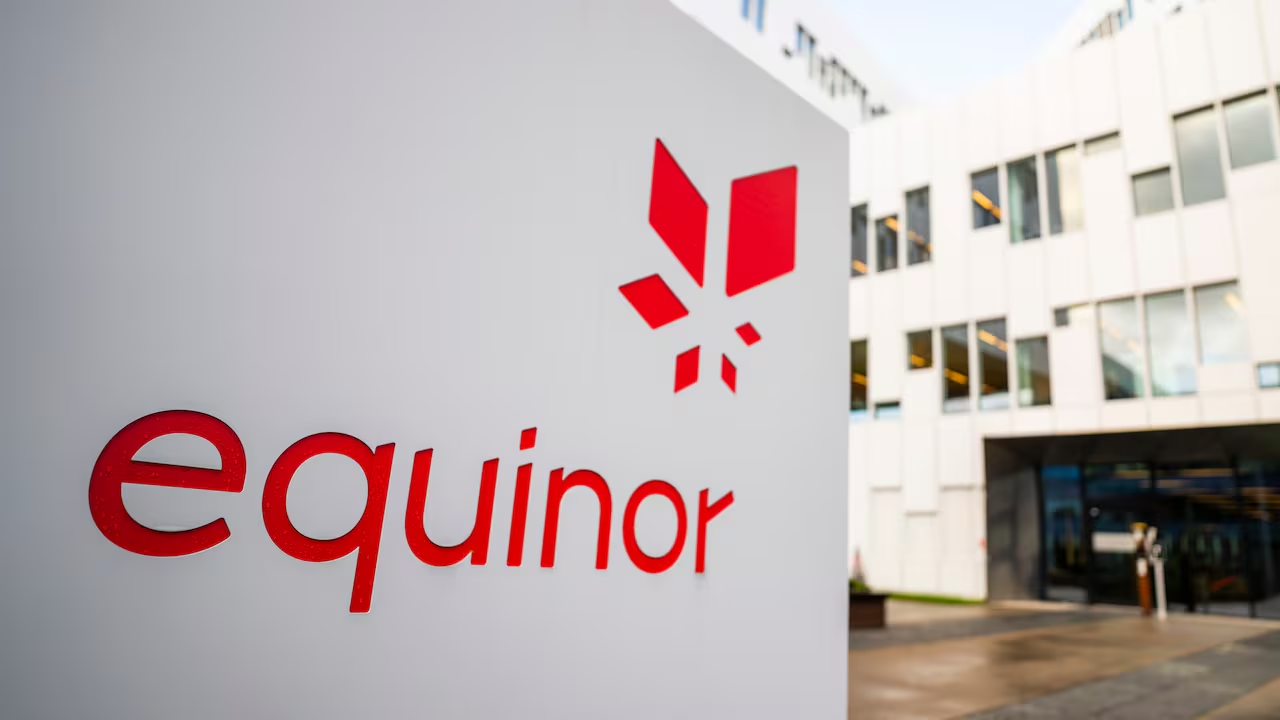
Norwegian Gas Giant Equinor confirms cyberattack on IT systems, with no impact on production or confirmed data theft. Equinor, Europe’s largest gas supplier, said on 17 November it had detected an ongoing cyberattack against some IT systems. The Norwegian company said the attack had not affected operations and production, and it had taken steps to […]

Norwegian Gas Giant Equinor confirms cyberattack on IT systems, with no impact on production or confirmed data theft. Equinor, Europe’s largest gas supplier, said on 17 November it had detected an ongoing cyberattack against some IT systems. The Norwegian company said the attack had not affected operations and production, and it had taken steps to […]

0

Hakeem Jeffries overwhelmingly wins House speaker nomination despite threats from ultra-progressives | CNN Politics

preview

Hakeem Jeffries is now all but certain to lead the House next January, a role that will make him the first Black speaker in US history as he oversees Democrats’ largest majority in years.

Roughly two weeks after their midterms romp, House Democrats voted to back Jeffries for the top job in the new Congress, despite some on the far-left clamoring for new leadership.

A small bloc of newly elected Democratic socialists had refused to publicly commit to Jeffries ahead of the leadership election, demanding concessions like votes for Medicare for All or a ban on arms sales to Israel.

But in the end, just 11 Democrats voted against him in the secret ballot vote, according to a source familiar with the vote, all but assuring he will win the gavel in the new Congress.

So, I guess there won’t be Medicare for all. Another do-nothing Democrat = Republicans winning back the House soon.

0

Object 91 - "The Recordless Player" - The Backrooms

The Backrooms Wiki Object 91 - "The Recordless Player" backrooms-wiki.wikidot.com
preview

Documenting the levels, entities, objects and phenomena of the Backrooms. You’ve been here before.

Documenting the levels, entities, objects and phenomena of the Backrooms. You’ve been here before.