0

PR #3526: please make the intentional crash work

preview

Testing a crash reporter should be easy: add a switch, kill our app, inspect the result A real iOS device turned that into a different bug when the signal got intercepted before termination We were no longer testing whether crashes were reported We were fixing why the deliberately broken part would not break, which is a strange thing to put in a pull request.

Testing a crash reporter should be easy: add a switch, kill our app, inspect the result A real iOS device turned that into a different bug when the signal got intercepted before termination We were no longer testing whether crashes were reported We were fixing why the deliberately broken part would not break, which is a strange thing to put in a pull request.

0

Arrête d'être flic

preview

[un policier traverse une porte ouverte vers laquelle une flèche le pousse, dans un dessin en rouge noir et blanc entouré de texte]
T’ES FLIC ?
BEN ARRÊTE

thebad.website/comic/stop_being_a_cop

[un policier traverse une porte ouverte vers laquelle une flèche le pousse, dans un dessin en rouge noir et blanc entouré de texte]
T’ES FLIC ?
BEN ARRÊTE

thebad.website/comic/stop_being_a_cop

0

Stop being a cop

preview

[a cop is shown leaving through a door, being shown the way out by a massive arrow, in a black red and white drawing surrounded by text]
YOU’RE A COP?
JUST QUIT

thebad.website/comic/stop_being_a_cop

[a cop is shown leaving through a door, being shown the way out by a massive arrow, in a black red and white drawing surrounded by text]
YOU’RE A COP?
JUST QUIT

thebad.website/comic/stop_being_a_cop

0

How fast will a government response be if a blackout occurred in the entire US & Canada?

preview

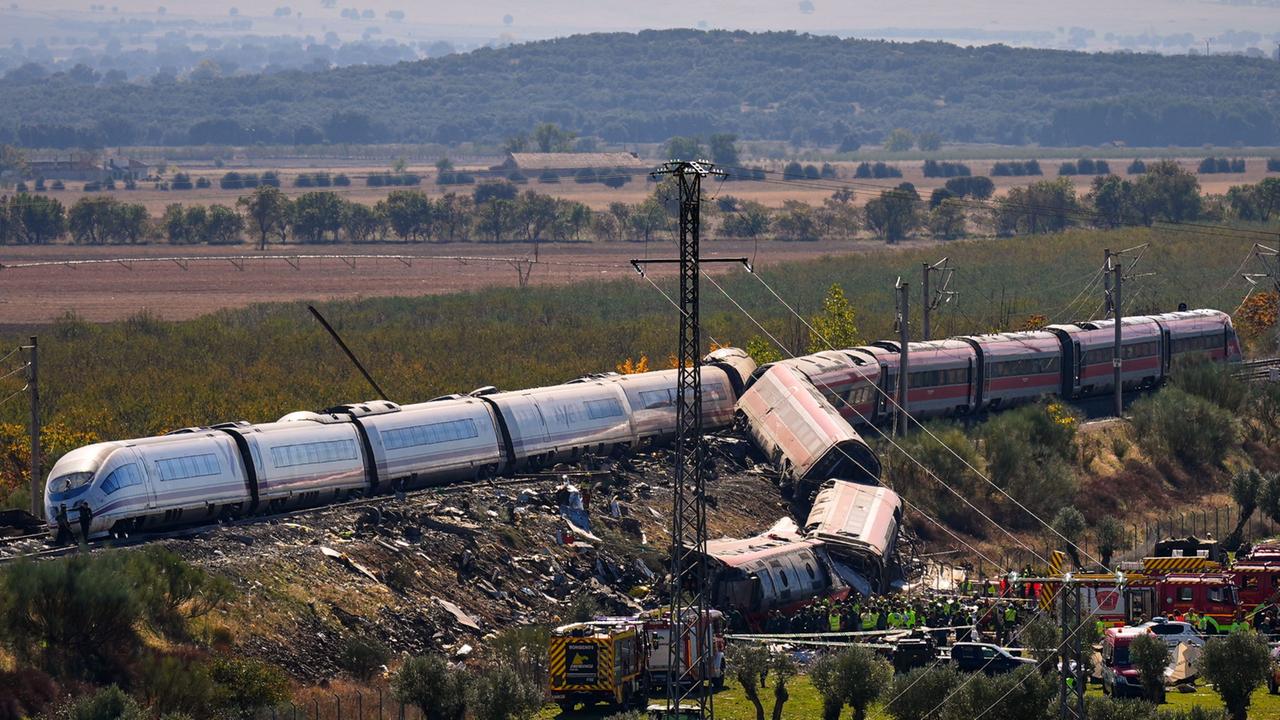
For perspective: there was a power outage that took place across the Iberian peninsula (affecting mainly Portugal and parts of both Spain & France back in 2025), at least people there didn’t resort to looting immediately the moment everything was in disaray (transit networks were down, internet & phone connections were offline, contactless payments were disrupted and people were made to leave public venues). At least, the federal governments of their countries managed to act fast the moment this occurred nationwide.

For perspective: there was a power outage that took place across the Iberian peninsula (affecting mainly Portugal and parts of both Spain & France back in 2025), at least people there didn’t resort to looting immediately the moment everything was in disaray (transit networks were down, internet & phone connections were offline, contactless payments were disrupted and people were made to leave public venues). At least, the federal governments of their countries managed to act fast the moment this occurred nationwide.

0

En Espagne, les éoliennes de dernière génération libèrent le paysage

preview

Près de La Corogne, en Galice, l’opérateur Endesa procède au remplacement de 40 turbines de trente ans d’âge par quatre éoliennes qui vont presque doubler la quantité d’électricité produite. Subventionnée par l’Union européenne, cette pratique est en plein développement dans la péninsule Ibérique.

Près de La Corogne, en Galice, l’opérateur Endesa procède au remplacement de 40 turbines de trente ans d’âge par quatre éoliennes qui vont presque doubler la quantité d’électricité produite. Subventionnée par l’Union européenne, cette pratique est en plein développement dans la péninsule Ibérique.

0

Dekolonizacja i Jej Publiczności - Kraków, 30.10.2026

preview

cross-posted from: szmer.info/post/16836588

cross-posted from: szmer.info/post/16836587

Wystawa o kolonialnym uwikłaniu zbiorów zajmuje dwie sale. Za nimi zaczyna się ekspozycja stała, w której nic się nie zmieniło. Zwiedzający wychodzą przekonani, że temat został przepracowany.

W polskich muzeach, domach kultury i na uczelniach dekolonizacja stała się hasłem, które łatwo odhaczyć. Brytyjskie muzea mają za sobą kilkanaście lat współpracy z diasporami, a także rozczarowań tą współpracą. Polskie dopiero zaczynają i od razu trafiają na publiczności, których się nie spodziewały: na diasporę, która przychodzi sprawdzić, jak się ją przedstawia; na muzealników, którzy widzą w tym politykę; na internautów, dla których każde słowo o rasie jest prowokacją. Na zajęciach z literatury postkolonialnej publicznością są studenci, którzy o Afryce wiedzą więcej z programów podróżniczych niż z powieści.

Rozmawiają Agnieszka Gondor-Wiercioch (UJ), Elżbieta Binczycka-Gacek (UJ) i Bartosz Wójcik (UMCS), którzy niedawno odwiedzali muzea w Wielkiej Brytanii, a na co dzień uczą literatury postkolonialnej i współpracują z muzeami i instytucjami kultury. Pytają, dla kogo właściwie się dekolonizuje, i zapraszają Państwa do tej rozmowy. Rozmowę poprowadzi Agata Mrowińska.

Agnieszka Gondor-Wiercioch – dr hab., adiunktka w Instytucie Amerykanistyki i Studiów Polonijnych na Uniwersytecie Jagiellońskim. Kierowniczka Zakładu Ameryki Łacińskiej. Prowadzi zajęcia z literatury latynoamerykańskiej, amerykańskiej i kanadyjskiej. Jej zainteresowania obejmują komparatystyczną analizę literatur etnicznych w USA, związki pomiędzy literaturą amerykańską a latynoamerykańską, transkulturację i dyskurs heterogeniczny.

Bartosz Wójcik – adiunkt w Katedrze Lingwistyki Stosowanej UMCS, współpomysłodawca Festiwalu Lublin Miasto Literatury (2025–), gospodarz Uniwersytetu Reggae / Ostróda Reggae Festiwal (2019–). Ostatnio przygotował przekład zbioru poezji Rifka Mohammeda el-Kurda (2025) oraz tomu wierszy Przenośny raj Rogera Robinsona (2026). Współopiekun psy Miry.

Elżbieta Binczycka-Gacek – kulturoznawczyni, adiunktka w Instytucie Studiów Międzykulturowych na Wydziale Studiów Międzynarodowych i Politycznych UJ, związana z projektem Critical Heritage Studies Hub. Specjalizuje się w Black Studies i badaniach postkolonialnych; jej główne zainteresowania koncentrują się wokół trudnego dziedzictwa niewolnictwa oraz pamięci kulturowej Czarnego Atlantyku.

Agata Mrowińska – doktorka nauk humanistycznych, specjalizuje się w literaturze karaibskiej, postkolonialnej i frankofońskiej. Szczególnie interesuje się zjawiskiem literatury oralnej i jej wpływem na kształtowanie tożsamości społecznej i kulturowej.

Wydarzenie zostało sfinansowane ze środków Wydziału Studiów Międzynarodowych i Politycznych w ramach Programu Strategicznego Inicjatywa Doskonałości w Uniwersytecie Jagiellońskim.

0

Dekolonizacja i Jej Publiczności - Kraków, 30.10.2026

preview

Wystawa o kolonialnym uwikłaniu zbiorów zajmuje dwie sale. Za nimi zaczyna się ekspozycja stała, w której nic się nie zmieniło. Zwiedzający wychodzą przekonani, że temat został przepracowany.

W polskich muzeach, domach kultury i na uczelniach dekolonizacja stała się hasłem, które łatwo odhaczyć. Brytyjskie muzea mają za sobą kilkanaście lat współpracy z diasporami, a także rozczarowań tą współpracą. Polskie dopiero zaczynają i od razu trafiają na publiczności, których się nie spodziewały: na diasporę, która przychodzi sprawdzić, jak się ją przedstawia; na muzealników, którzy widzą w tym politykę; na internautów, dla których każde słowo o rasie jest prowokacją. Na zajęciach z literatury postkolonialnej publicznością są studenci, którzy o Afryce wiedzą więcej z programów podróżniczych niż z powieści.

Rozmawiają Agnieszka Gondor-Wiercioch (UJ), Elżbieta Binczycka-Gacek (UJ) i Bartosz Wójcik (UMCS), którzy niedawno odwiedzali muzea w Wielkiej Brytanii, a na co dzień uczą literatury postkolonialnej i współpracują z muzeami i instytucjami kultury. Pytają, dla kogo właściwie się dekolonizuje, i zapraszają Państwa do tej rozmowy. Rozmowę poprowadzi Agata Mrowińska.

Agnieszka Gondor-Wiercioch – dr hab., adiunktka w Instytucie Amerykanistyki i Studiów Polonijnych na Uniwersytecie Jagiellońskim. Kierowniczka Zakładu Ameryki Łacińskiej. Prowadzi zajęcia z literatury latynoamerykańskiej, amerykańskiej i kanadyjskiej. Jej zainteresowania obejmują komparatystyczną analizę literatur etnicznych w USA, związki pomiędzy literaturą amerykańską a latynoamerykańską, transkulturację i dyskurs heterogeniczny.

Bartosz Wójcik – adiunkt w Katedrze Lingwistyki Stosowanej UMCS, współpomysłodawca Festiwalu Lublin Miasto Literatury (2025–), gospodarz Uniwersytetu Reggae / Ostróda Reggae Festiwal (2019–). Ostatnio przygotował przekład zbioru poezji Rifka Mohammeda el-Kurda (2025) oraz tomu wierszy Przenośny raj Rogera Robinsona (2026). Współopiekun psy Miry.

Elżbieta Binczycka-Gacek – kulturoznawczyni, adiunktka w Instytucie Studiów Międzykulturowych na Wydziale Studiów Międzynarodowych i Politycznych UJ, związana z projektem Critical Heritage Studies Hub. Specjalizuje się w Black Studies i badaniach postkolonialnych; jej główne zainteresowania koncentrują się wokół trudnego dziedzictwa niewolnictwa oraz pamięci kulturowej Czarnego Atlantyku.

Agata Mrowińska – doktorka nauk humanistycznych, specjalizuje się w literaturze karaibskiej, postkolonialnej i frankofońskiej. Szczególnie interesuje się zjawiskiem literatury oralnej i jej wpływem na kształtowanie tożsamości społecznej i kulturowej.

Wydarzenie zostało sfinansowane ze środków Wydziału Studiów Międzynarodowych i Politycznych w ramach Programu Strategicznego Inicjatywa Doskonałości w Uniwersytecie Jagiellońskim.

0

Stop ludobójczemu łańcuchowi dostaw ⛔️ zatrzymać dostawy TNT w porcie Gdańsk! - 30.10.2026

preview

cross-posted from: szmer.info/post/16836435

cross-posted from: szmer.info/post/16836434

30 października dniem historycznej mobilizacji dokerów! 🔥 W ponad 100 portach na świecie pracownicy portowi biorą sprawy w swoje ręcę, strajkując razem pod hasłem “Portowcy nie pracują w imię wojny". W Gdańsku zbieramy się solidarnie z dokerami o 12:00, pod siedzibą Zarządu Portu Morskiego, na ul. Zamkniętej 18.

Port Gdańsk, największy i najbardziej strategiczny port handlowy w Polsce, jest ważnym ogniwem w międzynarodowym łańcuchu dostaw od ponad trzech lat umożliwiających kontynuację ludobójstwa Palestyńczyków. To właśnie stąd do Stanów Zjednoczonych eksportowany jest trotyl (inaczej: TNT), wyprodukowany przez państwową spółkę Nitro-Chem w Bygdoszczy.

☢️ Eksport ten jest niezwykle niebezpieczny dla mieszkańców naszego miasta. Załadunek znacznej ilości trotylu odbywa się na nadbrzeżu ulokowanym w bezpośrednim sąsiedztwie dzielnic mieszkalnych Gdańska, zwłaszcza Nowego Portu i Stogów, niedaleko Stoczni Gdańskiej oraz zabytkowej Twierdzy Wisłoujście. Skutki przypadkowej detonacji takiej ilości materiałów wybuchowych mogłyby mieć konsekwencje porównywalne do wybuchu saletry w 2020 roku w Bejrucie, gdzie ponad 200 osób zginęło, a 300 000 straciło domy.

Każdego dnia, gdy zarządcy Portu Gdańsk przyzwalają na dalszy transport trotylu, przyzwalają tym samym na dalsze narażanie mieszkańców miasta i pracowników portowych na niebezpieczeństwo, bez ich wiedzy i woli. Przyzwalają też na niszczenie reputacji miasta Gdańsk, znanego od lat w Polsce i na świecie, jako „miasto wolności i solidarności”. Bez produkowanych w Polsce materiałów wybuchowych niemożliwe byłoby przeprowadzenie bombardowań w Gazie. To trotylem wypełniane są bomby odłamkowo-burzące serii MK-80 oraz pociski artyleryjskie 155mm, przekazywane w dziesiątkach tysięcy sztuk Izraelowi przez Stany Zjednoczone. Wspólnie świat woła o embargo na broń dla izraela. Sankcje gospodarcze i polityczne, wprowadzone dla Rosji powinny być wprowadzone dla izraela.

📣 Gdańszczanie i gdańszczanki, pracownicy portowi i mieszkańcy - w ten piątek o 12:00 pokażmy czym stoi dobre imię Gdańska. Okażmy solidarność, która tak jaskrawie tkwi w historii tego miasta, i stańmy razem pod siedzibą Zarządu Portu Morskiego w Gdańsku. Wraz z portowcami świata powiedzmy głośno dość - dość dalszej pracy na rzecz wojny, dość ludobójstwa na Palestyńczykach, dość normalizacji mordu w imię kolonizacji innych narodów.

⛓️‍💥 DOMAGAMY SIĘ:

  1. pełnego embarga na handel bronią z Izraelem
  2. wstrzymania dostaw polskiego trotylu (TNT), który może trafiać do amunicji używanej przez Izrael lub inne państwa łamiące międzynarodowe prawo humanitarne.
  3. zamknięcia luki prawnej dotyczącej eksportu trotylu i objęcia skuteczną kontrolą jego końcowego wykorzystania, również przez pośredników
  4. rzetelnego, niezależnego śledztwa dot. roli Nitro-Chem i polskiego łańcucha dostaw
  5. kompleksowego zbadania skażenia terenów wokół Nitro-Chem, regularnych badań zdrowia mieszkańców Bydgoszczy oraz pełnej kontroli środowiskowej wobec planowanej rozbudowy produkcji trotylu
  6. skutecznej ochrony pracowników portowych i mieszkańców Gdańska przed ryzykiem związanym z transportem materiałów wybuchowych
0

Custodia magnetica MoKo per Kindle Paperwhite e Colorsoft

Custodia MoKo per Kindle Paperwhite e Colorsoft mondoprezzo.it
preview

Questa custodia è pensata per alcuni Kindle da 7 pollici delle generazioni 2024 e 2025 indicate in scheda. Offre retro trasparente, cover staccabile magnetica, chiusura automatica con apertura/chiusura del coperchio e struttura ibrida con materiali diversi per protezione e leggerezza. Le recensioni riportate in scheda parlano soprattutto di praticità, estetica, buona protezione e magnete convincente, mentre il rapporto qualità-prezzo è percepito in modo più variabile.

Questa custodia è pensata per alcuni Kindle da 7 pollici delle generazioni 2024 e 2025 indicate in scheda. Offre retro trasparente, cover staccabile magnetica, chiusura automatica con apertura/chiusura del coperchio e struttura ibrida con materiali diversi per protezione e leggerezza. Le recensioni riportate in scheda parlano soprattutto di praticità, estetica, buona protezione e magnete convincente, mentre il rapporto qualità-prezzo è percepito in modo più variabile.

0

Lickity Split

preview

From Steve Gettle

“Lickity Split - Breakfast” - Panther Chameleon - Eastern Madagascar CC

A dramatic pause - both eyes swivel forward locking on the target and… SNAP! in an instant the tongue flashes and breakfast is served.

Good Luck and Good Light! Steve and Nicole

Image: Panther Chameleon - Eastern Madagascar CC Nikon Z9, Nikkor 100-400mm, 1/2000th @ f5.6, ISO 2000, Image cropped 20% for final composition.

0

Popular Portland ice cream shop details looming closure, asks for community help to stay open

preview

Cloud City is the best ice cream in the city, and I really don’t want them to have to close. The article doesn’t have a direct link to the fundraiser, but it does link to their instagram, which does have a link. Or if you don’t even want to click an instagram link, which I get, you can just search Cloud City from the go fund me home page.

Cloud City is the best ice cream in the city, and I really don’t want them to have to close. The article doesn’t have a direct link to the fundraiser, but it does link to their instagram, which does have a link. Or if you don’t even want to click an instagram link, which I get, you can just search Cloud City from the go fund me home page.

0

China's families are now supporting more old people than kids

China's families are now supporting more old people than kids www.bbc.com
preview

Archived

[…]

Official data released in the last week show the ratio of China’s dependent elderly people compared to the working age population rose to 23% last year, overtaking the figure for children, which stood at 22%.

The numbers are closely watched for signs of how China’s shrinking workforce will impact both the world’s second largest economy and global growth as a whole.

The latest figures mark a significant milestone as China grapples with an ageing population that could have implications for families, pensions and healthcare spending, analysts say.

[…]

The demographic shift is “symbolic” and could suggest more public spending will move from families and schools to pensions and healthcare, said Professor Stuart Gietel-Basten from The Hong Kong University of Science and Technology.

It may also pose a challenge to the country’s ambitions, as it could limit its economic growth as well as people’s spending power, said National University of Singapore sociology lecturer Mu Zheng.

[…]

China’s ageing population has been driven by a mix of factors, including rapid urbanisation and the effects of the controversial one-child policy, which was in place from 1980 to the end of 2015.

[…]

Despite easing restrictions on the size of families, Beijing has struggled to persuade couples to have more children, with birth rates hitting historic lows.

Other contributing factors include changing gender roles, rising living costs and higher education levels that have put pressure on fertility rates, Mu said.

[…]

As a result, China’s birth rate hits record low as population continues to shrink.

Government data on Monday showed that the country’s birth rate fell to 5.63 per 1,000 people – a record low since the Communist Party took power in 1949 – while its death rate rose to 8.04 per 1,000 people, the highest since 1968.

Its population fell 3.39 million to reach 1.4 billion by the end of 2025, marking a quicker decline than the previous year …

China has one of the lowest fertility rates in the world, at around one birth per woman, below the replacement rate of 2.1. Other economies in the region, such as South Korea, Singapore and Taiwan, have similarly low fertility rates …

China is also one of the most expensive countries in which to raise a child, according to a 2024 report by the YuWa Population Research Institute in Beijing …

0

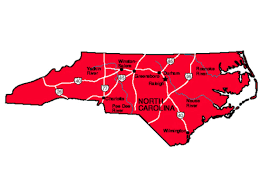
Hurricane Helene haunts the midterms in North Carolina

Grist Hurricane Helene haunts the midterms in North Carolina grist.org
preview

cross-posted from: lemmy.world/post/53686521

cross-posted from: lemmy.world/post/53686520

cross-posted from: news.abolish.capital/post/89148

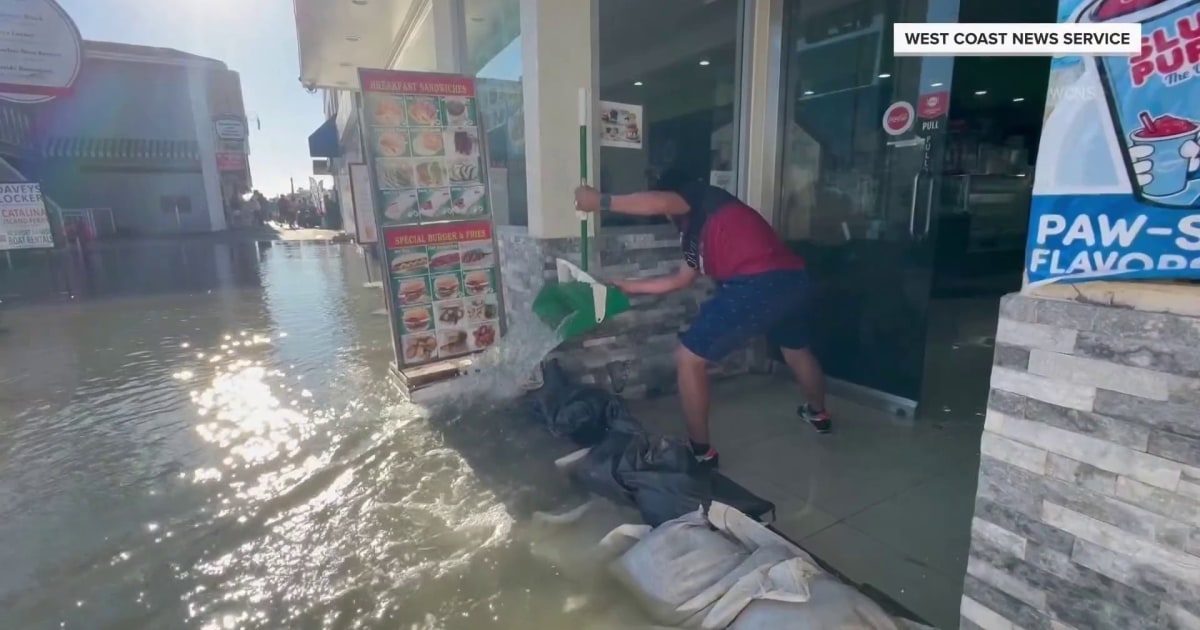
Lunch hour was busy at the Haywood County Public Library in Canton, North Carolina, where the midterm election wasn’t the only thing on people’s minds as they cast early ballots on October 19. The region has seen a lot of natural disasters in the past few years, and many residents are still rebuilding after Hurricane Helene. Repeated flooding has unsettled Sandra Moody, a straight-ticket Republican voter.

“Well, we’re not weather people,” Moody said with a hoarse laugh, “but these floods that keep coming. They’re supposed to be 500 year floods. You’re like, ‘What is going on?’”

Two years after the storm, recovery remains far from complete. Helene caused nearly $60 billion in damage and recovery needs, and about $10 billion in federal assistance has been provided so far. Even after accounting for state funding and insurance payments, the state pegs the unmet need at roughly $41 billion.

Half of all North Carolinians are dissatisfied with the government’s response, compared to 37 percent who are satisfied, according to a poll commissioned by television stations WRAL and WSOC. In Western North Carolina, which bore the brunt of Helene’s fury, just 5 percent said they are “very satisfied” with how officials are handling things.

The lingering dissatisfaction looms over two surprisingly competitive races closely tied to the recovery. North Carolina’s 11th Congressional District, which includes much of the area hit hardest by Helene, is considered a toss-up. In the state’s Senate race, Democrat Roy Cooper, who was governor when the storm hit, has maintained a double-digit lead over Republican Michael Whatley, whom President Donald Trump tapped as his point person on the recovery.

This is something of a reversal from the 2024 election. As Republicans campaigned in Helene’s immediate aftermath, the party hammered the Biden administration over its response to the disaster. Two years later, Republicans control the White House, Congress, and the federal agencies responsible for the recovery.

Trump, who joked that he wouldn’t send North Carolina additional aid if Whatley lost, has drawn connections between aid and the election in other races. He announced $17.9 million in disaster assistance for Wisconsin while promoting Republican gubernatorial candidate Tom Tiffany. He also approved an Ohio disaster declaration just before campaigning with Republican Senator Jon Husted but left 15 others pending. Vice President J.D. Vance, meanwhile, promised $858 million to North Carolina during a recent campaign stop near Asheville.

The White House has denied that disaster decisions are politically motivated, but the episodes underscore a question hanging over the midterms: Politicians are treating recovery as an electoral issue. It is much less clear whether voters are doing the same.

Western North Carolina offers one place to look for an answer. NC-11 encompasses 16 largely rural, mountainous counties along with solidly Democratic Asheville. Trump carried the district by 9.5 points in 2024, and its voters have sent three successive Republicans to Congress: Mark Meadows, Madison Cawthorn, and Chuck Edwards.

But Republican Jennifer Balkcom, who entered the race three months ago after Edwards withdrew, is running even with Democrat Jamie Ager. A pro-Trump political action committee recently canceled more than $1 million in television advertising supporting Balkcom, and the race is considered a toss-up.

For some voters, Helene figures into the election for reasons beyond the recovery. Maggie Panther, a Democrat voting early in Canton, said the storm reinforced her concerns about climate change and the increasingly severe weather it is bringing. “I hate to sound totally partisan, but I know that there’s one party that’s trying to do something about climate change, and there’s one party that is denying it,” she said. “And so, I vote accordingly.”

Ager, a fourth-generation farmer whose grandfather served three terms in Congress, has focused on the economic impact of the storm and on the many residents who are still awaiting FEMA reimbursement and struggling to rebuild.

“We were trying to do everything we could to get back up on our feet here at the farm and everywhere else,” Ager said. “As time kept dragging on and recovery was clearly insufficient, [we were] hearing from neighbors and folks in the community about their frustrations.”

Helene has become an issue in the Senate race as well, though the questions about recovery center more directly on Whatley’s role in the federal response.

Whatley’s role in the recovery — widely described as Trump’s “Helene recovery czar” — has haunted him in the campaign. A recent investigation by the Asheville Citizen-Times found no communication between Whatley and FEMA in the two years after the storm, with only six text messages and five phone calls documented between Whatley and a state official coordinating hurricane recovery. The Senate Leadership Fund, a Republican super PAC, has pulled its financial support from the race as Cooper maintains a healthy lead in the polls.

Cooper and Whatley have blamed each other for the slow pace of Helene aid while defending their own records. Neither agreed to an interview, but commented by email. Whatley’s campaign said he helped “deliver more aid for Hurricane Helene than any other natural disaster” in the state’s history. Cooper’s campaign argued that Whatley “has completely failed in his role as federal recovery czar” and said the state has received just 16 percent of the funding it needs.

But despite sparring over Helene, mailers and ads for both campaigns are shifting attention to economics and crime.

Political scientist Chris Cooper at Western Carolina University says Helene has figured less prominently in campaign ads and mailers than he expected. That may be because neither candidate has much to gain from drawing attention to an unpopular recovery.

“One reason why Hurricane Helene hasn’t come up quite as much during this election is because both candidates have some experience that might allow folks to blame them for what almost everyone agrees was a poor response,” said Cooper, who is not related to the former governor.

Read Next
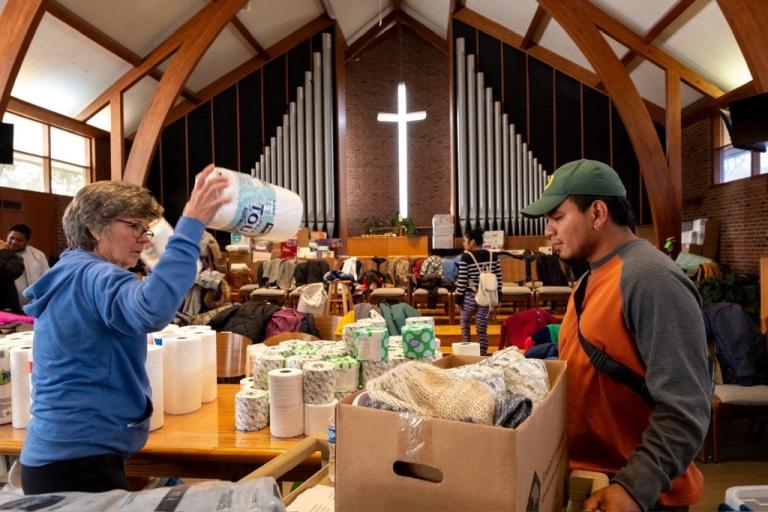
People hand out supplies in a church

Two years after Hurricane Helene, survivors are taking lessons for the future

Katie Myers & Laura Hackett

The WRAL/WSOC poll supports that idea. Despite the candidates’ attempts to blame one another, it found no meaningful difference between Cooper and Whatley supporters in their views of the government’s response to Helene. It follows a pattern that Cooper has previously seen after hurricanes, which until Helene had largely impacted the eastern part of the state.

“I cannot think of a single disaster in North Carolina or elsewhere, where afterwards public opinion was, ‘Boy, we really got this recovery right,’” he said. Generally speaking, voters tend to blame the government in general, he said, which means someone who wasn’t involved with the response, like Ager, may have a better shot at winning.

Research suggests that disasters can influence how voters judge elected officials. Penny Liao, an economist at the think tank Resources for the Future, said incumbents can benefit from a strong response and timely aid, while a poor recovery can work against them.

“The disaster itself is usually not very good news for the incumbent, but if there is large aid or a timely response, generally the incumbent can potentially benefit from it,” she said. On the other hand, a failure to prepare for a disaster or a poor response “is not going to be rewarded.”

Whether that dynamic is playing out in North Carolina may become clearer after the election. Political responsibility for Helene spans parties and levels of government: a Democratic administration was in the White House when the storm hit, a Republican one has overseen much of the recovery, while a Democratic governor and Republican-controlled legislature share power in Raleigh.

Residents remain deeply dissatisfied with the recovery, and two races closely linked to Helene have become unexpectedly competitive. But so far, voters’ frustration is easier to measure than its effect on their votes, and it may well be that whoever is in office during a troubled recovery, regardless of party, will pay a political price.

This story was originally published by Grist with the headline Hurricane Helene haunts the midterms in North Carolina on Oct 28, 2026.


From Grist via This RSS Feed.

cross-posted from: lemmy.world/post/53686521

cross-posted from: lemmy.world/post/53686520

cross-posted from: news.abolish.capital/post/89148

Lunch hour was busy at the Haywood County Public Library in Canton, North Carolina, where the midterm election wasn’t the only thing on people’s minds as they cast early ballots on October 19. The region has seen a lot of natural disasters in the past few years, and many residents are still rebuilding after Hurricane Helene. Repeated flooding has unsettled Sandra Moody, a straight-ticket Republican voter.

“Well, we’re not weather people,” Moody said with a hoarse laugh, “but these floods that keep coming. They’re supposed to be 500 year floods. You’re like, ‘What is going on?’”

Two years after the storm, recovery remains far from complete. Helene caused nearly $60 billion in damage and recovery needs, and about $10 billion in federal assistance has been provided so far. Even after accounting for state funding and insurance payments, the state pegs the unmet need at roughly $41 billion.

Half of all North Carolinians are dissatisfied with the government’s response, compared to 37 percent who are satisfied, according to a poll commissioned by television stations WRAL and WSOC. In Western North Carolina, which bore the brunt of Helene’s fury, just 5 percent said they are “very satisfied” with how officials are handling things.

The lingering dissatisfaction looms over two surprisingly competitive races closely tied to the recovery. North Carolina’s 11th Congressional District, which includes much of the area hit hardest by Helene, is considered a toss-up. In the state’s Senate race, Democrat Roy Cooper, who was governor when the storm hit, has maintained a double-digit lead over Republican Michael Whatley, whom President Donald Trump tapped as his point person on the recovery.

This is something of a reversal from the 2024 election. As Republicans campaigned in Helene’s immediate aftermath, the party hammered the Biden administration over its response to the disaster. Two years later, Republicans control the White House, Congress, and the federal agencies responsible for the recovery.

Trump, who joked that he wouldn’t send North Carolina additional aid if Whatley lost, has drawn connections between aid and the election in other races. He announced $17.9 million in disaster assistance for Wisconsin while promoting Republican gubernatorial candidate Tom Tiffany. He also approved an Ohio disaster declaration just before campaigning with Republican Senator Jon Husted but left 15 others pending. Vice President J.D. Vance, meanwhile, promised $858 million to North Carolina during a recent campaign stop near Asheville.

The White House has denied that disaster decisions are politically motivated, but the episodes underscore a question hanging over the midterms: Politicians are treating recovery as an electoral issue. It is much less clear whether voters are doing the same.

Western North Carolina offers one place to look for an answer. NC-11 encompasses 16 largely rural, mountainous counties along with solidly Democratic Asheville. Trump carried the district by 9.5 points in 2024, and its voters have sent three successive Republicans to Congress: Mark Meadows, Madison Cawthorn, and Chuck Edwards.

But Republican Jennifer Balkcom, who entered the race three months ago after Edwards withdrew, is running even with Democrat Jamie Ager. A pro-Trump political action committee recently canceled more than $1 million in television advertising supporting Balkcom, and the race is considered a toss-up.

For some voters, Helene figures into the election for reasons beyond the recovery. Maggie Panther, a Democrat voting early in Canton, said the storm reinforced her concerns about climate change and the increasingly severe weather it is bringing. “I hate to sound totally partisan, but I know that there’s one party that’s trying to do something about climate change, and there’s one party that is denying it,” she said. “And so, I vote accordingly.”

Ager, a fourth-generation farmer whose grandfather served three terms in Congress, has focused on the economic impact of the storm and on the many residents who are still awaiting FEMA reimbursement and struggling to rebuild.

“We were trying to do everything we could to get back up on our feet here at the farm and everywhere else,” Ager said. “As time kept dragging on and recovery was clearly insufficient, [we were] hearing from neighbors and folks in the community about their frustrations.”

Helene has become an issue in the Senate race as well, though the questions about recovery center more directly on Whatley’s role in the federal response.

Whatley’s role in the recovery — widely described as Trump’s “Helene recovery czar” — has haunted him in the campaign. A recent investigation by the Asheville Citizen-Times found no communication between Whatley and FEMA in the two years after the storm, with only six text messages and five phone calls documented between Whatley and a state official coordinating hurricane recovery. The Senate Leadership Fund, a Republican super PAC, has pulled its financial support from the race as Cooper maintains a healthy lead in the polls.

Cooper and Whatley have blamed each other for the slow pace of Helene aid while defending their own records. Neither agreed to an interview, but commented by email. Whatley’s campaign said he helped “deliver more aid for Hurricane Helene than any other natural disaster” in the state’s history. Cooper’s campaign argued that Whatley “has completely failed in his role as federal recovery czar” and said the state has received just 16 percent of the funding it needs.

But despite sparring over Helene, mailers and ads for both campaigns are shifting attention to economics and crime.

Political scientist Chris Cooper at Western Carolina University says Helene has figured less prominently in campaign ads and mailers than he expected. That may be because neither candidate has much to gain from drawing attention to an unpopular recovery.

“One reason why Hurricane Helene hasn’t come up quite as much during this election is because both candidates have some experience that might allow folks to blame them for what almost everyone agrees was a poor response,” said Cooper, who is not related to the former governor.

Read Next

People hand out supplies in a church

Two years after Hurricane Helene, survivors are taking lessons for the future

Katie Myers & Laura Hackett

The WRAL/WSOC poll supports that idea. Despite the candidates’ attempts to blame one another, it found no meaningful difference between Cooper and Whatley supporters in their views of the government’s response to Helene. It follows a pattern that Cooper has previously seen after hurricanes, which until Helene had largely impacted the eastern part of the state.

“I cannot think of a single disaster in North Carolina or elsewhere, where afterwards public opinion was, ‘Boy, we really got this recovery right,’” he said. Generally speaking, voters tend to blame the government in general, he said, which means someone who wasn’t involved with the response, like Ager, may have a better shot at winning.

Research suggests that disasters can influence how voters judge elected officials. Penny Liao, an economist at the think tank Resources for the Future, said incumbents can benefit from a strong response and timely aid, while a poor recovery can work against them.

“The disaster itself is usually not very good news for the incumbent, but if there is large aid or a timely response, generally the incumbent can potentially benefit from it,” she said. On the other hand, a failure to prepare for a disaster or a poor response “is not going to be rewarded.”

Whether that dynamic is playing out in North Carolina may become clearer after the election. Political responsibility for Helene spans parties and levels of government: a Democratic administration was in the White House when the storm hit, a Republican one has overseen much of the recovery, while a Democratic governor and Republican-controlled legislature share power in Raleigh.

Residents remain deeply dissatisfied with the recovery, and two races closely linked to Helene have become unexpectedly competitive. But so far, voters’ frustration is easier to measure than its effect on their votes, and it may well be that whoever is in office during a troubled recovery, regardless of party, will pay a political price.

This story was originally published by Grist with the headline Hurricane Helene haunts the midterms in North Carolina on Oct 28, 2026.


From Grist via This RSS Feed.

0

Hurricane Helene haunts the midterms in North Carolina

Grist Hurricane Helene haunts the midterms in North Carolina grist.org
preview

cross-posted from: lemmy.world/post/53686520

cross-posted from: news.abolish.capital/post/89148

Lunch hour was busy at the Haywood County Public Library in Canton, North Carolina, where the midterm election wasn’t the only thing on people’s minds as they cast early ballots on October 19. The region has seen a lot of natural disasters in the past few years, and many residents are still rebuilding after Hurricane Helene. Repeated flooding has unsettled Sandra Moody, a straight-ticket Republican voter.

“Well, we’re not weather people,” Moody said with a hoarse laugh, “but these floods that keep coming. They’re supposed to be 500 year floods. You’re like, ‘What is going on?’”

Two years after the storm, recovery remains far from complete. Helene caused nearly $60 billion in damage and recovery needs, and about $10 billion in federal assistance has been provided so far. Even after accounting for state funding and insurance payments, the state pegs the unmet need at roughly $41 billion.

Half of all North Carolinians are dissatisfied with the government’s response, compared to 37 percent who are satisfied, according to a poll commissioned by television stations WRAL and WSOC. In Western North Carolina, which bore the brunt of Helene’s fury, just 5 percent said they are “very satisfied” with how officials are handling things.

The lingering dissatisfaction looms over two surprisingly competitive races closely tied to the recovery. North Carolina’s 11th Congressional District, which includes much of the area hit hardest by Helene, is considered a toss-up. In the state’s Senate race, Democrat Roy Cooper, who was governor when the storm hit, has maintained a double-digit lead over Republican Michael Whatley, whom President Donald Trump tapped as his point person on the recovery.

This is something of a reversal from the 2024 election. As Republicans campaigned in Helene’s immediate aftermath, the party hammered the Biden administration over its response to the disaster. Two years later, Republicans control the White House, Congress, and the federal agencies responsible for the recovery.

Trump, who joked that he wouldn’t send North Carolina additional aid if Whatley lost, has drawn connections between aid and the election in other races. He announced $17.9 million in disaster assistance for Wisconsin while promoting Republican gubernatorial candidate Tom Tiffany. He also approved an Ohio disaster declaration just before campaigning with Republican Senator Jon Husted but left 15 others pending. Vice President J.D. Vance, meanwhile, promised $858 million to North Carolina during a recent campaign stop near Asheville.

The White House has denied that disaster decisions are politically motivated, but the episodes underscore a question hanging over the midterms: Politicians are treating recovery as an electoral issue. It is much less clear whether voters are doing the same.

Western North Carolina offers one place to look for an answer. NC-11 encompasses 16 largely rural, mountainous counties along with solidly Democratic Asheville. Trump carried the district by 9.5 points in 2024, and its voters have sent three successive Republicans to Congress: Mark Meadows, Madison Cawthorn, and Chuck Edwards.

But Republican Jennifer Balkcom, who entered the race three months ago after Edwards withdrew, is running even with Democrat Jamie Ager. A pro-Trump political action committee recently canceled more than $1 million in television advertising supporting Balkcom, and the race is considered a toss-up.

For some voters, Helene figures into the election for reasons beyond the recovery. Maggie Panther, a Democrat voting early in Canton, said the storm reinforced her concerns about climate change and the increasingly severe weather it is bringing. “I hate to sound totally partisan, but I know that there’s one party that’s trying to do something about climate change, and there’s one party that is denying it,” she said. “And so, I vote accordingly.”

Ager, a fourth-generation farmer whose grandfather served three terms in Congress, has focused on the economic impact of the storm and on the many residents who are still awaiting FEMA reimbursement and struggling to rebuild.

“We were trying to do everything we could to get back up on our feet here at the farm and everywhere else,” Ager said. “As time kept dragging on and recovery was clearly insufficient, [we were] hearing from neighbors and folks in the community about their frustrations.”

Helene has become an issue in the Senate race as well, though the questions about recovery center more directly on Whatley’s role in the federal response.

Whatley’s role in the recovery — widely described as Trump’s “Helene recovery czar” — has haunted him in the campaign. A recent investigation by the Asheville Citizen-Times found no communication between Whatley and FEMA in the two years after the storm, with only six text messages and five phone calls documented between Whatley and a state official coordinating hurricane recovery. The Senate Leadership Fund, a Republican super PAC, has pulled its financial support from the race as Cooper maintains a healthy lead in the polls.

Cooper and Whatley have blamed each other for the slow pace of Helene aid while defending their own records. Neither agreed to an interview, but commented by email. Whatley’s campaign said he helped “deliver more aid for Hurricane Helene than any other natural disaster” in the state’s history. Cooper’s campaign argued that Whatley “has completely failed in his role as federal recovery czar” and said the state has received just 16 percent of the funding it needs.

But despite sparring over Helene, mailers and ads for both campaigns are shifting attention to economics and crime.

Political scientist Chris Cooper at Western Carolina University says Helene has figured less prominently in campaign ads and mailers than he expected. That may be because neither candidate has much to gain from drawing attention to an unpopular recovery.

“One reason why Hurricane Helene hasn’t come up quite as much during this election is because both candidates have some experience that might allow folks to blame them for what almost everyone agrees was a poor response,” said Cooper, who is not related to the former governor.

Read Next

People hand out supplies in a church

Two years after Hurricane Helene, survivors are taking lessons for the future

Katie Myers & Laura Hackett

The WRAL/WSOC poll supports that idea. Despite the candidates’ attempts to blame one another, it found no meaningful difference between Cooper and Whatley supporters in their views of the government’s response to Helene. It follows a pattern that Cooper has previously seen after hurricanes, which until Helene had largely impacted the eastern part of the state.

“I cannot think of a single disaster in North Carolina or elsewhere, where afterwards public opinion was, ‘Boy, we really got this recovery right,’” he said. Generally speaking, voters tend to blame the government in general, he said, which means someone who wasn’t involved with the response, like Ager, may have a better shot at winning.

Research suggests that disasters can influence how voters judge elected officials. Penny Liao, an economist at the think tank Resources for the Future, said incumbents can benefit from a strong response and timely aid, while a poor recovery can work against them.

“The disaster itself is usually not very good news for the incumbent, but if there is large aid or a timely response, generally the incumbent can potentially benefit from it,” she said. On the other hand, a failure to prepare for a disaster or a poor response “is not going to be rewarded.”

Whether that dynamic is playing out in North Carolina may become clearer after the election. Political responsibility for Helene spans parties and levels of government: a Democratic administration was in the White House when the storm hit, a Republican one has overseen much of the recovery, while a Democratic governor and Republican-controlled legislature share power in Raleigh.

Residents remain deeply dissatisfied with the recovery, and two races closely linked to Helene have become unexpectedly competitive. But so far, voters’ frustration is easier to measure than its effect on their votes, and it may well be that whoever is in office during a troubled recovery, regardless of party, will pay a political price.

This story was originally published by Grist with the headline Hurricane Helene haunts the midterms in North Carolina on Oct 28, 2026.


From Grist via This RSS Feed.
cross-posted from: lemmy.world/post/53686520

cross-posted from: news.abolish.capital/post/89148

Lunch hour was busy at the Haywood County Public Library in Canton, North Carolina, where the midterm election wasn’t the only thing on people’s minds as they cast early ballots on October 19. The region has seen a lot of natural disasters in the past few years, and many residents are still rebuilding after Hurricane Helene. Repeated flooding has unsettled Sandra Moody, a straight-ticket Republican voter.

“Well, we’re not weather people,” Moody said with a hoarse laugh, “but these floods that keep coming. They’re supposed to be 500 year floods. You’re like, ‘What is going on?’”

Two years after the storm, recovery remains far from complete. Helene caused nearly $60 billion in damage and recovery needs, and about $10 billion in federal assistance has been provided so far. Even after accounting for state funding and insurance payments, the state pegs the unmet need at roughly $41 billion.

Half of all North Carolinians are dissatisfied with the government’s response, compared to 37 percent who are satisfied, according to a poll commissioned by television stations WRAL and WSOC. In Western North Carolina, which bore the brunt of Helene’s fury, just 5 percent said they are “very satisfied” with how officials are handling things.

The lingering dissatisfaction looms over two surprisingly competitive races closely tied to the recovery. North Carolina’s 11th Congressional District, which includes much of the area hit hardest by Helene, is considered a toss-up. In the state’s Senate race, Democrat Roy Cooper, who was governor when the storm hit, has maintained a double-digit lead over Republican Michael Whatley, whom President Donald Trump tapped as his point person on the recovery.

This is something of a reversal from the 2024 election. As Republicans campaigned in Helene’s immediate aftermath, the party hammered the Biden administration over its response to the disaster. Two years later, Republicans control the White House, Congress, and the federal agencies responsible for the recovery.

Trump, who joked that he wouldn’t send North Carolina additional aid if Whatley lost, has drawn connections between aid and the election in other races. He announced $17.9 million in disaster assistance for Wisconsin while promoting Republican gubernatorial candidate Tom Tiffany. He also approved an Ohio disaster declaration just before campaigning with Republican Senator Jon Husted but left 15 others pending. Vice President J.D. Vance, meanwhile, promised $858 million to North Carolina during a recent campaign stop near Asheville.

The White House has denied that disaster decisions are politically motivated, but the episodes underscore a question hanging over the midterms: Politicians are treating recovery as an electoral issue. It is much less clear whether voters are doing the same.

Western North Carolina offers one place to look for an answer. NC-11 encompasses 16 largely rural, mountainous counties along with solidly Democratic Asheville. Trump carried the district by 9.5 points in 2024, and its voters have sent three successive Republicans to Congress: Mark Meadows, Madison Cawthorn, and Chuck Edwards.

But Republican Jennifer Balkcom, who entered the race three months ago after Edwards withdrew, is running even with Democrat Jamie Ager. A pro-Trump political action committee recently canceled more than $1 million in television advertising supporting Balkcom, and the race is considered a toss-up.

For some voters, Helene figures into the election for reasons beyond the recovery. Maggie Panther, a Democrat voting early in Canton, said the storm reinforced her concerns about climate change and the increasingly severe weather it is bringing. “I hate to sound totally partisan, but I know that there’s one party that’s trying to do something about climate change, and there’s one party that is denying it,” she said. “And so, I vote accordingly.”

Ager, a fourth-generation farmer whose grandfather served three terms in Congress, has focused on the economic impact of the storm and on the many residents who are still awaiting FEMA reimbursement and struggling to rebuild.

“We were trying to do everything we could to get back up on our feet here at the farm and everywhere else,” Ager said. “As time kept dragging on and recovery was clearly insufficient, [we were] hearing from neighbors and folks in the community about their frustrations.”

Helene has become an issue in the Senate race as well, though the questions about recovery center more directly on Whatley’s role in the federal response.

Whatley’s role in the recovery — widely described as Trump’s “Helene recovery czar” — has haunted him in the campaign. A recent investigation by the Asheville Citizen-Times found no communication between Whatley and FEMA in the two years after the storm, with only six text messages and five phone calls documented between Whatley and a state official coordinating hurricane recovery. The Senate Leadership Fund, a Republican super PAC, has pulled its financial support from the race as Cooper maintains a healthy lead in the polls.

Cooper and Whatley have blamed each other for the slow pace of Helene aid while defending their own records. Neither agreed to an interview, but commented by email. Whatley’s campaign said he helped “deliver more aid for Hurricane Helene than any other natural disaster” in the state’s history. Cooper’s campaign argued that Whatley “has completely failed in his role as federal recovery czar” and said the state has received just 16 percent of the funding it needs.

But despite sparring over Helene, mailers and ads for both campaigns are shifting attention to economics and crime.

Political scientist Chris Cooper at Western Carolina University says Helene has figured less prominently in campaign ads and mailers than he expected. That may be because neither candidate has much to gain from drawing attention to an unpopular recovery.

“One reason why Hurricane Helene hasn’t come up quite as much during this election is because both candidates have some experience that might allow folks to blame them for what almost everyone agrees was a poor response,” said Cooper, who is not related to the former governor.

Read Next

People hand out supplies in a church

Two years after Hurricane Helene, survivors are taking lessons for the future

Katie Myers & Laura Hackett

The WRAL/WSOC poll supports that idea. Despite the candidates’ attempts to blame one another, it found no meaningful difference between Cooper and Whatley supporters in their views of the government’s response to Helene. It follows a pattern that Cooper has previously seen after hurricanes, which until Helene had largely impacted the eastern part of the state.

“I cannot think of a single disaster in North Carolina or elsewhere, where afterwards public opinion was, ‘Boy, we really got this recovery right,’” he said. Generally speaking, voters tend to blame the government in general, he said, which means someone who wasn’t involved with the response, like Ager, may have a better shot at winning.

Research suggests that disasters can influence how voters judge elected officials. Penny Liao, an economist at the think tank Resources for the Future, said incumbents can benefit from a strong response and timely aid, while a poor recovery can work against them.

“The disaster itself is usually not very good news for the incumbent, but if there is large aid or a timely response, generally the incumbent can potentially benefit from it,” she said. On the other hand, a failure to prepare for a disaster or a poor response “is not going to be rewarded.”

Whether that dynamic is playing out in North Carolina may become clearer after the election. Political responsibility for Helene spans parties and levels of government: a Democratic administration was in the White House when the storm hit, a Republican one has overseen much of the recovery, while a Democratic governor and Republican-controlled legislature share power in Raleigh.

Residents remain deeply dissatisfied with the recovery, and two races closely linked to Helene have become unexpectedly competitive. But so far, voters’ frustration is easier to measure than its effect on their votes, and it may well be that whoever is in office during a troubled recovery, regardless of party, will pay a political price.

This story was originally published by Grist with the headline Hurricane Helene haunts the midterms in North Carolina on Oct 28, 2026.


From Grist via This RSS Feed.
0

Roma, la polizia entra a scuola e porta via gli studenti. Il governo Meloni dà la caccia ai minorenni

Osservatorio Repressione Roma, la polizia entra a scuola e porta via gli studenti. Il governo Meloni dà la caccia ai minorenni www.osservatoriorepressione.info
preview

Roma, la polizia entra a scuola e porta via gli studenti. Il governo Meloni dà la caccia ai minorenni

In un caso il provvedimento sarebbe stato motivato dal semplice possesso di uno scaldacollo. Negli altri due, secondo la legale, non sarebbe emerso neppure un elemento di questo genere. Tutti e tre i ragazzi risultavano incensurati. Montella ha denunciato inoltre il ricorso al fotosegnalamento, una procedura normalmente associata a situazioni specifiche di identificazione o ad attività di polizia giudiziaria, evidenziando il rischio di una schedatura di massa.

È questo uno degli aspetti più gravi della nuova legislazione sicuritaria. Il controllo si sposta progressivamente dalla verifica di comportamenti concreti alla valutazione preventiva di una presunta pericolosità. Non è più necessario che una persona abbia commesso un reato perché venga fermata, trattenuta e sottoposta a procedure invasive. Possono diventare sufficienti la presenza in un determinato luogo, l’abbigliamento, la partecipazione a una mobilitazione o valutazioni discrezionali difficilmente contestabili nell’immediatezza. Quando questi strumenti vengono applicati ai minorenni, il loro significato politico diventa ancora più evidente: si abitua una generazione a considerare normale l’intervento della polizia come risposta alla propria partecipazione collettiva.

osservatoriorepressione.info/r…

@pirati

0

The spectrum of vampires

A picture of actor Brandon Fraser holding an Oscar, next to his son Griffin Arthur Fraser (with short ear-length black hair) and Leland Francis Fraser (with long shoulder-length red hair). His sons are both taller than he is. Above the picture is the text "This week I learned that Brandon Fraser has beautiful sons. Also. TALL AF MY GOODNESS. Brendan is fully like 6'2"ish right?" Below it is a Tweet by CULTURE CRAVE @culturecrave reading "I can't explain but one is an Anne Rice vampire and one is a Stephanie Meyer vampire 😭"
preview
Transcription:

A picture of actor Brandon Fraser holding an Oscar, next to his son Griffin Arthur Fraser (with short ear-length black hair) and Leland Francis Fraser (with long shoulder-length red hair). His sons are both taller than he is. Above the picture is the text “This week I learned that Brandon Fraser has beautiful sons. Also. TALL AF MY GOODNESS. Brendan is fully like 6’2"ish right?” Below it is a Tweet by CULTURE CRAVE @culturecrave reading “I can’t explain but one is an Anne Rice vampire and one is a Stephanie Meyer vampire 😭”

0

I'm planning to make a game to celebrate the 50th Anniversary of the Voyager missions, what are your thoughts and ideas?

preview

cross-posted from: https://retrofed.com/c/casualconversation@piefed.social/p/2355887/i-m-planning-to-make-a-game-to-celebrate-the-50th-anniversary-of-the-voyager-missions-wh

I never finish projects, so I’d like to set a hard deadline, in this case 2027-08-20 (Voyager 2 launch)

I’m thinking that it could be a (local splitscreen? Or maybe like one of those hand-off/relay style story games where you pass the controller when it’s your turn) co-op game where one player acts as Voyager 1 and the other as Voyager 2. It has to be a co-op game, we need more of those I think, and I would love to learn how to make one of those. Maybe you could solve puzzles or unlock secrets by working together, I dunno. The story will be a mix of real life events (emergencies / crisises that occurred during the mission, real images and recordings, etc.) and fictional bits too (nothing too outlandish though, probably not aliens I think?)

Both Voyager 1 and 2 explored Jupiter and Saturn, and while 2 went out to Uranus and Neptune, 1 did a flyby of Titan (the largest moon of Saturn). I’d like to include those five as “worlds” that each player has to explore. Voyager 1 has also passed the heliopause, and in a few weeks will have reached one light day from Earth, so I’d like to include that too. Perhaps there could be interesting things that happen as the Voyager probes travel the cosmos?

What are your thoughts? Are there any noteworthy events or challenges that the Voyager missions went through that I should include in the game?

The project is still in very early planning stages, but I think it’s a really cool way to celebrate the Voyager missions!

0

I'm planning to make a game to celebrate the 50th Anniversary of the Voyager missions, what are your thoughts and ideas?

preview

I never finish projects, so I’d like to set a hard deadline, in this case 2027-08-20 (Voyager 2 launch)

I’m thinking that it could be a (local splitscreen? Or maybe like one of those hand-off/relay style story games where you pass the controller when it’s your turn) co-op game where one player acts as Voyager 1 and the other as Voyager 2. It has to be a co-op game, we need more of those I think, and I would love to learn how to make one of those. Maybe you could solve puzzles or unlock secrets by working together, I dunno. The story will be a mix of real life events (emergencies / crisises that occurred during the mission, real images and recordings, etc.) and fictional bits too (nothing too outlandish though, probably not aliens I think?)

Both Voyager 1 and 2 explored Jupiter and Saturn, and while 2 went out to Uranus and Neptune, 1 did a flyby of Titan (the largest moon of Saturn). I’d like to include those five as “worlds” that each player has to explore. Voyager 1 has also passed the heliopause, and in a few weeks will have reached one light day from Earth, so I’d like to include that too. Perhaps there could be interesting things that happen as the Voyager probes travel the cosmos?

What are your thoughts? Are there any noteworthy events or challenges that the Voyager missions went through that I should include in the game?

The project is still in very early planning stages, but I think it’s a really cool way to celebrate the Voyager missions!

0

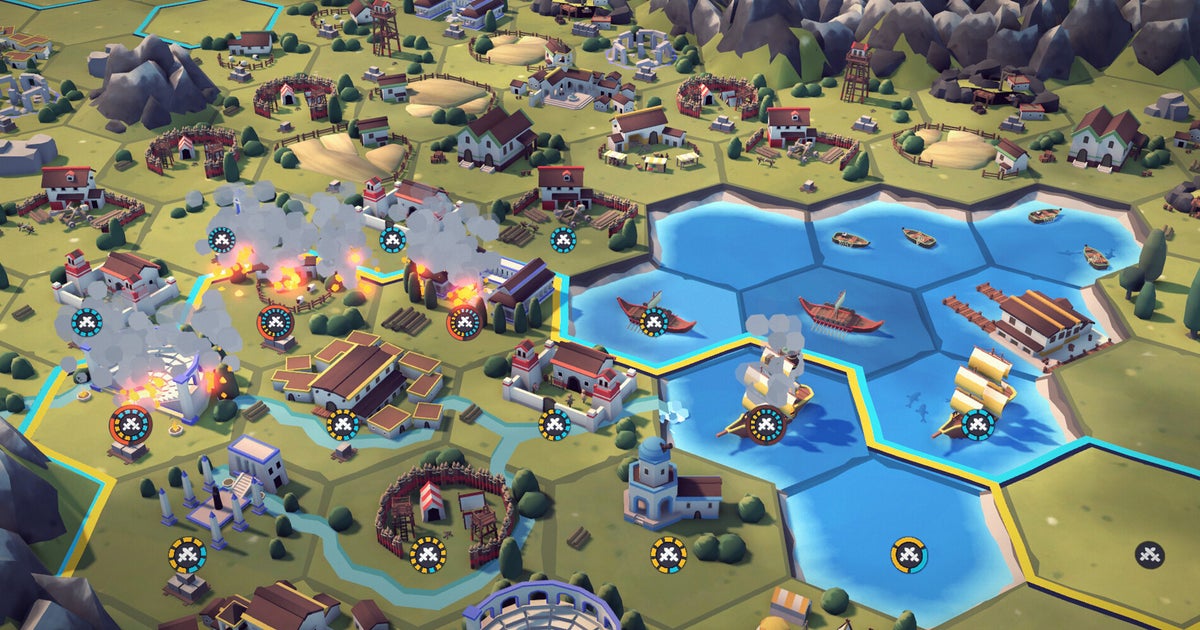
Monarchs at Play is a 4X strategy city-builder about chaining hexagonal tiles that only takes an hour out of your day

Rock Paper Shotgun Monarchs at Play is a 4X strategy city-builder about chaining hexagonal tiles that only takes an hour out of your day www.rockpapershotgun.com
preview

And it has a demo you can try out too.

And it has a demo you can try out too.

0

Ricominciano i corsi di #ciclomeccanica alla #cicloffina di #Segrate!

preview

Ricominciano i corsi di #ciclomeccanica alla #cicloffina di #Segrate!

Le date:
8 Novembre: LA RUOTA
15 Novembre: I FRENI
21 Novembre: LA TRASMISSIONE

Qui di seguito il link per l’iscrizione:
https://forms.gle/pvMT1g4MLE1YkjFB7

Per questo ciclo, in via sperimentale, la partecipazione richiede un contributo per ciascun incontro di 5 euro per i NON SOCI (mentre è gratuita per i SOCI), a copertura dei costi dell’assicurazione.

@ciclismo

0

Virtue and a Sledgehammer review – a haunting sci-fi drama about breaking walls, AI faces, and your heart

Rock Paper Shotgun Virtue and a Sledgehammer review – a haunting sci-fi drama about breaking walls, AI faces, and your heart www.rockpapershotgun.com
preview

Virtue and a Sledgehammer is outwardly about hitting things, but is really an affecting family drama. Here’s our full review.

Virtue and a Sledgehammer is outwardly about hitting things, but is really an affecting family drama. Here’s our full review.