





preview
cross-posted from: feddit.org/post/38094226
I got started with OpenBSD back about the same time I started college, although I had a slightly different perspective then. I was using OpenBSD because it included so many security features, therefore it must be the most secure system, right? For example, at some point I acquired a second computer. What’s the first thing anybody does when they get a second computer? That’s right, set up a kerberos domain. The idea that more is better was everywhere. This was also around the time that ipsec was getting its final touches, and everybody knew ipsec was going to be the most secure protocol ever because it had more options than any other secure transport. We’ll revisit this in a bit.
There’s been a partial attitude adjustment since then, with more people recognizing that layering complexity doesn’t result in more security. It’s not an additive process. There’s a whole talk there, about the perfect security that people can’t or won’t use. OpenBSD has definitely switched directions, including less code, not more. All the kerberos code was deleted a few years ago.
Through OpenBSD I’m also to blame for LibreSSL, a fork of the OpenSSL library. In case you’re confused, the OpenBSD project produces a number of other open projects, but we’re not the exclusive user of the name. OpenSSH, yes. OpenVMS, no. Nothing to do with that. I’ll come back to SSL later, but the punch line is bugs are temporary, workarounds are forever. That’s another talk for another time.
cross-posted from: feddit.org/post/38094226
I got started with OpenBSD back about the same time I started college, although I had a slightly different perspective then. I was using OpenBSD because it included so many security features, therefore it must be the most secure system, right? For example, at some point I acquired a second computer. What’s the first thing anybody does when they get a second computer? That’s right, set up a kerberos domain. The idea that more is better was everywhere. This was also around the time that ipsec was getting its final touches, and everybody knew ipsec was going to be the most secure protocol ever because it had more options than any other secure transport. We’ll revisit this in a bit.
There’s been a partial attitude adjustment since then, with more people recognizing that layering complexity doesn’t result in more security. It’s not an additive process. There’s a whole talk there, about the perfect security that people can’t or won’t use. OpenBSD has definitely switched directions, including less code, not more. All the kerberos code was deleted a few years ago.
Through OpenBSD I’m also to blame for LibreSSL, a fork of the OpenSSL library. In case you’re confused, the OpenBSD project produces a number of other open projects, but we’re not the exclusive user of the name. OpenSSH, yes. OpenVMS, no. Nothing to do with that. I’ll come back to SSL later, but the punch line is bugs are temporary, workarounds are forever. That’s another talk for another time.


















 As Thanksgiving approaches, some metro Atlanta families need help putting food on the table. To that end, nonprofits, churches, and local businesses are stepping up this holiday season. Throughout the metro area, residents can visit food drives to get a free turkey, fresh produce, and more. For those looking to give back to the community, […]The post









 Before/After ImagesSponsored PostOff
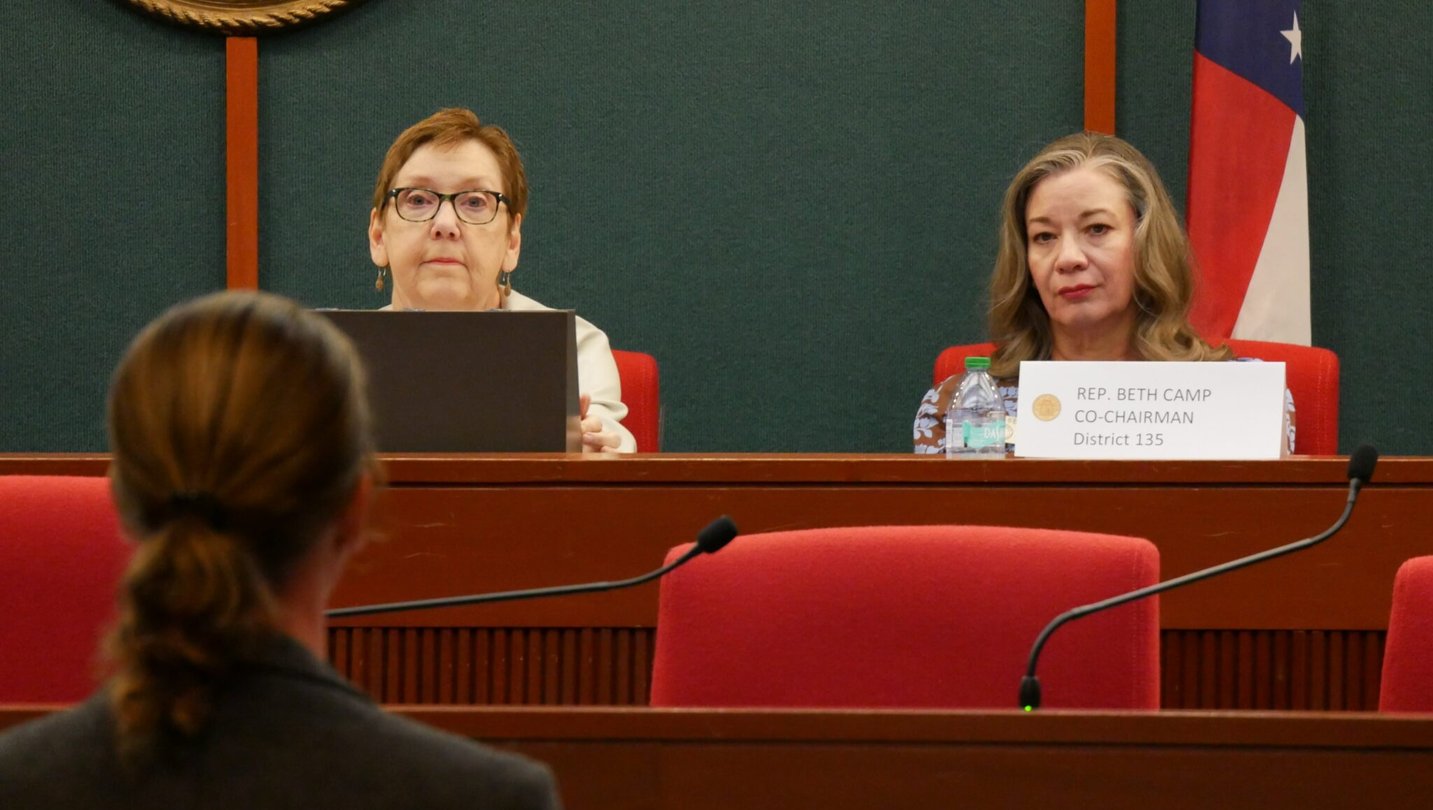

 Two weeks ago, Keisha Sean Waites made history by winning Georgia’s race for insurance commissioner. Now she’s already facing pushback. According to the former Atlanta City Council member and veteran Federal Emergency Management Agency emergency management official, insurance companies, trade groups and their lobbyists are targeting the reform policies she campaigned on that would lower […]The post