139
E9X: The battery-powered passenger plane flying up to 1,000 kilometres | Made in Europe
euronews
E9X: The battery-powered passenger plane flying up to 1,000 kilometres
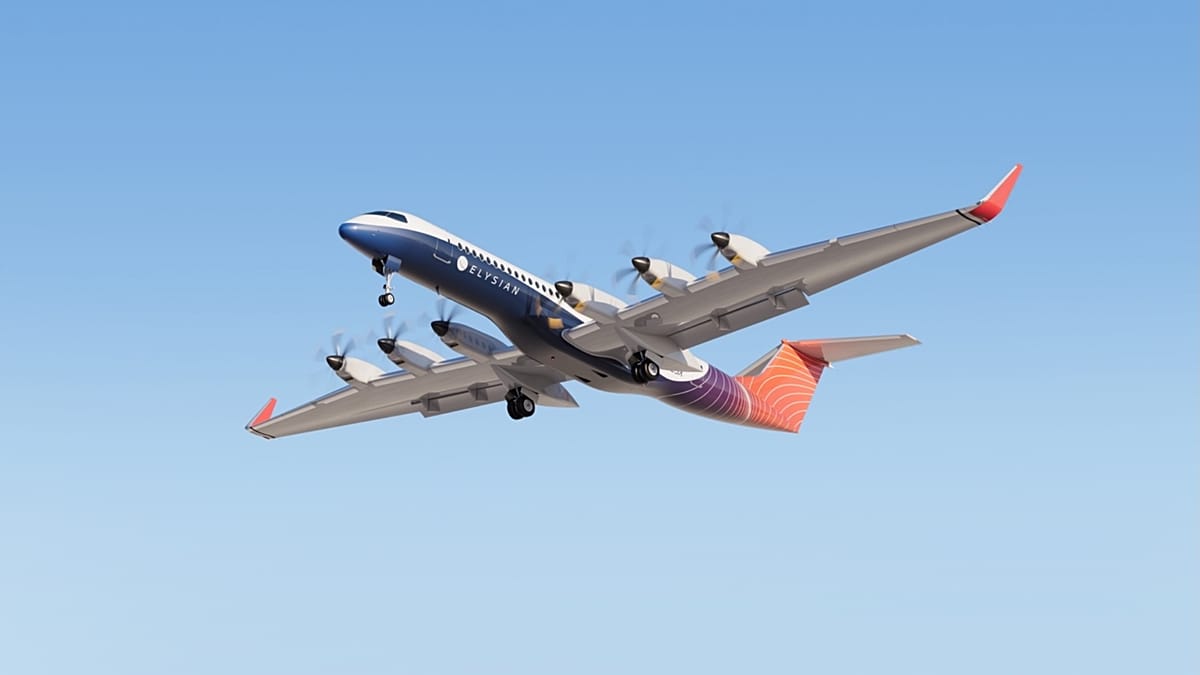
Flying without kerosene is no longer just a dream, with pilots being trained to fly electric planes in the Netherlands. Before long, these battery-powered planes could be carrying 90 passengers and flying distances of up to 1,000 kilometres. #MadeInEurope
www.euronews.com
also in
c/europe@feddit.org
12 comments
log in to comment.
Ah good, finally I can buy my planes in europe.
If everything goes according to plan, they’re hoping to build working models in 2034.
That’s their pitch deck for raising money, at least. This is a startup trying to raise money from lenders and investors, before they’ve proven that this concept can work.
The scale of those winglets....
It’s a toy.
Typical ePlane bullshit. Just another 20 million bro, I promise.
Scroll further down in the article and you see a full-size electric plane that pilots have already logged almost half a million miles in
That’s still just a 2-seater. There are many things where scaling upwards runs into the square cube law. Increasing the lift or the thrust of this design would increase the weight even more.
My ability to build a scale model of a bridge that can hold up scale models of automobiles doesn’t actually prove that my design is viable with those materials at full size. It’s the same for aircraft wings, engines, and actual flight.
Well the company states that the batteries (each 1000kg) are loaded into the wings of the plane, and that the wings will be significantly larger than that of current commercial aircraft, with a passenger count of like 90, and for only 1000km. So you’re right, there’s definitely a limit, however it still seems like a viable technology.
I remember sitting around the table after a thanksgiving dinner with all my conservative relatives, who were making fun of electric cars, and I said the same thing to them that I’ll say to you now. It all starts with a little innovation, that can form a link in the energy chain. Once people prove it can be done, then it will be improved, and improved, until it’s no longer a technological marvel, it’s just a Tuesday. One day we’ll have gas powered crafts purely as collectors items and antiques, and an entire green grid. but you gotta start somewhere.
I’m not discouraging the research. I’m just pointing out that this technology is very much unproven, and that they’ve got a long, long way to go. I wouldn’t get hopes up until they actually build prototype engines with sufficient thrust and power to make the calculations work.
I wonder what it’s going to do to MLW numbers. Usually it’s expected that the plane will be lighter when landing, with batteries it won’t. This will increase structural requirements on the plane, but more so, would it do anything to the runway?
Good article. It’s nice that they admit the reality that current batteries are very heavy. I didnt see a mention of how long it takes to recharge. Did i miss it?
[deleted]
[deleted]
[deleted]
Not going to happen anytime soon…
I will happily eat my words, but the calculations for the last company that tried to get subsidies for this where hilariously devastating and no way has the tech leaped as far.