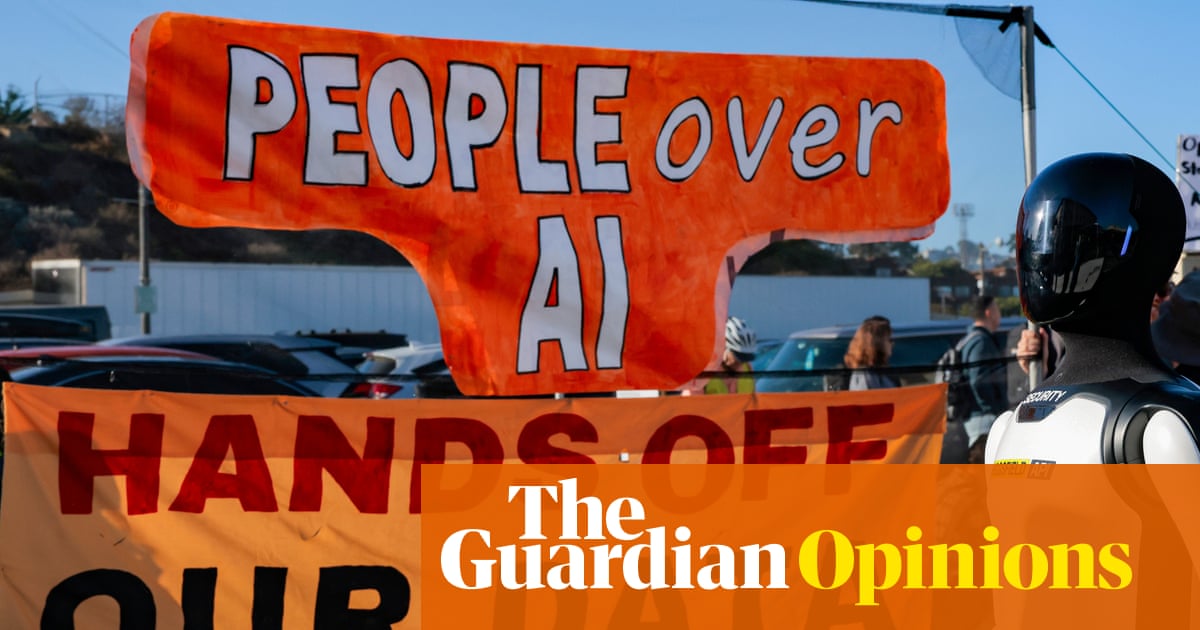
While Cisco’s involvement with Israel’s military before and since 2023 has been documented before, the leaked documents obtained by the Guardian reveal the lengths the company went to in order to preserve and expand the relationship as the war in Gaza dragged on.
They also show that earlier this year, Splunk – a Cisco subsidiary platform that can process and analyze massive volumes of machine-generated data – made a pitch to join the controversial cloud computing contract between the Israeli government, Google and Amazon known as Project Nimbus.
Cisco pursued these opportunities as the mass killing of civilians in Gaza was amply documented, international organizations and governments began to refer to Israel’s actions in Gaza as genocide, and the company itself was roiled by internal turmoil over its own role in the war.
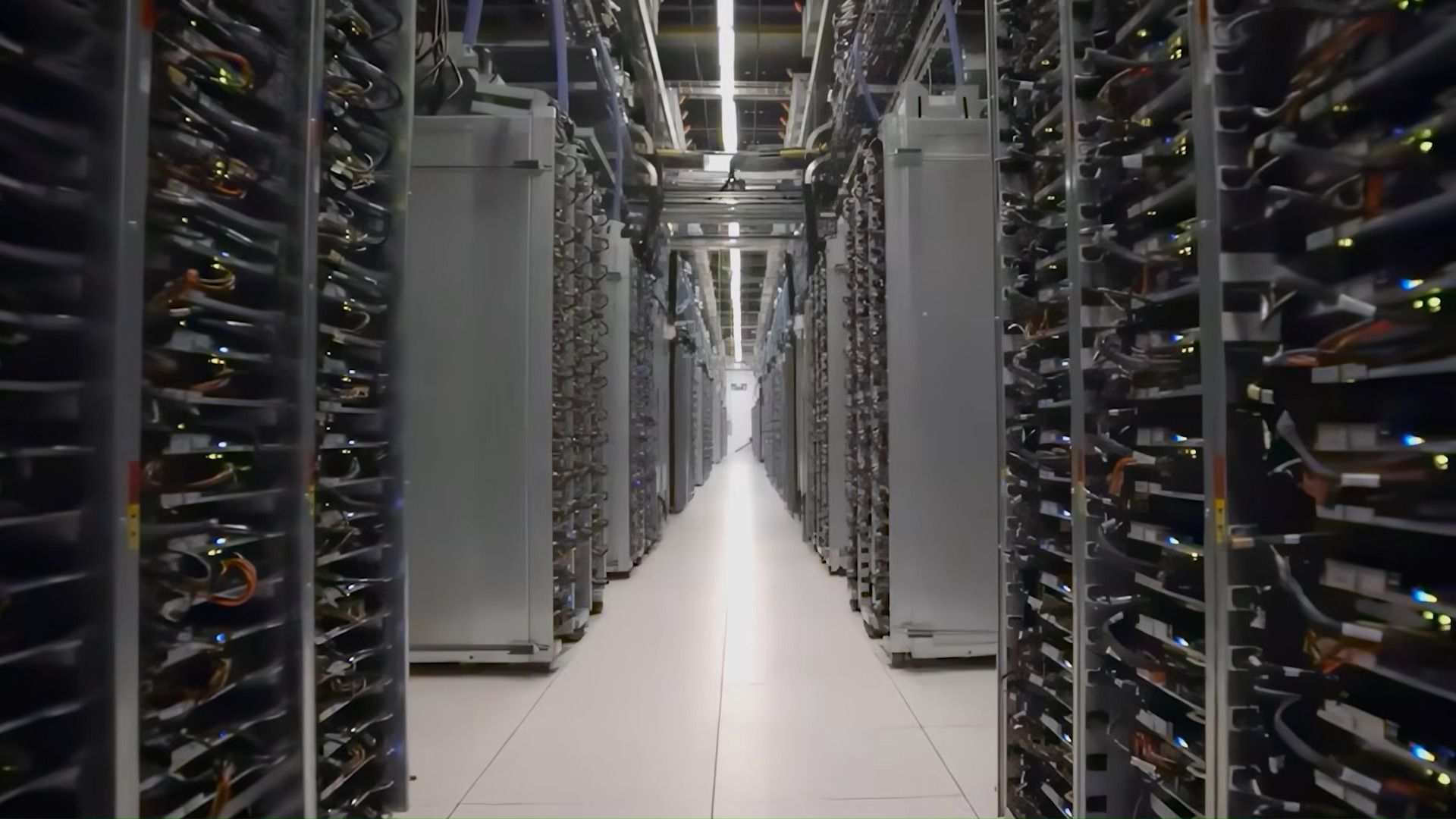
Rather than racing toward their net-zero targets, [tech capitalists] are driving emissions sharply higher with their quest to expand “AI” and cloud computing.
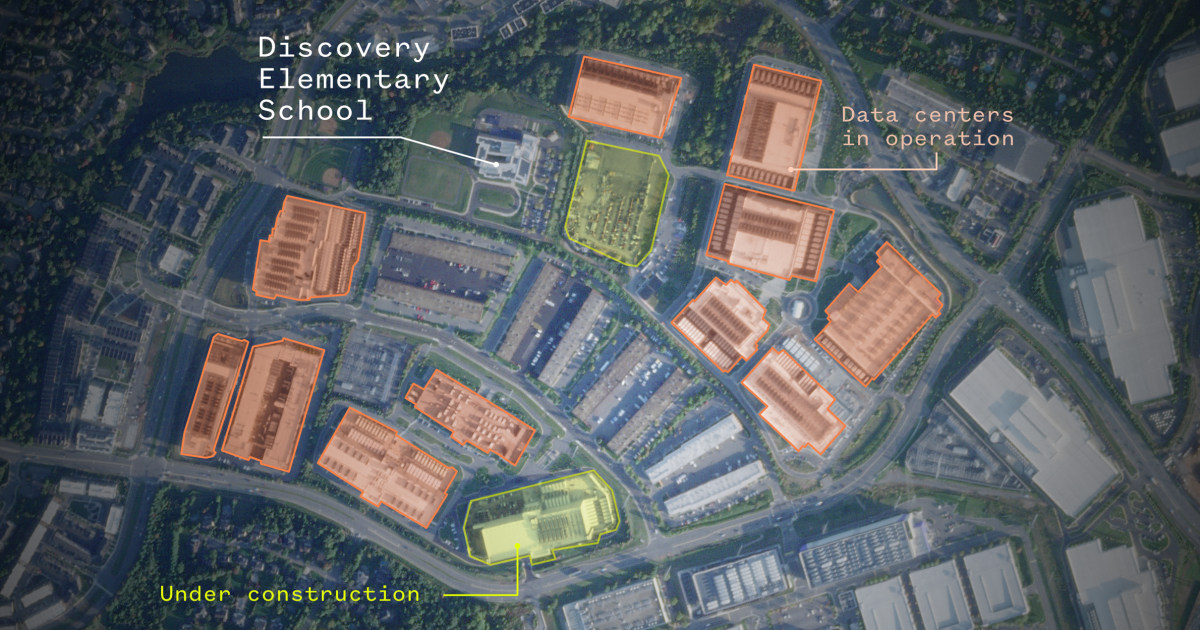
To support their data centers, tech firms are driving construction of a new generation of supersized, gas-fired power plants that could lock in hundreds of millions of tons of climate pollution for decades to come, according to corporate disclosures and an analysis conducted for The Post by a researcher at the Harvard T.H. Chan School of Public Health.
Industry estimates show these projects have put the tech sector on course to grow from a modest driver of industrial carbon pollution into one of the world’s biggest emitters of greenhouse gases. Some anticipate that its share of global carbon emissions will increase as much as fivefold from 2020 to 2030. That would leave the tech industry churning out more than half the climate pollution created by global aviation or shipping — sectors long associated with driving warming.
“AI may feel completely digital, immaterial, but its infrastructure is very physical. It needs land, power plants, transmission, water and fuel, and those choices can last for decades,” said the Harvard researcher, Gianluca Guidi, who based his analysis on air permits, corporate disclosures, community presentations and other materials collected largely by the research firm Cleanview.
…
“It is a disaster from a climate perspective,” said Thomas Day, director of corporate accountability at the New Climate Institute, a Germany-based nonprofit that tracks corporate emissions pledges. “These companies are locking in huge fossil fuel projects that will become some of the biggest emitters in the world. It’s not like these are one-offs. We are seeing more and more of them, with no end in sight.”
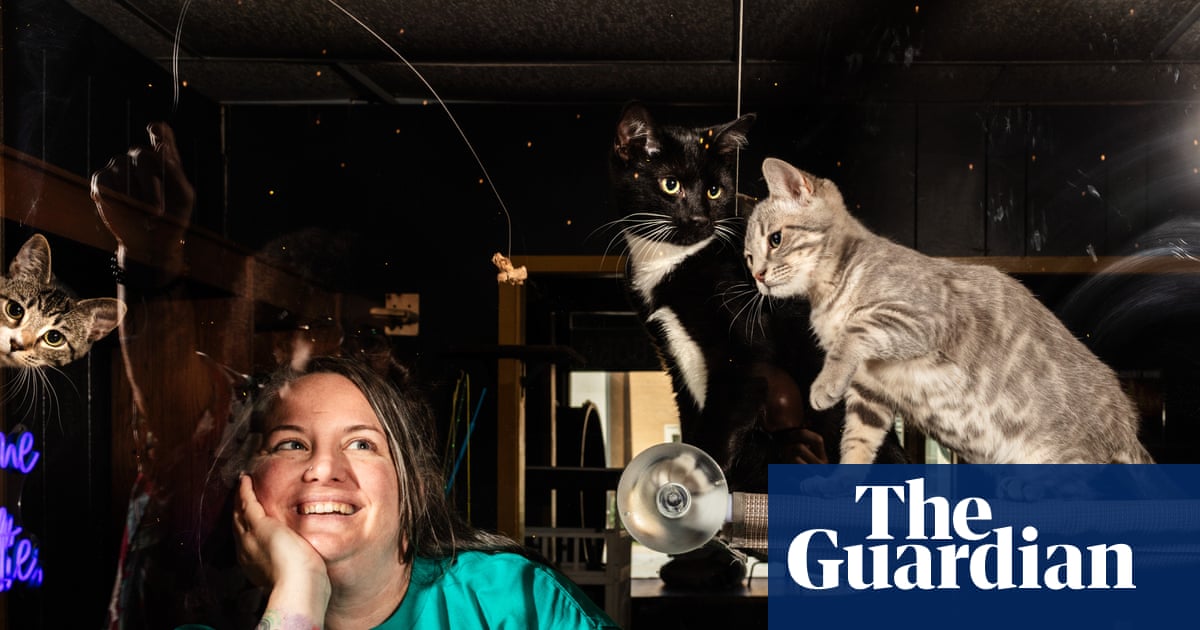
Nicole Flanagin remembers exactly the moment an influencer came after her business. It was the early hours of a March morning and the cat cafe owner in Lenoir, North Carolina, got a message. “At 1.37,” she says, “a friend sent me the link to this girl’s TikTok.”
The 41-year-old was already having a bad 24 hours. A mother of four, Flanagin also works at a pet rescue shelter and had spent the previous day unsuccessfully fighting for a dog not to be put down. She got home exhausted and promptly conked out in bed. Then she woke up to the message.
The video began innocuously enough with a local influencer sitting in her parked car. “For those of you who know me,” she stated, “I do reviews of local businesses. One very special thing about me is I don’t make bad reviews – but I’m kinda mad right now!” The woman had just taken her child to an unnamed cafe with “animals you can pet”, only to be coldly turned away because she had got its visiting hours wrong. In the influencer’s telling, she began bargaining with staff to try to let the girl into the area where the animals were kept. No dice. Her daughter started “literally bawling her eyes out … and they were just, like, standing there staring”.
Flanagin knew instantly that the woman was talking about her cafe, Brews and Mews – the only animal cafe in the area. The cats are fosters from local shelters, and children aged six and under can only visit during “Happy Meow-ers” sessions, to safeguard the cats’ time away from customers – particularly small, sticky‑fingered ones.
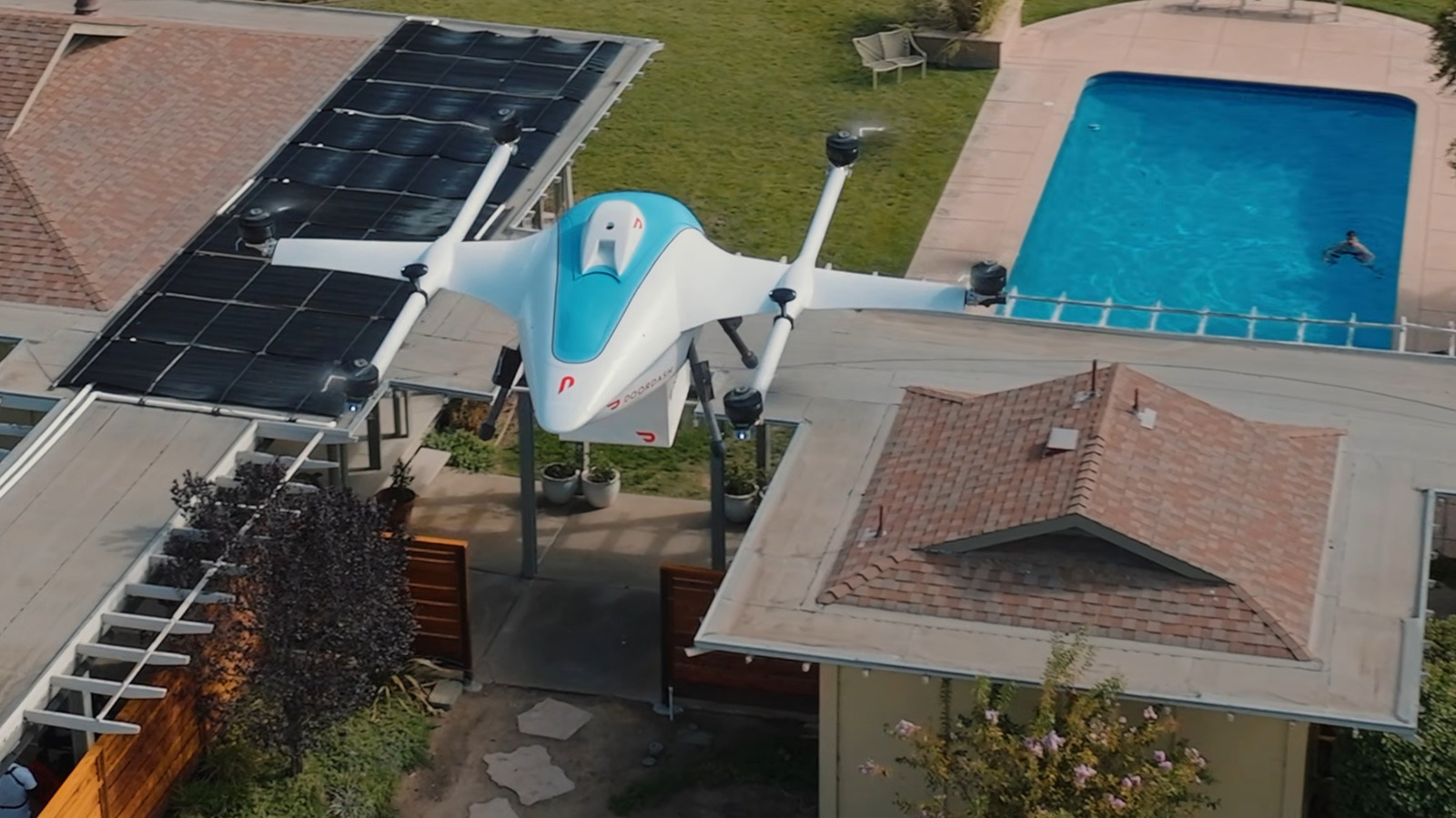
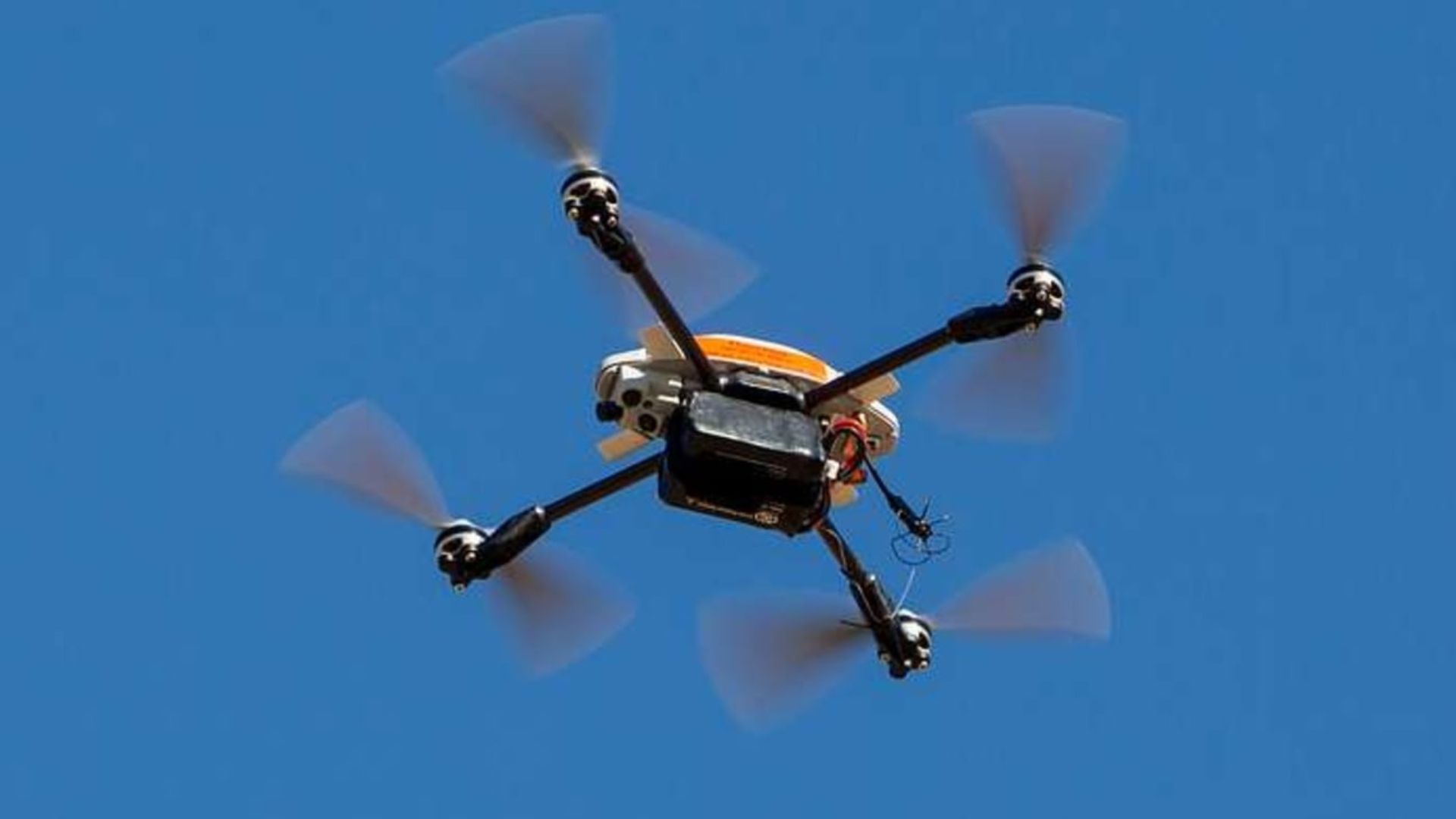
… the Defense Department is signaling its intent to ramp up a range of aggressive covert activities abroad — potentially including cyberattacks, supply chain disruptions and disinformation operations. Many of the people who spoke to POLITICO argued that the aggressive new initiative is needed to help the Pentagon counter foreign adversaries they say are harnessing artificial intelligence and advanced commercial technologies, such as drones, in creative ways that could erode America’s military advantage…
While TSO lacks the legal authority to conduct clandestine operations directly, it works closely with senior U.S. military and intelligence officers to develop cutting-edge tools and strategies to disrupt adversaries’ access to critical defense technologies — or subvert them from afar. TSO is staffed with engineers, special operators and intelligence officers, and its work spans everything from building bespoke hacking tools to planning elaborate deception operations that trick adversaries into installing faulty components — likely designed by TSO — in key foreign weapons platforms. TSO’s overarching goal is to “buy time or stop adversaries from developing technologies” that would most threaten the U.S. military in a major conflict, said a former U.S. intelligence official who worked closely with the agency… A second former Pentagon official and a former U.S. national security official said the agency has told some defense contractors it’s interested in offensive hacking capabilities. The former senior Pentagon intelligence official estimated that its budget for classified contracts alone is likely north of $1.5 billion.
They are seeking contractors on “the leading edge of technology,” that official said, and hope to procure “a whole host of tools wherever your imagination can go.”
For more than two decades, my research group has been studying and supporting young people with disabilities, as they create and use digital technologies.
In one study of Autcraft, a Minecraft server built for autistic kids, a 13-year-old boy described a rich social life there that included friends he trusted, builds he led, other kids he comforted when they were struggling.
And yet, when describing this rich social life, he asked, “Will I always be not social?”
This quote has stayed with me. This sweet, social child was measuring his life against a definition of “social” that was not built for him. And the way his parents, schoolteachers and other well-meaning adults were using that definition made him feel terrible about his own experiences and the things that made him happy.
…
We should hold platforms accountable for what they design and encourage them to make better experiences for everyone, rather than banning some people while creating a surveillance infrastructure that risks harming us all.
California has a real choice this year: pass bans that push youth further from spaces they feel safe or start setting standards for platforms so those spaces actually are safe. The 13-year-old who wondered if he’d always be “not social” was asking us to see his social life, not to take it away.