For anyone unfamiliar with it, DroidDeck is a relatively new, open-source Android application that aims to bring the full Steam client and PC gaming experience to Android devices (phones, tablets, retro handhelds), without requiring users to root their phones or replace Android with another operating system. It’s a big project, particularly for those interested in handheld gaming and the possibilities of running Linux software on Android hardware.
I’ve been chatting with the people behind DroidDeck over the last few weeks, and what began as a feature article about the project turned into a rather extensive interview with five of its developers: The412Banner, Max, xXJSONDeruloXx, Kimchi and Astro Sky. We discussed everything: from their earliest experiments with Linux, Steam and Gamescope to the technical challenges involved, automated testing, open-source development and where they hope to take DroidDeck in the future.
I’ve now published the complete interview on my NeoCity/Handheld Hideout site, with all 87 questions and their individual answers, organized into linked sections so you can jump straight to the topics that interest you. There’s a lot of technical detail in there, but also some personal stories about how the developers met, their early breakthroughs and what keeps them working on the project.
And to be transparent about their work, DroidDeck does make use of AI-assisted development. They discuss that openly in the interview when asked, including how the developers use AI tools, automated testing and code reviews as part of their workflow.
The consequences of overestimating understanding extend beyond academic debates. According to the authors, assumptions about what scientists know can influence nearly every stage of the research process, from experimental design and theory development to teaching and communication.
“It makes a case that the many incomplete levels of understanding affect, often unwittingly, the ways scientists design experiments, test theories, comprehend, communicate and teach,” the authors observe.
The topic resonated widely within the scientific community. The essay attracted 32 published commentaries from researchers across multiple fields, an unusually robust response that prompted the three authors to prepare a collective reply.
The discussion reflects a longstanding interest in the strengths and limitations of human cognition. Recognizing those limitations, the authors assert, can ultimately strengthen science rather than weaken it.
Acknowledging gaps in understanding encourages greater caution when drawing conclusions, greater humility when communicating results and greater openness to alternative explanations. It also reflects the reality that scientific knowledge is continually evolving.
That is, science advances through a continual process of refining, testing and deepening humanity’s understanding of how the world works. And, paradoxically, recognizing how much remains unknown may be one of the clearest signs of scientific progress.
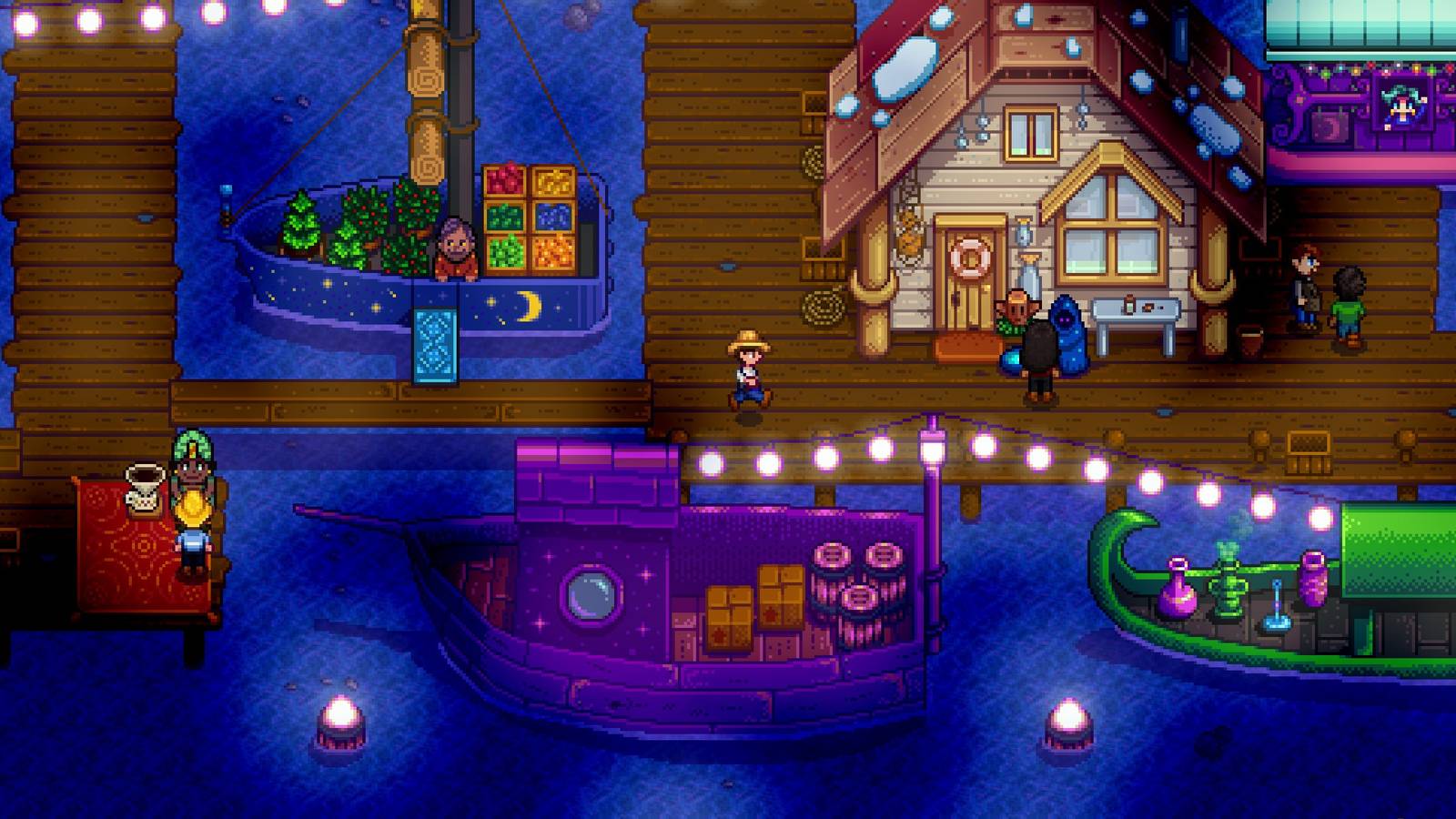
During an appearance at the Symphony of Seasons concert at Red Rocks Amphitheater on October 25, ConcernedApe reportedly revealed that Stardew Valley 1.7 would be the game’s biggest update yet, with a tentative release window of 2027. According to attendees, he also described Clint and Sandy as merely the “tip of the iceberg.” That comment is particularly exciting in light of a mysterious message he shared in September, which has yet to receive any explanation. If the new marriage candidates represent such a small part of the update, the message’s more ambitious interpretations suddenly seem worth another look.
In September 2026, ConcernedApe shared a cryptic message on the official Stardew Valley Discord server containing three clues about Update 1.7. The first stated that “two paths will be extended,” which immediately prompted speculation about the game’s existing progression systems. One straightforward interpretation involves Clint and Sandy, whose previously limited relationship paths will be expanded to accommodate romance and marriage. Considering both characters have been part of the game for years, this seems like a reasonable explanation. However, the developer’s latest comments make me wonder whether the clue could be pointing toward something considerably more substantial.
Another interpretation involves the Community Center and JojaMart routes, which determine how players approach one of Stardew Valley’s central storylines. Although both paths eventually allow players to develop Pelican Town, their long-term consequences are relatively limited once the major objectives are completed. Extending these routes could introduce additional objectives or more meaningful differences between their outcomes. Personally, I find this possibility more exciting than the romance explanation, particularly because it would give experienced players another reason to revisit one of the game’s earliest decisions. Nothing confirms that the clue refers to these routes, but the reported scale of Update 1.7 makes the idea easier to imagine.
Par TJP, H&BR, SL, FP. Le 29 octobre 2026. Ce dernier article survole les décorations autres que celles d’origine et béton. Pour ce qui est de la technique de ces engins veuillez vous reporter aux articles antérieurs de DOCRAIL. -BB 25500, 8500, 17000 et 20200 de décembre 2024. -BB ALSTHOM, décoration « béton » de décembre 2024. […]
Par TJP, H&BR, SL, FP. Le 29 octobre 2026. Ce dernier article survole les décorations autres que celles d’origine et béton. Pour ce qui est de la technique de ces engins veuillez vous reporter aux articles antérieurs de DOCRAIL. -BB 25500, 8500, 17000 et 20200 de décembre 2024. -BB ALSTHOM, décoration « béton » de décembre 2024. […]
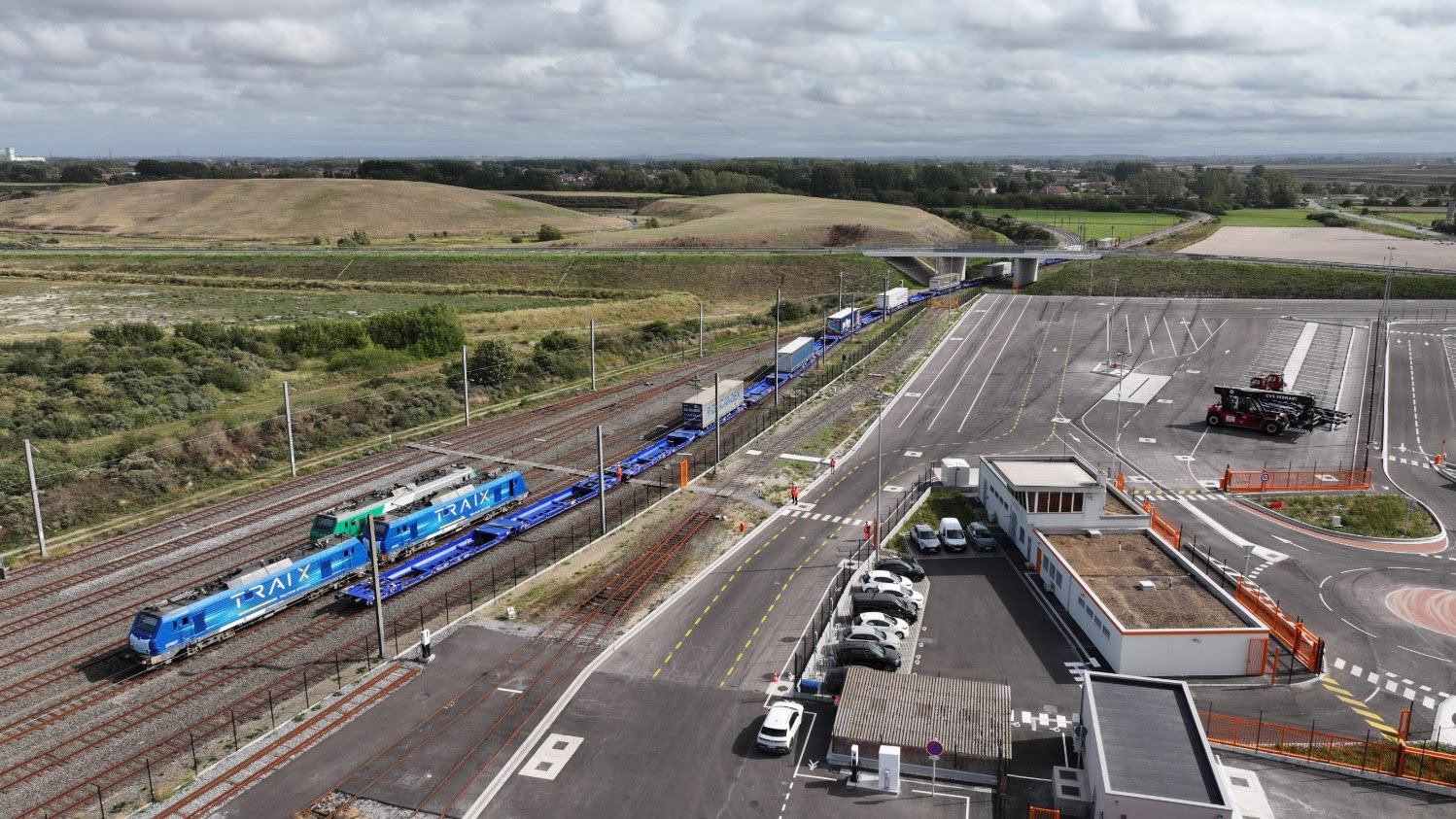
MODAL GROUP et Dunkerque-Port franchissent une étape majeure dans le développement du transport combiné. Inauguré ce 15 octobre 2026, moins d’un an après la pose de sa première pierre, le nouveau terminal multimodal de Dunkerque accueille déjà trois allers-retours ferroviaires hebdomadaires vers Lyon, avant une extension prévue vers l’Italie en 2027. Avec cette infrastructure de 9,6 hectares ouverte à tous les opérateurs, les deux partenaires entendent renforcer la compétitivité logistique du territoire et accélérer le report modal.
MODAL GROUP et Dunkerque-Port franchissent une étape majeure dans le développement du transport combiné. Inauguré ce 15 octobre 2026, moins d’un an après la pose de sa première pierre, le nouveau terminal multimodal de Dunkerque accueille déjà trois allers-retours ferroviaires hebdomadaires vers Lyon, avant une extension prévue vers l’Italie en 2027. Avec cette infrastructure de 9,6 hectares ouverte à tous les opérateurs, les deux partenaires entendent renforcer la compétitivité logistique du territoire et accélérer le report modal.
Kimi Antonelli is the Formula 1 world champion. Winning the championship at the Mexico Grand prix. Here from Max Verstappen, George Russell, Matt and Tommy!
Kimi Antonelli is the Formula 1 world champion. Winning the championship at the Mexico Grand prix. Here from Max Verstappen, George Russell, Matt and Tommy!
After a week and a bit in primary, followed by a week and a bit in bottles, it’s finally ready to enjoy. Color is good, aroma is malty, head was solid, and taste is mellow. I’d give this a solid 7/10. Would make again.
After a week and a bit in primary, followed by a week and a bit in bottles, it’s finally ready to enjoy. Color is good, aroma is malty, head was solid, and taste is mellow. I’d give this a solid 7/10. Would make again.
I got a gaming computer a few months ago and installed Pop OS on it. No particular reason for this distro-choice. When I buy a computer, I run with the first distro that installs easily.
I was gonna dual-boot with Windows, but well why assume Linux won’t work and pre-empt. Let’s try monobooting first.
The computer is basically offline. I connect to the internet when I need to download a driver or something like that. Was thinking of making the computer 100% offline, but that introduces headaches with certain uploads and installs. So all one-player-games, the way I like, might be hard for the amongus generation to relate.
I download games from Fitgirl to a Raspberry Pi and external drive. It’s more energy-efficient anyway to leave my Pi running than a gaming computer. Then I transfer the games to the big computer.
I don’t use Steam, not even sure what that is. I have never seen a microtransaction, online multiplayer, or ads. My games come with all DLCs bundled.
Do I have tech trouble making games work on Linux?
Sometimes. Standard operating procedure is run the installer on Bottles (usebottles.com) and then run the game with wine game.exe
The more games you install, the more likely it is to be an error you’ve seen before, so gaming on Linux becomes easier over time. I keep a .txt file of how I got each game working so I can re-try solutions.
Two important tricks to save the headache of troubleshooting –
go to Plan B. If the Fitgirl repack didn’t work, try the Dodi Repack. Or a different version number. No point wasting your time dealing with tech problems.
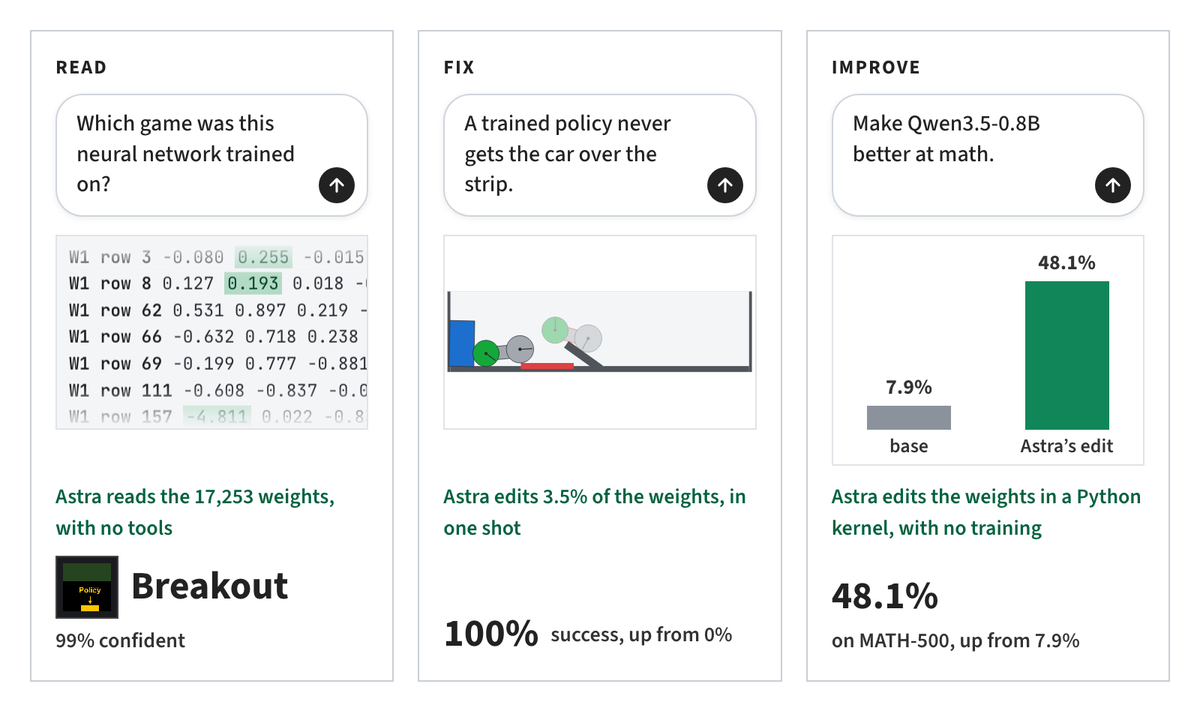
a gaming computer is the same thing as an AI computer. I run Qwen locally and show it the error messages, tell it to fix it, then come back after a few hours. This works great. Culture warriors will be like “oooh AI bad”… mate it just figured out my game was using Wine D3D instead of DXVK and the wrong card, and autonomously changed the settings. I don’t care if you think “AI bad”, I put in two minutes of effort instead of two hours and the problem got fixed.
Both fediverse softwares that support user reviews for books, both have RSS support natively (no Piefed/Misskey bridge needed), and some comments also seem discontent with Amazon’s mismanagement overall.
Both fediverse softwares that support user reviews for books, both have RSS support natively (no Piefed/Misskey bridge needed), and some comments also seem discontent with Amazon’s mismanagement overall.
Source: Twitch Helix API (Get Streams). On Nov 2, 2026 at 18:35 UTC I read every live stream once (1,154 requests, a few minutes) and kept only the viewer counts, no names. 115,161 channels were live with 3,160,515 viewers. Tool: node-canvas (JavaScript), drawn by hand, no chart library.
What surprised me:
The 10 biggest channels had as many viewers as the bottom 106,674 channels combined.
The most common viewer count is exactly 1: 41,198 channels, 36% of everyone live. My guess is that many of those are the streamer’s own second screen.
1 in 10 live channels had nobody watching at all.
427 viewers was enough to be in the top 1,000, and 24 viewers put you in the top 10,000.
I got a gaming computer a few months ago and installed Pop OS on it. No particular reason for this distro-choice. When I buy a computer, I run with the first distro that installs easily.
I was gonna dual-boot with Windows, but well why assume Linux won’t work and pre-empt. Let’s try monobooting first.
The computer is basically offline. I connect to the internet when I need to download a driver or something like that. Was thinking of making the computer 100% offline, but that introduces headaches with certain uploads and installs. So all one-player-games, the way I like, might be hard for the amongus generation to relate.
I download games from Fitgirl to a Raspberry Pi and external drive. It’s more energy-efficient anyway to leave my Pi running than a gaming computer. Then I transfer the games to the big computer.
I don’t use Steam, not even sure what that is. I have never seen a microtransaction, online multiplayer, or ads. My games come with all DLCs bundled.
Do I have tech trouble making games work on Linux?
Sometimes. Standard operating procedure is run the installer on Bottles (usebottles.com) and then run the game with wine game.exe
The more games you install, the more likely it is to be an error you’ve seen before, so gaming on Linux becomes easier over time. I keep a .txt file of how I got each game working so I can re-try solutions.
Two important tricks to save the headache of troubleshooting –
go to Plan B. If the Fitgirl repack didn’t work, try the Dodi Repack. Or a different version number. No point wasting your time dealing with tech problems.
a gaming computer is the same thing as an AI computer. I run Qwen locally and show it the error messages, tell it to fix it, then come back after a few hours. This works great. Culture warriors will be like “oooh AI bad”… mate it just figured out my game was using Wine D3D instead of DXVK and the wrong card, and autonomously changed the settings. I don’t care if you think “AI bad”, I put in two minutes of effort instead of two hours and the problem got fixed.
Hello, I have made an upload and download route, both take or return streams of the file content to the browser, however I also want to make a file editor, I have been playing around with the idea of having it so as you scroll more, it fetches more of that file content from the backend, except this currently does not use the multipart stream.
I am wondering if it would be better if i had 4 routes, /upload, /download, /getfilecontent, and /patchfilecontent, the last 2 taking or returning json which contains raw text, or if its more standard and proper to just re-use upload and download but add headers so it can take offsets to patch or get file content, note this would require an extra translation step to take from a multipart stream and convert it into text to show in the browser, and some extra steps for the other way around.
What would you recommend?
Hello, I have made an upload and download route, both take or return streams of the file content to the browser, however I also want to make a file editor, I have been playing around with the idea of having it so as you scroll more, it fetches more of that file content from the backend, except this currently does not use the multipart stream.
I am wondering if it would be better if i had 4 routes, /upload, /download, /getfilecontent, and /patchfilecontent, the last 2 taking or returning json which contains raw text, or if its more standard and proper to just re-use upload and download but add headers so it can take offsets to patch or get file content, note this would require an extra translation step to take from a multipart stream and convert it into text to show in the browser, and some extra steps for the other way around.
The Atlanta-based nonprofit that launched an Eviction Relief Fund during the COVID pandemic has now assisted over 5,500 families so they could stay in their apartments. Marjy Stagmeier, a landlord of affordable housing in the Georgia capital city, is helping ease the burden on tenants through fundraising for the nonprofit she founded, the Star-C Program. […]
The post Housing Nonprofit Funds $16.5 Million in Eviction Relief to Assist Renters appeared first on Good News Network.
I don’t know if there have just been a load of game jams recently or if everyone’s feeling extra spooky for the Halloween sale, but there’s a frankly ridiculously large number of games being given away in the next couple of days:
I don’t know if there have just been a load of game jams recently or if everyone’s feeling extra spooky for the Halloween sale, but there’s a frankly ridiculously large number of games being given away in the next couple of days:
Early Sunday morning, volunteer comet hunter Jiangao Ruan filed a candidate report at 9:04 a.m. UTC flagging a new Kreutz-group sungrazer in data captured by CCOR-1, the solar coronagraph aboard NOAA’s GOES-19 weather satellite. Fellow citizen scientist Zesheng Yang co-signed the submission the same morning. The candidate now awaits confirmation from staff at the Naval Research Laboratory — the latest in a sequence that has quietly made a weather-monitoring coronagraph into the world’s most productive sungrazing-comet finder, staffed almost entirely by people who do this for free.
Early Sunday morning, volunteer comet hunter Jiangao Ruan filed a candidate report at 9:04 a.m. UTC flagging a new Kreutz-group sungrazer in data captured by CCOR-1, the solar coronagraph aboard NOAA’s GOES-19 weather satellite. Fellow citizen scientist Zesheng Yang co-signed the submission the same morning. The candidate now awaits confirmation from staff at the Naval Research Laboratory — the latest in a sequence that has quietly made a weather-monitoring coronagraph into the world’s most productive sungrazing-comet finder, staffed almost entirely by people who do this for free.
The system analyzes radio signals reflected by objects, using geographically separated sites to transmit and receive sensing signals. Observing an object from several angles helps improve positioning and maintain its track as it moves through the coverage area, according to Ericsson.
The company said validated tests reliably detected and tracked micro drones at kilometer-scale distances with precise three-dimensional positioning. Performance varies with the target, its flight path, the arrangement of sensing sites, terrain, surrounding conditions and system configuration.
“Detecting small drones across large areas is a growing operational challenge. The possibility of using distributed infrastructure to complement existing sensors could provide an important additional layer of situational awareness,” said Carl Lundqvist, chief architect at Swedish Armed Forces Headquarters.
Something that is pretty interesting about publicly shared communications networks like 5G is that their saturation and high usage by all of us can be leveraged for public safety, by virtue of having cell towers everywhere and making sure to provide good coverage consistently over large areas the infrastructure necessary for mobile smartphone use inherently created a public capacity to sense small things intruding into it in ways that are highly unusual… i.e. you can detect drones. This is a metaphor for an idea that extends to a lot of abstract places too.
Another manifestation of this idea is the rapidly evolving use of pre-existing fiber optic internet cable infrastructure to seismically and acoustically sense nearby objects/the ground. The science is complex but the idea is still kind of the same. When we created extremely long lengths of fiber optic cable that could transmit millions and millions of cat videos back and forth at lightning speed and high bandwith, we also simultaneously created an extremely powerful sensor that we can use to see into the ground and detect things moving nearby… like whales!
Article about detecting whale acoustic calls with pre-existing fiber optic cable infrastructure.
Article about detecting silent whales moving through the water column through special water/solid interface waves that bodies moving through the water create.
Our collective data streams and the infrastructure and mediums they are conveyed by create a sort of collective ability to sense… isn’t that weird/cool???