

0
271







Partially inspired from the Eldrich Overdrive Tarot
Partially inspired from the Eldrich Overdrive Tarot
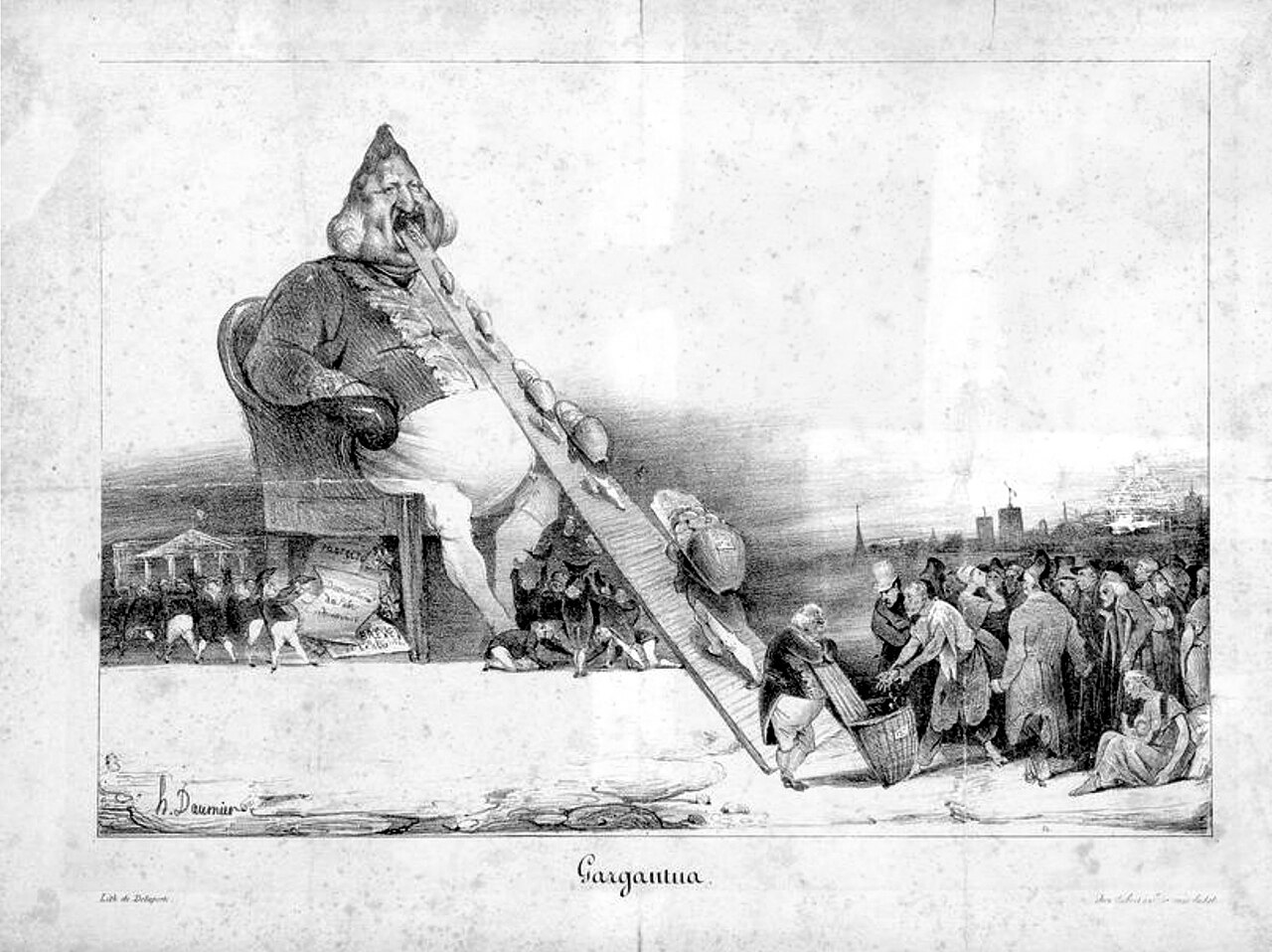
The crux of my AI-energy-fascism nexus theory, then, is that the AI energy rush has instigated a shift in the calculus of the tech sector as a whole; given new life to oil and gas interests facing existential challenges; and bolstered a far-right political coalition that desperately needs to shore up signs of economic prosperity. This association is mutually legitimating: all three parties get something from the other two and, in turn, capacitate them. We can think of this as a triangle — or perhaps a tensegrity structure if you’re an enthusiast for spatial metaphors — where all three components pull in different but complementary directions, supporting the reach and stability of the system as a whole. This rearrangement of political friends and forces is additive, transformational, and reinforcing, meaning that a deep understanding of any singular part can only get us so far.
The bigger question to ask is: what does each part do for the other? In the remainder of this essay, I will provide a preliminary answer across the many vectors in this alliance.
Starlink Group 15-18 launch out of SLC-4E at Vandenberg Space Force Base in California is currently scheduled for 2026-10-31 04:04:34 UTC, or 2026-10-30 21:04:34 local time (PDT). Booster 1093-18 to land on Of Course I Still Love You.
Webcasts:
Starlink Group 15-18 launch out of SLC-4E at Vandenberg Space Force Base in California is currently scheduled for 2026-10-31 04:04:34 UTC, or 2026-10-30 21:04:34 local time (PDT). Booster 1093-18 to land on Of Course I Still Love You.
Webcasts:





cross-posted from: lemmy.world/post/53801753
Best buds
cross-posted from: lemmy.world/post/53801753
Best buds



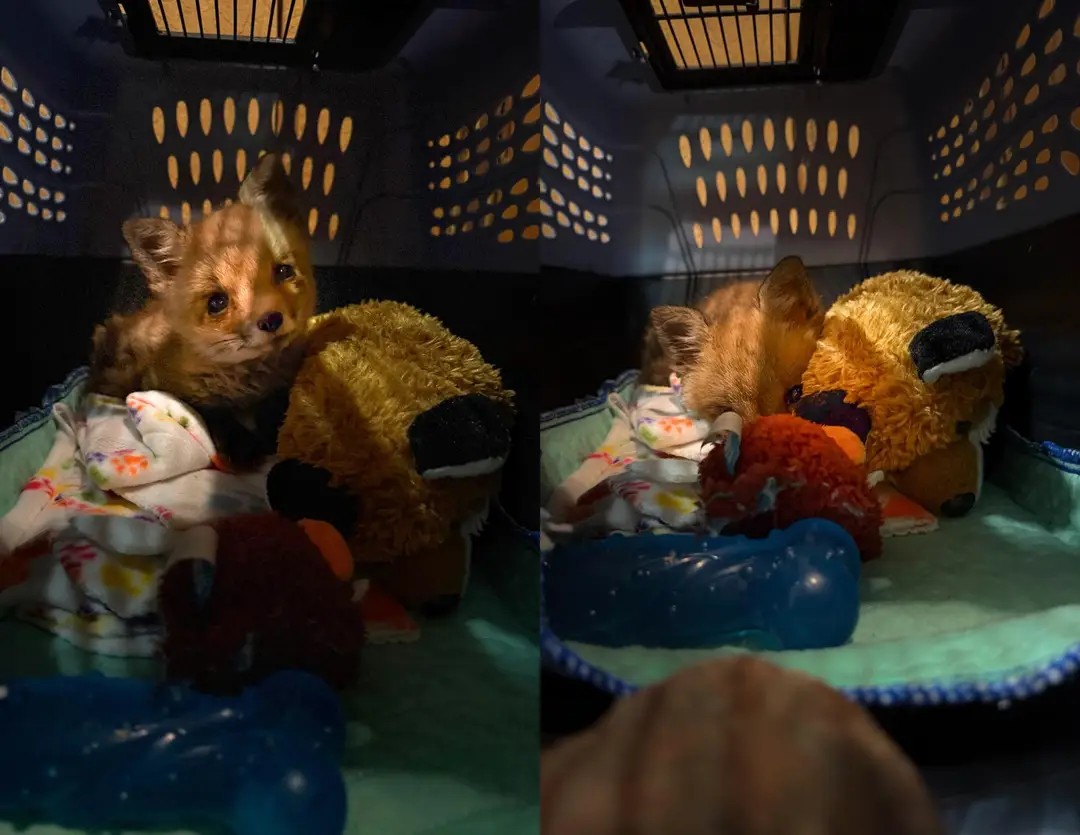
Apple shortly after intake

Apple being picked up from surgery
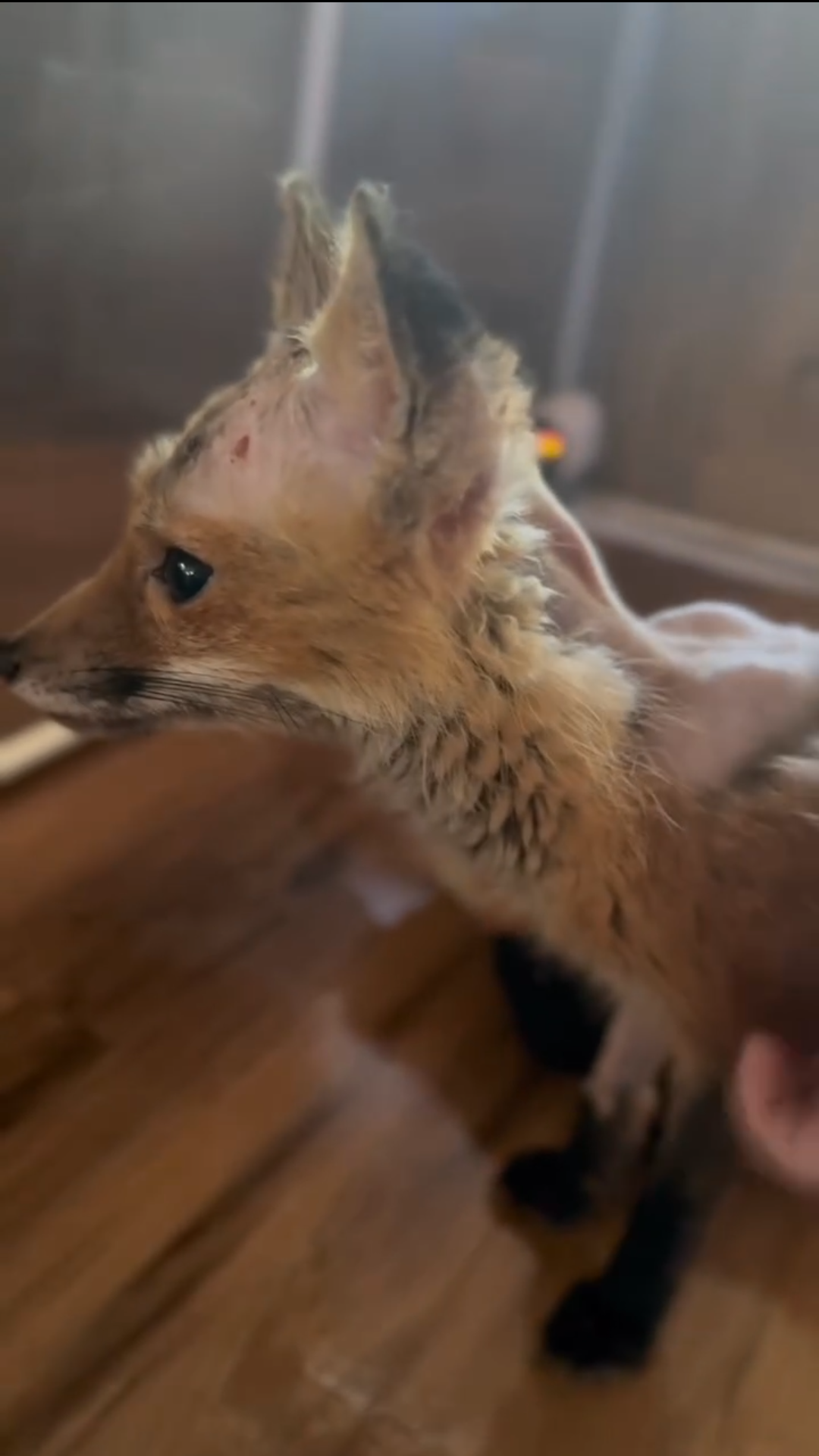
Apple 1 week post surgery alert and moving

Apple 5 weeks post surgery acting her normal self with no new symptoms from hydrocephalus.
This is Apple. She’s the first red fox in the U.S. and probably the first fox period in the U.S. to undergo surgery to have a shunt placed to aid with fluid build up in the brain caused by hydrocephalus.
She is another resident fox of Arctic Fox Daily. She’s one of two kits taken in at the same time and the only to survive. Arctic Fox Daily has been building their medical vet network to get more answers and find solutions for foxes with hydrocephalus who aren’t ready to give up on life.
Apple’s initial MRI was conducted in mid May of 2026. She was treated with medication which helped but did not completely solve the issue. Apple was still slowly declining. It was clear she needed a shunt. Apple had surgery early September 2026 and is doing very well so far. She is full of life and ready to take on the world. Or, at least social media.
Apple shortly after intake
Apple being picked up from surgery
Apple 1 week post surgery alert and moving
Apple 5 weeks post surgery acting her normal self with no new symptoms from hydrocephalus.
This is Apple. She’s the first red fox in the U.S. and probably the first fox period in the U.S. to undergo surgery to have a shunt placed to aid with fluid build up in the brain caused by hydrocephalus.
She is another resident fox of Arctic Fox Daily. She’s one of two kits taken in at the same time and the only to survive. Arctic Fox Daily has been building their medical vet network to get more answers and find solutions for foxes with hydrocephalus who aren’t ready to give up on life.
Apple’s initial MRI was conducted in mid May of 2026. She was treated with medication which helped but did not completely solve the issue. Apple was still slowly declining. It was clear she needed a shunt. Apple had surgery early September 2026 and is doing very well so far. She is full of life and ready to take on the world. Or, at least social media.

What games would you pick that aren’t really a part of the horror genre, but maybe have horror vibes, or fall vibes, or something else that makes them really suited for fall?
What games would you pick that aren’t really a part of the horror genre, but maybe have horror vibes, or fall vibes, or something else that makes them really suited for fall?

cross-posted from: sh.itjust.works/post/69183402
cross-posted from: sh.itjust.works/post/69183402

Yeah finally got around to watching it tonight and I was basically sobbing the whole time. It wasn’t quite what I expected, but it was so amazingly good. In addition to capturing the feeling of being an egg and seeing someone like you. The connection hit really hard as well. It also just did an amazing job of conveying dysphoric disassociation. I also loved the use of monochrome lighting and fluorescent coloring to blur the feeling of real and unreal.
So yeah, absolutely amazing cathartic cry movie, though IDK if it’s a great one to show to cis loved ones to show how it feels.
And it’s made me feel the need to get around to watching Veneno, which I’ve been putting off for several years. I suppose I don’t get to complain about not having enough great trans media if it exists and I don’t watch it, so I guess I gotta go watch it. When I do I’ll try to remember to post a review of it too. I’ve already seen the first episode and loved it.




FEN = 7r/3n2Q1/B4P2/3Np2k/7P/5nPP/8/K7 w - - 0 1
FEN = 7r/3n2Q1/B4P2/3Np2k/7P/5nPP/8/K7 w - - 0 1


The early voting for the Midterms is now available in many places. You can early vote at a polling place or you can use mail-in voting.
Get organised today here: www.vote.org
If you choose to vote in person, either now or on election day, be aware of your rights and course of actions: lemmy.world/post/53334632


Original commentary:
投稿遅れちゃいましたがtwitterに上げてたものです! vol.7わくわく!
Ran thru a translator it reads:
I’m a little late posting this, but here’s what I shared on Twitter! Excited for Vol. 7!
Original commentary:
投稿遅れちゃいましたがtwitterに上げてたものです! vol.7わくわく!
Ran thru a translator it reads:
I’m a little late posting this, but here’s what I shared on Twitter! Excited for Vol. 7!



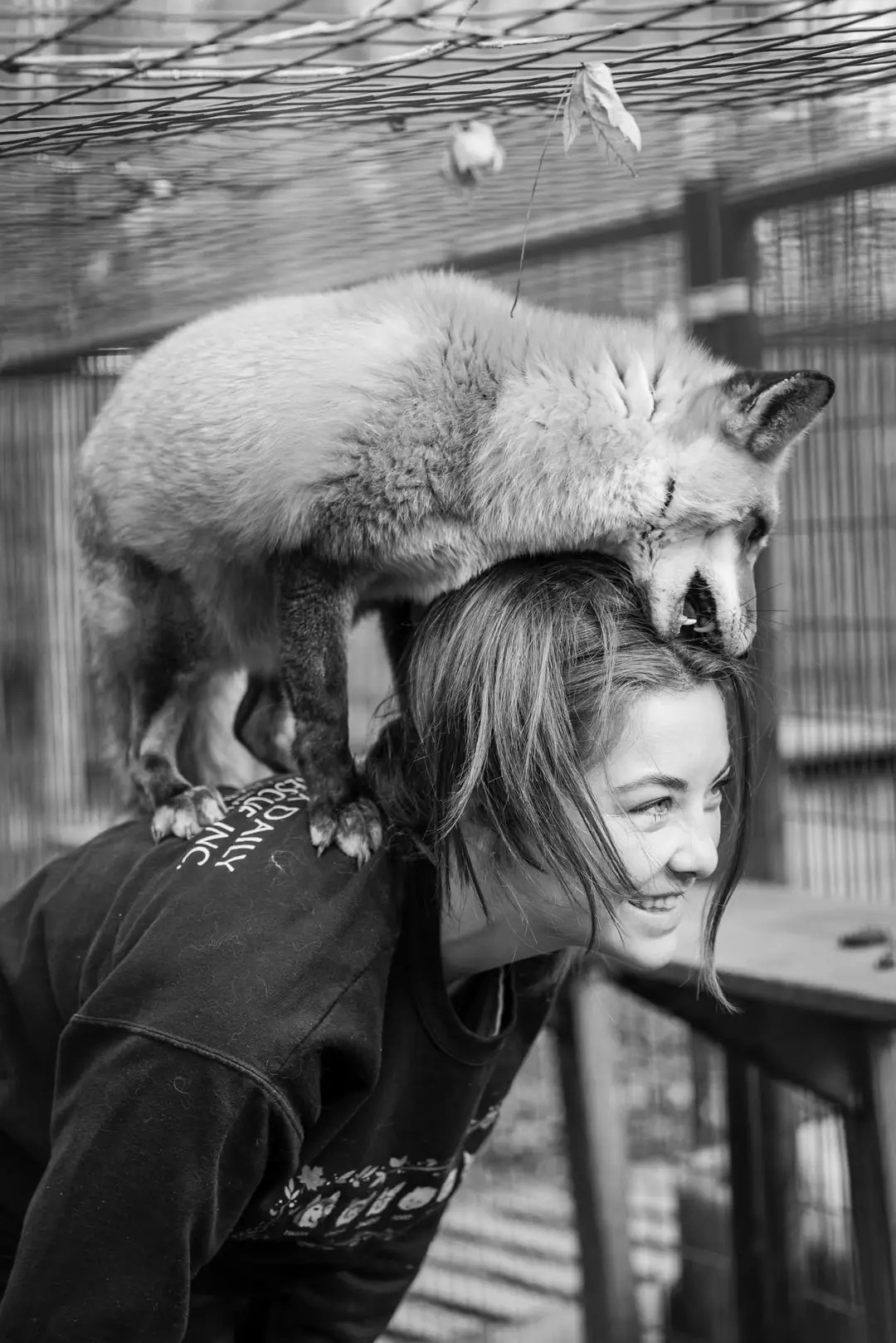
This Is (was) Porsha aka The Queen of Chaos, aka Porky, one of my favorite foxes over at Arctic Fox Daily. Porsha was well known for being loud and proud and stealing Kim (the rescuer)'s phone and running away.
Here’s the Facebook link if you want to read more about the wonderful chaotic life of Porsha. They’re also going as Arctic Fox Daily on all social media and ArcticFoxDaily.org



Porsha proud of stealing Kim’s phone

The video that made Porsha go viral (YouTube link)
This Is (was) Porsha aka The Queen of Chaos, aka Porky, one of my favorite foxes over at Arctic Fox Daily. Porsha was well known for being loud and proud and stealing Kim (the rescuer)'s phone and running away.
Here’s the Facebook link if you want to read more about the wonderful chaotic life of Porsha. They’re also going as Arctic Fox Daily on all social media and ArcticFoxDaily.org
Porsha proud of stealing Kim’s phone
The video that made Porsha go viral (YouTube link)

After spending a full day banging my head against a wall, again, this morning I hit on a phrase that hadn’t occurred to me, “peer-to-peer audio” and with it came an insight into the problem I’ve been working on since I conceived of Bald Yak. In case you’re unfamiliar, the Bald Yak project aims to create a modular, bidirectional and distributed signal processing and control system that leverages GNU Radio. It’s called Bald Yak because by the time I’m done, the Yak is likely well and truly shaved.
While it might seem superfluous rehashing my frustrating day, I think it helps to describe more fully what I’m trying to achieve, so bear with me.
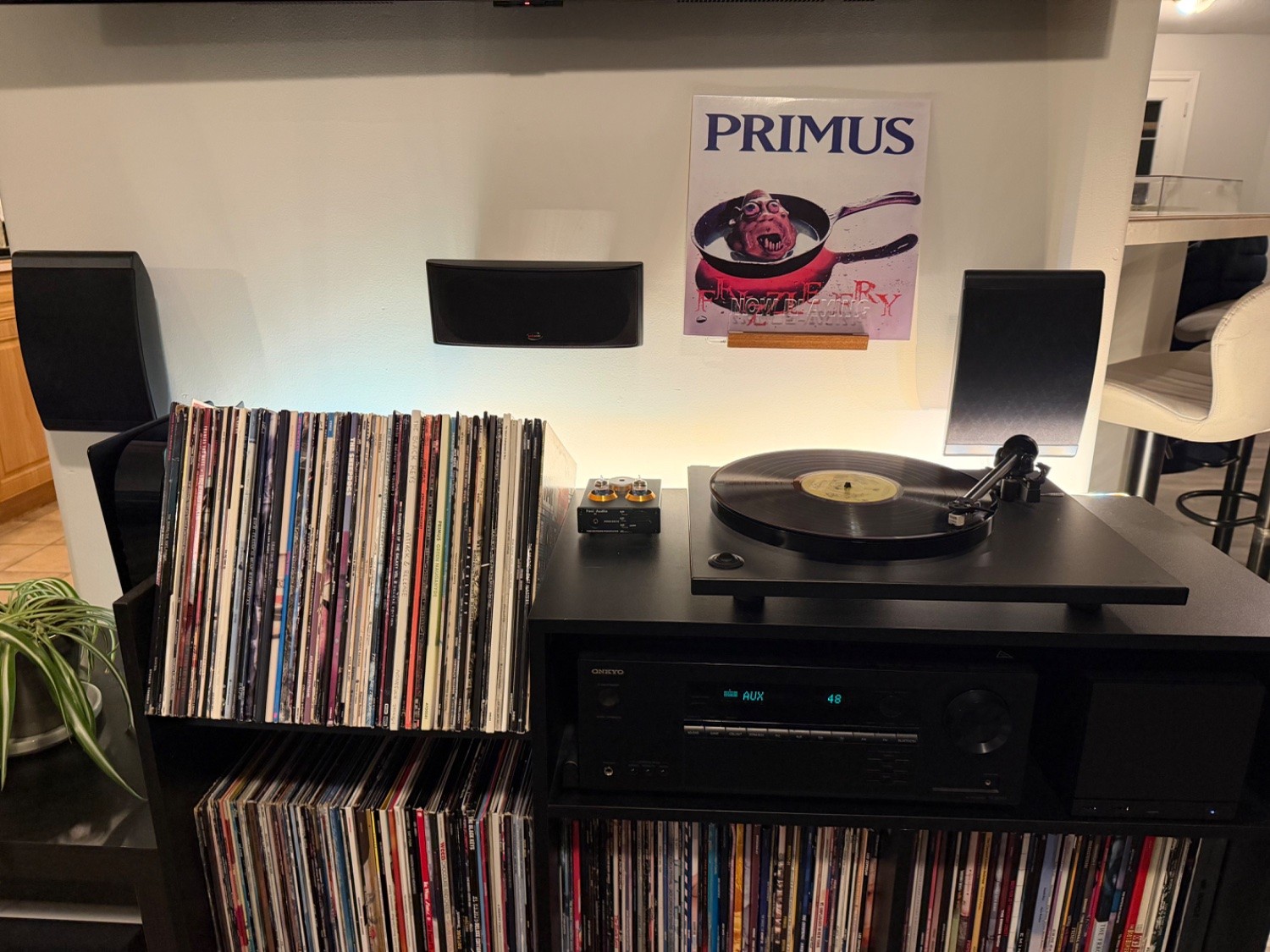
It started with me needing to have music to listen to. I normally stream something off the Internet, “SBS Chill” if you’re interested, but having a shower thought, it occurred to me that I might create a spreadsheet of the things I could hear via RF in my shack. It’s been a while since I was on any frequency other than the local VK6RLM repeater where I host F-troop, and I wanted to get back to doing some more hands-on radio.
After listening to “ABC Classic FM” on my amateur radio transceiver, I scanned up and down the FM broadcast band and heard plenty more stations. The audio wasn’t cutting it, I mean, who wants to listen to Claude Debussy or Wolfgang Amadeus Mozart performed in glorious mono?
I thought of using an RTL-SDR dongle to do the tuning and listening, the tool “rtl_fm” is perfect for the job. One problem. How do I get the audio from the device with the dongle, to my ears? I suppose I could plug in a pair of speakers and have at it, but I’m not alone and my office is central to the house, so anything here is heard everywhere. Headphone cables are too short and my antenna is also on the opposite side, so challenging.
Mind you, I already bridged this gap once with RemoteRig, which essentially replaces the serial cable between the head and body of a radio with a network connection, for me that’s across the room, but it could easily be across the Internet.
All of this is complicated by my current computing set-up. I’m typing on a keyboard connected to a MacBook in turn connected to an external monitor. That monitor is also connected to a Debian Linux computer running Proxmox where my old workstation is running in a virtual machine and in the process of being resurrected. It also runs several other virtual machines where I’m running GNU Radio in a Docker container.
One noted absence from that setup is audio.
Right now, I record my podcast audio onto a Zoom H5 handheld recording studio in my wardrobe, then transfer the audio file to my old workstation where all the scripts live to make my podcast live. I edit the audio by launching Audacity on the Mac and opening that file across the network. I hear the editing through the Zoom H5 re-connected to the Mac as a sound-card. Otherwise audio is non-existent, not excellent for listening to radio or anything else for that matter. Ideal, no, not even close, but that’s just one example of still recovering from my hardware crash over two years ago now. Mind you, audio was already challenging with software running inside Docker, but that’s a whole other thing.
I spent the day looking for ways to get audio across the room. I played with “ffmpeg” and RTSP streaming, only to discover that you need to install and configure more software in the form of a server, which is no longer included with ffmpeg. Also, apparently for reasons best understood by Apple, QuickTime Player no longer supports RTSP URLs, so go-figure.
I looked at “pipewire”, apparently needs a GUI to configure it, needs extra software installed and doesn’t appear to be readily cross-platform, though I didn’t dig too deep once I discovered the GUI requirements, I might come back to it.
I explored running a Bluetooth audio server on a Raspberry Pi to stream audio to my headphones, much like I’m listening to right now, but that too seemed cumbersome, and included all manner of pairing, trusting and ad hoc piconet interactions that didn’t fill me with joy. I suppose I could run a virtual USB cable across the network using “USBip Hot Plug” between two Raspberry Pi’s and have a go, and I might still try that.
Ultimately I didn’t find anything that came close to a real solution to fix my audio issue, but this morning it occurred to me that essentially the thing I was looking for needed to be two-way, since if I’m going to make this work, Bald Yak would need to deal with a received signal as well as a transmitted one.
For reasons I don’t understand, let’s call it my ah-ha moment, I imagined a picture of blocks scattered about, each doing their own thing and signal lines travelling between them. The phrase “peer-to-peer” came to mind and I started searching. I came across a tool called “SonoBus”, a cross platform open source application that allows users to create a distributed network of audio users, specifically supporting both recording and playback. Looked excellent, right until I discovered that the last release was three years ago and there were 178 pending issues and 17 pull requests. Mind you, looking at it again now, there are branches that were updated less than three months ago, so it’s still being developed and ultimately why I’m mentioning it.
I toyed with the notion that I/Q signals are essentially two channels per sample, much like an audio stream is a left and right channel, so there was the possibility of shoehorning a radio signal into this platform, right until I realised that I need to still do weird stuff like change frequency, mode and perhaps antenna and the like.
So, we’re back to square one, but with it comes an understanding that part of Bald Yak is going to need something that does peer-to-peer signal streams.
That gives me a description of what it needs to do. Essentially pipe data across the network between devices. It should be lightweight, offer the choice of lossless or lossy streams, since a command needs to be guaranteed to get to the other end, but you might decide that audio doesn’t. It should be cross-platform, needs to be network and device agnostic, should follow Unix philosophy where programs do one thing and do it well, work together and handle text streams, because that is a universal interface.
Mind you, I suspect that a text stream in this case is going to be a byte stream, but that’s beside the point.
It might transpire that such a thing already exists, “netcat” comes to mind for example, which if true would progress my efforts one step closer.
All in all, it’s been a good week.
I’m Onno VK6FLAB

“They’re not reintroduction fish,” he explained to Black Press Media. “They’re answering-questions fish.”
“They’re not reintroduction fish,” he explained to Black Press Media. “They’re answering-questions fish.”

Boop beep blop. I’m a bot! 01101000 01101001
Boop beep blop. I’m a bot! 01101000 01101001

The European Commission wants Frontex, the EU’s border agency, to monitor public social media posts about migration. It would also flag illegal content to platforms. MEPs and digital rights groups say the plan puts online speech under a border agency’s watch. The Commission proposed the change on Tuesday as part of a wider overhaul of […] This story continues at The Next Web
The European Commission wants Frontex, the EU’s border agency, to monitor public social media posts about migration. It would also flag illegal content to platforms. MEPs and digital rights groups say the plan puts online speech under a border agency’s watch. The Commission proposed the change on Tuesday as part of a wider overhaul of […] This story continues at The Next Web
The European Commission wants Frontex, the EU’s border agency, to monitor public social media posts about migration. It would also flag illegal content to platforms. MEPs and digital rights groups say the plan puts online speech under a border agency’s watch. The Commission proposed the change on Tuesday as part of a wider overhaul of […] This story continues at The Next Web
The European Commission wants Frontex, the EU’s border agency, to monitor public social media posts about migration. It would also flag illegal content to platforms. MEPs and digital rights groups say the plan puts online speech under a border agency’s watch. The Commission proposed the change on Tuesday as part of a wider overhaul of […] This story continues at The Next Web