0

Fallout 76 Daily Update

preview

Atomic Shop

  • Shadow Axolotl Plushie (Free), Leaves on (6-Oct-2026)
  • Army Base Theater Chair (150⚛️ (50% off!)), Leaves on (6-Oct-2026)
  • Busy Kitchen Bundle (1500⚛️), Leaves on (20-Oct-2026)
  • Ragtime Automatic Piano (500⚛️), Leaves on (20-Oct-2026)
  • A Miner’s Respite Bundle (1500⚛️), Leaves on (20-Oct-2026)
  • Morty Vending Machine Paint (500⚛️), Leaves on (20-Oct-2026)
  • Hand to Hand Bundle (960⚛️ (20% off!)), Leaves on (20-Oct-2026)
  • Miner’s Delight Bundle (1200⚛️ (20% off!)), Leaves on (20-Oct-2026)
  • Veinsplitter (Pickaxe) (500⚛️), Leaves on (20-Oct-2026)
  • A Curious Armory Bundle (1800⚛️), Leaves on (20-Oct-2026)
  • Canary Reviver (350⚛️), Leaves on (20-Oct-2026)

Current Events

  • MUTATED PUBLIC EVENTS, Ends on (6-Oct-2026)
  • SLASHER C.A.M.P. CONTEST, Ends on (26-Oct-2026)
  • SEASONAL FISH RUN, Ends on (2-Nov-2026)
  • Season 26: Beware the Blood Moon, Estimated end date (15-Dec-2026)

Fishing

  • Shadow Axolotl, Regions: Toxic Valley & Ash Heap, Changes on: (6-Oct-2026)
  • Festerkoi, Regions: Ash Heap, Burning Springs, Toxic Valley, Changes on: (22-Dec-2026)
  • Sludge Eye, Location: The Sludge Works, Changes on: (22-Dec-2026)

Daily Challenges

  • 1ˢᵗ Scrap junk to produce Acid (x5) 250
  • ⭐ Gold Star: Complete a Daily Challenge (x6) 1000
  • Craft or Scrap Armor (x5) 250
  • Craft or Scrap a Ranged Weapon (x5) 250
  • Gain XP (x2500) 250
  • Kill a Canine (x5) 250
  • Kill a Pint-Sized Phantom during a Daily Operation while on a Team! (x10) 250

Minerva’s Location: Away She will next be at The Whitespring Resort on 8-Oct-2026

Daily OPS: Uplink

  • Location: Vault 94
  • Enemy Faction: Pint-Sized Phantoms
  • Enemy Mutations: Piercing Gaze, Volatile
0

Saudi-Backed Yemeni Government Declares War Against Houthis, Widening Crisis

Saudi-Backed Yemeni Government Declares War Against Houthis www.nytimes.com
preview

archive.today/…/houthis-oil-attack-saudi-arabia-y…

The Saudi-backed government of Yemen on Sunday announced a major military campaign against the Houthi militia, a key Iranian ally, plunging the Middle East even deeper into war.

In a televised speech, Rashad al-Alimi, the leader of the internationally recognized, Saudi-backed government, said that the government was seeking to reclaim all the territory it had lost to the Houthis over the past 12 years.

Much of the government operates from Riyadh, the Saudi capital.

The two sides have been battling since 2014, when the Houthis took over the Yemeni capital, Sanaa, forcing out the government. Saudi Arabia led a bombing campaign to try to restore the government, contributing to the deaths of hundreds of thousands of people from violence, hunger and disease. The Houthis eventually created a de facto state in northern Yemen.

A truce in 2022 brought a fragile peace. But the conflict reignited this year, after the U.S. and Israel attacked Iran in February.

The latest cycle of violence began in July, after the Houthis accused Saudi Arabia of bombing Sanaa’s airport. The Houthis responded by launching drone and ballistic-missile attacks inside Saudi Arabia, while also declaring a blockade on Saudi shipping in the Red Sea.

The Houthis and Saudi Arabia, which supports government* financially and militarily, have also attacked each other directly.

It was not immediately clear what role the United States or other Saudi allies might play in the government’s counteroffensive. Britain recently announced that it would provide limited refueling support to Saudi warplanes, while American officials have provided intelligence and targeting support to Saudi Arabia to counter the Houthis in recent months.


* Sic.

0

WhatsApp local backup without Google account

preview

Yes, 90% of my contacts use Whatsapp. I am therefore trying to remove my main Google account from my GrapheneOS daily profile. I also plan to move over to Proton too, so there is no need for Google Drive.

To clarify, I’m fine keeping sandboxed Google Play with a dummy Google account for downloads/updates. I just don’t want my main Google credentials signed into Android at the system/profile level.

WhatsApp backup is one of the last blockers. On a new phone, restoring a large Google backup can take ages, and in my experience WhatsApp wouldn’t become properly usable until a significant part of the restore had completed. During that time I couldn’t reliably receive WhatsApp calls/messages, which makes migration pretty painful. If your internet drops during that time? Start over !

Has anyone successfully relied on WhatsApp’s local backup instead? Can I periodically copy it to Proton Drive/Linux and later restore it onto a fresh Android/GrapheneOS install if needed?

Especially interested in anyone who has actually tested a full restore from a manually preserved local backup.

0

Shout out to the PC components that haven't gotten more expensive

preview

Basically just the CPU fan, case, and PSU (if you’re lucky). If someone can figure out how to get Doom running on just those 3 things, young people will be able to ascend.

Basically just the CPU fan, case, and PSU (if you’re lucky). If someone can figure out how to get Doom running on just those 3 things, young people will be able to ascend.

0

Ein Auto verletzt einen Cafébesucher. Der 83-jährige Fahrer wird nur am Rande erwähnt.

Hamburger Morgenpost Auto rast in Kieler Café – Mann schwer verletzt www.mopo.de
preview

Überschrift richtig formuliert: “Mann jenseits der Lebenserwartung attackiert Cafébesucher mit lebensgefährlicher Tatwaffe.”

Ja, ich bin pissig. Kann echt nicht sein, wie hier um den alten heißen Brei geredet wird.

Überschrift richtig formuliert: “Mann jenseits der Lebenserwartung attackiert Cafébesucher mit lebensgefährlicher Tatwaffe.”

Ja, ich bin pissig. Kann echt nicht sein, wie hier um den alten heißen Brei geredet wird.

0

Recovering legacy S3QL from AWS S3

Mashio.NET Recovering Legacy S3QL Filesystems from AWS S3 mashio.net
preview

GitHub repository: https://github.com/mashiox/s3ql-time-machine/

Background and Motivation

A few years ago, before I fully understood the operational lock-in and caveats that come with S3QL, I deployed several encrypted, deduplicated filesystems directly on Amazon S3. The intent at the time made sense: use S3QL as a secure networked filesystem in the cloud to store sensitive disk backups, and data.

AWS is an exceptional platform. The reliability, API consistency, are second to none. However, AWS is extremely expensive for long-term storage and data egress. As data sizes grew into hundreds of gigabytes and terabytes, keeping static media files in S3 buckets across multiple regions became financially unreasonable.

My primary motivation was straightforward: change the hosting strategy to something more economic. I decided to transition my data off AWS and bring it into a local, self-hosted environment. That was where I ran into a my first blocker.

The S3QL Version Lock-in Problem

On my workstation running Arch Linux (btw), the native S3QL package is on version 6.2.2. When I first attempted to mount one of the legacy buckets, the tool failed immediately:

$ mount.s3ql s3://eu-central-1/eur-media /mnt/s3ql/eur-media/
ERROR: File system revision too old, please run `s3qladm upgrade` first.

S3QL breaks file data into compressed, deduplicated chunks and coordinates all filesystem structures through a central SQLite metadata database stored in S3 as an object named s3ql_metadata. Across major releases, S3QL frequently changes its internal database schema and metadata representation. Newer binaries strictly refuse to mount older filesystem revisions.

When I tried running the suggested upgrade command, I was blocked again:

$ s3qladm upgrade s3://eu-central-1/eur-media
To upgrade the filesystem, first download file system metadata using the previous
version of S3QL (eg. by running fsck.s3ql)

This created a classic chicken-and-egg problem. To upgrade the filesystem to work with modern S3QL, I needed the historical S3QL binaries to run fsck. Moreover, executing an irreversible schema migration directly against production S3 buckets is high-risk. A failed upgrade can permanently corrupt the metadata, turning encrypted data blocks into unrecoverable garbage.

I established clear constraints for this recovery operation:

  • Non-destructive changes are mandatory.
  • Do not downgrade or alter native packages on the host operating system.
  • Do not mutate remote S3 objects into an unrecoverable state.
  • Enable AWS S3 Bucket Versioning across all buckets as a fallback safety net.

The S3QL Time Machine Architecture

Instead of fighting host dependencies or risking an in-place database upgrade on AWS, I designed the “S3QL Time Machine” approach: run the required historical versions of S3QL inside isolated Docker containers.

The container environment:

  • Base image: Ubuntu 20.04 (providing Python 3.8 and stable compilation toolchains).
  • Installed packages: fuse3, libfuse3-dev, cython3, sqlite3, libsqlite3-dev, cryptsetup, and psmisc.
  • Python dependencies: apsw, pyfuse3, dugong, cryptography, requests, and google-auth.
  • Target S3QL version: S3QL 3.8.1 (Filesystem Revision 24), compiled directly from release sources.

To allow the container to provide a FUSE mount back to the host, the container is launched with:

  • –device /dev/fuse
  • –cap-add SYS_ADMIN
  • –security-opt apparmor:unconfined
  • -v $AUTHINFO_FILE:/root/.s3ql/authinfo2:ro
  • -v $(pwd)/pool:/pool:shared

The shared volume propagation ensures that when mount.s3ql attaches the remote filesystem inside the container to /pool/<bucket>, the unencrypted files immediately appear on the host system at ./pool/<bucket>. From there, I run rsync to copy the data directly to local disk.

Technical Obstacles Encountered and Debugged

During the recovery process across the different buckets, several subtle technical issues arose that required diagnosis.

A. S3 Object Metadata and Version Identification

To inspect bucket metadata without mounting, I wrote a Python inspection tool using boto3. Modern S3QL formats metadata using a custom raw2 format split across x-amz-meta-NNN HTTP headers. boto3 automatically strips the x-amz-meta- prefix, exposing keys as 000, 001, format, etc. While cleartext inspection easily confirms format_version: 2, encryption: AES_v2, and `compression: LZMA, for encrypted buckets S3QL intentionally hides the actual revision number inside the encrypted data attribute to prevent metadata leakage. This confirmed that spinning up a legacy container was the only way to inspect the internal revision.

B. Python ConfigParser Passphrase Syntax

When mounting another bucket, mount.s3ql crashed during argument parsing:

configparser.InterpolationSyntaxError: '%' must be followed by '%' or '(', found: '%B70nUcwE'

S3QL uses Python’s configparser with BasicInterpolation enabled by default. Because the passphrase contained a literal percent sign (%), configparser tried to parse it as an interpolation variable. The solution under INI specifications is to escape the percent character by doubling it (%%) in ~/.s3ql/authinfo2.

C. Remote Stale Locks (Exit Code 31)

When attempting mounts on buckets that were previously aborted or not cleanly unmounted in 2020, mount.s3ql halted:

ERROR: Backend reports that fs is still mounted elsewhere, aborting.

S3QL tracks an is_mounted boolean flag in the remote metadata to prevent concurrent writers from corrupting the filesystem. Because earlier sessions died without a clean unmount, is_mounted remained True in S3.

Attempting to mount failed. Running modern fsck.s3ql on the host was out of the question. The fix was to execute fsck.s3ql inside the Time Machine container using the –force-remote flag:

docker exec s3ql_mount_<bucket> fsck.s3ql --log none --force-remote --authfile /root/.s3ql/authinfo2 s3://<region>/<bucket>

This scanned the SQLite metadata tables, corrected inode size inconsistencies, cleared the stale lock, and uploaded clean metadata back to S3, allowing subsequent mounts to proceed.

D. FUSE Ownership and Extraction Permissions

Once mounted, running rsync from the host hit Permission denied errors on directories and files. FUSE mounts default to restricting access to the user that mounted the filesystem (root inside the container). Adding the –allow-other flag to mount.s3ql opened access to the host user, and adding –exclude ‘lost+found’ to the rsync command allowed extraction of the actual data without stumbling on root-only system directories.

Outcome and Conclusion

Using this containerized isolation technique, I successfully recovered and extracted 4 buckets of encrypted data, totaling just over a 1TB footprint in S3.

The objective has been achieved. Investing the time to reverse-engineer the versioning constraints and wrapping the legacy runtime with Docker, I unlocked all of my archived data without paying ongoing AWS storage fees, without risking metadata corruption, and without destabilizing my host operating system.

However, AWS did manage to ding me one last time, charging me for the exfil bandwith!

AI Use Disclosure

An agentic coding harness was used in the creation of the s3ql time machine code. Architectual decision records, and deep research artifacts can be found in the repository’s docs/ directory.
GitHub repository: https://github.com/mashiox/s3ql-time-machine/

Background and Motivation

A few years ago, before I fully understood the operational lock-in and caveats that come with S3QL, I deployed several encrypted, deduplicated filesystems directly on Amazon S3. The intent at the time made sense: use S3QL as a secure networked filesystem in the cloud to store sensitive disk backups, and data.

AWS is an exceptional platform. The reliability, API consistency, are second to none. However, AWS is extremely expensive for long-term storage and data egress. As data sizes grew into hundreds of gigabytes and terabytes, keeping static media files in S3 buckets across multiple regions became financially unreasonable.

My primary motivation was straightforward: change the hosting strategy to something more economic. I decided to transition my data off AWS and bring it into a local, self-hosted environment. That was where I ran into a my first blocker.

The S3QL Version Lock-in Problem

On my workstation running Arch Linux (btw), the native S3QL package is on version 6.2.2. When I first attempted to mount one of the legacy buckets, the tool failed immediately:

$ mount.s3ql s3://eu-central-1/eur-media /mnt/s3ql/eur-media/
ERROR: File system revision too old, please run `s3qladm upgrade` first.

S3QL breaks file data into compressed, deduplicated chunks and coordinates all filesystem structures through a central SQLite metadata database stored in S3 as an object named s3ql_metadata. Across major releases, S3QL frequently changes its internal database schema and metadata representation. Newer binaries strictly refuse to mount older filesystem revisions.

When I tried running the suggested upgrade command, I was blocked again:

$ s3qladm upgrade s3://eu-central-1/eur-media
To upgrade the filesystem, first download file system metadata using the previous
version of S3QL (eg. by running fsck.s3ql)

This created a classic chicken-and-egg problem. To upgrade the filesystem to work with modern S3QL, I needed the historical S3QL binaries to run fsck. Moreover, executing an irreversible schema migration directly against production S3 buckets is high-risk. A failed upgrade can permanently corrupt the metadata, turning encrypted data blocks into unrecoverable garbage.

I established clear constraints for this recovery operation:

  • Non-destructive changes are mandatory.
  • Do not downgrade or alter native packages on the host operating system.
  • Do not mutate remote S3 objects into an unrecoverable state.
  • Enable AWS S3 Bucket Versioning across all buckets as a fallback safety net.

The S3QL Time Machine Architecture

Instead of fighting host dependencies or risking an in-place database upgrade on AWS, I designed the “S3QL Time Machine” approach: run the required historical versions of S3QL inside isolated Docker containers.

The container environment:

  • Base image: Ubuntu 20.04 (providing Python 3.8 and stable compilation toolchains).
  • Installed packages: fuse3, libfuse3-dev, cython3, sqlite3, libsqlite3-dev, cryptsetup, and psmisc.
  • Python dependencies: apsw, pyfuse3, dugong, cryptography, requests, and google-auth.
  • Target S3QL version: S3QL 3.8.1 (Filesystem Revision 24), compiled directly from release sources.

To allow the container to provide a FUSE mount back to the host, the container is launched with:

  • –device /dev/fuse
  • –cap-add SYS_ADMIN
  • –security-opt apparmor:unconfined
  • -v $AUTHINFO_FILE:/root/.s3ql/authinfo2:ro
  • -v $(pwd)/pool:/pool:shared

The shared volume propagation ensures that when mount.s3ql attaches the remote filesystem inside the container to /pool/<bucket>, the unencrypted files immediately appear on the host system at ./pool/<bucket>. From there, I run rsync to copy the data directly to local disk.

Technical Obstacles Encountered and Debugged

During the recovery process across the different buckets, several subtle technical issues arose that required diagnosis.

A. S3 Object Metadata and Version Identification

To inspect bucket metadata without mounting, I wrote a Python inspection tool using boto3. Modern S3QL formats metadata using a custom raw2 format split across x-amz-meta-NNN HTTP headers. boto3 automatically strips the x-amz-meta- prefix, exposing keys as 000, 001, format, etc. While cleartext inspection easily confirms format_version: 2, encryption: AES_v2, and `compression: LZMA, for encrypted buckets S3QL intentionally hides the actual revision number inside the encrypted data attribute to prevent metadata leakage. This confirmed that spinning up a legacy container was the only way to inspect the internal revision.

B. Python ConfigParser Passphrase Syntax

When mounting another bucket, mount.s3ql crashed during argument parsing:

configparser.InterpolationSyntaxError: '%' must be followed by '%' or '(', found: '%B70nUcwE'

S3QL uses Python’s configparser with BasicInterpolation enabled by default. Because the passphrase contained a literal percent sign (%), configparser tried to parse it as an interpolation variable. The solution under INI specifications is to escape the percent character by doubling it (%%) in ~/.s3ql/authinfo2.

C. Remote Stale Locks (Exit Code 31)

When attempting mounts on buckets that were previously aborted or not cleanly unmounted in 2020, mount.s3ql halted:

ERROR: Backend reports that fs is still mounted elsewhere, aborting.

S3QL tracks an is_mounted boolean flag in the remote metadata to prevent concurrent writers from corrupting the filesystem. Because earlier sessions died without a clean unmount, is_mounted remained True in S3.

Attempting to mount failed. Running modern fsck.s3ql on the host was out of the question. The fix was to execute fsck.s3ql inside the Time Machine container using the –force-remote flag:

docker exec s3ql_mount_<bucket> fsck.s3ql --log none --force-remote --authfile /root/.s3ql/authinfo2 s3://<region>/<bucket>

This scanned the SQLite metadata tables, corrected inode size inconsistencies, cleared the stale lock, and uploaded clean metadata back to S3, allowing subsequent mounts to proceed.

D. FUSE Ownership and Extraction Permissions

Once mounted, running rsync from the host hit Permission denied errors on directories and files. FUSE mounts default to restricting access to the user that mounted the filesystem (root inside the container). Adding the –allow-other flag to mount.s3ql opened access to the host user, and adding –exclude ‘lost+found’ to the rsync command allowed extraction of the actual data without stumbling on root-only system directories.

Outcome and Conclusion

Using this containerized isolation technique, I successfully recovered and extracted 4 buckets of encrypted data, totaling just over a 1TB footprint in S3.

The objective has been achieved. Investing the time to reverse-engineer the versioning constraints and wrapping the legacy runtime with Docker, I unlocked all of my archived data without paying ongoing AWS storage fees, without risking metadata corruption, and without destabilizing my host operating system.

However, AWS did manage to ding me one last time, charging me for the exfil bandwith!

AI Use Disclosure

An agentic coding harness was used in the creation of the s3ql time machine code. Architectual decision records, and deep research artifacts can be found in the repository’s docs/ directory.

0

Heard a hissing noise in my kitchen pantry…

preview

Almost panicked thinking it was a busted water pipe (but confused because to my knowledge there is no pipe in those walls), but it turns out I hadn’t fully sealed a crushed water bottle and that was what was making the noise.

So almost not a dull start to today. But dull after all. 😅

Almost panicked thinking it was a busted water pipe (but confused because to my knowledge there is no pipe in those walls), but it turns out I hadn’t fully sealed a crushed water bottle and that was what was making the noise.

So almost not a dull start to today. But dull after all. 😅

0

Updating Our Boosters in 2027

MAGIC: THE GATHERING Updating Our Boosters in 2027 magic.wizards.com
preview

Starting with Nauctis next year:

  • 1/1000 regular boosters will be a “God Pack” (all rares/mythics)
  • 1/300 Collector boosters will be a God Pack
  • Japan Showcase cards can now be found in regular packs
  • Increased odds for foil Rares/Mythics
  • Play booster packs are renamed to just booster packs
  • No more foil commons or uncommons in regular boosters
  • No longer a guaranteed foil in every pack
  • Collector boosters removing 2 commons and 1 uncommon from the foil slots
416

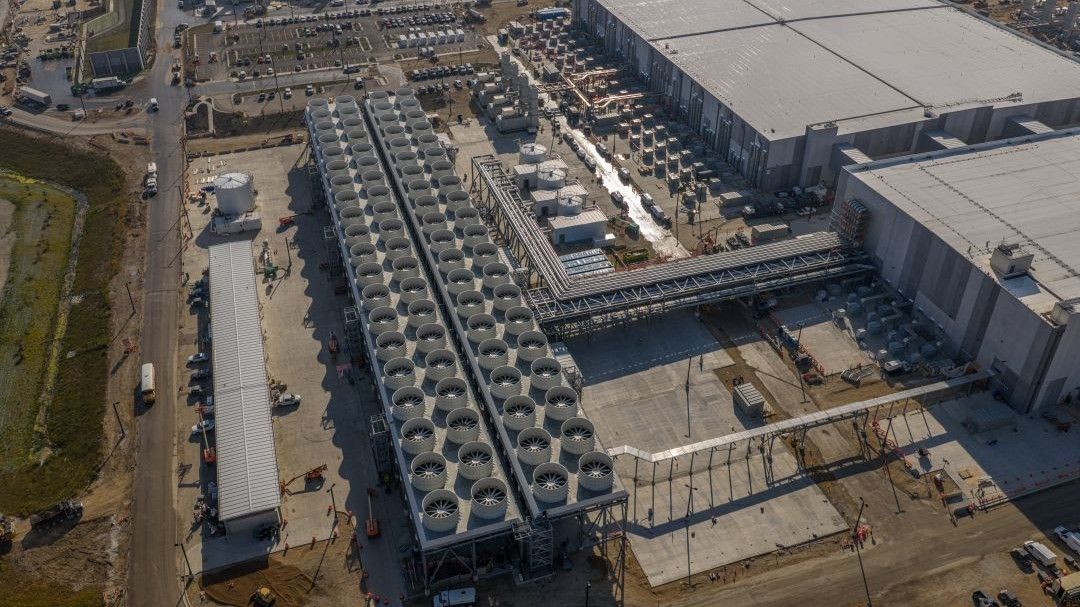
Microsoft is using wetlands and native gardens to 'camouflage' 20-plus data center sites by blending them into nature — critics blast the 'biomimicry' effort as 'lipstick on a pig' amid a 20-year gas…

Tom's Hardware Microsoft using wetlands and native gardens to 'camouflage' 20-plus data center sites by blending them into nature &mdash; critics blast the 'biomimicry' effort as 'lipstick on a pig' amid a 20-year gas power deal www.tomshardware.com
preview

Full title: Microsoft is using wetlands and native gardens to ‘camouflage’ 20-plus data center sites by blending them into nature — critics blast the ‘biomimicry’ effort as ‘lipstick on a pig’ amid a 20-year gas power deal

Full title: Microsoft is using wetlands and native gardens to ‘camouflage’ 20-plus data center sites by blending them into nature — critics blast the ‘biomimicry’ effort as ‘lipstick on a pig’ amid a 20-year gas power deal

0

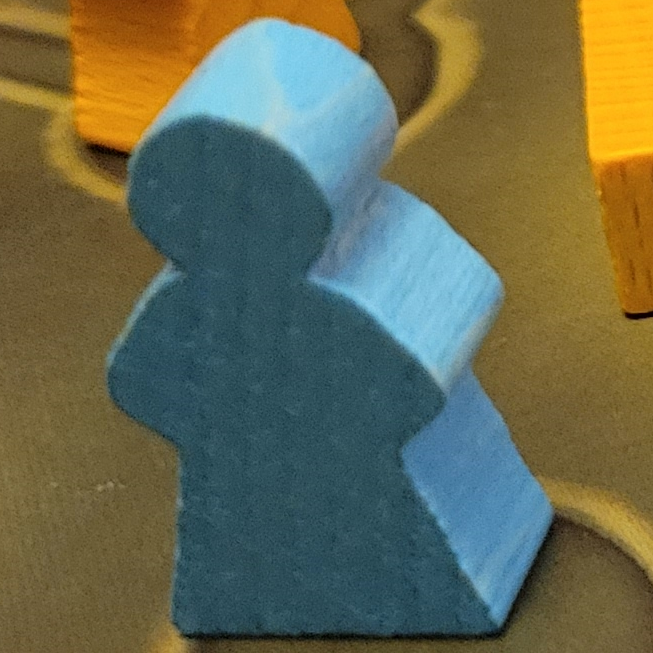
Picked up a copy of Reign - The Final Battle Royale

preview

cross-posted from: lemmy.zip/post/72705356

BGG Link

Saw a stack of these for sale at Half Price Books for $10, new in box, and decided to give it a try.

It’s a very very light weight game. You could teach it to most kids in a few minutes. But it’s still basically a war game. There are objectives, units with different values, and some tactical decision making. It’s perfect for introducing the basic concept to younger players or older players with little gaming experience.

Honestly at this price point it might be worth it just for the components, it seems like it would be pretty easy to design your own ruleset.

cross-posted from: lemmy.zip/post/72705356

BGG Link

Saw a stack of these for sale at Half Price Books for $10, new in box, and decided to give it a try.

It’s a very very light weight game. You could teach it to most kids in a few minutes. But it’s still basically a war game. There are objectives, units with different values, and some tactical decision making. It’s perfect for introducing the basic concept to younger players or older players with little gaming experience.
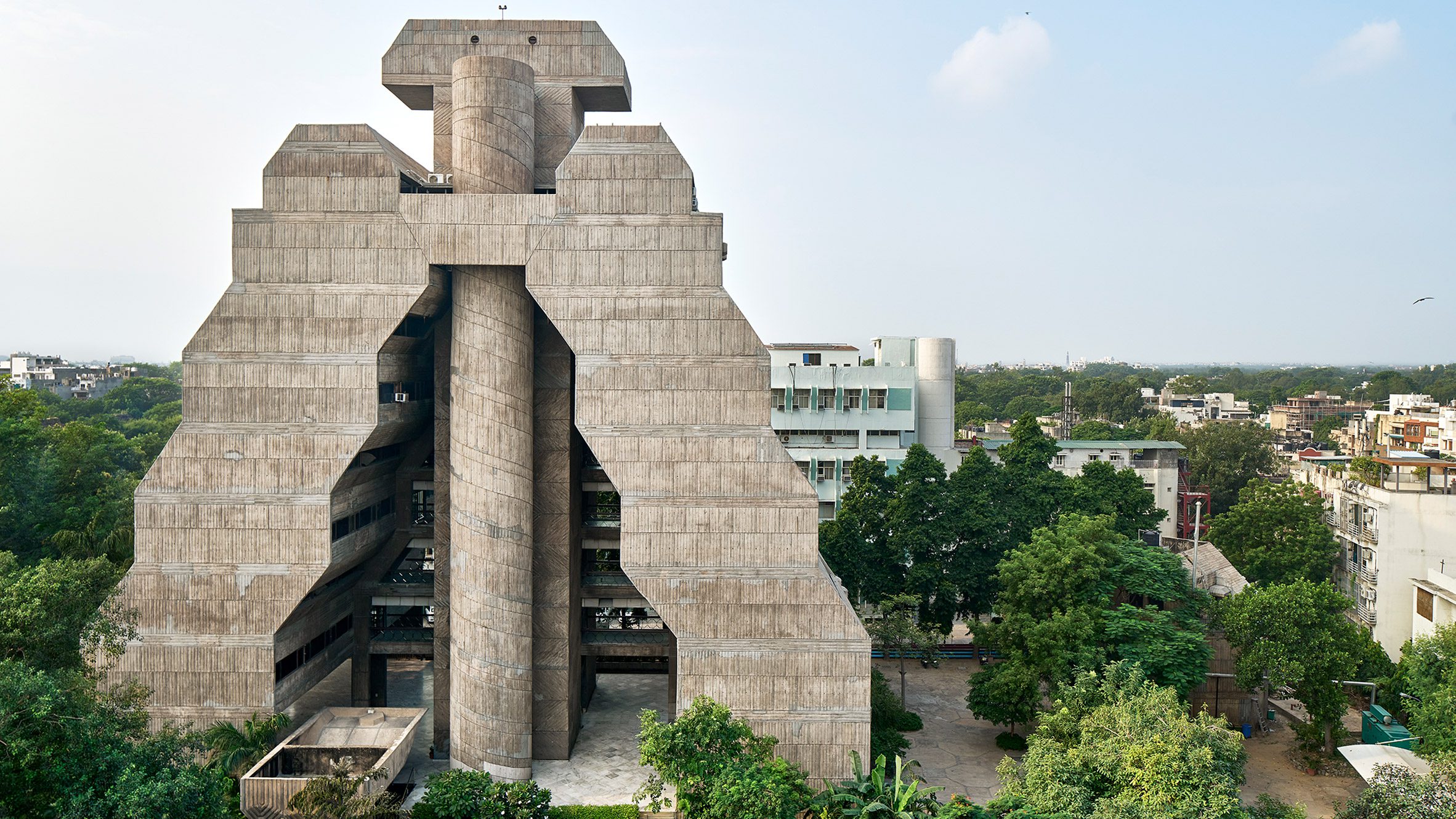
Honestly at this price point it might be worth it just for the components, it seems like it would be pretty easy to design your own ruleset.

0

Picked up a copy of Reign - The Final Battle Royale

preview

BGG Link

Saw a stack of these for sale at Half Price Books for $10, new in box, and decided to give it a try.

It’s a very very light weight game. You could teach it to most kids in a few minutes. But it’s still basically a war game. There are objectives, units with different values, and some tactical decision making. It’s perfect for introducing the basic concept to younger players or older players with little gaming experience.

Honestly at this price point it might be worth it just for the components, it seems like it would be pretty easy to design your own ruleset.

0

How to Bypass Registration on New Kindles for Use Without Amazon Account

The eBook Reader How to Bypass Registration on New Kindles for Use Without Amazon Account blog.the-ebook-reader.com
preview

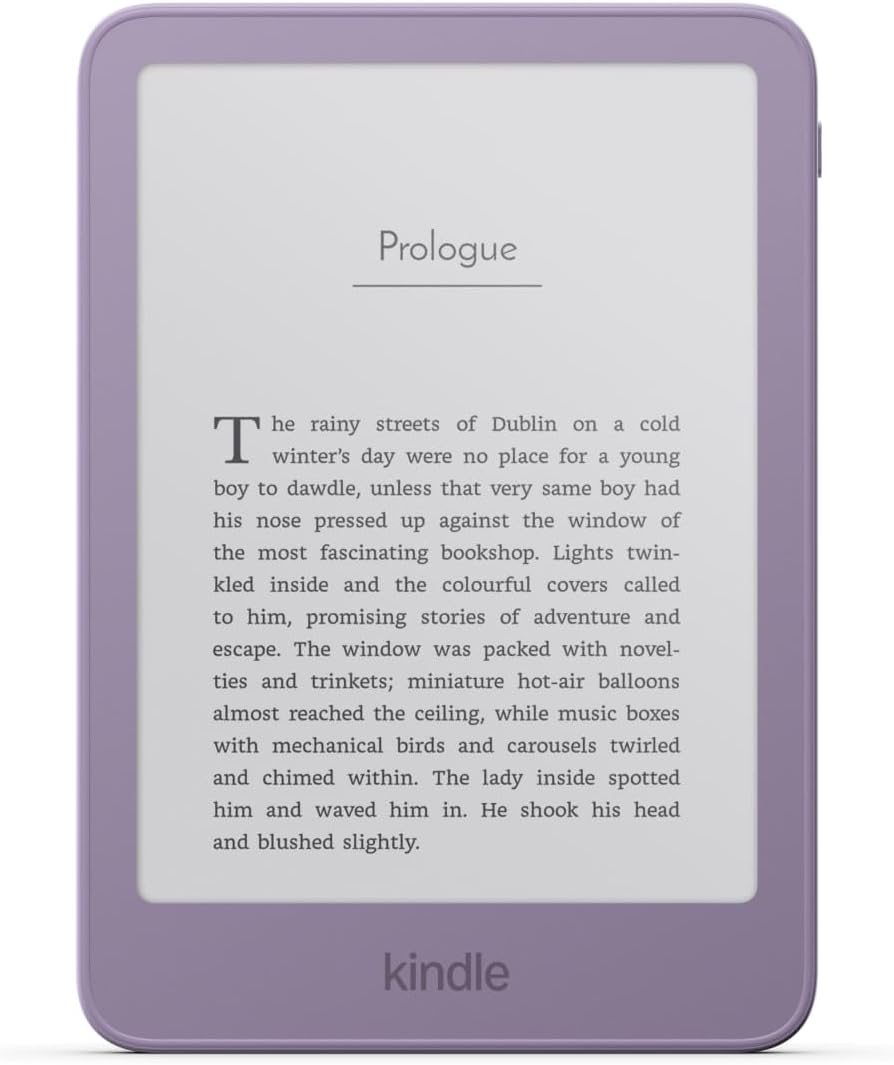
Amazon added a notice to the product pages for the new lineup of 2026 Kindles that states, “Wi-Fi and an Amazon account are required to set up your Kindle and download books”.

I thought maybe that was their way of saying that new Kindles cannot be used in an unregistered state like previous gen Kindles, but it turns out that’s not that case at all.

It’s still possible to use the new 2026 Kindles without registering them to an Amazon account, but they make you think you have to register them during the initial setup process. I forgot how to get past the registration screen since the last time I did this. At first I thought it wasn’t going to work, but I figured it out, so here’s how get past the initial setup process.

When setting up a new Kindle, there’s no obvious way to bypass the registration screen. The trick is to hold down the power button until the pop-up box appears where you can select “Restart“, and then your Kindle will boot to the homescreen instead of the registration screen.

However, you have to trigger the restart at the right time. You have to get to the screen that asks you to sign-in on the device, not the initial setup screen.

The first screen that appears asks if you want to sign-in on the device or set it up using your phone. Select the sign-in on device option, then enter your WiFi password. My Kindle downloaded a software update at this point, and then it restarted to the sign-in screen where it showed my name. That’s where you want to hold down the power button and restart.

I’m pretty sure I didn’t have to go through the process of setting up WiFi when I bypassed registration on my 12th gen Kindle Paperwhite earlier this year; I think it worked from the first screen where they ask if you want to sign-in on the device or use your phone, so something changed along the way.

Nevertheless, it’s still possible to use Kindles without registering them, despite Amazon making it seem like you have to sign-in with an Amazon account in order to use them.

You can still sideload ebooks and dictionaries and custom fonts, and use Kindles in an unregistered state if you want to. The main downside to doing so is there’s a nag screen that pops-up every time you go to the library that asks you to sign-in (I think that can be disabled if your Kindle is jailbroken), and you can’t use online features like Wikipedia lookup. But on the plus side, ad-supported models don’t show ads on the lockscreen—they show book covers instead. Another benefit with using unregistered Kindles is they no longer get software updates that break things, and you don’t have to worry about your sideloaded ebooks getting deleted if you use airplane mode for too long.