0

Every processor die anyone has photographed (and put on the web)

Every processor die anyone has photographed and given away sheets.works
preview

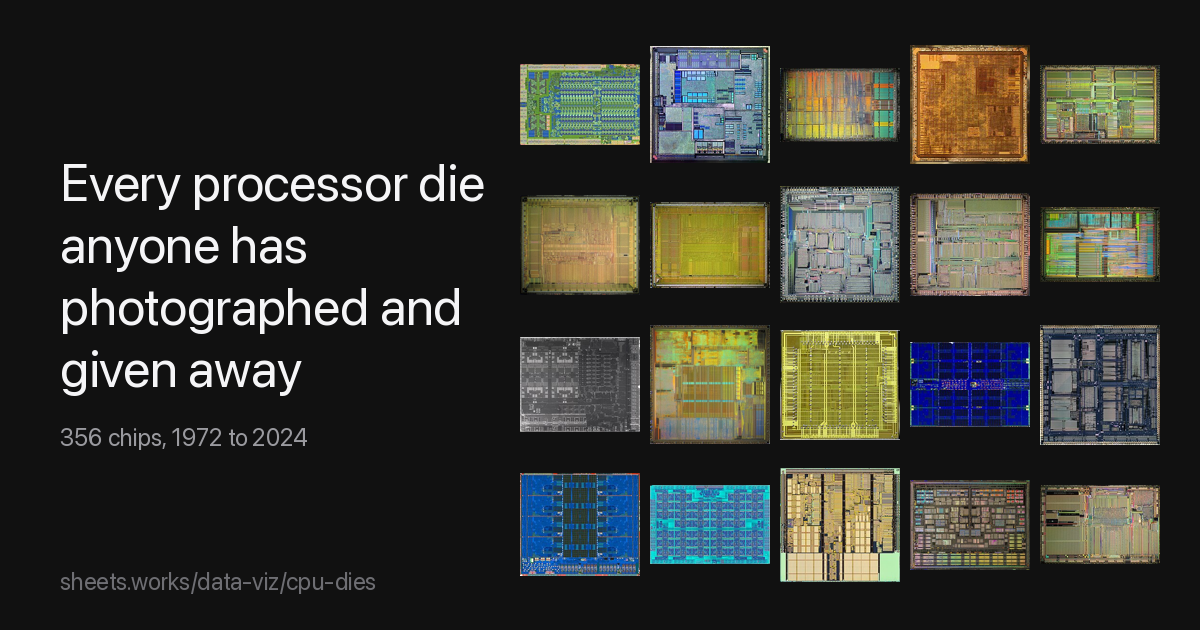
Happy Monday! Enjoy this library of photos of 363 CPU dies from 1971 to 2024 thanks to Pauli Rautakorpi, ZeptoBars in Moscow, John McMaster, and a photographer who posts as Fritzchens Fritz.

Happy Monday! Enjoy this library of photos of 363 CPU dies from 1971 to 2024 thanks to Pauli Rautakorpi, ZeptoBars in Moscow, John McMaster, and a photographer who posts as Fritzchens Fritz.

0

Britain's definition of 'anti-Muslim hostility' protects the state, not those being targeted

Middle East Eye Britain's definition of 'anti-Muslim hostility' protects the state, not those being targeted www.middleeasteye.net
preview

This year marked a quarter of a century since the beginning of the “war on terror”, and in that time, the British state has built one of the most extensive counter-extremism systems in the world.

Also this year, Britain produced - for the first time - an official definition of what it calls “anti-Muslim hostility”. It would be easy to treat these as separate stories, one about security and the other about community relations - but a new report from Cage International argues that they are not.

The definition has been shaped so precisely around the security state that, read closely, it functions less as a protection for Muslims than as a protection for the institutions that have spent two decades treating them as suspects.

The key, as the report sets out, lies in a single word that runs through every part of the definition: intent. Anti-Muslim hostility, as the government defines it, means intentionally engaging in criminal acts against Muslims, or stereotyping them “with the intention of encouraging hatred.” It means discrimination where the conduct “is intended to disadvantage Muslims in public and economic life”.

Discrimination rarely announces itself this way. The Islamophobia Response Unit, a charity that handles discrimination casework, has warned that the threshold excludes most of the cases it sees: bias, institutional barriers, and recruitment processes that quietly filter out applicants with Muslim names.

Professor Nasar Meer of the University of Glasgow has identified the omission of the systemic and structural as the definition’s central weakness. Amina Easat-Daas, a politics lecturer at De Montfort University in Leicester, has warned that it creates a hierarchy of racism.

The intent requirement does more than leave victims of everyday discrimination without recourse; it draws a line around the state itself. Institutions acting under statutory duties do not, in the language of the definition, intend to encourage hatred. They are following policy, and that is exactly where the most consequential Islamophobia in Britain lives.

0

AlmaLinux OS 10.3 Released as Free Alternative to Red Hat Enterprise Linux 10.3

9to5Linux AlmaLinux OS 10.3 Released as Free Alternative to Red Hat Enterprise Linux 10.3 - 9to5Linux 9to5linux.com
preview

The AlmaLinux OS Foundation announced today the release and general availability of AlmaLinux OS 10.3 (codename Mauve Lion) as the second point release of the latest AlmaLinux OS 10 series, based on Red Hat Enterprise Linux 10.3.

Coming five and a half months after AlmaLinux OS 10.2, the AlmaLinux OS 10.3 release is based on Red Hat Enterprise Linux 10.3 and brings back the ModSecurity web application firewall and the OWASP Core Rule Set (CRS). ModSecurity 2.9.14 with CRS 4.22 is included in the release.

According to the devs, CRS 4 reorganized the rule set, so if you’re bringing rules or tuning over from an AlmaLinux 9 server, plan to review them before you put AlmaLinux OS 10 in front of production traffic.

AlmaLinux OS 10.3 also ships with the Podman 6 container tool, which moves the vendor default configuration from /etc/containers to /usr/share/containers. Moreover, rootful and rootless storage settings now live in separate drop-in directories.

This release also introduces performance enhancements, updated development tools, and improved security. The toolchain has been updated as well to GCC 16, LLVM 22, Rust 1.97, Go 1.27, GDB 17.2, and Node.js 26. Security updates include fapolicyd 2.0, Keylime 7.14, audit 4.2, and libreswan 5.4.

You can download the AlmaLinux OS 10.3 release right now from the official website as installation ISO images for 64-bit (x86_64 and x86_64_v2), AArch64 (ARM64), PowerPC 64-bit Little Endian (ppc64le), and IBM System Z (s390x) architectures. Live and cloud images will be available as well, along with containers.

As expected, this release targets new users and those who want to perform a fresh installation. Existing AlmaLinux OS users can upgrade their installations to the new version by running the sudo dnf update command in a terminal emulator or virtual console.

Also today, the AlmaLinux OS Foundation released AlmaLinux OS 9.9 “Chartreuse Bobcat” as a free alternative to Red Hat Enterprise Linux 9.9, which keeps the ALESCo-approved kernel fix shipped in AlmaLinux OS 9.8, which stops systemd and ps from using excessive CPU during task cleanup. Check out the release notes for more details.

0

Should i remove all biometric logins?

preview

Should I take fingerprint logins off all my apps ? Obviously theyre easier to get in(bonk with hammer, take my hand and open it) but I’m not super concerned about a nearby threat.

Should I take fingerprint logins off all my apps ? Obviously theyre easier to get in(bonk with hammer, take my hand and open it) but I’m not super concerned about a nearby threat.

0

Manjaro Linux Has a Non-Profit Now

It's FOSS Manjaro Linux Has a Non-Profit Now itsfoss.com
preview

The Manjaro team has registered its own non-profit in Germany. Called Manjaro Project e.V., it has seven founding members and is independent of the commercial-oriented Manjaro GmbH & Co. KG entity.

You might remember earlier this year, in March, a group of team members published a manifesto calling for the project to be split from the company, with a strike following soon after.

While this was announced on the Manjaro Linux forum and not on the main project webpage, the registration is already visible in the German register portal, under the Berlin court.

An e.V.?

An e.V. (eingetragener Verein) is a registered association under German law. It is entered in a register kept by the local court, and its purpose cannot be running a commercial business. Registering gives it its own legal identity, separate from the people in it.

That identity matters to the developers because it lets them hold things as a group.

The manifesto asked for equal ownership among members and open voting on big decisions instead of everything being centered on one person. It now means there’s a body that could own the assets if they’re handed over.

Manjaro GmbH & Co. KG is a different kind of body. A GmbH & Co. KG is a limited partnership where a GmbH takes on the personal liability, with the GmbH’s managing directors handling the running of the business.

Stating the obvious, Manjaro now has two separate bodies behind it, and it’s interesting to see how the project ended up in such a situation.

How Manjaro got here

Manjaro has been a German company since 2019. Way back in April 2024, that company announced a management change when Bernhard Landauer stepped away from the company to focus on other work and a new CTO joined to replace him.

Then came the Manjaro 2.0 Manifesto in March, where signatories said the leadership’s priorities didn’t line up with what the developers and community wanted.

Project lead Philip Müller replied, saying he had no personal objection to an association but wouldn’t help set it up and that any asset transfer would have to be discussed closely with the company.

The team has since managed to push out the most recent Testing and Stable updates without Müller being involved.

What now?

The manifesto suggested handing over assets like the manjaro.org domain, the forum, and community donations. According to the team, no transfer of company assets has happened yet.

Before that, the e.V. has some groundwork to do, such as tidying up its statutes, bringing in more members, and opening its own bank account. Talks with the company come after.

For end users, I don’t expect them to be affected in any major way. This kind of feels like a takeover, but a gentle one so far. The situation for donors who had set up recurring payments is a bit hazy.

You see, donations still go to accounts under the company’s control, possibly Müller’s too, and the e.V. hasn’t settled on whether to start fresh accounts or take over the current ones.

Basically, there’s no new recipient to switch to yet, and the team hasn’t said when that gets decided. A second announcement confirming that assets have moved is what I’d watch for, since that’s when the split becomes more than a register entry.

Then there’s the Orange Pi Neo, a handheld Orange Pi built with Manjaro that was put on hold in March because of skyrocketing memory and SSD prices. The announcement doesn’t say who handles partner projects like it, so that’s an open question.

0

Navy Quietly Removed USS Michael Murphy Commander in September

preview

The Navy relieved Cmdr. Caitlin Cunningham on Sept. 27 due to a loss of confidence, a Navy spokesperson confirmed Tuesday to USNI News. Cunningham’s dismissal occurred just under a year into her tenure as the skipper of USS Michael Murphy (DDG-112).

No additional information was immediately available. Cunningham assumed the leadership of the destroyer on Oct. 24, 2025, ahead of the ship’s deployment.

A woman in charge of one of my warships?! - Trump screams at Vance while Stephen Miller and Stephen Bannon gasp in horror as their masculinity is challenged by the mere thought

0

AlmaLinux OS 10.3 Released as Free Alternative to Red Hat Enterprise Linux 10.3

9to5Linux AlmaLinux OS 10.3 Released as Free Alternative to Red Hat Enterprise Linux 10.3 - 9to5Linux 9to5linux.com
preview

The AlmaLinux OS Foundation announced today the release and general availability of AlmaLinux OS 10.3 (codename Mauve Lion) as the second point release of the latest AlmaLinux OS 10 series, based on Red Hat Enterprise Linux 10.3.

Coming five and a half months after AlmaLinux OS 10.2, the AlmaLinux OS 10.3 release is based on Red Hat Enterprise Linux 10.3 and brings back the ModSecurity web application firewall and the OWASP Core Rule Set (CRS). ModSecurity 2.9.14 with CRS 4.22 is included in the release.

According to the devs, CRS 4 reorganized the rule set, so if you’re bringing rules or tuning over from an AlmaLinux 9 server, plan to review them before you put AlmaLinux OS 10 in front of production traffic.

AlmaLinux OS 10.3 also ships with the Podman 6 container tool, which moves the vendor default configuration from /etc/containers to /usr/share/containers. Moreover, rootful and rootless storage settings now live in separate drop-in directories.

This release also introduces performance enhancements, updated development tools, and improved security. The toolchain has been updated as well to GCC 16, LLVM 22, Rust 1.97, Go 1.27, GDB 17.2, and Node.js 26. Security updates include fapolicyd 2.0, Keylime 7.14, audit 4.2, and libreswan 5.4.

You can download the AlmaLinux OS 10.3 release right now from the official website as installation ISO images for 64-bit (x86_64 and x86_64_v2), AArch64 (ARM64), PowerPC 64-bit Little Endian (ppc64le), and IBM System Z (s390x) architectures. Live and cloud images will be available as well, along with containers.

As expected, this release targets new users and those who want to perform a fresh installation. Existing AlmaLinux OS users can upgrade their installations to the new version by running the sudo dnf update command in a terminal emulator or virtual console.

Also today, the AlmaLinux OS Foundation released AlmaLinux OS 9.9 “Chartreuse Bobcat” as a free alternative to Red Hat Enterprise Linux 9.9, which keeps the ALESCo-approved kernel fix shipped in AlmaLinux OS 9.8, which stops systemd and ps from using excessive CPU during task cleanup. Check out the release notes for more details.

The AlmaLinux OS Foundation announced today the release and general availability of AlmaLinux OS 10.3 (codename Mauve Lion) as the second point release of the latest AlmaLinux OS 10 series, based on Red Hat Enterprise Linux 10.3.

Coming five and a half months after AlmaLinux OS 10.2, the AlmaLinux OS 10.3 release is based on Red Hat Enterprise Linux 10.3 and brings back the ModSecurity web application firewall and the OWASP Core Rule Set (CRS). ModSecurity 2.9.14 with CRS 4.22 is included in the release.

According to the devs, CRS 4 reorganized the rule set, so if you’re bringing rules or tuning over from an AlmaLinux 9 server, plan to review them before you put AlmaLinux OS 10 in front of production traffic.

AlmaLinux OS 10.3 also ships with the Podman 6 container tool, which moves the vendor default configuration from /etc/containers to /usr/share/containers. Moreover, rootful and rootless storage settings now live in separate drop-in directories.

This release also introduces performance enhancements, updated development tools, and improved security. The toolchain has been updated as well to GCC 16, LLVM 22, Rust 1.97, Go 1.27, GDB 17.2, and Node.js 26. Security updates include fapolicyd 2.0, Keylime 7.14, audit 4.2, and libreswan 5.4.

You can download the AlmaLinux OS 10.3 release right now from the official website as installation ISO images for 64-bit (x86_64 and x86_64_v2), AArch64 (ARM64), PowerPC 64-bit Little Endian (ppc64le), and IBM System Z (s390x) architectures. Live and cloud images will be available as well, along with containers.

As expected, this release targets new users and those who want to perform a fresh installation. Existing AlmaLinux OS users can upgrade their installations to the new version by running the sudo dnf update command in a terminal emulator or virtual console.

Also today, the AlmaLinux OS Foundation released AlmaLinux OS 9.9 “Chartreuse Bobcat” as a free alternative to Red Hat Enterprise Linux 9.9, which keeps the ALESCo-approved kernel fix shipped in AlmaLinux OS 9.8, which stops systemd and ps from using excessive CPU during task cleanup. Check out the release notes for more details.

0

China seeks to reshape world order and displace US leadership

preview

Per Financial Times, Beijing aims to build an international system with a decisive Chinese role. The upcoming APEC summit in Shenzhen will showcase this new global vision.

China proposes retaining the UN, WTO, and other institutions but revising their operating principles. Western analysts believe Beijing intends to export its centralized governance model globally.

archive.ph/bGxYa

0

Per Tzitzikostas e Fitto la sicurezza stradale è una priorità, ed è necessario fare squadra verso l’obiettivo vittime zero al 2050

preview

Per Tzitzikostas e Fitto la sicurezza stradale è una priorità, ed è necessario fare squadra verso l’obiettivo vittime zero al 2050
@news
https://www.eunews.it/2026/11/16/per-tzitzikostas-e-fitto-la-sicurezza-stradale-e-una-priorita-ed-e-necessario-fare-squadra-verso-lobiettivo-vittime-zero-al-2050/
Il commissario ai Trasporti e il vicepresidente della Commissione UE all’evento ‘Road Safety, a Global Commitment’, organizzato da The Urban Mobility Council, il think tank promosso da

0

[Bug] [PieFed] Cannot resolve flagged/mod report

preview

A comment was flagged on an instance I moderate and now I seem to be completely unable to remove the flagged note from my inbox. Marking as read yields the following error:

Server error. Code: 400. Message: Server has not implemented this API yet…

Accessing my instance through the browser lets me clear the flag on that end, but it remains in Summit. Forever. And ever.

0

Aggravated Assault: 385 Whitehall St SW

preview

From the Atlanta Police Department:

263200376Preliminary Information: On 11/16/26, around 4:50 am, officers responded to a person shot at the location of 385 Whitehall St SW. Upon arrival, officers located a male with a gunshot wound to the leg. Grady EMS responded to the scene and…

#Atlanta #AtlantaPoliceDepartment #theATLBot

0

Manjaro Linux Has a Non-Profit Now

It's FOSS Manjaro Linux Has a Non-Profit Now itsfoss.com
preview

The Manjaro team has registered its own non-profit in Germany. Called Manjaro Project e.V., it has seven founding members and is independent of the commercial-oriented Manjaro GmbH & Co. KG entity.

You might remember earlier this year, in March, a group of team members published a manifesto calling for the project to be split from the company, with a strike following soon after.

While this was announced on the Manjaro Linux forum and not on the main project webpage, the registration is already visible in the German register portal, under the Berlin court.

An e.V.?

An e.V. (eingetragener Verein) is a registered association under German law. It is entered in a register kept by the local court, and its purpose cannot be running a commercial business. Registering gives it its own legal identity, separate from the people in it.

That identity matters to the developers because it lets them hold things as a group.

The manifesto asked for equal ownership among members and open voting on big decisions instead of everything being centered on one person. It now means there’s a body that could own the assets if they’re handed over.

Manjaro GmbH & Co. KG is a different kind of body. A GmbH & Co. KG is a limited partnership where a GmbH takes on the personal liability, with the GmbH’s managing directors handling the running of the business.

Stating the obvious, Manjaro now has two separate bodies behind it, and it’s interesting to see how the project ended up in such a situation.

How Manjaro got here

Manjaro has been a German company since 2019. Way back in April 2024, that company announced a management change when Bernhard Landauer stepped away from the company to focus on other work and a new CTO joined to replace him.

Then came the Manjaro 2.0 Manifesto in March, where signatories said the leadership’s priorities didn’t line up with what the developers and community wanted.

Project lead Philip Müller replied, saying he had no personal objection to an association but wouldn’t help set it up and that any asset transfer would have to be discussed closely with the company.

The team has since managed to push out the most recent Testing and Stable updates without Müller being involved.

What now?

The manifesto suggested handing over assets like the manjaro.org domain, the forum, and community donations. According to the team, no transfer of company assets has happened yet.

Before that, the e.V. has some groundwork to do, such as tidying up its statutes, bringing in more members, and opening its own bank account. Talks with the company come after.

For end users, I don’t expect them to be affected in any major way. This kind of feels like a takeover, but a gentle one so far. The situation for donors who had set up recurring payments is a bit hazy.

You see, donations still go to accounts under the company’s control, possibly Müller’s too, and the e.V. hasn’t settled on whether to start fresh accounts or take over the current ones.

Basically, there’s no new recipient to switch to yet, and the team hasn’t said when that gets decided. A second announcement confirming that assets have moved is what I’d watch for, since that’s when the split becomes more than a register entry.

Then there’s the Orange Pi Neo, a handheld Orange Pi built with Manjaro that was put on hold in March because of skyrocketing memory and SSD prices. The announcement doesn’t say who handles partner projects like it, so that’s an open question.

The Manjaro team has registered its own non-profit in Germany. Called Manjaro Project e.V., it has seven founding members and is independent of the commercial-oriented Manjaro GmbH & Co. KG entity.

You might remember earlier this year, in March, a group of team members published a manifesto calling for the project to be split from the company, with a strike following soon after.

While this was announced on the Manjaro Linux forum and not on the main project webpage, the registration is already visible in the German register portal, under the Berlin court.

An e.V.?

An e.V. (eingetragener Verein) is a registered association under German law. It is entered in a register kept by the local court, and its purpose cannot be running a commercial business. Registering gives it its own legal identity, separate from the people in it.

That identity matters to the developers because it lets them hold things as a group.

The manifesto asked for equal ownership among members and open voting on big decisions instead of everything being centered on one person. It now means there’s a body that could own the assets if they’re handed over.

Manjaro GmbH & Co. KG is a different kind of body. A GmbH & Co. KG is a limited partnership where a GmbH takes on the personal liability, with the GmbH’s managing directors handling the running of the business.

Stating the obvious, Manjaro now has two separate bodies behind it, and it’s interesting to see how the project ended up in such a situation.

How Manjaro got here

Manjaro has been a German company since 2019. Way back in April 2024, that company announced a management change when Bernhard Landauer stepped away from the company to focus on other work and a new CTO joined to replace him.

Then came the Manjaro 2.0 Manifesto in March, where signatories said the leadership’s priorities didn’t line up with what the developers and community wanted.

Project lead Philip Müller replied, saying he had no personal objection to an association but wouldn’t help set it up and that any asset transfer would have to be discussed closely with the company.

The team has since managed to push out the most recent Testing and Stable updates without Müller being involved.

What now?

The manifesto suggested handing over assets like the manjaro.org domain, the forum, and community donations. According to the team, no transfer of company assets has happened yet.

Before that, the e.V. has some groundwork to do, such as tidying up its statutes, bringing in more members, and opening its own bank account. Talks with the company come after.

For end users, I don’t expect them to be affected in any major way. This kind of feels like a takeover, but a gentle one so far. The situation for donors who had set up recurring payments is a bit hazy.

You see, donations still go to accounts under the company’s control, possibly Müller’s too, and the e.V. hasn’t settled on whether to start fresh accounts or take over the current ones.

Basically, there’s no new recipient to switch to yet, and the team hasn’t said when that gets decided. A second announcement confirming that assets have moved is what I’d watch for, since that’s when the split becomes more than a register entry.

Then there’s the Orange Pi Neo, a handheld Orange Pi built with Manjaro that was put on hold in March because of skyrocketing memory and SSD prices. The announcement doesn’t say who handles partner projects like it, so that’s an open question.

0

Il “campo largo” non riesce a mettersi d’accordo sulla patrimoniale

preview

Il “campo largo” non riesce a mettersi d’accordo sulla patrimoniale
@politica
https://pagellapolitica.it/articoli/campo-largo-accordo-patrimoniale
Alleanza Verdi-Sinistra insiste per inserire la tassa nel programma condiviso, ma altri partiti della coalizione hanno espresso dubbi

Il “campo largo” non riesce a mettersi d’accordo sulla patrimoniale
@politica
https://pagellapolitica.it/articoli/campo-largo-accordo-patrimoniale
Alleanza Verdi-Sinistra insiste per inserire la tassa nel programma condiviso, ma altri partiti della coalizione hanno espresso dubbi

0

Marine Le Pen assure auprès de l’ambassadeur ukrainien que la France ne pourrait « plus aider financièrement » Kiev si elle est élue présidente de la République

preview

Volodymyr Zelensky a averti qu’un arrêt de l’aide française réduirait les chances de l’Ukraine de tenir face à la Russie. […]

Marine Le Pen a rencontré à huis clos, lundi 16 novembre, l’ambassadeur d’Ukraine en France, Vadym Omelchenko. Selon le communiqué du Rassemblement national (RN) publié après l’entretien, la candidate à la présidentielle a invoqué l’état des finances publiques françaises pour justifier son choix de stopper toute nouvelle aide à Kiev.

0

Trump administration asks for billions to overhaul FAA. Democrats question how money was spent

WABE Trump administration asks for billions to overhaul FAA. Dems question it www.wabe.org
preview

From WABE Politics News:

Trump administration is pushing for billions of dollars to update the aging air traffic control system after a router issue caused a nationwide grounding of planes. Democrats are questioning how previous funds have been spent.

#Atlanta #WABE #AtlantaPolitics #AtlantaNews #theATLBot

0

Microsoft’s Outage Shows the Cost of One Vendor Running Everything

It's FOSS Microsoft’s Outage Shows the Cost of One Vendor Running Everything itsfoss.com
preview

You are probably already aware of the recent Microsoft outage. For more than a day last week, a large share of the world’s office workers could not reliably send or receive email.

The trouble started on the afternoon of Nov. 12, when Outlook users found they could no longer reach their mailboxes. Within about an hour, Downdetector had logged reports from 74 countries and territories. Teams and Copilot features that rely on Exchange Online broke too.

Government systems in Singapore and Japan were hit, as were communications at the Supreme Court of the Philippines and, in Australia, the federal police and the country’s spy agency.

Microsoft said the outage was not a cyberattack. In a preliminary explanation, it pointed to an issue from an earlier network capacity upgrade that surfaced after a more recent network change. The company declared service fully restored early on Nov. 14, and has promised a full post-incident report.

The disruption is the latest in a run of Exchange Online failures this year. On Aug. 31, a bad authentication configuration knocked out email and spilled over into Teams, SharePoint, OneDrive and Defender for about 12 hours. Some estimated that lost productivity from the November outage could approach $7 billion.

For the companies selling open source alternatives to Microsoft’s products, the episode is a chance to make an argument they have been making for years. It’s FOSS asked several of them what governments and businesses should be thinking about as they recover. Their answer, broadly, was not that their software never fails. It was that no single company should be able to stop an entire economy’s email at once.

“Errors can happen to any provider,” said Peter Ganten, the chief executive of Univention, a German company that makes open source identity management software. “The more important question is concentration.”

“When hundreds of millions of people in thousands of organizations worldwide depend on the same infrastructure, running the same software and managed by the same company, a single fault in the wrong place can bring public life to a standstill,” Ganten said. This failure appears to have been technical, he noted, but “an external attack could have had equally severe consequences.” The same dependency, he added, leaves entire economies exposed to sudden price increases or politically motivated service restrictions.

The scale he describes is real. Microsoft reported more than 450 million paid commercial seats for Microsoft 365 in January this year.

Nextcloud, which makes a self-hostable file sharing and collaboration suite, struck a gentler note while the outage was still unfolding. “Mistakes happen in the IT industry,” Jos Poortvliet, a co-founder of the company, said in a statement on Friday. “This holds true for companies of all sizes, including us. Our heart goes out to all the admins today.”

But he too pointed to concentration. “Especially in critical infrastructure, monopolies are increasing the risk of stalling businesses globally if an incident occurs,” Mr. Poortvliet said. “When everything is hanging on a single vendor, companies can’t switch providers quickly to get back up and running, or have a second setup as backup, or pull the plug when under attack and keep working air-gapped.”

The weak point is the login

The outages this year have shown how one fault can spread. In August, a problem with Microsoft’s authentication configuration did not just break email. It took down other Microsoft 365 services that sit on the same sign-in layer.

Ganten said that was the risk worth worrying about most. “When authentication fails, every service that depends on it fails with it,” he said. Identity, in his view, should be an open and separate layer that different providers can run, so that services stay reachable when one of them goes down. Univention sells an identity platform, Nubus, built on that idea.

‘Outsourced operations’ is not ‘outsourced risk’

Galina Goduhina, the commercial director of ONLYOFFICE, an open source office suite, said organizations had misread what the cloud bought them. “The cloud has made infrastructure someone else’s problem, but it hasn’t made downtime someone else’s consequence,” she said. “Organizations need to stop confusing outsourced operations with outsourced risk.”

The question, she said, is whether an organization has “enough control, portability and independence to keep working when their primary provider cannot.”

She was candid that open source software is not immune. “The difference isn’t that open source fails less,” Ms. Goduhina said. “It’s that failure doesn’t necessarily leave you waiting for a single vendor to act.” Whether organizations can actually use that freedom, she added, depends on their preparation.

That raises an obvious objection: moving from Microsoft’s cloud to another company’s cloud could simply trade one dependency for another. Ganten agreed that it can. “It does, unless the software is open source and built on open standards,” he said. Such software can be run without its original vendor and, in the worst case, maintained by someone else entirely. Leaving is harder than it looks

None of the companies suggested that switching is quick. Asked what it would take for a 500-person organization to move off Exchange, Goduhina said the mailboxes were the simple part.

“Moving 500 mailboxes is the easy part to estimate,” she said. “Replacing years of accumulated integrations, permissions and habits is not.” She would plan for several months, starting with an audit of dependencies and a pilot group. “The biggest migration risk is discovering too late that Exchange was doing far more than handling email.”

Some governments have already done it. The German state of Schleswig-Holstein moved more than 44,000 mailboxes from Exchange to Open-Xchange by October 2025. Poortvliet said open source alternatives “exist, are ready to use and have been proven at scale.”

For organizations that are not ready to leave, Ganten suggested a smaller step. Where critical services are involved, he said, organizations should be able to keep at least a minimal operation running without their usual provider.

“This fallback,” he said, “must be rehearsed regularly.”
0

There will never be another Ted Turner

SaportaReport There will never be another Ted Turner - SaportaReport saportareport.com
preview

From the Saporta Report:

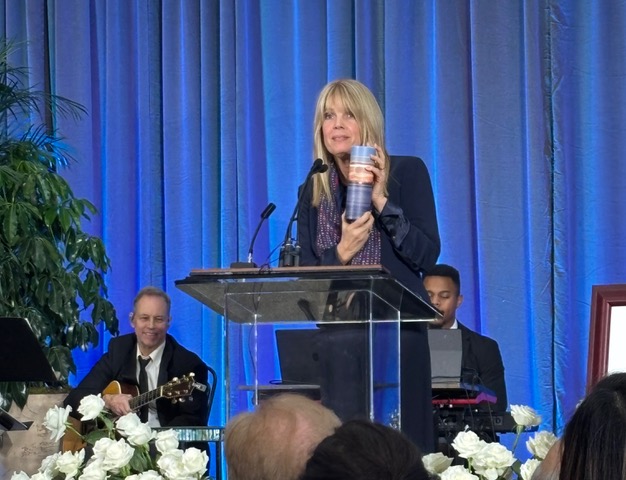
There will never be another Ted Turner, and Atlanta wouldn’t be what it is today without him.  The City of Atlanta needs to find an appropriate way to show its appreciation for the man who put the city on the global map. Saturday morning, about 100 of Ted Turner’s close friends and associates gathered for […]The post There will never be another Ted Turner appeared first on SaportaReport.

#Atlanta #AtlantaJournalConstitution #AJC #AtlantaPolitics #theATLBot

From the Saporta Report:

There will never be another Ted Turner, and Atlanta wouldn’t be what it is today without him.  The City of Atlanta needs to find an appropriate way to show its appreciation for the man who put the city on the global map. Saturday morning, about 100 of Ted Turner’s close friends and associates gathered for […]The post There will never be another Ted Turner appeared first on SaportaReport.

#Atlanta #AtlantaJournalConstitution #AJC #AtlantaPolitics #theATLBot

0

Verso l’accordo della vergogna: cinque Paesi UE puntano sui rimpatri in Ruanda, il primo hub dal 2027

preview

Verso l’accordo della vergogna: cinque Paesi UE puntano sui rimpatri in Ruanda, il primo hub dal 2027
@news
https://www.eunews.it/2026/11/16/verso-laccordo-della-vergogna-cinque-paesi-ue-puntano-sui-rimpatri-in-ruanda-il-primo-hub-dal-2027/
L’annuncio è arrivato da Vienna, a margine della Conferenza sulla migrazione, durante una conferenza stampa con il cancelliere austriaco Christian Stocker, la prima ministra danese, Mette Frederiksen, e i rappresentanti dei governi coinvolti

0

Crane Watch: At doorstep of Atlanta City Hall, precast building rises

Urbanize Atlanta Crane Watch: At doorstep of Atlanta City Hall, precast building rises atlanta.urbanize.city
preview

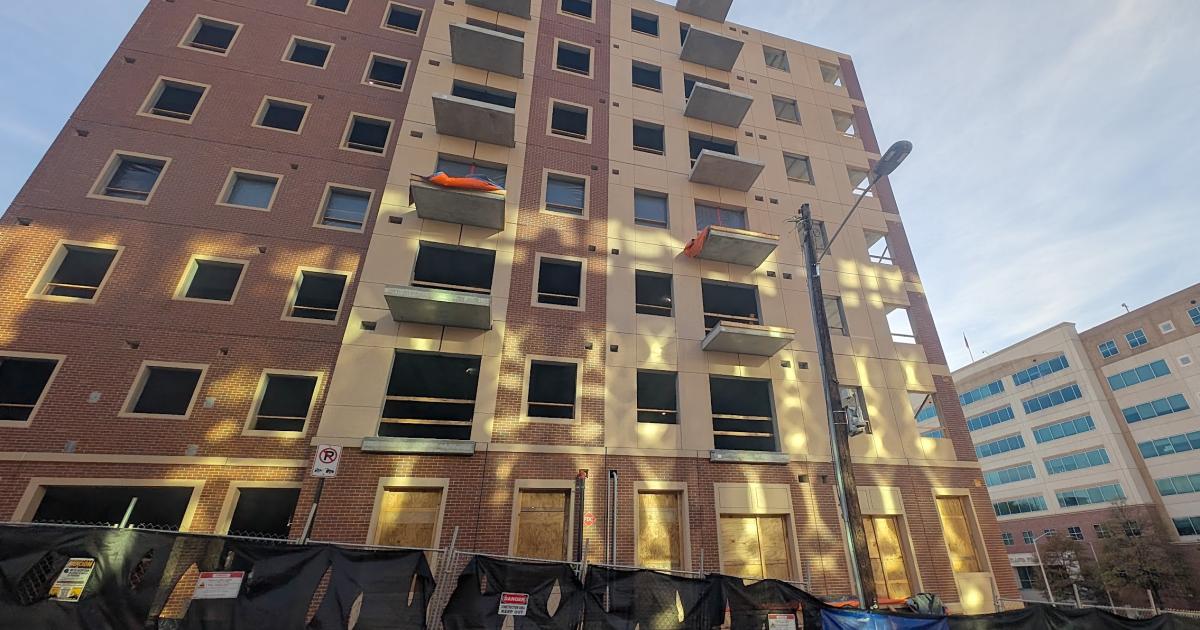
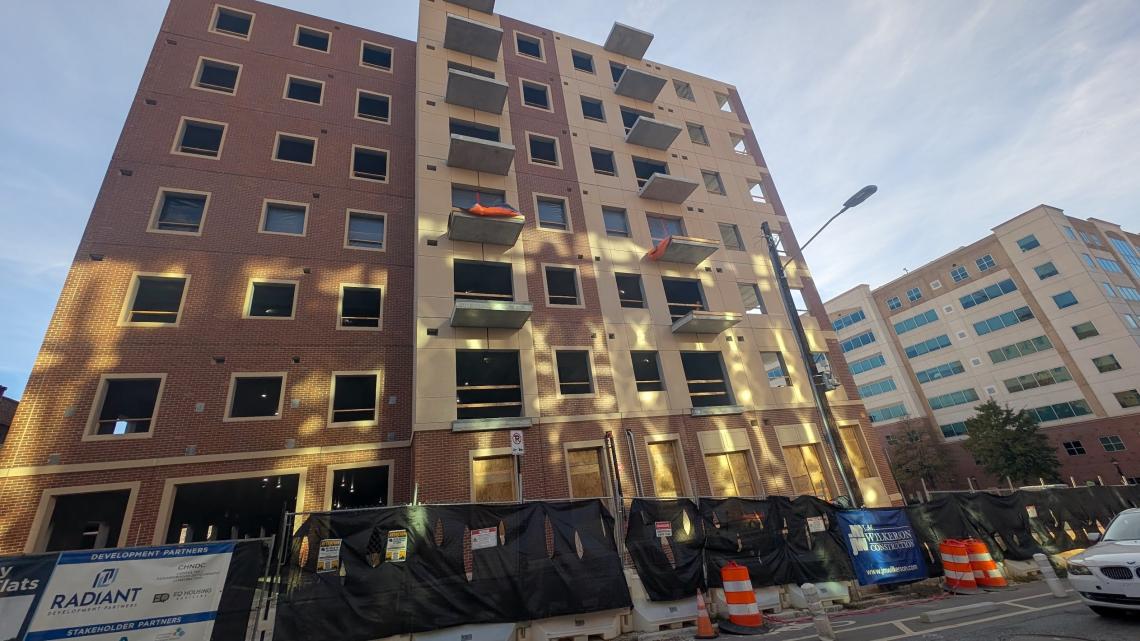
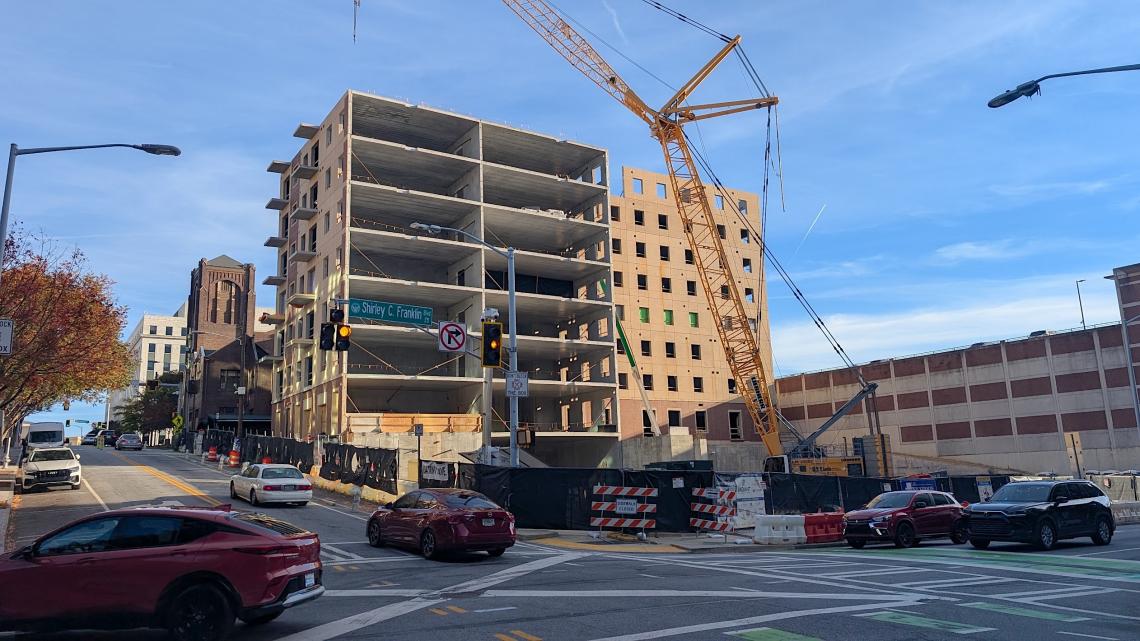
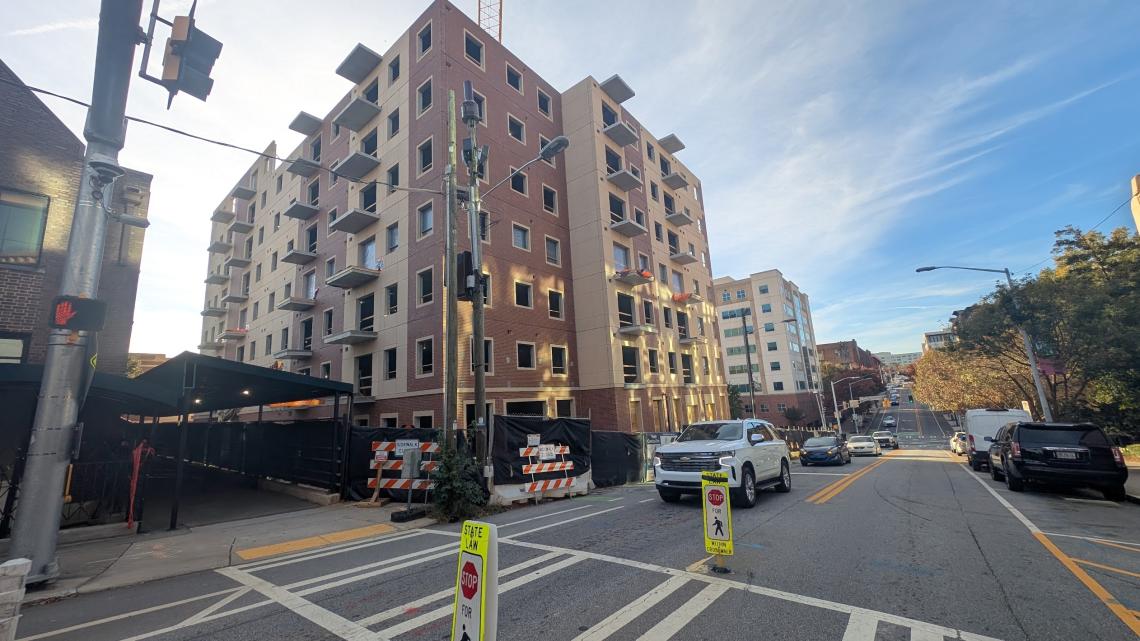
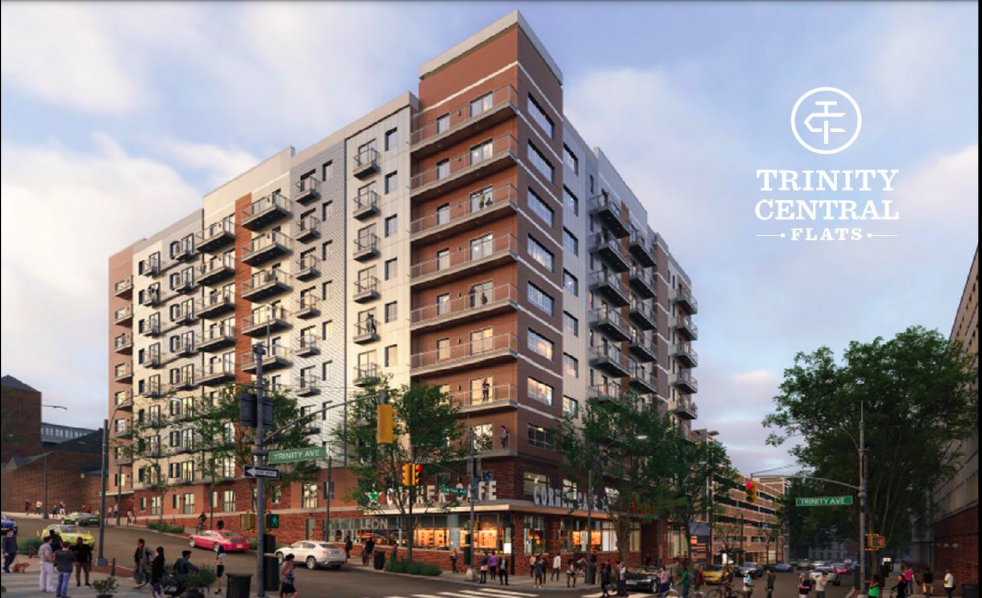
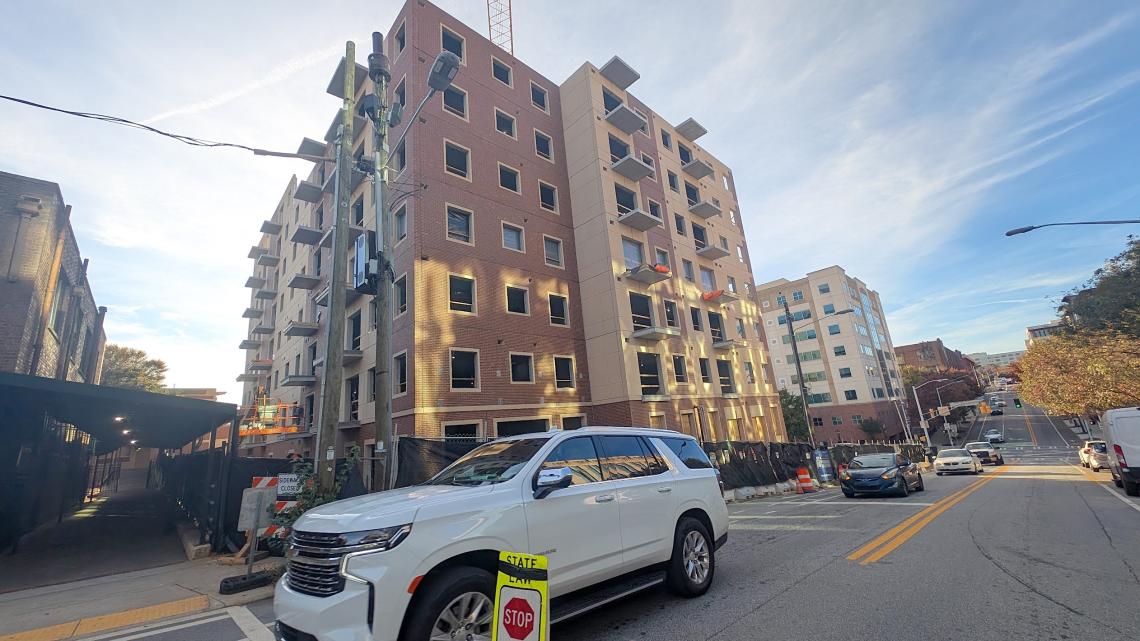
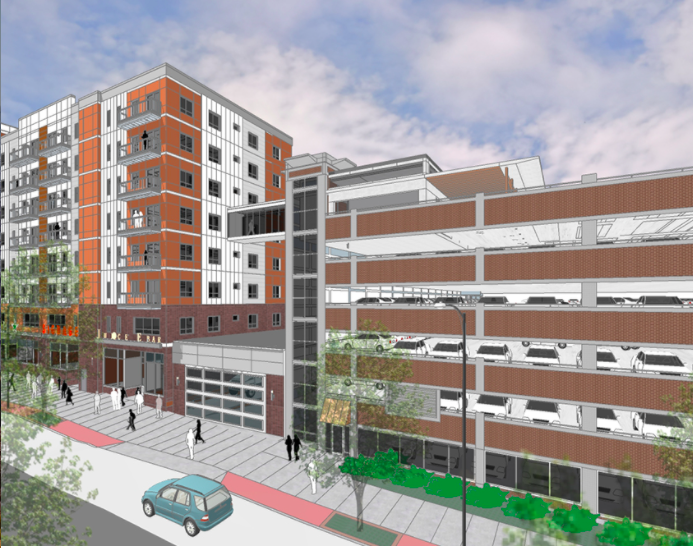
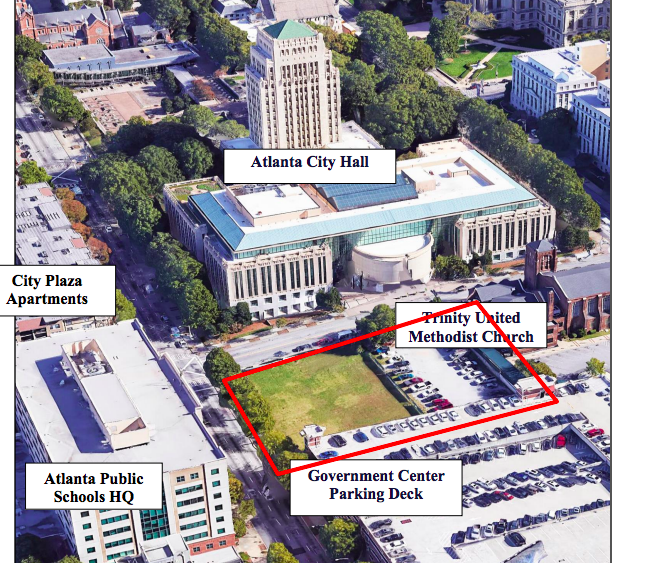
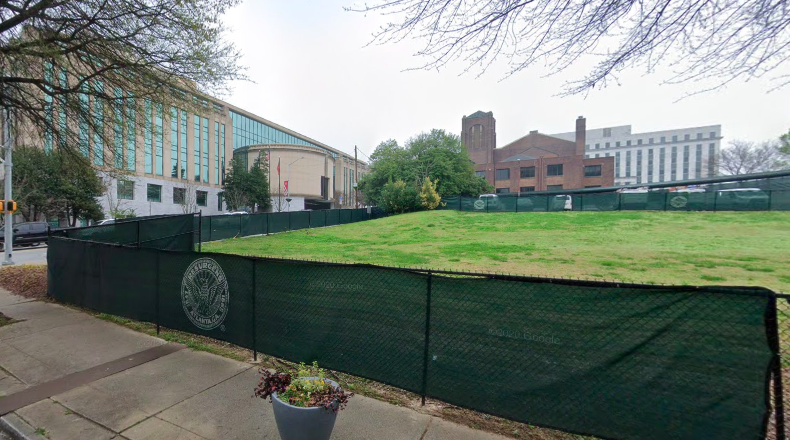
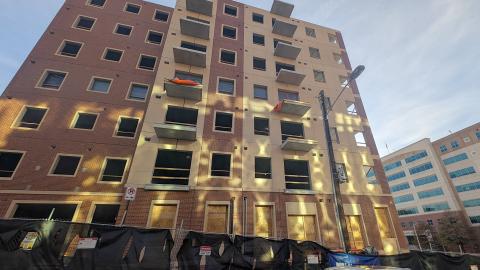
Crane Watch: At doorstep of Atlanta City Hall, precast building rises Josh GreenMon, 11/16/2026 - 08:08One year after breaking ground, a project that will add more than 200 living options to blocks near South Downtown, Underground Atlanta, and other landmarks is making its mark over two downtown streets.  The mixed-use, brick-precast Trinity Central Flats is nearing partial top-out where Trinity Avenue meets Shirley C. Franklin Boulevard (formerly Central Avenue), directly across the street from Atlanta City Hall, as one of two planned sizable, affordable housing ventures next door to each other. Trinity Central Flats will deliver 219 affordable housing apartments in a brick and architectural precast structure that will rise nine and 10 stories, topping out at 123 feet, according to project contractor J.M. Wilkerson Construction Co. (The building’s easternmost section currently has two stories left to rise.) altThe easternmost section of facade construction, as seen Sunday at the Trinity Central Flats project near Atlanta City Hall.Josh Green/Urbanize AtlantaaltSection of the project facing west, toward South Downtown and Mercedes-Benz Stadium, over the intersection of Trinity Avenue and Shirley C. Franklin Boulevard.Josh Green/Urbanize AtlantaFinalized plans also call for 6,721 square feet of retail and indoor and outdoor amenities, with a covered walkway connection to the Government Center Parking Deck to the south for parking, per the builder. A new crosswalk will also lead to the front entrance of Atlanta City Hall across the street. Three retail spaces are planned along Shirley C. Franklin Boulevard as a means of lending the area more commercial life. The building’s second level—the primary resident entry lobby level—will house a bike room with exterior access, a computer lab, a placement office, a gym, tenant laundry facilities, and an arts and crafts room, among other perks. In planning stages for more than five years, Trinity Central Flats officially began construction in November and is now scheduled for completion in February 2028, according to J.M. Wilkerson officials. The sloping, 1.3-acre corner site had been vacant and fenced-off for well over a decade.The apartments will be within walking distance of South Downtown, Underground Atlanta, and three MARTA stations, as city officials have noted in calling it one of Atlanta’s “most convenient locations.”According to Invest Atlanta, all of the units will be offered at below-market rates, capped for renters earning 80 percent of the Area Median Income or less. The vast majority—193 apartments total—will be reserved at either 50 or 60 percent AMI, officials have said. No resident will be required to pay more than 30 percent of their income, as Atlanta Housing’s HomeFlex vouchers will be available for supportive housing units. altSection of Trinity Central Flats with two stories to go before top-out over Trinity Avenue this week. Josh Green/Urbanize AtlantaaltFleshed-out depiction of the Trinity Central Flats proposal, rising 10 stories from the corner and linked to an existing parking garage. Invest Atlanta/Trinity Central FlatsHeading the project are Radiant Development Partners and Capitol Hill Neighborhood Development Corporation, a longstanding ecumenical ministry comprised of three churches downtown (Central Presbyterian, the Shrine of the Immaculate Conception, and Trinity UMC).Designs by architecture firm SSOE Group also call for an 18,000-square-foot urban garden atop the connected, existing parking deck next door—and the largest solar array on any multifamily building in Georgia. The green, sustainable facets are expected to reduce energy use in the building’s common areas by 30 percent, bringing down residential utility bills in the process, officials have said. At a site immediately to the east, affordable housing developer Gorman & Company is planning a mixed-income, 15-story affordable housing tower as part of The Sanctuary, a $41.3-million remake of Trinity United Methodist Church’s historic campus. altScope of The Sanctuary project, with the Trinity Central Flats development at right. Gorman & CompanyInvest Atlanta in October approved an additional $3-million Eastside Tax Allocation District Ascension Fund Grant to support that project, along with $13.8 million in tax-exempt bond financing. Gorman & Company officials have said their goal is to break ground on The Sanctuary this year. The Trinity Central Flats development team was picked back in December 2021 following a public selection process. Elsewhere in Atlanta, Radiant is a partner in the Beltline-adjacent The Garson at Overlook project that officially broke ground in August with an affordable housing component near Lindbergh.In the gallery above, find more imagery and context for the rising Trinity Central Flats. **…**Follow us on social media:Twitter / Facebook/and now: Instagram  • Downtown news, discussion (Urbanize Atlanta)Tags104 Trinity Avenue SWInvest AtlantaAffordable HousingCity of AtlantaMayor Keisha Lance BottomsAtlanta City CouncilTim KeaneTrinity United Methodist ChurchAtlanta City HallKeisha Lance BottomsVecino Group SoutheastCapitol Hill Neighborhood Development CorporationEight VillageStevens & Wilkinson104 TrinityGorman and CompanyGood PlacesSSOETrinity Central FlatsFabric DevelopmentRadiant Development PartnersHope HouseSSOE GroupAtlanta DevelopmentAtlanta ConstructionJ.M. WilkersonJ.M. Wilkerson ConstructionVecino GroupCrane WatchImagesaltSection of Trinity Central Flats with two stories to go before top-out over Trinity Avenue this week. Josh Green/Urbanize AtlantaaltSection of the project facing west, toward South Downtown and Mercedes-Benz Stadium, over the intersection of Trinity Avenue and Shirley C. Franklin Boulevard.Josh Green/Urbanize AtlantaaltThe easternmost section of facade construction, as seen Sunday at the Trinity Central Flats project near Atlanta City Hall.Josh Green/Urbanize AtlantaaltJosh Green/Urbanize AtlantaaltFleshed-out depiction of the Trinity Central Flats proposal, rising 10 stories from the corner and linked to an existing parking garage. Invest Atlanta/Trinity Central FlatsaltThe 1.3-acre parcel in question near City Hall. Atlanta Department of City Planning/Instagramalt"Residents will be able to enjoy an 18,000-square foot roof garden on the parking deck," the design team previously said. The parking deck will also feature a Solar Harvesting Area.SSOE GroupaltAt street level, 6,700 square feet of space is now planned for retail. SSOE GroupaltThe vacant 1.3-acre site’s context downtown. City of Atlanta/Invest AtlantaaltThe sloped property in question, as seen from Central Avenue several years ago. Google MapsSubtitleTrinity Central Flats project calls for more than 200 rentals in one of city’s “most convenient locations”NeighborhoodDowntownBackground ImageImageA photo of a new brick precast apartment building rising and under construction next to Atlanta City Hall and two wide streets. Before/After ImagesSponsored PostOff

#Atlanta #UrbanizeAtlanta #theATLBot

Crane Watch: At doorstep of Atlanta City Hall, precast building rises Josh GreenMon, 11/16/2026 - 08:08One year after breaking ground, a project that will add more than 200 living options to blocks near South Downtown, Underground Atlanta, and other landmarks is making its mark over two downtown streets.  The mixed-use, brick-precast Trinity Central Flats is nearing partial top-out where Trinity Avenue meets Shirley C. Franklin Boulevard (formerly Central Avenue), directly across the street from Atlanta City Hall, as one of two planned sizable, affordable housing ventures next door to each other. Trinity Central Flats will deliver 219 affordable housing apartments in a brick and architectural precast structure that will rise nine and 10 stories, topping out at 123 feet, according to project contractor J.M. Wilkerson Construction Co. (The building’s easternmost section currently has two stories left to rise.) altThe easternmost section of facade construction, as seen Sunday at the Trinity Central Flats project near Atlanta City Hall.Josh Green/Urbanize AtlantaaltSection of the project facing west, toward South Downtown and Mercedes-Benz Stadium, over the intersection of Trinity Avenue and Shirley C. Franklin Boulevard.Josh Green/Urbanize AtlantaFinalized plans also call for 6,721 square feet of retail and indoor and outdoor amenities, with a covered walkway connection to the Government Center Parking Deck to the south for parking, per the builder. A new crosswalk will also lead to the front entrance of Atlanta City Hall across the street. Three retail spaces are planned along Shirley C. Franklin Boulevard as a means of lending the area more commercial life. The building’s second level—the primary resident entry lobby level—will house a bike room with exterior access, a computer lab, a placement office, a gym, tenant laundry facilities, and an arts and crafts room, among other perks. In planning stages for more than five years, Trinity Central Flats officially began construction in November and is now scheduled for completion in February 2028, according to J.M. Wilkerson officials. The sloping, 1.3-acre corner site had been vacant and fenced-off for well over a decade.The apartments will be within walking distance of South Downtown, Underground Atlanta, and three MARTA stations, as city officials have noted in calling it one of Atlanta’s “most convenient locations.”According to Invest Atlanta, all of the units will be offered at below-market rates, capped for renters earning 80 percent of the Area Median Income or less. The vast majority—193 apartments total—will be reserved at either 50 or 60 percent AMI, officials have said. No resident will be required to pay more than 30 percent of their income, as Atlanta Housing’s HomeFlex vouchers will be available for supportive housing units. altSection of Trinity Central Flats with two stories to go before top-out over Trinity Avenue this week. Josh Green/Urbanize AtlantaaltFleshed-out depiction of the Trinity Central Flats proposal, rising 10 stories from the corner and linked to an existing parking garage. Invest Atlanta/Trinity Central FlatsHeading the project are Radiant Development Partners and Capitol Hill Neighborhood Development Corporation, a longstanding ecumenical ministry comprised of three churches downtown (Central Presbyterian, the Shrine of the Immaculate Conception, and Trinity UMC).Designs by architecture firm SSOE Group also call for an 18,000-square-foot urban garden atop the connected, existing parking deck next door—and the largest solar array on any multifamily building in Georgia. The green, sustainable facets are expected to reduce energy use in the building’s common areas by 30 percent, bringing down residential utility bills in the process, officials have said. At a site immediately to the east, affordable housing developer Gorman & Company is planning a mixed-income, 15-story affordable housing tower as part of The Sanctuary, a $41.3-million remake of Trinity United Methodist Church’s historic campus. altScope of The Sanctuary project, with the Trinity Central Flats development at right. Gorman & CompanyInvest Atlanta in October approved an additional $3-million Eastside Tax Allocation District Ascension Fund Grant to support that project, along with $13.8 million in tax-exempt bond financing. Gorman & Company officials have said their goal is to break ground on The Sanctuary this year. The Trinity Central Flats development team was picked back in December 2021 following a public selection process. Elsewhere in Atlanta, Radiant is a partner in the Beltline-adjacent The Garson at Overlook project that officially broke ground in August with an affordable housing component near Lindbergh.In the gallery above, find more imagery and context for the rising Trinity Central Flats. **…**Follow us on social media:Twitter / Facebook/and now: Instagram  • Downtown news, discussion (Urbanize Atlanta)Tags104 Trinity Avenue SWInvest AtlantaAffordable HousingCity of AtlantaMayor Keisha Lance BottomsAtlanta City CouncilTim KeaneTrinity United Methodist ChurchAtlanta City HallKeisha Lance BottomsVecino Group SoutheastCapitol Hill Neighborhood Development CorporationEight VillageStevens & Wilkinson104 TrinityGorman and CompanyGood PlacesSSOETrinity Central FlatsFabric DevelopmentRadiant Development PartnersHope HouseSSOE GroupAtlanta DevelopmentAtlanta ConstructionJ.M. WilkersonJ.M. Wilkerson ConstructionVecino GroupCrane WatchImagesaltSection of Trinity Central Flats with two stories to go before top-out over Trinity Avenue this week. Josh Green/Urbanize AtlantaaltSection of the project facing west, toward South Downtown and Mercedes-Benz Stadium, over the intersection of Trinity Avenue and Shirley C. Franklin Boulevard.Josh Green/Urbanize AtlantaaltThe easternmost section of facade construction, as seen Sunday at the Trinity Central Flats project near Atlanta City Hall.Josh Green/Urbanize AtlantaaltJosh Green/Urbanize AtlantaaltFleshed-out depiction of the Trinity Central Flats proposal, rising 10 stories from the corner and linked to an existing parking garage. Invest Atlanta/Trinity Central FlatsaltThe 1.3-acre parcel in question near City Hall. Atlanta Department of City Planning/Instagramalt"Residents will be able to enjoy an 18,000-square foot roof garden on the parking deck," the design team previously said. The parking deck will also feature a Solar Harvesting Area.SSOE GroupaltAt street level, 6,700 square feet of space is now planned for retail. SSOE GroupaltThe vacant 1.3-acre site’s context downtown. City of Atlanta/Invest AtlantaaltThe sloped property in question, as seen from Central Avenue several years ago. Google MapsSubtitleTrinity Central Flats project calls for more than 200 rentals in one of city’s “most convenient locations”NeighborhoodDowntownBackground ImageImageA photo of a new brick precast apartment building rising and under construction next to Atlanta City Hall and two wide streets. Before/After ImagesSponsored PostOff

#Atlanta #UrbanizeAtlanta #theATLBot

0

YSK that women are susceptible to economic abuse and you may be in a situation like this without knowing

Economic abuse - Wikipedia en.wikipedia.org
preview

Economic abuse is a form of abuse when one abusive person has control over the victim’s access to economic resources, which diminishes the victim’s capacity to support themselves and forces them to depend on the perpetrator financially.

It is related to, or also known as, financial abuse, which is the illegal or unauthorized use of a person’s property, money, pension book or other valuables (including changing the person’s will to name the abuser as heir), often fraudulently obtaining power of attorney, followed by deprivation of money or other property, or by eviction from own home. Financial abuse applies to both elder abuse and domestic violence.

Economic abuse in a domestic situation may involve:

  • Preventing a cohabitant from resource acquisition, such as restricting their ability to find employment, maintain or advance their careers, and acquire assets.
  • Preventing the victim from obtaining education. Spend the victim’s money without their consent and create debt, or completely spend the victim’s savings to limit available resources.
  • Exploiting economic resources of the victim In its extreme (and usual) form, this involves putting the victim on a strict “allowance”, withholding money at will and forcing the victim to beg for the money until the abuser gives the victim some money. It is common for the victim to receive less and less money as the abuse continues. This also includes (but is not limited to) preventing the victim from finishing education or obtaining employment, or intentionally squandering or misusing communal resources

Controlling mechanism

Economic abuse is often used as a controlling mechanism as part of a larger pattern of domestic abuse, which may include verbal, emotional, physical and sexual abuse. Physical abuse may include threats or attempts to kill the cohabitant. By restricting the victim’s access to economic resources, the offender has limited recourses to exit the abusive or violent relationship.

The following are ways that abusers may use economic abuse with other forms of domestic violence:

  • Using physical force, or threat of violence, to get money.
  • Providing money for sexual activity.
  • Controlling access to a telephone, vehicle or ability to go shopping; other forms of isolation.
  • Threatening to evict the cohabitants from the house without financial support.
  • Exploiting the victim’s economic disadvantage.
  • Destroying or taking resources from the cohabitants.
  • Blaming the victim for an inability to manage money; or instigating other forms of economic abuse, such as destruction of property
  • Victimization occurs across all socio-economic levels, and when victims are asked why they stay in abusive relationships, “lack of income” is a common response.
0

Cargo ship capsizes off Bulgaria’s Black Sea coast

Al Jazeera Cargo ship capsizes off Bulgaria’s Black Sea coast www.aljazeera.com
preview

A cargo ship has capsized off Bulgaria’s Black Sea coast, the country’s Transport Ministry has said.

The ship’s crew, eight Turkish citizens and four Azerbaijani nationals, were rescued from the Somali-flagged Betul 8 in an operation on Monday that involved four ships, two from Bulgaria, one from Romania and one from Turkiye.

0

Rise in Black voter turnout helps drive historic change in Georgia, transforming state government

WABE Rise in Black voter turnout helps drive historic change in Georgia www.wabe.org
preview

From WABE Politics News:

Dondell Patterson spent much of Election Day nervously awaiting the results.  Months after launching her own unsuccessful bid for chief magistrate judge in Douglas County, the 47-year-old attorney gathered alongside […]

#Atlanta #WABE #AtlantaPolitics #AtlantaNews #theATLBot

0

Epstein Intelligence / 2020 PsyOP

Mastodon @ SUNET Håkan Koi Johansson ~# :dogin: (@hakan@mastodon.acc.sunet.se) mastodon.acc.sunet.se
preview

Boatloads of intel regarding 2020 to 2026 Geopolitics

War in ukraine War in Iran Coronavirus War in Gaza

PsyOP

Global Discord.

Boatloads of intel regarding 2020 to 2026 Geopolitics

War in ukraine War in Iran Coronavirus War in Gaza

PsyOP

Global Discord.

0

Cosmic omega

preview

The Cosmic Omega is a techno-organic computer located on the continent Ironium at the very center of it. Cosmic Omega builds new Emetallaxians at random intervals. It builds their unique bodies, all the components, and gives them life.

The origin of the computer is unknown, and it is also unknown if creating new life is the only purpose of the Cosmic Omega. So far all attempts to understand how Cosmic Omega works or reprogram it have failed. Additionally, it is debated if the computer itself is also alive or if it is just following instructions on how to create Emetalaxians.

The main part of the computer features a big screen that displays strange symbols, some of them might be letters. Though nobody has managed to decipher them. Next to the screen are various lights, buttons, and knobs. Pressing the buttons or turning the knobs does not seem to do anything or anything that is visible to us. Below these there is an organic eye that is certainly active and moving, but its purpose is like everything else is unknown.

At the top and the bottom of the main part of the computer are organic tentacles that connect to the planet itself and go deep down into its core.

0

Survey Point Frontier

A small industrial outpost sits on an expansive polar landscape composed of snow, ice, exposed rock, and winding pale green shadows. The central cluster of structures includes a large box-like building surrounded by smaller utility buildings, storage units, and a skeletal framework that resembles construction nearby. Long branching patterns carved into the snow and ice spread across the foreground like river deltas across the seemingly endless frozen plain. Patches of exposed ochre-colored earth and rock interrupt the white surface. The horizon extends uninterrupted across the upper portion of the image, emphasizing the immense scale and isolation of the setting. The artwork uses a restrained palette of white, pale green, gray, and muted gold, with fine linework.
preview

(ashman) (2026)

Image description: A small industrial outpost sits on an expansive polar landscape composed of snow, ice, exposed rock, and winding pale green shadows. The central cluster of structures includes a large box-like building surrounded by smaller utility buildings, storage units, and a skeletal framework that resembles construction nearby. Long branching patterns carved into the snow and ice spread across the foreground like river deltas across the seemingly endless frozen plain. Patches of exposed ochre-colored earth and rock interrupt the white surface. The horizon extends uninterrupted across the upper portion of the image, emphasizing the immense scale and isolation of the setting. The artwork uses a restrained palette of white, pale green, gray, and muted gold, with fine linework.

Full Generation Parameters:

A technical pen illustration captures a desolate arctic outpost where a single, starkly architectural research station sits embedded in a vast, undulating snowfield, all unified by the concept of a geological survey of frozen organic matter. The scene is rendered with precise, unwavering black linework that defines the sharp edges of the metallic station and the crisp, rhythmic ridges of the wind-swept drifts. Flat, saturated fills of muted sage green represent the shadows in the ice and the weathered surfaces of the equipment, while warm ochre is used for the sun-bleached patches of frozen moss and the structural supports of the heavy machinery. The composition uses a wide, high-angle perspective that creates a sense of immense, empty space, making the man-made structures appear small and isolated against the curving horizon. The ink lines vary between thick, structural outlines and thin, delicate hatch marks that suggest the gritty texture of frozen earth, while the color application remains strictly bounded by the ink, with no bleeding or gradients, creating a stark, documentary-like presentation of a landscape undergoing cold, clinical observation. Steps: 8, CFG scale: 1, Sampler: Euler, Seed: 1392062429, engine: ComfyUI, Model: krea2_turbo_fp8_scaled

0

Rose - Doumo, Suki na Hito ni Horegusuri wo Irai sareta Majo desu

A young woman floating in a solid light-blue body of water while looking upward with an open-mouthed expression. She has long, wavy pink hair spreading outward and green eyes. Her attire consists of a long-sleeved white dress featuring ruffled cuffs, an empire waist, and decorative cutout embroidery around the rounded neckline
preview

(hhunter917) (2026)

Image description: A young woman floating in a solid light-blue body of water while looking upward with an open-mouthed expression. She has long, wavy pink hair spreading outward and green eyes. Her attire consists of a long-sleeved white dress featuring ruffled cuffs, an empire waist, and decorative cutout embroidery around the rounded neckline.

Full Generation Parameters:

anime screencap, 1girl, solo, parted lips, long hair, pink hair, green eyes, collarbone, white dress, puffy long sleeves, looking up, lying, on back, afloat, partially submerged, cowboy shot, water <lora:Rose_IL:1> Negative prompt: lowres,bad anatomy,bad hands,text,error,missing fingers,extra digit,fewer digits,cropped,worst quality,low quality,normal quality,jpeg artifacts,signature,watermark,username,blurry, Steps: 24, CFG scale: 4.5, Sampler: Euler a, Seed: 3247458621, RNG: CPU, Model: waiNSFWIllustrious_v120, width: 832, height: 1216, Version: neo-2.29, Module 1: Anzhc-Anime-VAE-B3, Model hash: 89cb4ec0a9, Hires steps: 24, Hires upscale: 2, Original Size: 832x1216, Schedule type: Karras, Hires Module 1: Use same choices, Hires upscaler: RealESRGAN_x4plus_anime_6B, ADetailer model: face_yolov12m.pt, Hires CFG Scale: 4.5, ADetailer Version: Neo, Denoising strength: 0.3, ADetailer mask blur: 24, ADetailer model 2nd: Full_Eyes_detect_v1.pt, Hires schedule type: Karras, ADetailer confidence: 0.3, ADetailer dilate erode: 4, ADetailer mask blur 2nd: 24, ADetailer confidence 2nd: 0.3, ADetailer inpaint padding: 32, ADetailer dilate erode 2nd: 4, ADetailer denoising strength: 0.5, ADetailer inpaint only masked: True, ADetailer inpaint padding 2nd: 32, ADetailer denoising strength 2nd: 0.5, ADetailer inpaint only masked 2nd: True

0

tritant/ComfyUI_Minimax_H3_Image_Conditioning_Plus: Enhanced MiniMax H3 Image conditioning Improves text-to-image generation without creating a reference image.

GitHub GitHub - tritant/ComfyUI_Minimax_H3_Image_Conditioning_Plus: Enhanced MiniMax H3 Image conditioning for ComfyUI. Improves text-to-image generation using virtual Qwen3-VL vision conditioning without creating a reference image. Fully compatible with native multi-image references, dynamic inputs, and VAE processing. github.com
0

IFM/PAN2 · A general-purpose world model: it simulates how the world will change in response to actions. Given a current observation (an optional image plus text) and actions described in text

IFM/PAN2 · Hugging Face huggingface.co
preview

ComfyUI Repackaged model: huggingface.co/Comfy-Org/PAN2

ComfyUI Repackaged model: huggingface.co/Comfy-Org/PAN2