0

Phone brand that lets you fully unlock bootloader

preview

Hi,

Which decent phone that will last me for some time and wont break easily is the best to buy that lets you fully unlock the bootloader so I can flash custom ROM on it and root it if I wanted to by for example using Magisk by flashing patched boot.img and (optionally if specific model allows) installing custom recovery?

I have a Samsung that I could unlock bootloader on, however Samsung decided to block the option to unlock OEM starting in One UI 8.0 on all regions, and I was unlucky enough to update my phone (because I didnt know) so I cant root/flash custom ROM on it.

My guess would be some Google Pixel model,? but which one should I buy that has support for most ROMs and TWRP?

Google is also soon introducing mandatory ID verification for developers that want to publish their apps on Play Store on all Andro id verified devices, whch is another reason I want a phone that I can flash custom ROM on and root.

Also where should I buy new phone from? I think I should avoid buying from carrier and instead buying it online or from local electronics store?

0

① 🇫🇷 La Polynormande 2026, le 16 août

Polynormande Club Olympique - Polynormande polynormande.com
preview

En concurrence avec le Tour de Tchéquie et celui de l’Arctique Norvégien qui se terminent le même jour, cette petite 1.1 française sert un peu de remise en route avant le Tour du Limousin qui débutera mardi.

Après guère plus de 20 km en ligne, la course se déroule sur un circuit bien vallonné qu’elle doit parcourir une dizaine de fois.

C’est censé être retransmis en France sur Novo 19 à 14h30. Peut-être seulement sur leur site web novo19.ouest-france.fr .

Les principaux favoris se trouvent chez Décathlon.

Liste des engagés d’après PCS

Profil PCS

0

Europe Heatwave Simulator bei Steam

Europe Heatwave Simulator on Steam store.steampowered.com
preview

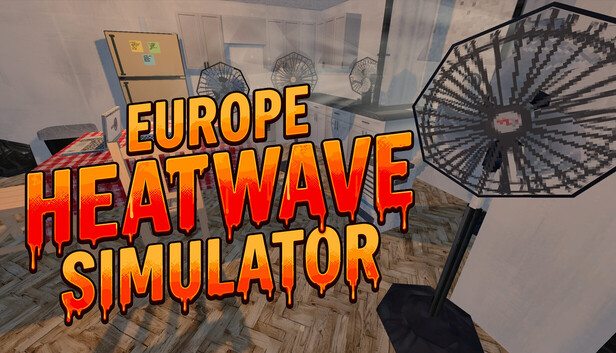
Es sind 42 °C und du lebst in Europa - also gibt es selbstverständlich keine Klimaanlage. Überlebe eine 14-tägige Hitzewelle in einem Pariser Studio: Zerfließe vor der Kamera bei der Remote-Arbeit, kämpfe um das letzte preisgünstige Klimagerät, verliere jede Ventilator-Auktion gegen Reseller und zahle jeden Sonntag Miete. Die Hitze wird wieder verschwinden, die Vermieterin nicht. Eine Survival-Comedy im PSX-Stil.

Es sind 42 °C und du lebst in Europa - also gibt es selbstverständlich keine Klimaanlage. Überlebe eine 14-tägige Hitzewelle in einem Pariser Studio: Zerfließe vor der Kamera bei der Remote-Arbeit, kämpfe um das letzte preisgünstige Klimagerät, verliere jede Ventilator-Auktion gegen Reseller und zahle jeden Sonntag Miete. Die Hitze wird wieder verschwinden, die Vermieterin nicht. Eine Survival-Comedy im PSX-Stil.

0

[DEV] Coming Soon to Shattered: The Vault Quest!

Shattered Pixel Coming Soon to Shattered: The Vault Quest! shatteredpixel.com
preview

Hey Dungeoneers, after far too long of a wait, v4.0.0 is finally ready for beta!

This update ended up ballooning in size from just adding a new quest, I’d say it’s arguably Shattered’s biggest update yet at this point! There’s a massive new quest, a bunch of new in-game art, 6 new enchantments, and plenty smaller changes and adjustments.

In this blog post I’m going to quickly show off some of the now-finished new quest. Don’t expect all the details though, I wouldn’t want to spoil everything!

Read the Full Blog Post Here

0

Neo Berlin 2087 - Official Gamescom 2026 Release Announcement Trailer

play · youtube.com
YouTube Neo Berlin 2087 - Official Gamescom 2026 Release Announcement Trailer www.youtube.com
preview

This looks like a mix between Deus Ex: Mankind Divided and Observer to me. It’s hard to tell if it’ll strictly be an action game or if there will be “detective” gameplay moments but I think the graphics look amazing. I’m looking forward to this one.

store.steampowered.com/app/…/NEO_BERLIN_2087/

This looks like a mix between Deus Ex: Mankind Divided and Observer to me. It’s hard to tell if it’ll strictly be an action game or if there will be “detective” gameplay moments but I think the graphics look amazing. I’m looking forward to this one.

store.steampowered.com/app/…/NEO_BERLIN_2087/

0

PHP Ambassadors: Six Weeks In

PHP Ambassadors: Six Weeks In thephp.foundation
preview

Curious about the PHP Ambassador Program we started a few weeks ago? We posted a progress update on our blog today. Exciting things are happening and you can be a part of the movement!

Curious about the PHP Ambassador Program we started a few weeks ago? We posted a progress update on our blog today. Exciting things are happening and you can be a part of the movement!

0

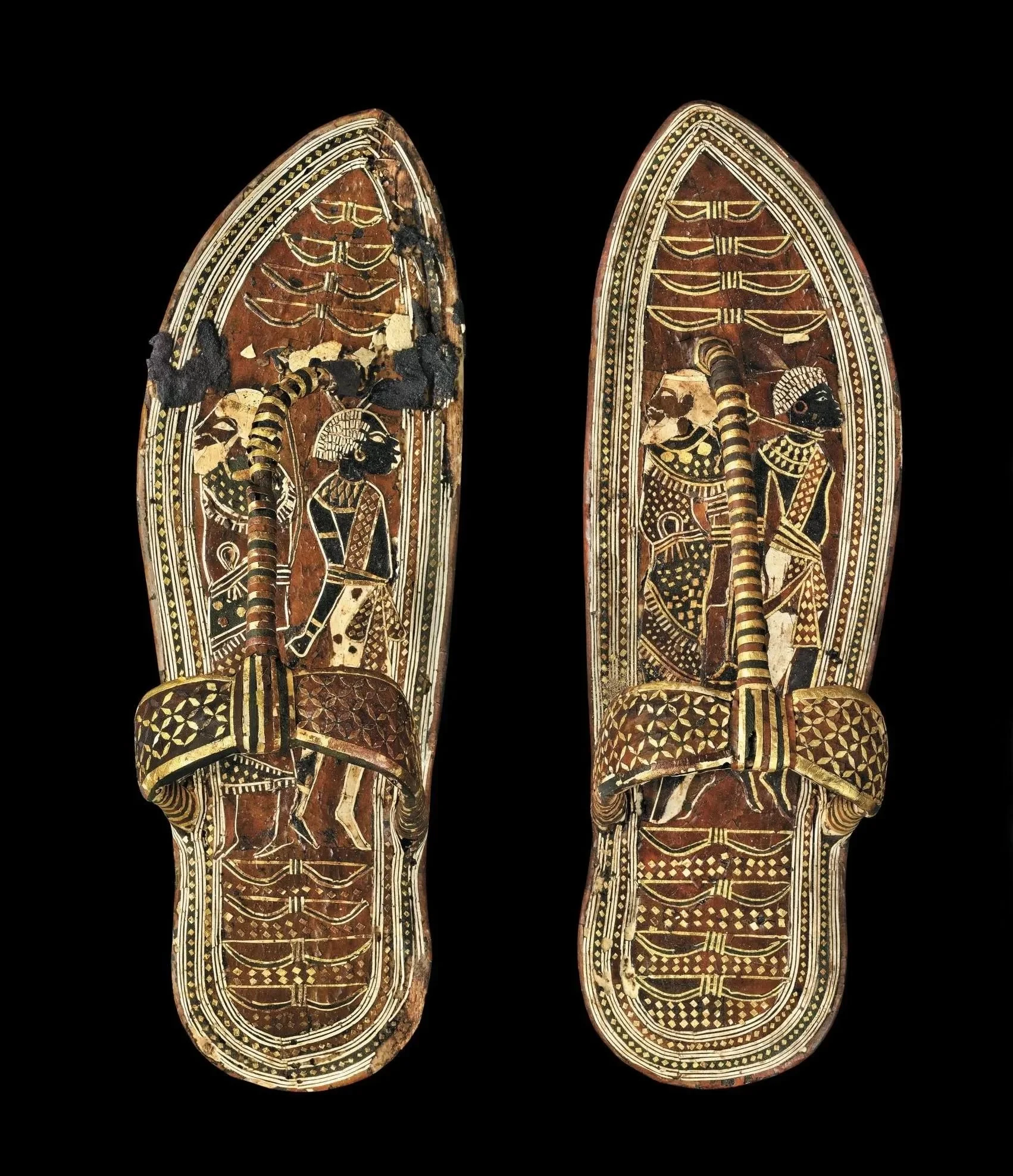
I wonder what his bathrobe looked like? Sandals of Tutankhamun, ca.1332-1323 BC.

preview

And did King Tut like his breakfast croissant buttered, or with jam?

The 3,300-year-old ceremonial leather sandals of the Egyptian pharaoh Tutankhamun, discovered in his Valley of the Kings tomb (KV62), feature painted and gilded depictions of foreign captives and the Nine Bows on the inner soles, allowing the king to symbolically trample Egypt’s enemies with every step.

https://www.researchgate.net/figure/Tomb-of-King-Tutankhamun-KV-62-Sandals-with-enemy-figures-and-nine-bows-motif-18th_fig23_371306846

Symbolic Design: Captive figures representing traditional northern and southern neighbors of Egypt are painted where the feet rest. The Nine Bows: The traditional motif symbolizing the unified foes of Egypt appears on the toe and heel areas. Materials: Expertly crafted from leather, wood, gold leaf, and fine detailing.

https://www.ancient-egypt.co.uk/fitzwilliam/pages/fitzwilliam_sep2006_%20039.htm

0

Alas poor Reddit

preview

Reddits moneitized enshitification has finally caused me to use a blocking script to prevent me from even opening their site. They have made browsing impossible outside of their logged in ecosphere. Old.reddit requires a login now. At least for me if I fell into the A/B testing that forced it.

It’s tragic. So many niche topics, resources, etc. exist there. Now locked behind the equivilant of a digital border wall. I’m not sure why it bothers me so much. Perhaps the closure of another more familiar space. Perhaps nostalgia for the old reddit. Or perhaps just another example of greed and tech bros taking away and wrecking a digital third space. Perhaps I should have called it when many others did when Spez took over and the process all started.

Alas, poor woodworking, specialty coffee, DMAcademy. Good bye and good night.

0

Strangers Rent My Home, Sleep in My Bed, Play My Guitar

The Dial Strangers Rent My Home, Sleep in My Bed, Play My Guitar — The Dial www.thedial.world
preview

I felt sad for weeks in anticipation. The fridge, the bedroom, the bathroom were taken care of slowly, one minor shift or disappearance at a time, as we prepared for the guests’ arrival. They had booked our apartment in Rome for five nights on a platform that allows you to stay in another person’s home — either through a direct home swap, or indirectly by way of a credits system that allows you to book a home at a later date. No money is ever exchanged. The platform says we are 250,000+ members in 155 countries. It promotes a global community “built on trust.”

The instructions our guests received when they reserved our home on the platform said they were welcome to enjoy my booze and guitars. Volunteering them felt better than worrying about them tampering with my cherished belongings. I hid my synths and effect boxes behind a wall of sweaters in the closet. We put a sponge mattress cover over the mattress and under the fresh bedsheet and hoped they wouldn’t uncover it and see the blood stains from my partner’s painful periods. It was a thorough and intrusive operation, different to the kind of tidying you do before hosting friends or family for a weekend.

We were exposing our home, and ourselves, to strangers for reasons that had nothing to do with love or human solidarity. We were doing it to lighten the financial load of our next trip. My partner disagreed — she felt that it was also going to be an interesting, and pleasant, experience, that it implied, in fact, some form of solidarity. Solidarity between people who must be creative and cooperative if they want to afford to go on vacation now that inflation is gradually pricing the middle class out of its habitual comforts.

She tends to have the right hunch about these things. I mean experiences that involve other people — community activities, political engagement. So I welcomed the dissonance between her curiosity and my anxiety. I was aware that I had thought of the physical walls to this one-story home as boundaries for my vulnerable self. If diagnoses can be trusted (and who knows, really), I’ve had three schools of psychotherapy state that some of my bad experiences as a child have left me with no personal boundaries. This apartment where I’ve established my adult life is the only barrier I have. I don’t entertain guests, ever. My wife does, and when they come over, I go hide in my room, where I enjoy hearing the way her laugh melts into her friends’.

But even if this home my partner and I lovingly put together over many years was the first place where I felt safe, that doesn’t mean, I reasoned, that I couldn’t try and separate myself from it just a little bit. Maybe I could stop considering these walls to be my ultimate protection and let some life in.

When we left for our vacation, I tried not to think about how strangers would be living in my home while I wasn’t there. Still, I was in a sorry state. A person we trusted would be welcoming them. My wife handled all communication with this person and with the strangers as they browsed the contents of our bathroom cabinet and slept in our beds.

0

Tub recaulking?

preview

People ask this kind of thing in r/halifax, so I guess I’ll give it a shot here.

A couple weeks ago I had one of the mold remediation places deal with moldy caulking around my tub, and they only replaced the moldy bits, and didn’t do a very good job of that. I’ve been working my way up to trying to patch the worst bits, but the more I look at it the worse it gets. Does anyone have a suggestion for who could properly replace all of the caulking around the acrylic tub, walls, and ceiling? It’s a lot of caulking.

0

Build Golf (very rough post, low expectations only!)

preview

Build Golf! Code Golf, but for Builds! Uhhh, that’s sort of it.

I remember being very slightly intrigued by the concept of code golf a long time ago. But I mostly took notice of people taking it in very esoteric directions, and even before that it was pretty much orthogonal to writing the kind of useful code I care about.

But just now my brain rubbed 2 neurons together, and made the connnection to another problem that has bothered me quite often. How do you do a minimal build of some thing without some “helpful” 300 LoC boilerplate. I want like, 2 files with 3 lines each and one command to run.

Okay, there will be a couple complications to consider to avoid this going down a hacky direction like Code Golf. Like, how much tooling do you depend upon? Do you have to install a package? How many (hundred) packages does that depend upon? (Looking at you React.) But the general idea is, how to you get (for a specific task or category of tool) in a minimalist way from plain-text in git to running machine code? (or like, HTML if you’re building for the web) It’s a challenge of taste more than discrete optimization! If tools will reign over others in this sphere, it should be because they cater to refined tastes!

Soooo, that’s my prompt. Ideas in all directions welcome. Concept for actually practically realizing this? Overly complex unworkable scoring rules? Personal fave minmal project templates? Feel free to evolve on this, or not, I’m not your boss.

0

DIY carts for the 2ds XL?

preview

Hey gang, my family and I have been playing on hacked Ds’s, mainly to play gen1-7 Pokemon all the way through. But with us using ROMs, everything is digital and I really long for that game cart era tactile feel of plug and play.

Is there a way to use the old flash carts as stand alone game carts? Like they just have 2gb SD card and one game each and when you plug them in they run from the game slot on the ds home screen?

0

388 years ago, Galileo worked out why human giants can't exist—and explained a law of physics

Scientific American 388 years ago Galileo worked out why human giants can’t exist—and explained a law of nature www.scientificamerican.com
preview

scientificamerican.com 388 years ago, Galileo worked out why human giants can’t exist—and explained a law of nature Joel David Hamkins 10–12 minutes

Acording to legend, giants once roamed the Earth. In Homer’s Odyssey, Odysseus encounters the Cyclops, the one-eyed son of Poseidon, living in a huge cavern, hungry and angry. He grasps men and sheep in one hand, devouring them whole. In the days of King Arthur, a clever young boy earned the title of “Jack the Giant Killer,” using his sharp wit to outsmart and slay the various “giants” plaguing the land. Another Jack—or perhaps it is the same Jack—famously plants some magic beans and climbs the resulting beanstalk to a castle in the clouds, cleverly outwitting the giant residing there.

All these giants of legend have a humanoid form, and they undertake generally human activities—walking, stomping, dancing, carrying heavy loads, running, and so forth. They act and move about in a human manner, only at a larger scale. But if human giants did exist, could they actually survive in this form?

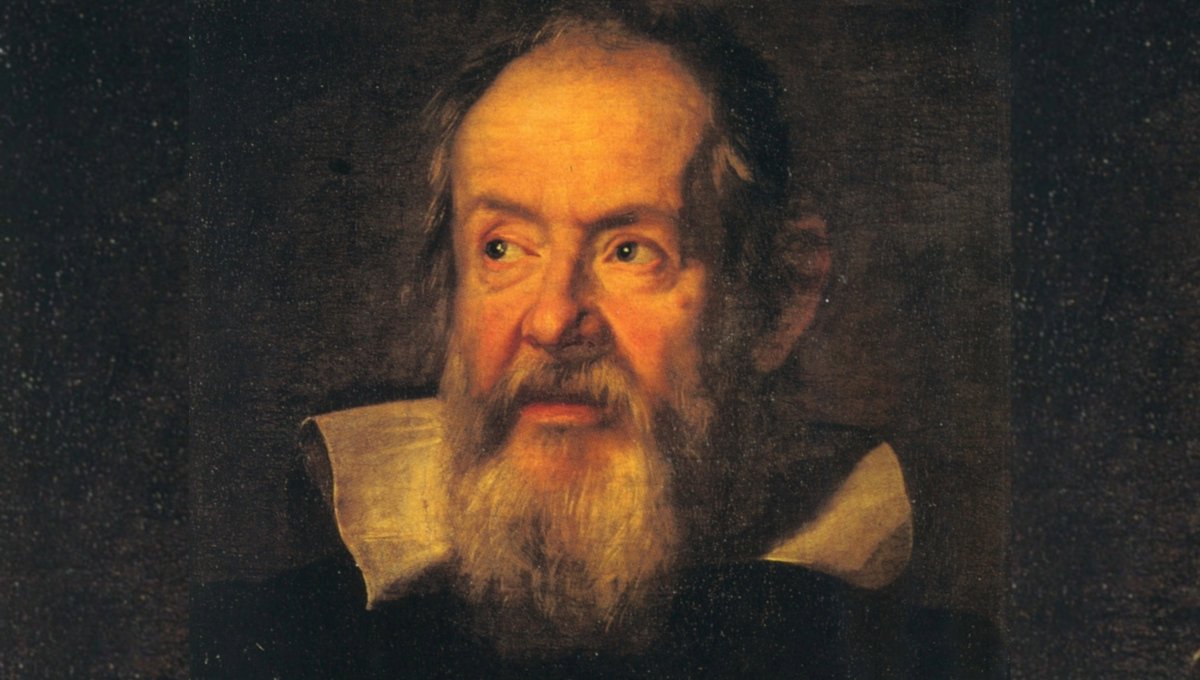
In his foundational 1638 text “Dialogues Concerning Two New Sciences,” Galileo Galilei argues that this folklore understanding of the nature of giants is fundamentally flawed. He contends that this idea of a massive humanlike creature is, quite simply, physically impossible.

To begin his argument, Galileo asks us to imagine a structural beam of sturdy oak. The beam might be used to support a heavy load—perhaps a load of bricks or a great stone.

He then asks us to imagine a much larger oak beam, scaled up in size but with the same proportions and material. A thicker, solid oak beam, of course, will naturally support more than a slender beam of the same wood. But how much more can it support? Will the larger beam be able to support the same load, but also scaled up in size? Should we expect the larger beam to support a scaled-up load of bricks or a scaled-up stone?

Galileo ingeniously argues no—the larger beam will not support a similarly scaled-up load. Indeed, he claims that at a certain sufficient scale, the beam will no longer support even its own weight! His argument relies on a certain subtle observation concerning how scaling works in different dimensions.

Galileo first observes that the load-bearing strength of a beam depends on its cross-sectional area, since a failure of the beam involves it breaking across a cross section. Since area scales as the square of the linear factor, a 10-times larger beam—with length, width, and depth each scaled by a factor of 10—will have a cross-sectional area 100 times larger than before. In other words, a 10-times larger beam is 100 times stronger! It will be able to support 100 times the load as the smaller beam.

That may seem initially very good. But the problem is that the weight of the load, for a given material density, is determined by its volume, and volume scales with the cube of the linear factor. Scaling up a load of bricks or a great stone by a linear factor of 10, therefore, will cause a 1,000-fold increase in the volume—a 10-times larger stone weighs 1,000 times more.

Galileo brings these observations to their natural collision. A 10-times-larger beam is 100 times stronger, yes, but the similarly scaled-up load became 1,000 times heavier. If the smaller beam had been carrying the optimal load, therefore, then the scaled-up beam would not be able to support the scaled-up load—not even close! It would support only one-tenth of it. Galileo argues that any given beam will have a certain sufficiently scaled-up size at which it will no longer support even its own weight. The strength of the beam scales with the square, but the mass of the beam itself scales with the cube, so at a sufficient scale, the beam will simply be too heavy for its own strength.

Now back to giants. Picture the bones of a giant serving, in effect, as structural “beams” supporting its body mass, its flesh, and muscles. If the giant’s bones are made of the same stuff as ordinary men, his strength has not scaled the same as his mass.

The conclusion, Galileo writes, is catastrophic for the giant:

Clearly then if one wishes to maintain in a great giant the same proportion of limb as that found in an ordinary man he must either find a harder and stronger material for making the bones, or he must admit a diminution of strength in comparison with men of medium stature; for if his height be increased inordinately he will fall and be crushed under his own weight.

Similarly, scaled-up versions of wooden ladders would not support a scaled-up giant human climbing them; scaled-up swords would be too heavy for such giants to lift; scaled-up armor would be too heavy to wear; scaled-up wooden houses would not support their own roofs; a scaled-up wooden chair would not support even itself, let alone a giant sitting in it; and scaled-up dining glasses would be too weak to hold the volume of wine or water within them. In short, the entire world of giants as pictured in folklore does not fully make physical sense.

While Galileo’s argument explains the nonexistence of human giants, it also explains the existence of nature. Namely, of animals such as hippopotamuses, rhinoceroses, elephants, and dinosaurs, which tend (or tended) to be stocky, with proportionally thicker, sturdier bones than smaller animals.

Elephants, for example, have much thicker legs relative to their size than do dogs and cats. This is explained by Galileo’s observation that the strength of bones scales with the square of the linear scale, since it depends on the cross-sectional area of the bones (and perhaps the pulling strength of muscles also depends on cross-sectional area), but the weight of the animal scales with the cube. So, the bones themselves need to become proportionally thicker to support the increased weight.

A dual effect occurs when scaling down in size. Very small animals, for example, are typically slender and lithe. Insects tend to have relatively thin limbs, which would be entirely inadequate to support the animal if scaled up proportionally to a much larger size. Unlike humans, small insects can often jump many times their own height. Insects can walk on walls and ceilings—they weigh so little, in fact, that electrostatic forces are strong enough to hold them fast to the surface.

If one were to encounter a fly that was 10-times normal size, but with the same proportions and body design, it would weigh 1,000 times as much, and the tiny electrostatic forces would be insufficient to allow it to stick to walls. It would certainly not be able to fly, and probably it could not even support itself standing on those toothpick legs. Water bugs can walk on the surface of water, because at that scale, the surface tension of the water is proportionally strong enough to support the meager mass, but larger bugs would be too heavy. The laws of physics and the basic nature of chemical and physical reality simply do not scale uniformly with size.

Galileo’s paradox applies just as much to the folklore conception of the miniature human, such as with the Lilliputians or the Hollywood films Downsizing, Ant-Man, or Honey, I Shrunk the Kids! The Lilliputians of “Gulliver’s Travels,” for instance, are about six inches tall, and the bones of such a 10-times scaled-down human would be 100 times weaker, while weighing 1,000 times less. Such a person would therefore not walk about normally but could probably jump very high (relative to his or her height) and carry correspondingly huge loads. For example, at normal size, a human can often carry another human on his or her back, but not much more. But the one-tenth-size humans, as Galileo notes, would be able to carry much more:

Whereas, if the size of a body be diminished, the strength of that body is not diminished in the same proportion; indeed the smaller the body the greater its relative strength. Thus a small dog could probably carry on his back two or three dogs of his own size; but I believe that a horse could not carry even one of his own size.

Meanwhile, however, the tiny humans would find themselves subject to all manner of forces that are more prominent at small scale. They would stick to walls and other things more easily because of the electrostatic forces, and water would be a big problem, seeming much stickier at small scale. In short, the folklore vision of Lilliputians or other tiny humans walking about as humans ordinarily do is fundamentally flawed and ultimately just as physically impossible as giants are.

Galileo’s observations enable us to see easily how evolutionary forces might work on body size. Perhaps for some organisms, there are comparatively few genes that control the overall body size in such a way that the typical size of an animal will be subject to evolutionary forces of natural selection.

We have clear evidence of species of animals greatly changing in size over evolutionary time scales. Early mammals were very small. For example, horses used to be about the size of small dogs — and a vestige of this can be seen today in the miniature horse breeds. Many insects, by contrast, were larger. Before dinosaurs and birds, dragonflies had wingspans of several feet, while we’ve found fossils of cockroaches up to four inches long. But the body shapes are not simply scaled exactly up and down. Evolutionary forces have acted on these body-size plans over time to improve survival, performing an optimizing arbitrage for the comparative advantages available in each size.

Galileo glimpsed a subtle, secret aspect of our physical existence: He perceived the core dimensional nature of important features such as strength and mass, realizing as a purely mathematical consequence that these features will therefore scale differently in those different dimensions. So despite the enormous range of sizes available in the physical universe, our lives would not be the same at a different scale. Giants are impossible. The Lilliputians are to be found only in literature. And as for humans, there is a very good reason we are the size we are.

This story was republished from the MIT Press Reader. Read the original article.

scientificamerican.com 388 years ago, Galileo worked out why human giants can’t exist—and explained a law of nature Joel David Hamkins 10–12 minutes

Acording to legend, giants once roamed the Earth. In Homer’s Odyssey, Odysseus encounters the Cyclops, the one-eyed son of Poseidon, living in a huge cavern, hungry and angry. He grasps men and sheep in one hand, devouring them whole. In the days of King Arthur, a clever young boy earned the title of “Jack the Giant Killer,” using his sharp wit to outsmart and slay the various “giants” plaguing the land. Another Jack—or perhaps it is the same Jack—famously plants some magic beans and climbs the resulting beanstalk to a castle in the clouds, cleverly outwitting the giant residing there.

All these giants of legend have a humanoid form, and they undertake generally human activities—walking, stomping, dancing, carrying heavy loads, running, and so forth. They act and move about in a human manner, only at a larger scale. But if human giants did exist, could they actually survive in this form?

In his foundational 1638 text “Dialogues Concerning Two New Sciences,” Galileo Galilei argues that this folklore understanding of the nature of giants is fundamentally flawed. He contends that this idea of a massive humanlike creature is, quite simply, physically impossible.

To begin his argument, Galileo asks us to imagine a structural beam of sturdy oak. The beam might be used to support a heavy load—perhaps a load of bricks or a great stone.

He then asks us to imagine a much larger oak beam, scaled up in size but with the same proportions and material. A thicker, solid oak beam, of course, will naturally support more than a slender beam of the same wood. But how much more can it support? Will the larger beam be able to support the same load, but also scaled up in size? Should we expect the larger beam to support a scaled-up load of bricks or a scaled-up stone?

Galileo ingeniously argues no—the larger beam will not support a similarly scaled-up load. Indeed, he claims that at a certain sufficient scale, the beam will no longer support even its own weight! His argument relies on a certain subtle observation concerning how scaling works in different dimensions.

Galileo first observes that the load-bearing strength of a beam depends on its cross-sectional area, since a failure of the beam involves it breaking across a cross section. Since area scales as the square of the linear factor, a 10-times larger beam—with length, width, and depth each scaled by a factor of 10—will have a cross-sectional area 100 times larger than before. In other words, a 10-times larger beam is 100 times stronger! It will be able to support 100 times the load as the smaller beam.

That may seem initially very good. But the problem is that the weight of the load, for a given material density, is determined by its volume, and volume scales with the cube of the linear factor. Scaling up a load of bricks or a great stone by a linear factor of 10, therefore, will cause a 1,000-fold increase in the volume—a 10-times larger stone weighs 1,000 times more.

Galileo brings these observations to their natural collision. A 10-times-larger beam is 100 times stronger, yes, but the similarly scaled-up load became 1,000 times heavier. If the smaller beam had been carrying the optimal load, therefore, then the scaled-up beam would not be able to support the scaled-up load—not even close! It would support only one-tenth of it. Galileo argues that any given beam will have a certain sufficiently scaled-up size at which it will no longer support even its own weight. The strength of the beam scales with the square, but the mass of the beam itself scales with the cube, so at a sufficient scale, the beam will simply be too heavy for its own strength.

Now back to giants. Picture the bones of a giant serving, in effect, as structural “beams” supporting its body mass, its flesh, and muscles. If the giant’s bones are made of the same stuff as ordinary men, his strength has not scaled the same as his mass.

The conclusion, Galileo writes, is catastrophic for the giant:

Clearly then if one wishes to maintain in a great giant the same proportion of limb as that found in an ordinary man he must either find a harder and stronger material for making the bones, or he must admit a diminution of strength in comparison with men of medium stature; for if his height be increased inordinately he will fall and be crushed under his own weight.

Similarly, scaled-up versions of wooden ladders would not support a scaled-up giant human climbing them; scaled-up swords would be too heavy for such giants to lift; scaled-up armor would be too heavy to wear; scaled-up wooden houses would not support their own roofs; a scaled-up wooden chair would not support even itself, let alone a giant sitting in it; and scaled-up dining glasses would be too weak to hold the volume of wine or water within them. In short, the entire world of giants as pictured in folklore does not fully make physical sense.

While Galileo’s argument explains the nonexistence of human giants, it also explains the existence of nature. Namely, of animals such as hippopotamuses, rhinoceroses, elephants, and dinosaurs, which tend (or tended) to be stocky, with proportionally thicker, sturdier bones than smaller animals.

Elephants, for example, have much thicker legs relative to their size than do dogs and cats. This is explained by Galileo’s observation that the strength of bones scales with the square of the linear scale, since it depends on the cross-sectional area of the bones (and perhaps the pulling strength of muscles also depends on cross-sectional area), but the weight of the animal scales with the cube. So, the bones themselves need to become proportionally thicker to support the increased weight.

A dual effect occurs when scaling down in size. Very small animals, for example, are typically slender and lithe. Insects tend to have relatively thin limbs, which would be entirely inadequate to support the animal if scaled up proportionally to a much larger size. Unlike humans, small insects can often jump many times their own height. Insects can walk on walls and ceilings—they weigh so little, in fact, that electrostatic forces are strong enough to hold them fast to the surface.

If one were to encounter a fly that was 10-times normal size, but with the same proportions and body design, it would weigh 1,000 times as much, and the tiny electrostatic forces would be insufficient to allow it to stick to walls. It would certainly not be able to fly, and probably it could not even support itself standing on those toothpick legs. Water bugs can walk on the surface of water, because at that scale, the surface tension of the water is proportionally strong enough to support the meager mass, but larger bugs would be too heavy. The laws of physics and the basic nature of chemical and physical reality simply do not scale uniformly with size.

Galileo’s paradox applies just as much to the folklore conception of the miniature human, such as with the Lilliputians or the Hollywood films Downsizing, Ant-Man, or Honey, I Shrunk the Kids! The Lilliputians of “Gulliver’s Travels,” for instance, are about six inches tall, and the bones of such a 10-times scaled-down human would be 100 times weaker, while weighing 1,000 times less. Such a person would therefore not walk about normally but could probably jump very high (relative to his or her height) and carry correspondingly huge loads. For example, at normal size, a human can often carry another human on his or her back, but not much more. But the one-tenth-size humans, as Galileo notes, would be able to carry much more:

Whereas, if the size of a body be diminished, the strength of that body is not diminished in the same proportion; indeed the smaller the body the greater its relative strength. Thus a small dog could probably carry on his back two or three dogs of his own size; but I believe that a horse could not carry even one of his own size.

Meanwhile, however, the tiny humans would find themselves subject to all manner of forces that are more prominent at small scale. They would stick to walls and other things more easily because of the electrostatic forces, and water would be a big problem, seeming much stickier at small scale. In short, the folklore vision of Lilliputians or other tiny humans walking about as humans ordinarily do is fundamentally flawed and ultimately just as physically impossible as giants are.

Galileo’s observations enable us to see easily how evolutionary forces might work on body size. Perhaps for some organisms, there are comparatively few genes that control the overall body size in such a way that the typical size of an animal will be subject to evolutionary forces of natural selection.

We have clear evidence of species of animals greatly changing in size over evolutionary time scales. Early mammals were very small. For example, horses used to be about the size of small dogs — and a vestige of this can be seen today in the miniature horse breeds. Many insects, by contrast, were larger. Before dinosaurs and birds, dragonflies had wingspans of several feet, while we’ve found fossils of cockroaches up to four inches long. But the body shapes are not simply scaled exactly up and down. Evolutionary forces have acted on these body-size plans over time to improve survival, performing an optimizing arbitrage for the comparative advantages available in each size.

Galileo glimpsed a subtle, secret aspect of our physical existence: He perceived the core dimensional nature of important features such as strength and mass, realizing as a purely mathematical consequence that these features will therefore scale differently in those different dimensions. So despite the enormous range of sizes available in the physical universe, our lives would not be the same at a different scale. Giants are impossible. The Lilliputians are to be found only in literature. And as for humans, there is a very good reason we are the size we are.

This story was republished from the MIT Press Reader. Read the original article.

0

About to get real stressful

preview

Got the legs matched to the body and the holes drilled for the toothpicks, it’s almost ready for gluing

Just gotta fix this

Once I get that wonky leg fixed and a final sanding with like 220 on everything, it’ll be time to glue

Got the legs matched to the body and the holes drilled for the toothpicks, it’s almost ready for gluing

Just gotta fix this

Once I get that wonky leg fixed and a final sanding with like 220 on everything, it’ll be time to glue

0

L'humble légaliste

preview

[bleu, en train de trembler de peur, en détresse]
À l’aide !
Je suis victime de vol !
J’ai perdu toutes mes possessions !

[jaune, l’air arrogant, un doigt levé]
Faux.
Voler est illégal.
C’est donc impossible que ça ait eu lieu.

[zoom sur bleu, blasé, dénué d’émotions]

thebad.website/comic/the_humble_legalist

0

The humble legalist

preview

[blue, shaking, in distress]
Help me!
I have been robbed!
I have lost all my belongings!

[yellow, a finger raised, looking smug]
Wrong.
Robbing is illegal.
It’s impossible that you have been robbed.

[zoom on blue, who is looking blasé and emotionless]

thebad.website/comic/the_humble_legalist

[blue, shaking, in distress]
Help me!
I have been robbed!
I have lost all my belongings!

[yellow, a finger raised, looking smug]
Wrong.
Robbing is illegal.
It’s impossible that you have been robbed.

[zoom on blue, who is looking blasé and emotionless]

thebad.website/comic/the_humble_legalist

0

FKK-Bereich an Bord zu klein: Aida muss Kreuzfahrt-Gästen Teil des Reisepreises zurückzahlen

preview

Ein Ehepaar bekommt einen Teil des Preises seiner Kreuzfahrt-Weltreise mit Aida zurück, weil der FKK-Bereich nach einem Umbau deutlich kleiner ausfiel als erwartet. Das hat das Landgericht Rostock am Freitag (14. August) entschieden. Den Klägern steht eine Minderung von fünf Prozent des Reisepreises zu. Das geht aus einer Mitteilung des Gerichts hervor.

Die Eheleute hatten die mehrmonatige Reise bereits im Februar 2024 gebucht und dafür rund 68.600 Euro bezahlt. Zu diesem Zeitpunkt verfügte das Schiff über einen großzügigen FKK-Bereich mit Whirlpool, Dusche und Sonnendach.

Buchungsunterlagen und Prospekt enthielten dazu zwar keine Angaben, die Kläger orientierten sich aber an Deckplänen, die der Veranstalter im Internet veröffentlicht hatte. Darauf waren Lage und Größe des Bereichs klar erkennbar.
Aida ließ Schiff umbauen – FKK-Bereich verkleinert

Zwischen Buchung und Reiseantritt ließ die Rostocker Reederei Aida Cruises das Schiff umbauen. Aus dem bisherigen FKK-Bereich wurde ein „Skydeck“, das nur noch Suiten-Gästen offenstand – zu ihnen gehörten die Kläger nicht. Der neue FKK-Bereich lag an anderer Stelle, war kleiner und hatte weder Sonnendach noch Dusche oder Whirlpool.

Die Kläger forderten daraufhin 15.000 Euro zurück. Sie verwiesen auf ihre enttäuschten Erwartungen sowie darauf, dass ihnen das Skydeck verwehrt blieb. Zusätzlich bemängelten sie ein fehlendes Buffetrestaurant und eine kostenpflichtige Sauna.

Gericht: Online-Angaben wecken Erwartungen

Das Landgericht sprach den Klägern eine Minderung zu, allerdings deutlich unterhalb der geforderten Summe. Reisende dürften sich auf frei im Internet zugängliche Informationen des Veranstalters verlassen, etwa auf Deckpläne. Auch ohne ausdrückliche Zusicherung in den Buchungsunterlagen könnten solche Angaben den Vertragsinhalt mitbestimmen, da sie eine berechtigte Erwartung schaffen. Bei erheblichen Änderungen zwischen Buchung und Reise müsse der Veranstalter die Passagiere vorab informieren.

Die Verkleinerung sei keine unbedeutende Einschränkung, so das Gericht. Da der FKK-Bereich aber nur eines von vielen Unterhaltungsangeboten einer Kreuzfahrt darstelle, rechtfertige dies keine höhere Minderung.

Die übrigen aufgeführten Mängel stufte das Gericht als nicht erheblich genug ein. Enttäuschte Erwartungen aus früheren Reisen würden zudem nicht automatisch Teil des Reisevertrags sein. Das Urteil ist noch nicht rechtskräftig, die Reederei kann Berufung einlegen. Aida erklärte auf Anfrage: „Wir werden nach sorgfältiger Auswertung der Urteilsbegründung weitere rechtliche Schritte prüfen.“

Ein Ehepaar bekommt einen Teil des Preises seiner Kreuzfahrt-Weltreise mit Aida zurück, weil der FKK-Bereich nach einem Umbau deutlich kleiner ausfiel als erwartet. Das hat das Landgericht Rostock am Freitag (14. August) entschieden. Den Klägern steht eine Minderung von fünf Prozent des Reisepreises zu. Das geht aus einer Mitteilung des Gerichts hervor.

Die Eheleute hatten die mehrmonatige Reise bereits im Februar 2024 gebucht und dafür rund 68.600 Euro bezahlt. Zu diesem Zeitpunkt verfügte das Schiff über einen großzügigen FKK-Bereich mit Whirlpool, Dusche und Sonnendach.

Buchungsunterlagen und Prospekt enthielten dazu zwar keine Angaben, die Kläger orientierten sich aber an Deckplänen, die der Veranstalter im Internet veröffentlicht hatte. Darauf waren Lage und Größe des Bereichs klar erkennbar.

Aida ließ Schiff umbauen – FKK-Bereich verkleinert

Zwischen Buchung und Reiseantritt ließ die Rostocker Reederei Aida Cruises das Schiff umbauen. Aus dem bisherigen FKK-Bereich wurde ein „Skydeck“, das nur noch Suiten-Gästen offenstand – zu ihnen gehörten die Kläger nicht. Der neue FKK-Bereich lag an anderer Stelle, war kleiner und hatte weder Sonnendach noch Dusche oder Whirlpool.

Die Kläger forderten daraufhin 15.000 Euro zurück. Sie verwiesen auf ihre enttäuschten Erwartungen sowie darauf, dass ihnen das Skydeck verwehrt blieb. Zusätzlich bemängelten sie ein fehlendes Buffetrestaurant und eine kostenpflichtige Sauna.

Gericht: Online-Angaben wecken Erwartungen

Das Landgericht sprach den Klägern eine Minderung zu, allerdings deutlich unterhalb der geforderten Summe. Reisende dürften sich auf frei im Internet zugängliche Informationen des Veranstalters verlassen, etwa auf Deckpläne. Auch ohne ausdrückliche Zusicherung in den Buchungsunterlagen könnten solche Angaben den Vertragsinhalt mitbestimmen, da sie eine berechtigte Erwartung schaffen. Bei erheblichen Änderungen zwischen Buchung und Reise müsse der Veranstalter die Passagiere vorab informieren.

Die Verkleinerung sei keine unbedeutende Einschränkung, so das Gericht. Da der FKK-Bereich aber nur eines von vielen Unterhaltungsangeboten einer Kreuzfahrt darstelle, rechtfertige dies keine höhere Minderung.

Die übrigen aufgeführten Mängel stufte das Gericht als nicht erheblich genug ein. Enttäuschte Erwartungen aus früheren Reisen würden zudem nicht automatisch Teil des Reisevertrags sein. Das Urteil ist noch nicht rechtskräftig, die Reederei kann Berufung einlegen. Aida erklärte auf Anfrage: „Wir werden nach sorgfältiger Auswertung der Urteilsbegründung weitere rechtliche Schritte prüfen.“

0

Profile flagged as Bot account

preview

Hi Lemmy.world Admin Team,

I’m writing because my account appears to be incorrectly flagged as a bot, which prevents me from voting on posts and comments.

  • Upvote/downvote buttons don’t work on posts or comments
  • Error message: “invalid_bot_action”
  • “B” badge next to my username
  • No option to uncheck “bot account” in my settings
  • Tried clearing browser cookies/cache and relogging (no change)
  • uBlock Origin disabled entirely (no change)
  • Never posted anything from this account prior to this issue

I’m a regular user and not operating a bot.

Could you please review my account and remove the bot flag if possible? Or let me know if there’s additional information you need from me.

Thank you for your time and help.