0

Linux 7.5 To Provide More AMD Ryzen AI NPU AIE4 Enablement

Linux 7.5 To Provide More AMD Ryzen AI NPU AIE4 Enablement www.phoronix.com
preview

Even before the Linux v7.4 merge window was over, there were already two pull requests of drm-misc-next material targeting for what will be Linux 7.5. This week already saw the third drm-misc-next pull request of more feature patches targeting this next kernel version.

This week’s drm-misc-next pull brings Rockchip RK3568 support to the Rockchip DRM display driver. The RK3568 is a quad-core Arm Cortex-A55 SoC with a Mali-G52 2EE GPU and a small NPU and VPU too. The RK3568 is found in some industrial/embedded PCs, some NAS devices, and single board computers. Nice seeing the continued work on improving mainline kernel support for Rockchip SoCs.

Separately there are also a number of additional display panels now supported by the mainline kernel including the DCLTek 300249 5.5", DLCTek 300248 10.5", Novetake NT37705, xiaomi-lavender, Tianma TL063FVMC43-02, Tianma TL063FVMCA01-00, Tianma TL060FVXS16-00, TXD TXDI600YANPA-43V3, AUO B101UAN01, Truly NT36850 WQHD, Novatek NT36850, Samsung AMS644VK04, Hitachi TX10D07VM0BAA, LG LH400WV3-SD04, and Mingjun MJ070BI30IA2.

AMD Ryzen AI

The AMDXDNA accelerator driver for Ryzen AI NPus meanwhile saw support added for a new 6.0 firmware release, adding NPU3 classic device support, get/set power mode handling for new AIE4 hardware, and other AIE4 enabling like suspend and resume, clock / DPM frequency / resource information queries, AIE4 command submission, and other important additions. Over the course of this year and the past few kernel versions there’s been a lot of enablement work around the AIE4 hardware that presumably is the next-gen Ryzen AI NPU to be found with the upcoming Zen 6 based client platforms launching in the new year. Hopefully with Linux 7.5 the AIE4 hardware support will be in good standing.

The full list of drm-misc-next feature patches for the week via this pull request.

0

Linux 7.4-rc2 Released With FAT32 Optimization, AMDGPU HDMI 2.2 Improvement

Linux 7.4-rc2 Released With FAT32 Optimization, AMDGPU HDMI 2.2 Improvement www.phoronix.com
preview

Linus Torvalds just released the second weekly release candidate of Linux 7.4 with some notable bug fixes and other changes routed in past the merge window. It’s another big one in the AI era.

This week brought some adjustments to the AMD PerfOpt feature for helping Radeon iGPU performance, fixing faulty BHI mitigation selection for some kernel configurations, a big improvement for FAT32 especially with synchronous mounts, AMDGPU driver fixes for HDMI 2.2 FRL, and numerous fixes for “nasty long standing bugs” in the core memory management code. Plus the usual assortment of bug fixes as well as the seemingly never-ending flow of AI/LLM generated patches and bug reports.

Linux 7.4-rc2 Git tag

Linux creator Linus Torvalds wrote in the 7.4-rc2 announcement:

"Ok, a big -rc2 to go with the largest ever -rc1. But the diffstat looks fairly benign, and is dominated by some automated coccinelle updates that I got for the merge window but left for rc2 because I didn't want to deal with them when I was on the road (and had a hard time finding the motivation to deal with them afterwards too, to be honest).

That said, the scripted updates are largely just one- and two-liners, and they [really] are very straightforward so they "dominate" the diffstat only in the sense that they are very spread out and do add a lot of noise.

When masking that noise out from the diffstat, the shape of it changes - not spread out over thousands of files any more. But it does not look unusual: a third is drivers (gpu, networking and sound account for most of it, but there's a bit of everything), another third is networking and bpf, and the final third is "the rest" (mostly filesystems, mm, arch updates).

And yes, much of this was driven by various AI fixes. I think I'll stop repeating that, and we can just take it for granted. But this time around Alexei claims that on the bpf side at least the fixes are now coming in faster than the new reports, and that sounds lovely if true.

I think most other areas haven't reached that point yet, but it's at least a sign that we _may_ be starting to see the tide starting to turn.

Don't hold your breath, but maybe cross your fingers we'll be getting there in the not entirely distant future.

In the meantime, please keep testing,"

See our Linux 7.4 feature overview for a look at all the changes coming to this kernel aiming for a stable release around the end of December.

0

Hate Chromium? Well, There’s a Linux Desktop Based on it Now

It's FOSS Hate Chromium? Well, There’s a Linux Desktop Based on it Now itsfoss.com
preview

Say the name “Chromium” out loud in Linux circles, and you will soon see what a mob looks like. Many people don’t like how much of the web rests on one engine led by Google, and they prefer to keep it away from their systems.

Now we have Domicile, a new Rust-based Wayland compositor that uses a patched build of Chromium to draw the entire desktop as a web page.

Apps still run natively, and each Wayland window goes straight into Chromium’s rendering system and shows up inside that page as an element. A window and a website can then sit side by side and be arranged the same way.

Domicile: Overview

Domicile is not a drop-in desktop like GNOME or KDE Plasma. It leaves the bar, the window layout, and the look to a shell, and that shell itself is a web page you have to write yourself.

Native app windows and websites both sit on that page, and because CSS decides where each one goes, layouts like tiling or floating take only a few lines of styling.

You can even swap the shell without closing a single window because loading a new one resets only the state held in the shell’s own page. A single page can span every monitor, and shells are built from packages that anyone can publish on npm, whether it is a whole desktop, a bar, or a launcher.

The compositor still handles the lock screen, tray icons, notifications, and screen sharing, while the shell decides how they look. The built-in browser runs Manifest V3 Chrome extensions, but some of them behave differently than they do in Chrome.

Apps need Wayland support to run. Electron, SDL, and Qt apps start in Wayland mode, but X11-only ones will not run. Xwayland, the compatibility layer that lets X11 apps work on Wayland desktops, is something Domicile does not include.

The project is provided under the MIT license, and the Chromium files it modifies stick to Chromium’s licenses. One more thing, and this could be a dealbreaker for some of you, the project is AI-assisted.

Manganese, the element?

Not quite. Manganese is the ready-made shell that comes with Domicile, and it works as a complete tiling desktop out of the box. Its keybindings follow Sway’s on the Super key, and you get ten workspaces along with tabs, stacks, splits, floating windows, and a scratchpad.

Websites open as windows too, sitting next to native apps in the same layout, while extensions from the Chrome Web Store show up as buttons in the top bar.

It comes with a Settings app, clipboard history, launcher, screenshots tool, notifications, and a lock screen. Since every part of it is its own package, you can add a new item to the bar or replace the launcher while the rest stays as it is.

Getting started

Packages exist for Fedora, openSUSE, Debian, Ubuntu, and Arch Linux, plus an AUR package for Arch users. For NixOS, or Nix on any distro, you can use the project’s flake.

It runs only on x86_64, and the project has no ARM builds.

A monolithic package carries Manganese, the login session, the domicile command, and the React packages that shells build against. After installing, you point a config file at the shell you want, then log out and pick “Domicile” on the login screen.

Say the name “Chromium” out loud in Linux circles, and you will soon see what a mob looks like. Many people don’t like how much of the web rests on one engine led by Google, and they prefer to keep it away from their systems.

Now we have Domicile, a new Rust-based Wayland compositor that uses a patched build of Chromium to draw the entire desktop as a web page.

Apps still run natively, and each Wayland window goes straight into Chromium’s rendering system and shows up inside that page as an element. A window and a website can then sit side by side and be arranged the same way.

Domicile: Overview

Domicile is not a drop-in desktop like GNOME or KDE Plasma. It leaves the bar, the window layout, and the look to a shell, and that shell itself is a web page you have to write yourself.

Native app windows and websites both sit on that page, and because CSS decides where each one goes, layouts like tiling or floating take only a few lines of styling.

You can even swap the shell without closing a single window because loading a new one resets only the state held in the shell’s own page. A single page can span every monitor, and shells are built from packages that anyone can publish on npm, whether it is a whole desktop, a bar, or a launcher.

The compositor still handles the lock screen, tray icons, notifications, and screen sharing, while the shell decides how they look. The built-in browser runs Manifest V3 Chrome extensions, but some of them behave differently than they do in Chrome.

Apps need Wayland support to run. Electron, SDL, and Qt apps start in Wayland mode, but X11-only ones will not run. Xwayland, the compatibility layer that lets X11 apps work on Wayland desktops, is something Domicile does not include.

The project is provided under the MIT license, and the Chromium files it modifies stick to Chromium’s licenses. One more thing, and this could be a dealbreaker for some of you, the project is AI-assisted.

Manganese, the element?

Not quite. Manganese is the ready-made shell that comes with Domicile, and it works as a complete tiling desktop out of the box. Its keybindings follow Sway’s on the Super key, and you get ten workspaces along with tabs, stacks, splits, floating windows, and a scratchpad.

Websites open as windows too, sitting next to native apps in the same layout, while extensions from the Chrome Web Store show up as buttons in the top bar.

It comes with a Settings app, clipboard history, launcher, screenshots tool, notifications, and a lock screen. Since every part of it is its own package, you can add a new item to the bar or replace the launcher while the rest stays as it is.

Getting started

Packages exist for Fedora, openSUSE, Debian, Ubuntu, and Arch Linux, plus an AUR package for Arch users. For NixOS, or Nix on any distro, you can use the project’s flake.

It runs only on x86_64, and the project has no ARM builds.

A monolithic package carries Manganese, the login session, the domicile command, and the React packages that shells build against. After installing, you point a config file at the shell you want, then log out and pick “Domicile” on the login screen.

0

Asahi Linux Drops MIT and Goes Full GPL After AI Tools Were Used to Steal Unreleased Code

It's FOSS Asahi Linux Drops MIT and Goes Full GPL After AI Tools Were Used to Steal Unreleased Code itsfoss.com
preview

Well, well, well…

Asahi Linux is the reason you can run Linux on an Apple Silicon Mac today. For years, the project put most of its own code under the MIT license so that anyone, including the BSDs, could reuse it as needed.

That is changing because Asahi Linux is tired of code laundering. They have announced that Asahi is moving all of its repositories to the GNU General Public License version 2 or later. Going forward, all Asahi Linux code will be under strong copyleft licenses only.

This is because people were taking in-development code straight out of their personal forks, publishing it without credit, or rewriting it with AI to hide its origin for “replacing the project and aggressively monetising Linux on Apple Silicon.”

What is code laundering?

Code laundering (also called license laundering) is the practice of taking someone else’s code and passing it through a process that hides where it came from, so you can use it without honoring the original license or crediting the author.

Before AI, this usually meant manually rewriting code line by line, renaming variables and stuff, and shuffling functions around until it no longer looked like the original.

LLMs made it much more easy and cheaper of course.

The MIT license only asks you to keep the original copyright notice. It doesn’t require you to share your changes or keep your version open. That’s what makes it popular, and it’s also what made things problematic for Asahi here.

Learning from history

The move has come after the Asahi team was made aware “some time ago” of multiple attempts to exploit its permissive licensing to hijack its work.

In the most extreme cases, feature code that was still under development was lifted from developers’ personal forks before it was even publicly released. The report points out that the MIT license “explicitly allows this, and has no carveouts to protect against bad faith actors.”

Asahi didn’t name anyone in the report. It also didn’t spell out how existing contributions will be relicensed or whether every past contributor agreed to it.

Asahi draws parallels with WINE’s situation two decades ago. WINE, the compatibility layer that lets you run Windows apps on Linux, was originally MIT-licensed too. But in the late 90s and early 2000s, companies took the code, built proprietary forks on top of it, and sold them commercially. So, in 2002, the WINE team relicensed to the LGPL to discourage proprietary forks and push companies to contribute upstream.

Those who do not learn from history are doomed to repeat it

Asahi has been upset lately

Asahi didn’t name anyone so we are left with guesswork on who they are targeting with this license move.

There have been at least two public forks of Asahi’s work in recent months, both tied to AI-assisted development. In case you did not know, Asahi Linux forbids AI generated code contribution.

The first is Aurora Silicon and its Vulkan driver, Borealis. Borealis is a fork of Asahi’s HoneyKrisp, the Vulkan driver for Apple GPUs. Aurora Silicon submitted a pull request to register its own Vulkan driver ID with Khronos (VK_DRIVER_ID_AURORA_BOREALIS), says the driver runs on M1 to M5 and the A18 Pro, and keeps it in its own Mesa fork rather than upstream.

The second is Gravity Linux, a Fedora-based distro for Apple Silicon. It was forked from Asahi over the disagreement about LLM use.

To be fair to Gravity, it is open source, it isn’t selling anything, and it credits its AI use openly. It even says it plans to sunset the distro once its driver work lands upstream.

It isn’t the kind of bad actor the progress report describes. But it does represent the “permissive fork that embraces AI” approach that Asahi has consistently pushed back against.

For clarification, Asahi’s progress report does not mention Aurora Silicon or Gravity Linux by name. I have provided their conflict with Asahi as context.

Why this license change matters

As far as I can tell, this is the first time a major open source project has moved to copyleft specifically because of AI-assisted code laundering. Projects have relicensed before, but usually to stop cloud providers from reselling their work as a service. This one is specifically about AI.

I wouldn’t be surprised if more hardware enablement and reverse-engineering projects follow. Making the first changes takes a lot of time and effort but they are easier to “rewrite” once someone has done the hard part.

Will the GPL actually help?

If the problem is people who already ignore the MIT license, why would they respect the GPL? After all, GPL cannot stop a determined bad actor. Nothing does, actually.

Stripping attribution from MIT code already breaks the MIT license, since keeping the copyright notice is its one real condition.

What the GPL changes is the commercial benefit. Under MIT, someone can take Asahi’s code, close it up, and sell a product, and that’s perfectly legal as long as the notice stays in.

Under the GPL, anyone who distributes a modified version has to release the source under the same license. You can’t legally build a closed, paid Apple Silicon distro on top of GPL code. And if a product’s source has to be public, the copying is easier to spot. Not everyone is happy

The move has drawn criticism, particularly from the BSD side, which was one of the main reasons Asahi chose MIT in the first place. OpenBSD’s Apple Silicon support relies on Asahi’s m1n1 bootloader.

OpenBSD developer Bryan Steele wrote on X:

"Sad to see Asahi out there burning bridges for no reason.. relicensing m1n1 and drivers under GPL2-or-later, seemingly without the consent of all prior contributors, under the guise of "defending against AI bad actors", seems entirely disingenuous and misguided."

Wrapping up

Asahi is betting that copyleft license provides a better defense in this changed world where anyone can launder code with a prompt.

It may not stop the bad actors from rewriting its code, but at least it reduces the chances of a closed commercial fork.

It would be interesting to see whether the BSD community finds a way to keep working with Asahi under the new terms.

Well, well, well…

Asahi Linux is the reason you can run Linux on an Apple Silicon Mac today. For years, the project put most of its own code under the MIT license so that anyone, including the BSDs, could reuse it as needed.

That is changing because Asahi Linux is tired of code laundering. They have announced that Asahi is moving all of its repositories to the GNU General Public License version 2 or later. Going forward, all Asahi Linux code will be under strong copyleft licenses only.

This is because people were taking in-development code straight out of their personal forks, publishing it without credit, or rewriting it with AI to hide its origin for “replacing the project and aggressively monetising Linux on Apple Silicon.”

What is code laundering?

Code laundering (also called license laundering) is the practice of taking someone else’s code and passing it through a process that hides where it came from, so you can use it without honoring the original license or crediting the author.

Before AI, this usually meant manually rewriting code line by line, renaming variables and stuff, and shuffling functions around until it no longer looked like the original.

LLMs made it much more easy and cheaper of course.

The MIT license only asks you to keep the original copyright notice. It doesn’t require you to share your changes or keep your version open. That’s what makes it popular, and it’s also what made things problematic for Asahi here.

Learning from history

The move has come after the Asahi team was made aware “some time ago” of multiple attempts to exploit its permissive licensing to hijack its work.

In the most extreme cases, feature code that was still under development was lifted from developers’ personal forks before it was even publicly released. The report points out that the MIT license “explicitly allows this, and has no carveouts to protect against bad faith actors.”

Asahi didn’t name anyone in the report. It also didn’t spell out how existing contributions will be relicensed or whether every past contributor agreed to it.

Asahi draws parallels with WINE’s situation two decades ago. WINE, the compatibility layer that lets you run Windows apps on Linux, was originally MIT-licensed too. But in the late 90s and early 2000s, companies took the code, built proprietary forks on top of it, and sold them commercially. So, in 2002, the WINE team relicensed to the LGPL to discourage proprietary forks and push companies to contribute upstream.

Those who do not learn from history are doomed to repeat it

Asahi has been upset lately

Asahi didn’t name anyone so we are left with guesswork on who they are targeting with this license move.

There have been at least two public forks of Asahi’s work in recent months, both tied to AI-assisted development. In case you did not know, Asahi Linux forbids AI generated code contribution.

The first is Aurora Silicon and its Vulkan driver, Borealis. Borealis is a fork of Asahi’s HoneyKrisp, the Vulkan driver for Apple GPUs. Aurora Silicon submitted a pull request to register its own Vulkan driver ID with Khronos (VK_DRIVER_ID_AURORA_BOREALIS), says the driver runs on M1 to M5 and the A18 Pro, and keeps it in its own Mesa fork rather than upstream.

The second is Gravity Linux, a Fedora-based distro for Apple Silicon. It was forked from Asahi over the disagreement about LLM use.

To be fair to Gravity, it is open source, it isn’t selling anything, and it credits its AI use openly. It even says it plans to sunset the distro once its driver work lands upstream.

It isn’t the kind of bad actor the progress report describes. But it does represent the “permissive fork that embraces AI” approach that Asahi has consistently pushed back against.

For clarification, Asahi’s progress report does not mention Aurora Silicon or Gravity Linux by name. I have provided their conflict with Asahi as context.

Why this license change matters

As far as I can tell, this is the first time a major open source project has moved to copyleft specifically because of AI-assisted code laundering. Projects have relicensed before, but usually to stop cloud providers from reselling their work as a service. This one is specifically about AI.

I wouldn’t be surprised if more hardware enablement and reverse-engineering projects follow. Making the first changes takes a lot of time and effort but they are easier to “rewrite” once someone has done the hard part.

Will the GPL actually help?

If the problem is people who already ignore the MIT license, why would they respect the GPL? After all, GPL cannot stop a determined bad actor. Nothing does, actually.

Stripping attribution from MIT code already breaks the MIT license, since keeping the copyright notice is its one real condition.

What the GPL changes is the commercial benefit. Under MIT, someone can take Asahi’s code, close it up, and sell a product, and that’s perfectly legal as long as the notice stays in.

Under the GPL, anyone who distributes a modified version has to release the source under the same license. You can’t legally build a closed, paid Apple Silicon distro on top of GPL code. And if a product’s source has to be public, the copying is easier to spot. Not everyone is happy

The move has drawn criticism, particularly from the BSD side, which was one of the main reasons Asahi chose MIT in the first place. OpenBSD’s Apple Silicon support relies on Asahi’s m1n1 bootloader.

OpenBSD developer Bryan Steele wrote on X:

"Sad to see Asahi out there burning bridges for no reason.. relicensing m1n1 and drivers under GPL2-or-later, seemingly without the consent of all prior contributors, under the guise of "defending against AI bad actors", seems entirely disingenuous and misguided."

Wrapping up

Asahi is betting that copyleft license provides a better defense in this changed world where anyone can launder code with a prompt.

It may not stop the bad actors from rewriting its code, but at least it reduces the chances of a closed commercial fork.

It would be interesting to see whether the BSD community finds a way to keep working with Asahi under the new terms.

0

Slax 2026.11 Released with Debian 13, Redesigned Desktop, and AI Assistant

Linuxiac Slax 2026.11 Released with Debian 13, Redesigned Desktop, and AI Assistant linuxiac.com
preview

Slax developer Tomas Matejicek has announced Slax 2026.11, a new version of the lightweight, portable Linux distribution designed to run from a USB drive. Based on Debian 13 and powered by the Linux kernel 6.12, the release features a redesigned desktop, a built-in AI assistant, Secure Boot support, and a graphical installer, all packed into a 512 MiB ISO image.

The desktop has been overhauled with Alt+Tab window previews, live taskbar thumbnails, and four virtual workspaces. Users can view all workspaces simultaneously with Alt+F3 or switch between them using Ctrl+F1 through F4.

The desktop also supports files and folders, and the taskbar includes keyboard layout switching and volume controls. Application interfaces have been adjusted for a more consistent appearance across older and newer programs.

The application launcher has been improved as well. Optional applications are marked with a download icon, letting users install and launch them from the menu. Traditional package management through APT remains available.

One of the most notable additions is the Slax AI Assistant, which allows users to troubleshoot problems, inspect their systems, and execute commands using natural-language instructions. It helps identify disk space usage, investigate system issues, and perform administrative tasks. The assistant requires an internet connection and user sign-in.

Slax 2026.11 also includes a graphical installer for Windows and Linux. Users can create bootable USB drives or install Slax alongside an existing operating system on supported configurations. Additionally, UEFI Secure Boot is now supported through a signed bootloader and kernel, eliminating the need to disable Secure Boot on compatible machines.

Another improvement concerns persistent sessions. A single USB drive can store multiple named sessions, each retaining its own applications, files, and settings. Users can select a session at startup, duplicate it using F4, or rename it with F6, as these sessions can be carried between computers.

For disk maintenance and recovery, Slax includes a graphical partition manager that supports creating, resizing, and formatting partitions. Additional utilities support LVM, LUKS encryption, and filesystems such as XFS. VirtualBox, VMware, and SPICE integration is also included for virtual machine environments.

However, users depending on Slax’s modular system should note an important change. The distribution now uses OverlayFS instead of AUFS, so the slax activate and slax deactivate commands can no longer dynamically load or unload .sb modules during a running session.

Modules can still be included before boot, while installing software through APT and preserving changes in persistent sessions remain supported.

For more information, see the announcement.

0

aerynOS Improves Moss Package Manager in Latest Unstable Stream Update

Linuxiac aerynOS Improves Moss Package Manager in Latest Unstable Stream Update linuxiac.com
preview

The aerynOS team has published its latest unstable stream update, introducing Linux kernel 7.2.15, which marks the final release in the 7.2 series. The team is preparing to move to version 7.3, expected to arrive in the volatile repository soon.

The update also includes Linux LTS 6.18.62, along with newer versions of several system components, including systemd 261.5, LLVM 23.1.5, and glibc 2.44 development snapshots.

On the package management side, Moss now displays help when users enter the older moss install and moss remove commands or their aliases. Boulder and Ent have also been updated to use a new versioning format for packages built from Git commits.

Desktop updates include KDE Gear 26.08.3, Hyprland 0.57.1, Dux suite 2.1 (formerly Dank Material Shell), Waybar 0.16, and Mir 2.31, accompanied by a rebuild of Miracle WM.

KWin receives a fix for crashes involving DisplayLink docking stations when running fullscreen applications. Additional upstream NVIDIA fixes address graphical glitches, flickering, and buffer allocation problems.

COSMIC Player receives missing GStreamer dependencies, restoring audio and video playback. Meanwhile, both Ghostty and Kitty have fixes for Bash shell startup integration.

Other notable package updates include GStreamer 1.28.9, Poppler 26.11, Zed 1.27, Signal Desktop 8.34, and PowerStation 0.9. The Poppler update includes printing fixes, while additional character maps required by Ghostscript have been added.

Moreover, Rsync now includes daemon service units and the rrsync restricted helper. Zulip Desktop also gets a fix for flashing when using dark mode, along with a new application theme selector.

Finally, several new packages have been added to the repositories, including the terminal-based bandwidth monitor bandwhich, the disk usage utility duf, Gitea’s official command-line client, GNU Stow, and openfortivpn.

KDE’s KeepSecret password manager and the JetBrains Mono typeface are also newly available.

For more information, see the announcement.

0

Come funziona il voto fuorisede, e quali sono le scadenze da rispettare

preview

Come funziona il voto fuorisede, e quali sono le scadenze da rispettare
@politica
https://pagellapolitica.it/articoli/voto-fuorisede-scadenze-procedura
La possibilità è stata introdotta dalla nuova legge elettorale, c’è tempo fino al 31 dicembre 2026 per presentare i documenti necessari

Come funziona il voto fuorisede, e quali sono le scadenze da rispettare
@politica
https://pagellapolitica.it/articoli/voto-fuorisede-scadenze-procedura
La possibilità è stata introdotta dalla nuova legge elettorale, c’è tempo fino al 31 dicembre 2026 per presentare i documenti necessari

0

Worth checking: your Cloudflare AI-training block may also cover mixed-purpose crawlers like Googlebot

preview

If you ticked a “block AI training” option on Cloudflare at some point, this is worth five minutes. Cloudflare’s docs (updated Nov 2) say training actions also apply to mixed-purpose crawlers used for both search and training. Their July blog post names Googlebot, Applebot and BingBot as examples.

There were reports in August of Googlebot getting 403s on sitemaps. Nobody has confirmed the cause as far as I can find, so don’t panic over it. It could be another setting entirely, Bot Fight Mode came up in the same thread.

Still, checking is cheap. Look at crawl stats in Search Console for a jump in 403s since mid-September, then read which Cloudflare setting is on. I’d rather spend five minutes on that than learn about it from a traffic graph.

Has anyone here actually seen this on their own site?

0

Update Etwas weniger Outdoor

preview

Nachdem ich in meinem letzten Post endlich das Zelt aufgebaut hatte, dann eine Woche ohne Timer und ohne Abluft die Pflanzen dort reingebracht hatte, läuft solangsam das system von Selber. Nur zum Frisieren oder den Basilikum killen bin ich nicht gekommen :( (Woche krank rumliegen ist super für die ToDo-Liste)

Meine Lampe läuft von 22Uhr bis 16Uhr um in der Kältesten Zeit das Zelt zu heizen.

0

Agenti cancerogeni: le novità della sesta revisione della direttiva CMRD

preview

Agenti cancerogeni: le novità della sesta revisione della direttiva CMRD
@lavoro
https://www.puntosicuro.it/normativa-C-65/agenti-cancerogeni-le-novita-della-sesta-revisione-della-direttiva-cmrd-AR-26917/
Pubblicata nella Gazzetta ufficiale dell’Unione europea la Direttiva 2026/2450 che modifica la direttiva 2004/37/CE sulla protezione dei lavoratori contro i rischi derivanti dalle sostanze cancerogene, mutagene o tossiche per la riproduzione.

0

Thailandia, un bronzo per l’Italia alle Ioaa Jr

preview

Thailandia, un bronzo per l’Italia alle Ioaa Jr

@astronomia

Si sono appena concluse a Ubon Ratchathani, in Thailandia, le Olimpiadi internazionali di astronomia e astrofisica (Ioaa) Junior. A salire sul podio, per il nostro paese, è stato Marco Scoglio del liceo scientifico e delle S.A. “L. Gigli” di Rovato (BS). Il resoconto dei due team leader, Giulia Iafrate e Daniele Spiga

0

Hunger

preview

cross-posted from: lemmy.ml/post/55079094

(Read with full mouth) -Do you know why people complain in this country?

-Because they never get hunger, that why!

-Hunger! Hunger! That what people need in this country!

By Quino

cross-posted from: lemmy.ml/post/55079094

(Read with full mouth) -Do you know why people complain in this country?

-Because they never get hunger, that why!

-Hunger! Hunger! That what people need in this country!

By Quino

0

‘A new age of climate extremes’: Earth accumulating heat at accelerating rate

the Guardian ‘A new age of climate extremes’: Earth accumulating heat at accelerating rate www.theguardian.com
preview

cross-posted from: lemmy.world/post/54186876

Bill McGuire, a professor emeritus of geophysical and climate hazards at University College London, said there were “no surprises” from the report, “to the extent that every measure reported, whether it be global temperature, sea level rise or sea ice extent, points to the fact that we are in deep shit”.

He said: “Of most concern is the growing imbalance between the incoming energy from the sun and that leaving the planet. Increasing greenhouse gas concentrations in the atmosphere mean that while the heat coming in stays the same, that going out is steadily decreasing as our world hangs on to more and more of it.

“It is this growing imbalance – rather than just emissions – that most accurately tracks global heating and how quickly our planet will continue to heat up in the decades to come. This is because natural feedbacks are now coming into play that are driving up the temperature more rapidly than 20 years ago.

“The latest research suggests we will cross the 1.5C limit permanently in 2028, and with the planet now heating at an extraordinary rate of 0.4C a decade, we can expect to smash through 2C in the late 2030s.

“The widely publicised idea that we are still on track for 2.6-2.8C by the end of the century now seems wildly optimistic, if not downright impossible.

The later is based purely on human GHG emissions estimations and don’t include feedbacks AFAIK, hence the growing discrepancy

That said, excellent interview here with Bill McGuire as well

www.youtube.com/watch?v=4ydTfg53D8I

0

My camping journey, from zero to addict in a few months. First up: Awaji Island, Hyogo

preview

I’ve wanted to share my journey for a while with someone. This community does not seem very active, so I figured, maybe some frequent posts can bring some life back and more discussions going. I plan to post every few days until I am caught up with the present day (as of this posting, I am 20 camps in).

I have never been camping before in my life before this year. Pretty much from the start of the year tho I felt this pull to disconnect from technology, slow things down and my mind settled on camping. It combo’s with my love of driving my bike. I don’t really talk to much people, so the whole journey was me trying things and sometimes get silly. I slowly gathered all the gear for the first trip. Me being inexperienced I settled on a pop-up tent. It’s so insanely easy to set up and set down! I carry it on my back as it folds down to a circle shape. Then I got a large bag to put on my bike, a self-inflating mattress, a chair, pillow, peg hammer and sleeping bag. Back then I thought “no way I can ever carry more, this bag is full” - oh how silly past me was (things will quickly escalate in a few posts). After a test drive confirming everything fits I finally decided on a first trip. You’d think the first time I would choose something close, where I could bounce if necessary. No, that’s not me. I wanted to go hard. The plan was to take the ferry from Tokyo to Tokushima, then make 2 or 3 stops along the way as I drive back to Tokyo.

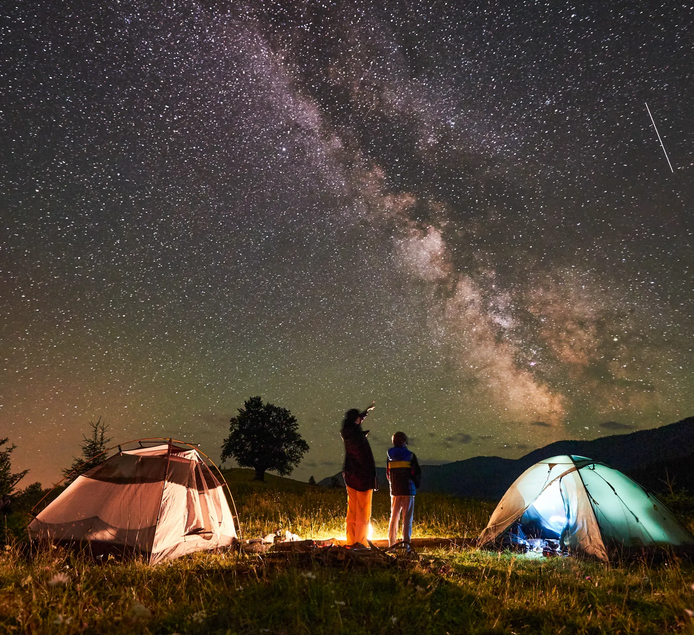
This picture is from the first stop after the ferry. It’s a campsite called Fukiagehama (https://maps.app.goo.gl/xdmmoFyXmHKB42cG6) on Awaji Island. This was back in July - peak summer in Japan. I got some food from the Konbini on the way, so this is definitely not hardcore camping lol. Watching the sunset, reading a book, drinking some strong zeros, the experience was amazing. Until night came and it was time to sleep. There was almost no wind on this site as it’s well shielded, so the humidity was crushing, I was very sweaty and it was hard to fall asleep, thankfully I packed some Melatonin and the alcohol also helped.

Amenities on the campsite were okay, although showers and toilet were a bit unmaintained. It was a good experience, but did not hook me or make me excited yet about camping (that happens tomorrow). Woke up at 5 am the next day with the sunrise, set everything down and made my way to my next destination…

Bonus pics, wide shot and ferry ride:

0

Strutture di assistenza residenziale: una panoramica sulla salute e sicurezza

preview

Strutture di assistenza residenziale: una panoramica sulla salute e sicurezza
@lavoro
https://www.puntosicuro.it/sanita-servizi-sociali-C-12/strutture-di-assistenza-residenziale-una-panoramica-sulla-salute-sicurezza-AR-26916/
Una relazione dell’Agenzia europea EU-OSHA offre una panoramica completa della sicurezza e della salute sul lavoro presso le strutture di assistenza residenziale. Focus sulle criticità e sui rischi principali.

0

Dormice 'thrive' at Killerton National Trust site in Devon

BBC News Dormice 'thrive' at Killerton National Trust site in Devon www.bbc.co.uk
preview

cross-posted from: feddit.uk/post/58147974

Habitat work and a monitoring scheme have helped hazel dormice thrive at a National Trust site, despite declines elsewhere, experts have said.

Killerton National Trust has 100 nest boxes across its estate in Devon. Rangers weigh and record details of each mouse between April and October.

The trust said the animals “continue to thrive” in the area - a sign it was “doing something right” by creating a “healthy, diverse and well-connected habitat for wildlife”.

0

Charity wants Thames Valley bee, bird and butterfly population boost

BBC News Charity wants Thames Valley bee, bird and butterfly population boost www.bbc.co.uk
preview

A charity wants to raise £70,000 for a project aimed at boosting wildlife populations on farmland in the Thames Valley.

The Berkshire, Buckinghamshire and Oxfordshire Wildlife Trust (BBOWT) said the money would form part of its Nature Recovery Fund and would be used to tackle falling numbers of birds, bees and butterflies.

The trust said farmland bird populations had fallen by 63% since 1970, while half of the UK’s 27 bumblebee species were in decline.

0

Dormice 'thrive' at Killerton National Trust site in Devon

BBC News Dormice 'thrive' at Killerton National Trust site in Devon www.bbc.co.uk
preview

Habitat work and a monitoring scheme have helped hazel dormice thrive at a National Trust site, despite declines elsewhere, experts have said.

Killerton National Trust has 100 nest boxes across its estate in Devon. Rangers weigh and record details of each mouse between April and October.

The trust said the animals “continue to thrive” in the area - a sign it was “doing something right” by creating a “healthy, diverse and well-connected habitat for wildlife”.

0

Dormouse numbers may be helped by warmer summers - survey

BBC News Dormouse numbers may be helped by warmer summers - survey www.bbc.co.uk
preview

Dormouse numbers may be recovering in England and Wales after years of decline, offering a rare piece of good news for one of our best-loved mammals.

The animal has disappeared from much of the countryside with conservationists warning of a long-term collapse in its population.

However, new data suggests dormouse numbers increased between 2020-2025, a period that coincided with warmer springs and summers.

0

🏔️ 🥾

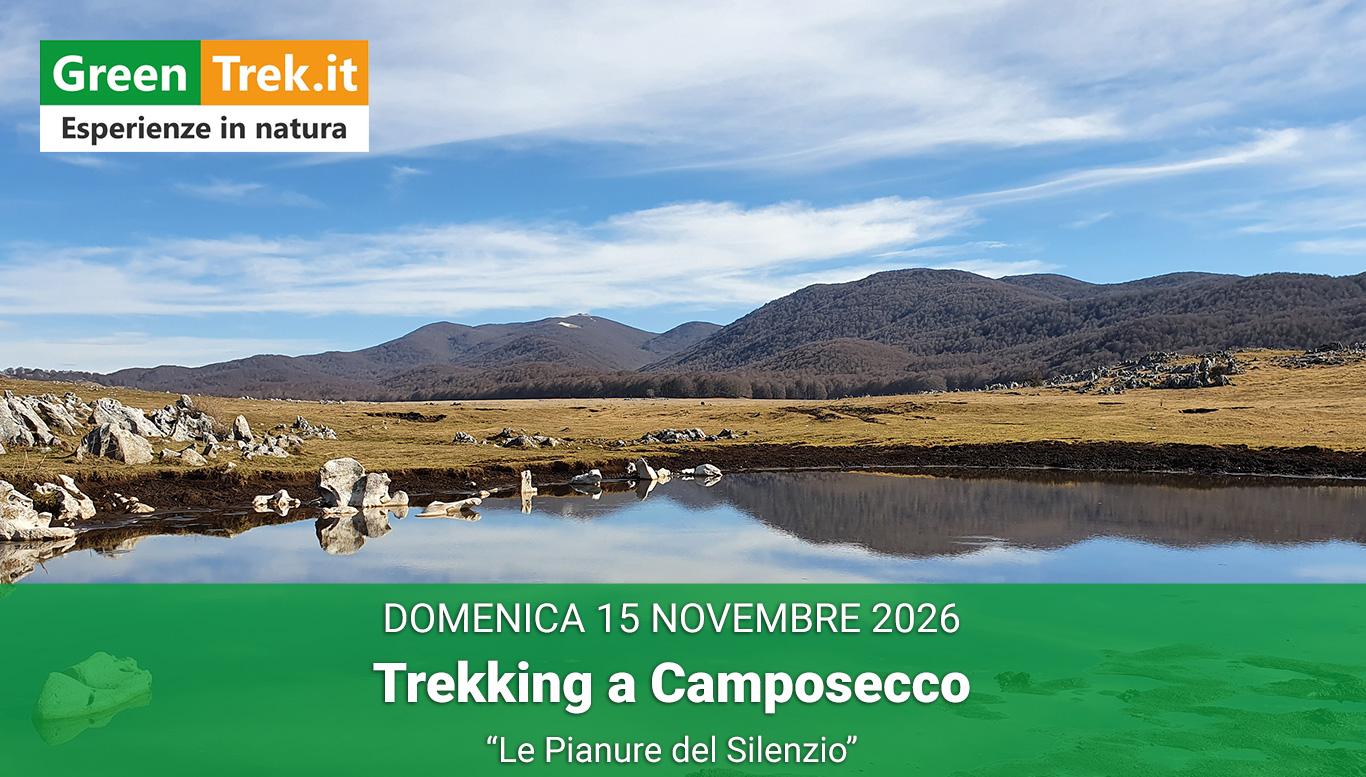
La piana di Camposecco
preview

🏔️ 🥾

𝗘𝗦𝗖𝗨𝗥𝗦𝗜𝗢𝗡𝗘 𝗗𝗢𝗠𝗘𝗡𝗜𝗖𝗔 𝟭𝟱 𝗡𝗢𝗩𝗘𝗠𝗕𝗥𝗘 𝟮𝟬𝟮𝟲

𝗧𝗿𝗲𝗸𝗸𝗶𝗻𝗴 𝗮 𝗖𝗮𝗺𝗽𝗼𝘀𝗲𝗰𝗰𝗼 - “𝗟𝗲 𝗣𝗶𝗮𝗻𝘂𝗿𝗲 𝗱𝗲𝗹 𝗦𝗶𝗹𝗲𝗻𝘇𝗶𝗼”

La magica atmosfera dell’autunno, tra le meraviglie e i panorami di questa terra al confine tra #Lazio e Abruzzo.

Un’immersione nel silenzio, un antidoto contro lo stress e il caos della città.

𝗣𝗘𝗥 𝗜𝗡𝗙𝗢 𝗘 𝗣𝗥𝗘𝗡𝗢𝗧𝗔𝗭𝗜𝗢𝗡𝗘 𝗢𝗕𝗕𝗟𝗜𝗚𝗔𝗧𝗢𝗥𝗜𝗔
https://www.greentrek.it/escursioni/escursione-campaegli-camposecco/?mtm%5C_campaign=Mastodon-Escursione-Camposecco-15-11-2026&mtm%5C_kwd=Escursione-Camposecco-Link-Sito-15-11-2026

@Roma

#trekking #escursioni #ambiente #escursionismo #escursione #montagna #montagne #natura #camminare #parco #foto #fotografia #hiking #outdoor

0

Resgalning – resmål med kultur, historia och upptäckarlust

preview

Resgalning är en reseblogg på Nouw med tips om platser att upptäcka och upplevelser att fylla semestern med. Här finns bland annat Basel för den kulturintresserade, Kretas historia och Sibiu i Transsylvanien. Bloggens kategorier rymmer också mat, spa och weekendresor.

Ett lästips för dig som gärna kombinerar resandet med gamla stadskärnor, museer, lokal mat och en dos historia – och vill hitta idéer bortom de mest självklara resmålen.

0

Dopo il grande successo di ieri al Nuovo Cinema Aquila, Haile Gerima torna oggi ad accompagnare una nuova proiezione-evento del suo docu-kolossal sul colonialismo italiano in Etiopia.

Black Lions - Roman Wolves, locandina del tour di Haile Gerima.
preview

Dopo il grande successo di ieri al Nuovo Cinema Aquila, Haile Gerima torna oggi ad accompagnare una nuova proiezione-evento del suo docu-kolossal sul colonialismo italiano in Etiopia.
Si comincia tra poco, dalle 10, al Nuovo Teatro Ateneo della Sapienza di Roma, con la presentazione di Damiano Garofalo e Maria Coletti.
L’incontro imperdibile con il regista è previsto alle 20:30.
Da domani a Bologna, Milano e Padova.

#HaileGerima #BlackLionsRomanWolves

@Roma

https://news.uniroma1.it/09112026/_1000

0

First time my Yuzu produced ripe fruit! (In Belgium, no less.)

preview

Blame it on the hot summer… Lots of other staple crops had a disappointing harvest for me this year.


(Among other things) Made some Orangeat, tastes incredible:

Lemons lagging a bit behind. Also lots of fruit (and larger than usual, but not ripening yet. Wondering if I can just pluck them and let them ripen inside, in the warmth?

And lastly, this little fig came to us this year as a quite small seedling, and somehow already managed to produce some ripe fruit (albeit, not very sweet):


0

Manutentori antincendio: autodichiarazione per i 3 anni di esperienza

preview

Manutentori antincendio: autodichiarazione per i 3 anni di esperienza
@lavoro
https://www.puntosicuro.it/normativa-antincendio-C-87/manutentori-antincendio-autodichiarazione-per-i-3-anni-di-esperienza-AR-26915/
Chiarimenti operativi della Circolare VVF n. 22572/2026 sulle modalità di attestazione dei requisiti per l’accesso diretto all’esame di qualifica. Come utilizzare la dichiarazione sostitutiva ex D.P.R. 445/2000 per i tecnici e indicazioni per RSPP.

0

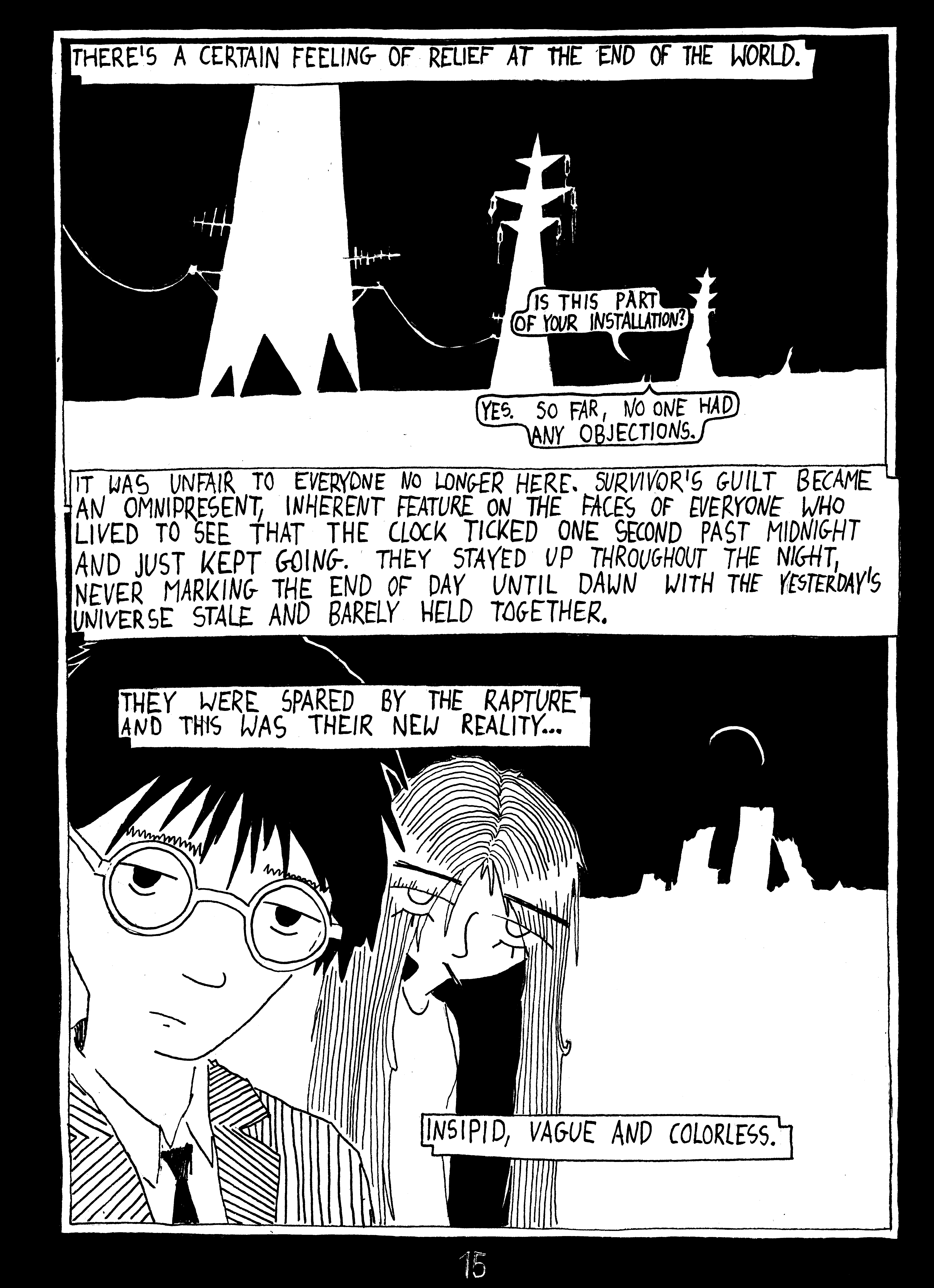
Entropy’s Rotoscope Issue II [page 15/24]

there's a certain feeling of relief at the end of the world.  zalma: is this part of your installation? ian: yes, so far no one had any objections.  it was unfair to everyone no longer here. survivor's guilt became an omnipresent, inherent feature on the faces of everyone who lived to see that the clocked ticked one second past midnight and just kept going. they stayed up throughout the night, never marking the end of day until dawn with yesterday's universe stale and barely held together.  they were spared by the rapture and this was their new reality... insipid, vague and colorless.
preview

next page tomorrow

full comic: kamiokan.de/entropysrotoscope/issue2

all issues: kamiokan.de/entropysrotoscope

RSS: kamiokan.de/entropysrotoscope/rss.xml

draw me something if you like this.

CC0 / Public Domain

if you have ever donated me money, you can have your nick/name on the last page of printed version of thiss, just send me an email (er2 <at> kamiokan <dot> de) with nick you want to be printed and info how did you donate (i won’t be checking that, just don’t lie ok.)

0

#46 - Une activité physique de prévue cette semaine ?

preview

Hey les ptits loups !

Alors, qu’est-ce que vous prévoyez cette semaine pour faire chauffer ces petits muscles et faire pomper ce petit cœur ?

Souvenez-vous, aucun effort est trop petit, aucune motivation est trop faible. Même le plus petit des objectifs est un grand pas vers une meilleure forme.

Et une petite photo de l’exploit ou de l’environnement dans lequel vous avez réalisé votre activité est toujours appréciée !

Bonne semaine !