0
0


First Lawsuit Filed Against Washington Anti-Trans Ballot Measure, Days After The Election
www.erininthemorning.com
preview
The lawsuit is brought by several legal groups, parents of trans and cis kids, and the largest teachers union in the state.
The lawsuit is brought by several legal groups, parents of trans and cis kids, and the largest teachers union in the state.
0

Inside Climate News
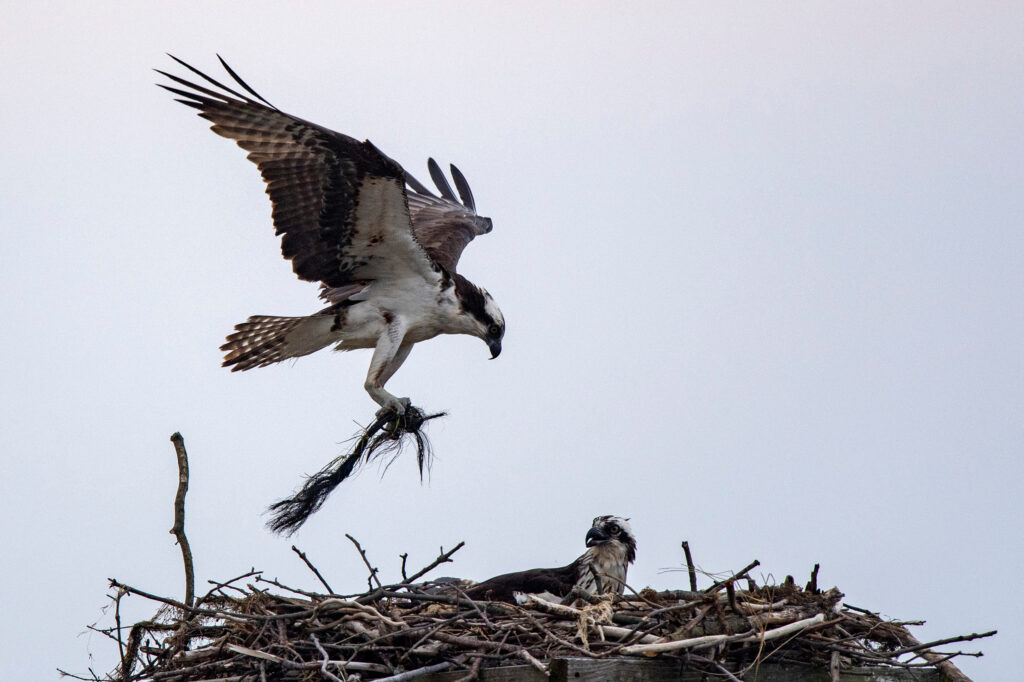
Chesapeake Bay’s Osprey Population Is Falling. Is Its Food Supply a Factor? - Inside Climate News
insideclimatenews.org
preview
Last month, a collection of recreational fishers and charter captains filed a petition to Commerce Secretary Howard Lutnick, calling for the prohibition of industrial menhaden “reduction fishing”—when catch is processed into fishmeal or fish oil rather than for direct human consumption—in the New York-New Jersey Bight. They warned in a press release that “the region’s fall fishing season and coastal economy are at risk,” and demanded permanent protections from May to December annually.
“Healthy fisheries are the backbone of our coastal economy, and those fisheries depend on [menhaden],” said Phil Sciortino of Tackle Box Fishing Co. in a press statement. “When industrial vessels remove massive quantities of these fish, the consequences ripple through our communities.”
Though Virginia is the only East Coast state that permits menhaden reduction fishing within its three-mile state waters, anglers in New York and New Jersey are far from the only mid-Atlantic residents calling for a change to fishing in federal waters, where menhaden fishing is currently allowed from three to 200 miles offshore.
Two Maryland Democrats, U.S. Sen. Chris Van Hollen and U.S. Rep. Sarah Elfreth, called last month for the regional fisheries commission to prioritize an ecosystem-based management approach to protect menhaden populations.
0
preview
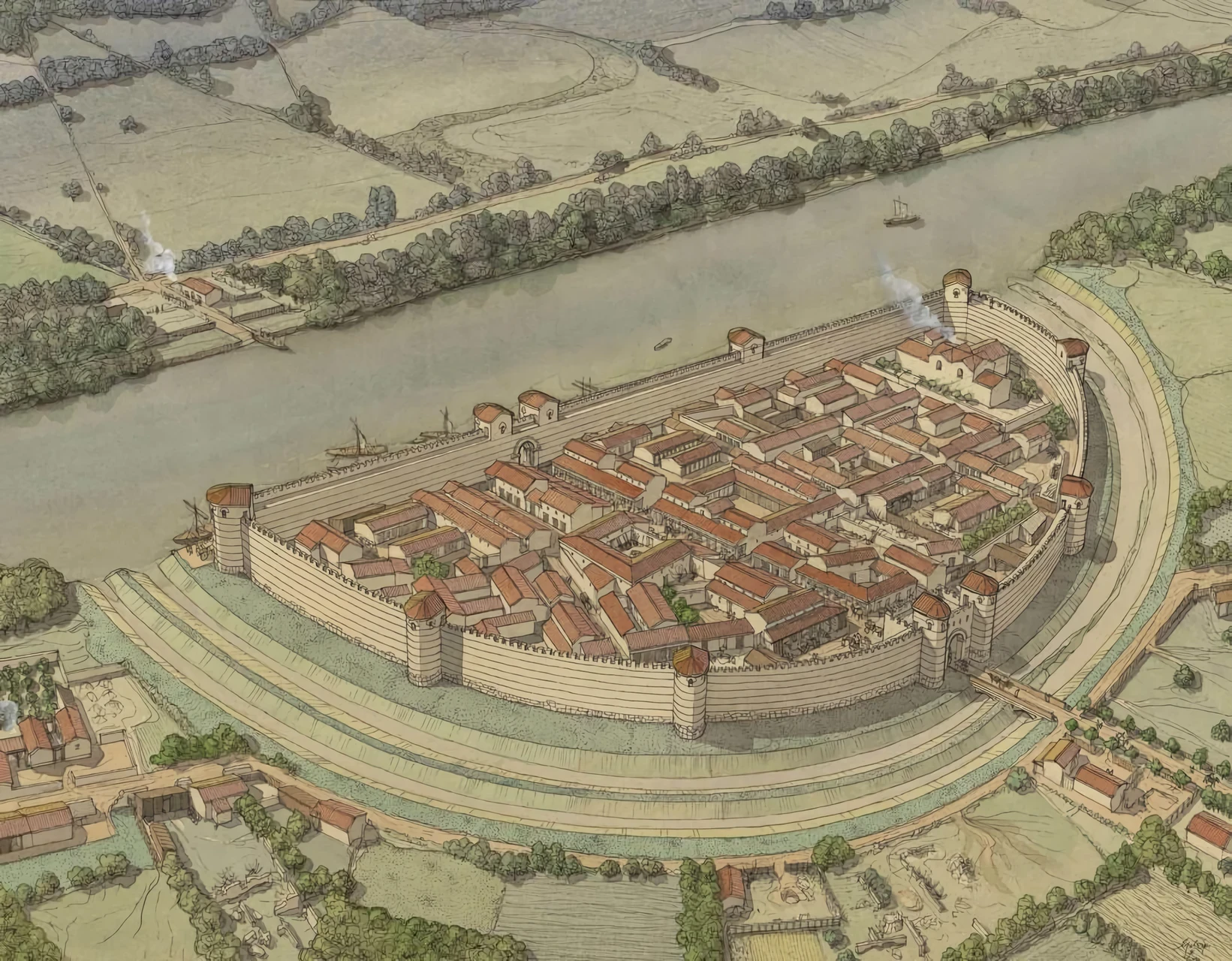
Author and source is Jean-Claude Golvin:
https://people.unil.ch/cedriccramatte/files/2013/10/IAS-MAN-02871-3.jpg
https://jeanclaudegolvin.com/en/gallery/epomanduodurum-mandeure-the-castrum-of-the-late-roman-period/
I’ve upgraded the art via Waifu2x. Thanks to u/dctroll_ for this text:
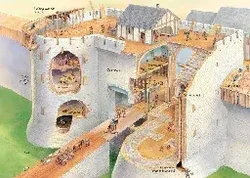
The castrum of Mandeure was located in present-day Mandeure, in the French department of Doubs, next to the Doubs River, in the southwestern part of the ancient city of Epomanduodurum. Its construction began shortly before the mid-4th century AD, but the works were interrupted by the Alamanni invasion of AD 352 and later resumed and strengthened from AD 364, during the reign of Valentinian I. The fort covered approximately 1.5 hectares and had a distinctive bell-shaped layout. Its walls, which were up to about 4 metres thick at the base, were reinforced with semicircular and quadrangular towers.
Its strategic position along the Doubs River allowed it to control important communication routes and the supply of the military frontier along the Rhine. Archaeological evidence, including materials associated with the Legio I Martia, indicates a significant military presence. However, the castrum probably also had a civilian function and gradually became the new centre of Mandeure’s population during Late Antiquity.
0


0


ESPN
Trade: The Raiders are trading QB Kirk Cousins to the Vikings,... - ESPN
www.espn.com
preview
YESSSSSSSSS
YESSSSSSSSS
0
PBS News
WATCH: House rejects preliminary vote on Hegseth impeachment
www.pbs.org
0

preview
Il nuovo video di Pasta Grannies: youtube.com/shorts/E3hfty37H98
@cucina
youtube.com/shorts/E3hfty37H98
Il nuovo video di Pasta Grannies: youtube.com/shorts/E3hfty37H98
@cucina
youtube.com/shorts/E3hfty37H98
0


0

preview
Decidim - A digital platform for participation and community governance.
Some interesting panel discussions and presentations, mostly related to digital privacy, freedom, democracy and empowerment.
Decidim - A digital platform for participation and community governance.
Some interesting panel discussions and presentations, mostly related to digital privacy, freedom, democracy and empowerment.
0


preview
I visited the homepages of the 14.8 million sites in Google’s Chrome UX Report in October.
I thought jQuery would be dead, but it’s still on 53.7% of sites, and it seems to be tied quite tightly to the platform. Webflow puts it on 97.6% of its sites, WordPress on 84.9%. For contrast, React is on 10.6% of sites.
jQuery helped me get into web development, and I guess it still gets the job done even if redundant with browser standards these days…
0


preview

Left over biscuits and yesterday’s pork chop with some quickled onions & jalapeños.
Left over biscuits and yesterday’s pork chop with some quickled onions & jalapeños.
0
Inside Climate News
The Scientists Fighting to Help Wildfire Survivors Heal - Inside Climate News
insideclimatenews.org
preview
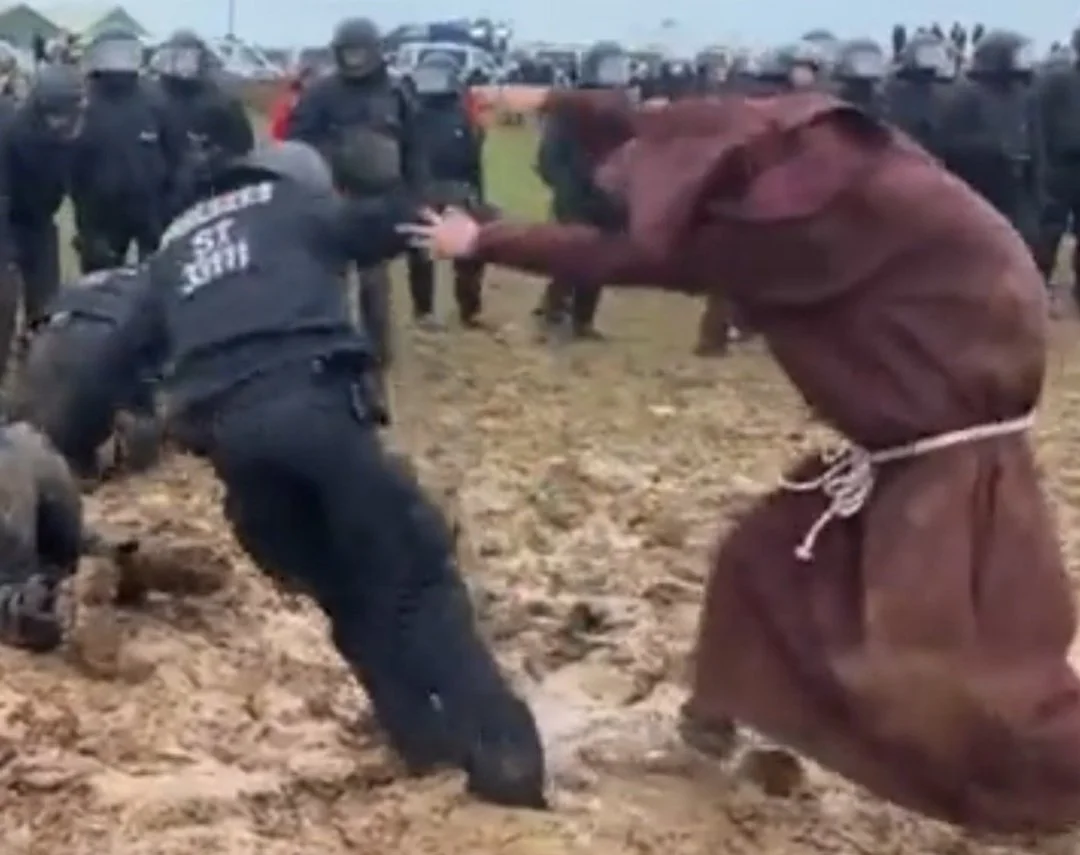
Maunakea knew the next disaster was just around the corner. He believed Maui could adapt and offer a model to the rest of the world for building resilience to the steep challenges climate change brings.
Maybe, he thought, that would be the ultimate lesson from the study: that documenting and addressing health inequities in the wake of a disaster helps communities withstand what they cannot escape.
Toward the end of the day, more survivors arrived without appointments after hearing about the study from family and friends. By closing, he estimated the team had turned away more than a dozen new people, taking down their names in case funding came through. Maunakea met people that weekend who said they’d known about the study for several years but hadn’t felt ready to participate until now. It hammered home to him how crucial it was for their work to go on.
0

0
Inside Climate News
COP31 Meets the Overshoot Era - Inside Climate News
insideclimatenews.org
preview
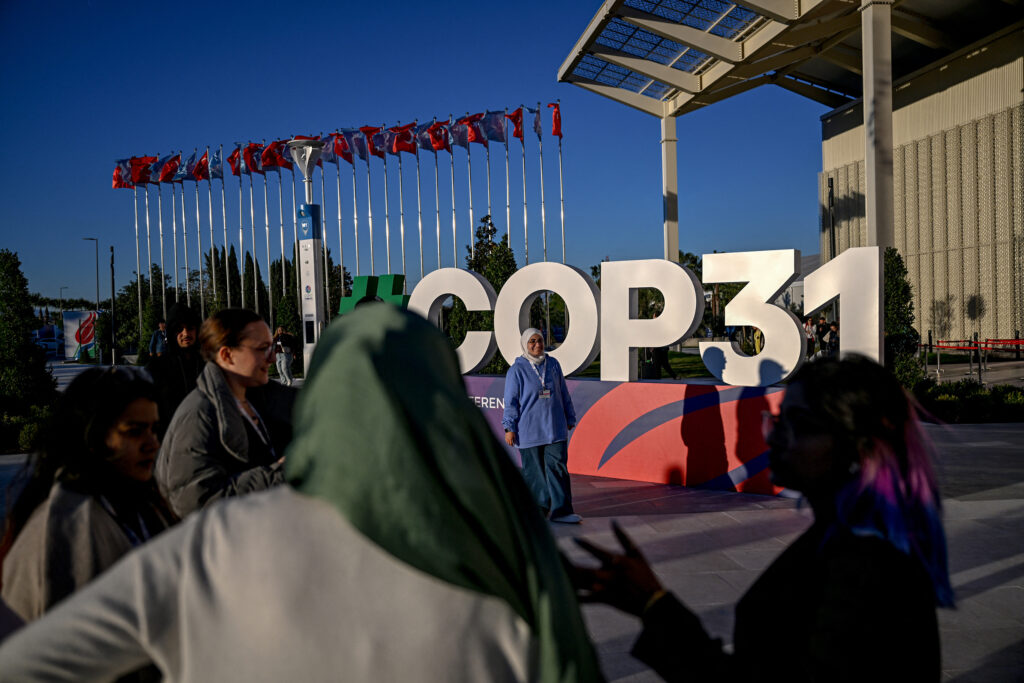
UK climate minister Katie White told Carbon Brief the latest science is “really scary.” Asked about the cut to its climate finance for developing countries, she acknowledged the money falls short of what’s needed and pointed to new financing tools, such as Brazil’s proposed rainforest fund. The fund was developed to help guide countries to halt and reverse deforestation by 2030.
see related interview with Katie White carbonbrief.org/uk-climate-minister-katie-white-c… …
In other words, the overshoot era is not a reason to spend less. It’s the invoice for having spent too little.
0


0


0


Conservation news
Tens of thousands of orchids saved from road development in southern India
news.mongabay.com
0
Terra Cultura
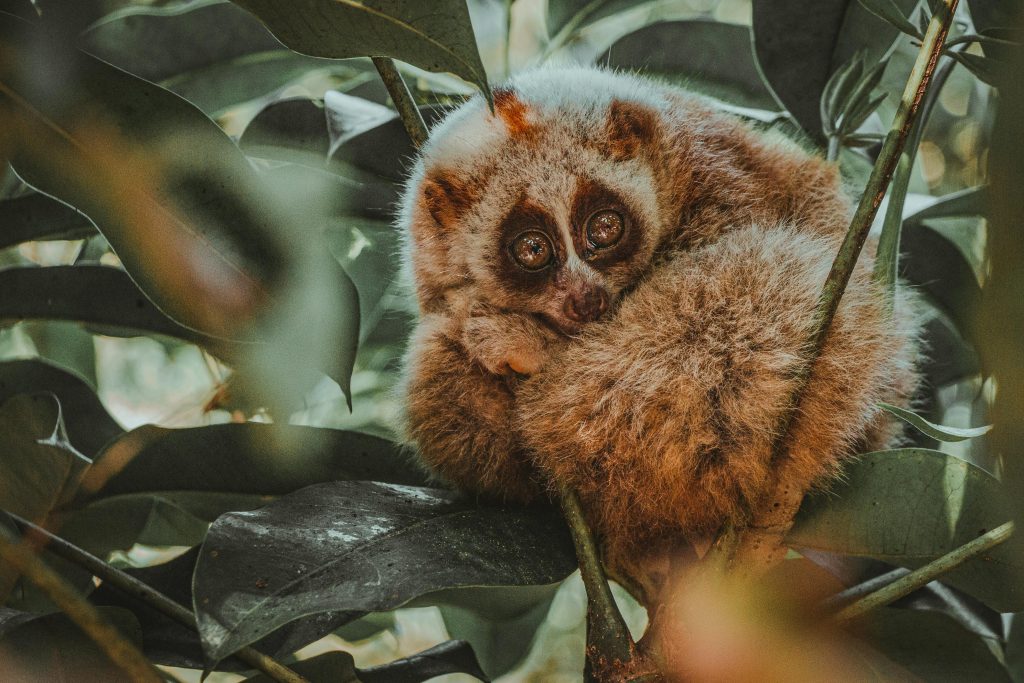
Bangka Slow Loris Rediscovered in Indonesia After Nearly 90 Years
terra-cultura.com
preview
Confirming the Bangka slow loris is alive represents an important step. Yet the study leaves several questions unanswered. Researchers still need reliable population estimates, information about habitat connectivity and genetic evidence to clarify the species’ relationships with other slow lorises. The survival of released animals also requires closer monitoring.
The study recommends a coordinated conservation programme combining habitat protection, population surveys and carefully monitored releases. It also proposes a conservation breeding initiative to support future research and protection. These measures remain recommendations rather than evidence that the species is recovering. Much will depend on how effectively Bangka’s remaining natural forests can be protected.
The rediscovery has brought international attention to an animal largely overlooked by science. Whether that attention leads to lasting protection remains the more important question.
see related post for synergistic good newsness https://lemmy.ca/post/73431279
0
Conservation news
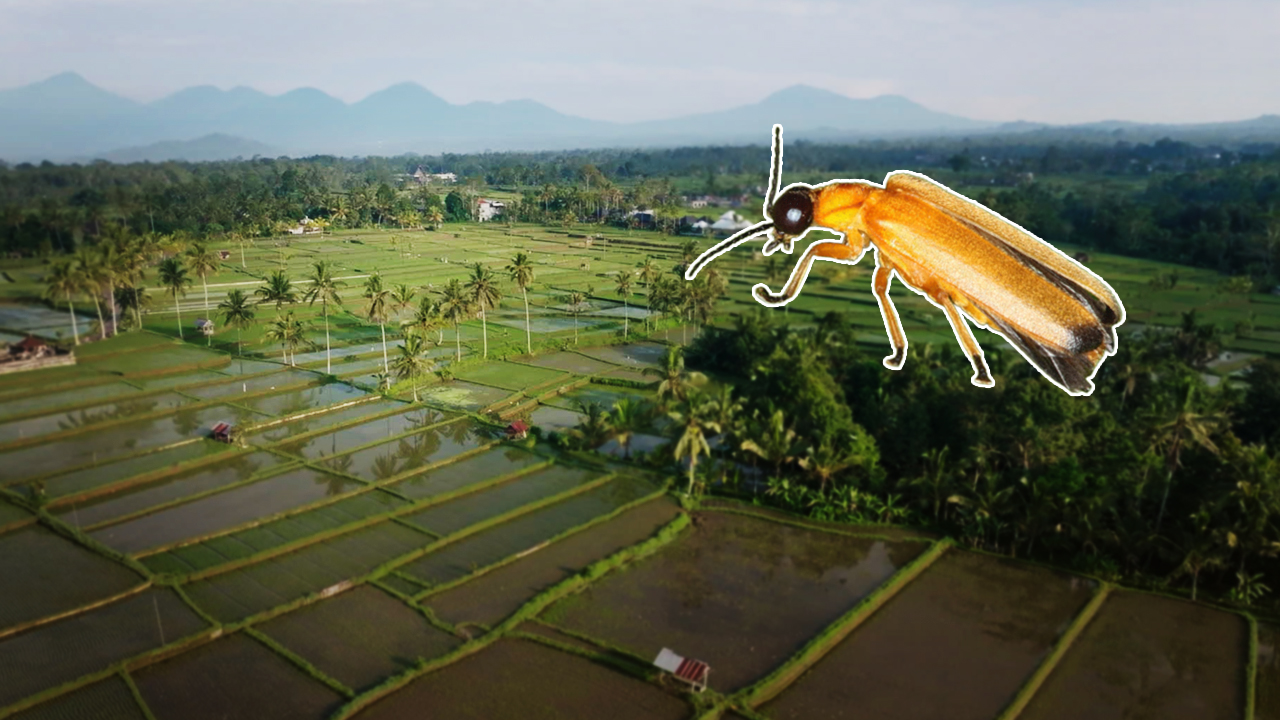
A plan to save Bali's lost fireflies
news.mongabay.com
preview
BALI — Indonesia. Wayan Wardika used to see “clouds of fireflies” as a child growing up among the rice fields of Bali, Indonesia. But 40 years later, he realized that the fireflies in his village had all but disappeared.
Fireflies in Southeast Asia are vanishing due to habitat loss, light pollution, pesticide use, and climate change—and the same is happening in rapidly developing Bali.
Which is a loss for us all, as fireflies are both ecologically and culturally significant.
In 2020, Wayan decided to bring the fireflies back, by launching Indonesia’s only firefly conservation initiative called Bring Back the Light. He and his small team of scientists focuses on breeding fireflies to return to the wild.
also see article terra-cultura.com/wayan-wardika-bringing-back-the…
0


Conservation news
‘You need strong willpower’: IUCN’s Kazi Zenifar Azmiri on being a woman wildlife biologist
news.mongabay.com
preview
I must mention one particular activity. Every year, we rescue Himalayan vultures [Gyps himalayensis], which are migratory, and release them after winter. The Himalayan vultures that come to Bangladesh are usually juveniles. As they travel long distances, when they land, they can be vulnerable. Some fall into trees and injure themselves on the sharp stalks. Others land in open areas, where people gather around them and sometimes capture them. Some are also killed by hunters. When we receive reports of injured or vulnerable vultures, our network of volunteers helps us rescue them. Once they have recovered under our volunteers’ care, we generally release them in late March or early April. As part of this work, we invite local people to watch the releases and organize small awareness activities.
That’s one of the most interesting and enjoyable parts of my work: interacting with local people, especially students and schoolgirls. They are often surprised to see me working in the field and to see how I work and interact with them. I really enjoy those interactions.
0


Yahoo News Canada
Lauren Boebert projected to lose seat
ca.news.yahoo.com
0


9to5Google
Google Pixel Tag Initial Review: The gold standard for Find Hub trackers, whatever that’s worth
9to5google.com
0


WIRED
Scientists May Have Discovered a Massive Starless Galaxy
www.wired.com
preview
‘may’ be clickbait. just speculation about dark matter, because it’s ‘dark’ I suppose.
‘may’ be clickbait. just speculation about dark matter, because it’s ‘dark’ I suppose.
0
WIRED
Scientists May Have Discovered a Massive Starless Galaxy
www.wired.com
preview
‘may’ be clickbait. just speculation about dark matter, because it’s ‘dark’ I suppose.
‘may’ be clickbait. just speculation about dark matter, because it’s ‘dark’ I suppose.
0

Conservation news
'Stringing me along': After 7 years, trial in Indigenous forest guardian killing delayed again
news.mongabay.com
0

preview
Everybody watches some TV
My grandfather was a carpenter. I always thought that was why so many things in our house were made of wood. Or even beyond that, why so much of the living room was filled with things that were handmade. My mother’s paintings covered the walls. Small wooden animals that my father had carved filled the shelves of the old, empty bookcases. All furniture was either inherited from grandpa, or made by one of my parents. Even the carpets and curtains were bought in second-hand shops and looked distinctly hand-made.
When I went to friends’ houses, there was much less clutter. The same amount of space—if the friend lived in my building and his family had the same type of apartment—would look far larger, more open and more light. Where we had old, bookless bookcases, they had bare walls. Perhaps a single digital frame showing some carefully selected art.
I was most impressed, of course, by the great technological wizardry in their houses. I could marvel at things they took for granted. I remember especially the television of a new friend, I think his name was Tom. It almost filled the entire wall. A razor-thin sheet of what looked like shiny metal. When I came in, it was playing a simple demo: a drone shot of bright green, rolling green hills under a cloudless sky. As the drone flew over the brow of a hill, a rainbow-colored hot-air balloon suddenly appeared. The effect almost made me topple backwards. My friend ignored the screen completely. I tried to hide my astonishment and joy at such a vivid display of colors. I was acutely aware that I should try to hide any excitement, but Tom seemed to notice anyway. “You think that’s cool, here look at this.” He ordered the TV to open the curtains, which had until then been drawn. He pointed out to me that the brightness of the screen adjusted automatically. We spent the afternoon playing through his library of video games. He mostly played; different ongoing stories that I couldn’t follow. I was happy just to watch the images.
Back at home, I looked at our television. An old 32 inch one. Second-hand. In theory you could speak to it, but half the time it didn’t understand. And my parents hadn’t bothered to get it installed properly. It couldn’t be used to draw the curtains or turn on the light, even though the lights and curtain rods were all smart and connected. When you made a command in the right tone of voice they all responded separately. If you said “draw the curtains”, the TV and light switches and wall plugs would all respond that they couldn’t find the curtains, and the curtains would respond that the motor was jammed. Mostly nobody ever spoke to the house in our apartment.
The television was placed in a recess in one of the old bookcases. My father had installed some wooden panels that he drew shut when we weren’t watching it. When I was very young I often told my parents excitedly about all the technology I’d seen in my friends’ houses. I asked whether we could get that kind of TV or game system, or sound system too, and my parents would usually smile and say “maybe when you’re a bit older”. As I grew older I began to draw my own conclusions. In fact it was Tom, who triggered that first kind of realization that you get as you enter puberty, and you become aware of your parents as people. “Maybe your parents are, you know, not so rich” he said. He was courteous enough to couch his terms. Probably he knew, and his parents knew. I was the only one that hadn’t put two and two together.
From then on I stopped bothering them about new TVs or phones or smart home networks. I knew it wasn’t easy to raise a child when you’re poor, and I didn’t want to make things difficult for them. I would just enjoy the TVs and other toys at my friends’ houses. And I would make sure that I wouldn’t be poor when I grew up. I would get a good job, like Tom’s parents who were lawyers, and I would buy myself a good TV when I was older. And I would buy my parents anything they wanted.
It’s not that we never watched TV. In fact, my parents were pretty religious about their routine. They’d watch the news every day at eight and on every workday, it would be on at breakfast. Occasionally my mother and I would watch one of those channels that show older movies without too many ad breaks.
We would rarely have the TV on without watching it. In the background, while we were doing something else. At Tom’s house the TV was always showing something. Tom explained to me once that the TV was smart enough to understand what was going on in the house. If it saw that Tom was studying, it could lower the volume, or play some instrumental music. There was never any need to turn it off. The smaller TV in his room, which connected to the larger one in his living room, didn’t even really turn off when he slept. It just slowly lowered the light intensity, and showed some starscapes, or night time nature scenes.
After that, I would occasionally keep our TV on while I studied, or played with my toys. My father didn’t like it. He would turn it off, and close the cabinet doors. He said I should not do two things at the same time.
I sometimes asked him whether he would prefer it if we had no TV at all. After all, he only watched the news and he got that from the newspaper as well.
Come to think of it, they never watched TV the way my friends’ parents watched TV. There, they often talked over the programs, especially the news. I remember Tom’s father would get very animated. We would be playing games in his bedroom, but we could hear him ranting in the living room. “They should shoot the lot of them. Let me prosecute, I’d get some justice. Hell, let me defend them. I’d be happy to grease the wheels a little.” And then he would laugh. There were a lot of terrorist attacks in those days. Pretty brutal stuff. Faktion AF were the worst. They would kidnap police officers and government workers, and often kill them in terrible ways. Sometimes they would bomb government buildings or internet exchanges. I never saw that in person, although I did occasionally see an autovan on fire.
Anyway, my parents didn’t respond to the news like Tom’s father at all. They just sat there quietly, watching. My mother would occasionally say “How terrible”, or “Those poor people”, but that was it. At times I found myself echoing Tom’s father.
— Why doesn’t somebody do something? Surely they can track the terrorists? Can’t they listen in to their conversations? Through their TV, or phones?
— I’m sure they did, in the early days, dear. But the terrorists are evil, not stupid. They would soon stop planning their attacks near TVs or phones. They might not even get TVs or phones. They mostly seem to hate technology.
— But then you can just find people who don’t have TVs. There can’t be that many?
— Some people might just not like TV very much. And anyway, for a terrorist, it’s not much trouble to just buy a TV if that keeps him above suspicion?
My father chimed in.
– How would you do it, sport? If you were one of the terrorists? And you really wanted to stick it to the government?
– Henry! That’s a terrible thing to say!
– Oh come on, it’s just a thought experiment. The police must do it all the time. He may have a future in the force. Would sure make me proud.
I thought for a while.
– Well, they said in school that the police have all sorts of clever logarithms.
– Algorithms, dear.
– Right, algorithms. So it wouldn’t be good enough to just buy a TV. You’d have to watch it too. In fact there wouldn’t be many places at all where you could make a terrorist plan. The autovans and the smart lights can listen in from the street if they need too.
– They’d need a warrant for that. We do have a justice system. The AI judges won’t just let them listen in on anyone.
– My teacher said they give out 5 million warrants per day.
– Of course, but the AI judges are pretty strict. There must just be a lot of stuff that requires further investigation.
– Maybe they go out of the city?
– You need a permit for that. Not for nothing. It would be very easy for anybody to plan a terrorist attack if you could just go anywhere willy nilly.
I was stumped. I couldn’t figure out how they were doing it.
– Not easy is it, sport? If you join the police force, you can learn all about it. How they plan stuff right under our noses. I bet it’s all secret codes and stuff.
– People can’t come up with codes that computers can’t crack dear. I bet they have secret spots where the surveillance is weak. It just baffles me that people can be so clever about such things and yet be so brutal to each other.
We were all quiet for a while. Then my father told a story of a terrorist from his father’s youth. It was a man who didn’t like the city much. He was very clever and knew a lot about technology, he just didn’t like the way it was being used. He wanted to live in nature, like people used to long ago. In those days, you didn’t need permits for that sort of thing, so he just packed up, quit his job and left.
For a long time he lived peacefully by himself in nature, in a little cabin. His favorite spot was far away from even his cabin in the middle of nowhere. To get there he would have to walk for days, and sleep under a tarp. But when he did get there it was all worth it to him. Just to be in that spot for a bit, he went through all that trouble.
Then, one day, after trekking through the wilderness for days, he didn’t find peace and quiet. He saw a construction crew. They were building a highway, right through this place.
After that he went on a terrorist campaign. He sent bombs to government buildings and killed a lot of innocent people.
All of that over a simple road. You’d think he could find some other place of natural beauty. Nature enough, right? Some people just don’t like progress, I think.
Anyway, whenever I asked whether he would prefer to have no TV at all, he’d answer with a distinct sigh in his voice. “Well, everybody watches some TV.” That was always the answer. Sometimes quite insistent, which sounded odd. In fact the whole phrase seemed a little odd. It didn’t really answer the question, I thought.
My father did repeat himself a fair bit. Especially with one story. Not even a story, really. Did you know, he would say, that before people learned how to properly make fire, there were tribes who would just carry it around? They would only find fire on very rare occasions, like in a yearly season of bush fires, or after a lightning strike, and they didn’t know how to make it. So, it was very special to them. They wanted to keep it alive, but they were nomadic, so they also needed to walk long distances.
So what they would do, was to take a few glowing embers, and to pack them very carefully in damp grass. Then they would wrap the whole thing in leaves. And if they did that just right, and added some coals every now and then, the embers would keep glowing for hours and hours. And then they would start a new fire with them at the end of their trek and repeat the whole exercise the next time they moved.
Can you imagine, he said, a fire, reduced to a tiny glowing coal, wrapped in leaves, glowing in the dark, throughout the day. Carefully being kept alive, until the time is right.
The first time he told that story, I was suitably impressed, but pretty quickly I became irritated by how often he told it. Seemingly forgetting that he had told it before. But how could he forget, I thought. How could he repeat the same story so often, and not realize that we’d heard it a million times? My mother would even tease him about it, sometimes. I think that’s beautiful, he would say at the end. Or, there’s an important message in there somewhere, don’t you think?
My favorite memory of those times was the holiday. We went on holiday every year, for two or three weeks, just like everybody else, but most years, we would go to resorts. By the beach, or in the entertainment district of some city. But one year my parents asked for a permit to go on holiday outside the city. We were going to go camping in the middle of nature. In a place so far from the city, you could probably not even get a cell phone signal. I was mortified of course, but I could tell that my parents were very excited to have received the permit.
It’s kind of a silly thing to do, my mother kept saying. It’s not something people normally do. She seemed quite obsessed with that, how other people behaved. Whenever we did something a bit out of the ordinary, she would go on and on about it. This is a little strange, this is a bit odd. She seemed not to mind things that were only just a bit odd. She would compare whatever we were doing to other people and if she could think of a handful of people who were doing the same sort of thing, she would say that it was probably fine.
We drove for hours. At first I noticed that the smart streetlights were getting more sparse. You can tell, because the smart ones have a fatter base, for the batteries. In places like the entertainment district, they’re all like that. They say they can track everything so accurately, they will know you’re having a heart attack before you feel anything. Sometimes the ambulance gets there before you know anything is the matter. Anyway, as you get farther outside the city, where there are fewer people, sometimes only one in ten street lights is really smart. Some of them have some lighter sensors, and some of them are just plain old lights. After many hours, even those were spaced quite far apart.
The permit was for a camp site, but we never reached that, even though we drove much longer than my parents had said we would be driving. We’ll just camp here, my father said, it’s getting dark. Nobody could complain about that, he said to my mother. He drove the car off the road to a secluded spot. I saw my mother give his arm a little squeeze.
We set up in the dark, by torchlight. Dad insisted we walk a little bit away from the car. I think we walked for almost an hour. We took two little tents that had belonged to grandpa and grandma. They were very light. Dad said that in those days, people would sometimes walk into nature, carrying everything they needed on their back. Didn’t they have cars, I asked, but he just laughed.
In the morning we packed up and walked on. They had decided, before I woke up, to have a holiday like grandma and grandpa used to have. Dad would teach me all about the way they used to holiday. We would have to dig latrines, and find fresh water, but we had everything we needed, they insisted. Dad even had a kind of portable shower that was not much more than a little bag you could hang up. He said he could warm the water up on the small camping stove he’d brought, so we wouldn’t need to shower cold.
He’d taken our phones and put them in a little bag, to keep them dry. He put the bag inside a small pot, and secured the lid with straps. We won’t get a signal out here anyway, he said. I complained that I could still play games, but he wouldn’t let me have my phone. We never even took them out to use that pot to cook. Trust me, he said. You won’t get this chance again for a long time. You don’t want to be on your phone.
And he was right, though I would not have admitted it at the time. It took me a few days to get used to the seemingly arbitrary hardships my parents had chosen for us. Finding water, filtering it. Making fires, cooking and cleaning by hand. A large part of the time was taken up by simply keeping ourselves alive, and staying organized. But then, the rest of the time, I slowly began to experience a kind of peace that was entirely alien to me.
In part, this was probably the joy of being so immersed in nature. To stand on top of a mountain and to look out for miles, without seeing a single sign of another human being. Thousands of peaks fading into the horizon. In the city, there were buildings that made me feel small. Angry, ornate facades, that seemed to scream at me how insignificant I was. How much smaller I was than the institutions that had built such great palaces to stand forever. Here, I saw what true grandeur was. Every single one of these mountains was older than humanity many times over, and they were taller than any building in the city.
They too made me aware of my insignificance. It was nature at its most beautiful, and uncaring. It did not need to show me its teeth, it did not even need to acknowledge me. It made me feel very still.
My parents too became more relaxed. My father stopped calling me “sport” and my mother stopped ending every other sentence with “dear”. She made more jokes, some very sarcastic, almost biting. Usually at the expense of my father, Sometimes at my expense when I said something pompous. My father became softer, somehow. He listened intently when my mother or I were speaking, while he was always a little distracted at home. He took care of most of the cooking and the dishes, while he never did any housework at home.
We were never an unhappy family, but somehow, during those three weeks, everything seemed to fit together just a little better.
I had sixteen years of family life, and three weeks of that real, simple peace. I now think myself lucky for every day they let me have.
They came for my parents while I was away. That was probably calculated: there were many good reasons for them to separate me. I was at school. The head teacher who took me out of class looked at me as though she couldn’t decide whether to be worried for me or utterly disdainful. She wouldn’t tell me what was happening.
There were two tall men waiting in uniform. They looked like police officers, except their uniforms were dark gray rather than blue. I later learned they were a part of immigration services that increasingly dealt with domestic terrorism.
In between them stood a rather short woman. She had very bright blonde hair, and a lot of make up. She looked a bit like a news reader to me. One of the ones that quickly goes on to present an opinion program.
They were standing in front of the door to the sports hall. Inside, they’d placed a large table—the ones they use to collect the papers after a big exam. There were three teacher’s chairs on their side, and a student’s chair on mine.
The woman spoke, while the uniformed officers took notes and handed her files.
— Your parents have been detained. They are suspected of planning terrorist activities and of harboring terrorist sympathies.
I couldn’t think what to say. I couldn’t think what to think. She stared at me for a long time.
— That doesn’t bother you? You don’t have anything to say to that?
— I don’t think it’s true. It’s a mistake.
— We don’t make mistakes.
She opened a large folder.
— I have some of the evidence here. I’d like to go through it with you. I understand this isn’t easy for you, but the sooner you accept this, the simpler the process will be. These are mostly conversations we’ve recorded. Perhaps you can tell us what you remember of them.
It only occurred to me much later that my own future was being decided. They were investigating whether I shared my parent’s thinking. If so, I too would be detained. All I could think about, naively, was clearing my parent’s name.
— Here’s an early one. You were watching the evening news. This was during the rail strike. Your father told you about unions at the time of his grandfather. He says they were quite normal. That’s pretty blatant misinformation. Do you remember that?
— I guess so. Does that make him a terrorist?
— Of course not. This is a big dossier. We’re painting a picture here.
— Then how did you get that conversation? How did you get a warrant if nothing was wrong at the time?
I felt violated. I knew they could listen in through every device in our home, and often through autovans or smart lights, but somehow the revelation that they actually had done so, infuriated me.
— I think you’ve misunderstood the rules a little.
She said it with genuine bafflement. She was under no obligation to answer my accusations, and it was even a little unprofessional to do so, but I was showing such naivete, I think, that she couldn’t help herself.
— The devices record everything no matter what. That’s just how they work anyway. The companies use that data to train better software on, for the next model. They’re legally obliged too, but frankly they don’t need any persuading. What we need the warrant for, is to access the data. Once we get enough red flags from other sources, that’s a simple matter. At that point we just go back and trawl through the whole collection.
She leaned in a little.
— We know everything you’ve said. Inside your house. Inside your friends’ houses. Outside in the street. It really doesn’t matter.
— So what did they do? How can they have been planning anything? How could they do anything? What did you expect them to do, blow up a building?
— Is that something they talked about?
— No! I’m trying to explain how insane that sounds. It doesn’t make sense.
— We have a lot of evidence that says otherwise.
— What evidence? Show me what they were going to do.
— All evidence will be presented at trial. At this point it might be best for you to consider your own future.
— What do you mean?
— I mean that this is your chance to tell us what you know. You may be tempted to withhold things, to keep things to yourself, so you don’t incriminate your parents. I get that. It’s natural. But let me remind you, we have everything you’ve ever said on file. If you say anything now that’s inconsistent with this …
She patted the file.
— … that will be treated as lying to an officer of the law. Lying under oath if you do it in court. Listen, you’re young, let me give you some advice. You can’t keep all that straight in your head. We’ve got pretty powerful systems cross-checking everything you say against what we have in here. I don’t recommend trying to out-think them. You’ll trip up eventually and it won’t take long. The simplest thing to do is to tell the truth. Then all you have to do is recall what happened as best you can.
— The truth is that my parents aren’t terrorists.
— I see. Well, I hope you truly believe that. I’m afraid your home is a crime scene. You’ll be placed with a foster family for the time being. Officer Castor here will drive you there, and give you some more detailed instructions. For the time being, make sure not to leave the city, and make sure you’re available when we need to talk to you.
The foster parents homed six other kids. They were strict, but the other kids were far more trouble than I. They mostly came from the slums. Their parents were junkies and drunks, and often they were too. I did my best to keep my head down, and stay out of people’s way. There was one dark-haired girl, who was like me, whose parents had been accused of terrorism.
I thought initially that she might be a source of support or comfort. That she could help me figure out what to do, and maybe tell me what would happen. I was soon disabused.
— If you want my advice pinkie, you need to accept. Accept that your parents are terrorists. Killers. Evil. You’re lucky to get away from them. Get that? The sooner you stop holding on to them the sooner you can do some good in the world. Me, I’m gonna be an immigration officer. Find some more terrorists and lock them away. Maybe I can make up for what my parents did.
She had landed on the nickname pinkie for me. She never bothered to explain it.
I had expected bullying from the poor kids, from the rough neighborhoods, but they mostly left me alone. The dark-haired girl had that innate, cruel sense of weakness. She seemed to know precisely when I was at my lowest, when I needed to be left alone. And she would find just the things to say to boil my blood. Then I would shout at her incoherently, and she would laugh. The other kids didn’t seem particularly amused or interested.
The trial started almost immediately. A human judge, but with AI assistance permitted. That meant that the judge was sometimes absent from the courtroom, and the proceedings would be AI-led. That way, the judge could handle more cases.
I was not allowed to be there, but my parents’ lawyer would come by once a week to give me updates. He looked very tired. The other kids in the foster home were informed by email, so I knew he was making an extra effort, but there was rarely any real sympathy in his voice. He seemed to be doing what he knew to be the right thing, but with little real feeling for it.
One day, I came down and he was waiting in the kitchen for me. Before he noticed me, he was staring at the small light on one of the wall plugs. He didn’t say “hello kid” like he usually did. He didn’t tell me how the trial had gone since I last saw him.
He simply looked me dead in the eye, and said “you’re going to have to tesitfy.”
— When?
—Thursday. Probably around two. I’ll pick you up here at noon. No need to wear a suit. Just a shirt with a collar or something, no t-shirt. The judge will probably be there in person.
— What will they ask?
— Why do you want to know?
— Well, aren’t they going to twist my words or something, get me into a corner?
— Listen, it’s not like it is in the movies. You get asked a question, you answer truthfully. Make sure whatever you say is the truth. That’s the best advice I can give you.
He looked at the wall plug again.
— What if I say something that incriminates my parents? I mean they didn’t do anything, but what if I say something that somehow makes it worse?
— If they’re terrorists, nothing you can say will make it worse for them. The only person you can make things worse for is yourself. You lie, you go to prison. You tell the truth, you get to stay here. Look, whatever comes out of this case, your parents love you right?
— Yes.
— So they would want you to worry about yourself right now. Make sure that whatever you say is the truth.
He didn’t prepare me beyond that. We didn’t go through what kind of questions would come up, or practice how I should phrase my answers. I spent two nights lying half-awake, trying to come up with questions they would ask.
The truth was, I had never seen my parents do or plan anything illegal. The worst thing I could think of was the holiday. We had not stayed at the campsite like the permit required. My parents had told me that that was because they couldn’t find the campsite, and they needed to shelter somewhere. I had always suspected that my father had planned it that way all along. That he just wanted a few weeks of wild camping, like in his childhood. That would technically be illegal, although it would be unlikely to form the basis for a terrorism charge.
Still, we had spent three weeks out of range of any devices. We had locked our phones in a cooking pot. If people already thought that my parents were terrorists, that kind of trip would be just the place to plan an attack, to coordinate codes, even to train. I knew none of that had happened. Even at night, I could hear everything they were saying in their tent, when they thought I was asleep.
— Let me explain, first of all, what the charge is. That will make it easier perhaps, to understand where my questions are coming from.
I had expected the prosecution lawyer to be younger than our own, and perhaps to wear a nicer suit. An aggressive, rich lawyer, like you see on TV. In fact, he could have been our lawyer’s brother. He was equally tired and overweight, and his hair was just as white. It made sense in retrospect. Our lawyer had mentioned to me that he also prosecuted cases. He probably sent people like my parents to prison as often as he tried to keep them out.
— The charge is one of ideological terrorism. While we cannot prove that your parents were planning a terrorist attack, we can prove that they were sufficiently sympathetic to the terrorist cause to be capable of it. Do you understand what that means?
— I’m not sure.
— What aren’t you sure about?
— Is that illegal? Being sympathetic to terrorists?
— In extreme cases, yes. The law allows us to identify people capable of the worst of crimes in order to prevent those crimes. It’s not something we like to do, but the alternative is worse.
— The alternative seems to happen quite a lot still.
He stared at me briefly. He then started his questions. The first half hour or so was all very straightforward. All stuff the immigration service had asked me before a hundred times. Did I ever hear my parents planning anything? Was I aware of any illegal activity, and so on.
He then began to dig into the recordings. They were all conversations we’d had over the past sixteen years. Sometimes he’d play our own voices back to us. Sometimes he’d read out what we’d said, giving it an intonation that seemed entirely unnatural for us. Often I couldn’t remember the conversation at all. In those cases he’d move on pretty quickly.
One of the conversations was the one about the terrorist I mentioned earlier, whose favorite spot had been destroyed when people built a highway through it. He did his best to make my father sound sympathetic to the terrorist. He cut off the end where both my mother and father had condemned the terrorist bombings. I remembered very well how that conversation had ended, and I realized I had a chance to show to everybody how much he was twisting the truth. While he spoke, I practiced my exact phrasing. I would repeat what my father had said, verbatim, or as close as could get. It would have to sound like I was getting it exactly right.
I was expecting him to finish on a charge. To suggest that this history showed sympathy for terrorists. Something I could aggressively counter. But he undercut me, entirely.
— Certainly, these could be the words of an ideological terrorist, a sympathiser. But of course, if this had been all, your parents would have been caught much earlier. This was four and a half years ago. Why weren’t your parents arrested? Do you know how the conversation ended?
— Yes.
He interrupted me before I could give my pre-prepared answer. He read out what my father had said. He repeated the last line.
— Some people just don’t like progress. You see. Not the words of a terrorist sympathiser at all.
I was at sea. He seemed to be arguing against his own case.
— No, but of course, a terrorist would not speak openly about his convictions in a house full of smart devices. Tell me, do you think your parents love you?
— Yes, of course.
— And if your parents did hold terrorist sympathies, how do you think they would convey those sympathies to you? I mean, if they are loving parents, they would want to somehow raise you within their ideology, that would make sense, right?
— I suppose.
— So how to raise a child with a terrorist mindset? How to convey to a child that some simple roadworks is worth bombing a government office over, is worth killing over, when every conversation could be analyzed and red-flagged?
As he spoke, a cold realization began to move from the back of my head to the front and down to my lungs.
— No terrorist would long survive if they expressed their ideas so openly. No, the best a terrorist could hope to do is to seed their conversations with the ideas they wanted to convey. Tell a story, say, about a terrorist they sympathised with, and then say what was expected of him. Convey the ideas in how you tell the story, where you put the focus. And then simply say, “but of course that’s all terrible.” What takes hold then in a child’s mind? The brief mechanical condemnation at the end? Or the lovingly told story that came before it?
He read out more conversations. It was as though he was grabbing them directly from my head as my memory served them up. Each of them followed the same pattern. All the reasons for a terrorist attack carefully laid out. Always a brief coda to emphasize how terrible it all was.
My mind raced while I tried to keep my face impassive. Was he right? Could my parents be terrorists? If not actively planning anything, then at least sympathetic to violent, murderous acts? He kept asking questions, and I mostly answered that I didn’t know.
“And with that”, he said, after some preamble that I didn’t pay attention to, “we come to what must have been a rather special holiday for you.”
He walked us through the facts. What they could tell from the record. We had a permit to go to the campsite. There were people with satellite phones at the site, so they knew we never made it there. They knew where we parked. They knew in what direction we headed off from satellite footage.
He let me slip, in that moment. That’s the only way to put it. He had sent me into turmoil, he had me at his whim. And he overplayed his hand.
— So there we are. The family finally together, off grid. Free to discuss whatever they wanted to discuss. Free to teach you finally, what you needed to be taught.
He began to spin outrageous theories. That my parents came clean to me about their intentions. That they spelled it all out for me. What they planned to do, what their—our—codes were. That, perhaps, they even trained me in bomb making or combat.
It showed me the way through the storm. It showed me that this man was very right and very wrong. Behind him I saw the judge, and all the recording equipment, and readout screens for the AI assistants. I saw clearly now what my lawyer had meant. I was not here to defend my parents. They did not want to be defended. I was the one who needed to survive.
— Is this normal behavior to you? Trekking off into the wilderness when you were supposed to be at a campsite?
— It was getting late. We needed to sleep somewhere. Why sleep in a car when you have a trunk full of camping equipment?
— And then you hiked for three miles from the car? And kept on hiking the next morning? Why not try again to find the campsite?
My father’s words rang in my ear. Arguments he had repeated again and again on the hikes.
— We don’t get many holiday days per year. We didn’t want to spend them looking for some campsite when we had everything we needed right where we were. It’s how he holidayed all the time in his youth. He was excited about showing me.
— He wanted to instill in you his love of nature?
It was an awkward attempt to tie things back to the eco-terrorist. But I knew now what to do. I was not convincing him of my parents’ innocence. I was not convincing him even of my innocence. I looked at the judge, at the eyes of the vast machine. The state. The companies. Their need to see inside my head, behind my words.
— Many people love nature. It’s a terrible thing to kill over it, but many people find nature very beautiful or soothing.
That was my mother. Many people do this. It isn’t too strange.
— What happened during that holiday?
— We camped. We walked around. We cooked and cleaned. A lot of time we just spent on the basic necessities.
— How did your parents talk? Was there anything different about them? About the words they used?
— They seemed a little happier. More in love with each other.
Make sure everything you say is true, my lawyer had said.
— Happier to be free of surveillance? — I think many people are happier on holiday.
Their voice, coming out of my mouth.
My parents were found guilty. The system produced some probabilities for them harboring terrorist sympathies. These were officially supposed to be only a secondary source of information for the judge, but little else seemed to have gone into the decision. If it’s over 99.5, my lawyer said, there’s nothing anybody could’ve done.
I wasn’t officially accused of anything, so the system could not be used to profile me. I was allowed to stay in the foster home. I saw my mother every week and my father every month. We spoke the language they had taught me. We talked about their innocence. About how we would find a way to set things right. It seemed to be the sort of thing people should say in our position. I had no hope of them ever getting out, and I could plainly see now that they didn’t either.
My father died first, only a few months later. His prison complex was very overcrowded and there were often riots. They said he simply got caught up in the violence. He was hit in the head by a dumbbell someone threw into the crowd. Probably just a random act of chaos by a deranged mind.
When I saw my mother, the week after, we were both quiet for a long time. We both knew now, that when there were many important things to say, it was best to say nothing at all. It’s hard to explain. I guess the first thing is that to the outside, from a distance, it looks perfectly fine. Two people mourning a family member. But I was up close with her. I could see her expression. There was something fierce in it. Something that was not about grief or mourning at all. It told me that what happened to my father was no accident. The prisons killed their inhabitants. Maybe through riots, maybe through outbreaks, maybe through random violence here and there. They mixed together the political prisoners with the sociopaths and the violently disturbed. It probably wasn’t by design exactly, but it was also not something that anybody cared to correct.
I saw in her face that she knew the same thing was coming to her sooner or later. And the determination she showed was the determination she needed to see in me. There was no time to mourn or to feel sorry for ourselves. They had done their part, and it had ended as they knew it would. It was time for me to do my part.
I knew it would be the last time I’d see her. I thought a little. It was no time for sentimentality.
— Remember when we all went camping together?
She smiled faintly. She put her hand over her throat, but I could see her swallow painfully. I got up and walked out.
I sat in the kitchen that night. Long after dinner. Long after everybody had gone to bed. I stared out into the garden until it got too dark to see the fence on the far end. Until even the oak tree became hard to make out. It would normally be a strange thing to do, but not now.
The black-haired girl came down the stairs. She wore a sleeping gown that came down to her ankles. She went to the toilet. I hoped that she wouldn’t notice me, or that for once she would simply ignore me. I could have escaped then and gone up to my room, but I felt rooted. I was going to keep staring into the black window at the garden that was now invisible.
I heard the flush, and I counted the seconds until I would hear her footsteps. Instead, I heard the click of the light switch. By the time my eyes had adjusted to the flood of white light, she was sitting opposite me. She locked those cruel eyes of hers on mine and I wanted to grab her throat to stop her speaking, because I knew what she would say.
— Hey pinkie. I heard your dad died. Is that why you’re sitting in the dark by yourself, like a loser?
I tried to keep quiet. If I didn’t say anything she would soon get bored.
— You should be glad. My parents are both dead. I would’ve been sad but they were terrorists. They wanted to kill people. You should accept that. It’s good that he’s dead. You should hope your mom dies soon too. They wanted to kill people, many people. So if they die, it saves people’s lives. I just think about those people. They’re happy whoever they are.
— Is that normal? Being glad that your parents are dead?
It was unwise. But I had leeway. I could act erratically. She couldn’t. I wanted to trap her. To get her to say something strange and idiosyncratic. Right in front of the smart plugs.
— It is if they’re terrorists. There’s no need to make it so complicated. You don’t have to feel sorry for terrorists.
— I’m not talking about feeling sorry for them. They’re your parents. I’m talking about feeling simple grief. Isn’t that normal?
— Your parents weren’t normal. They were sick. They were violent. They wanted to kill peace-loving, hard-working citizens. It’s not normal to want people like that to live.
— You can still think of them as your parents. That’s still normal.
— Big expert, are you on what’s normal, pinkie? You’re the one sitting in a dark kitchen by yourself. That’s real normal.
— It’s called grieving. You should give it a try sometimes.
— Oh, you were weird before your dad got his skull cracked in. You stay in your room all the time. You don’t pick on the kid with the stupid inhaler, even though it’s funny. You don’t watch the football with the rest of the guys. You don’t even come down for the news.
— What the hell are you talking about? What does that have to do with anything?
She relaxed her face a little.
— Well, I just think that everybody watches some TV.
She didn’t say anything. She kept eye contact. I thought of a small ember, wrapped in damp grass, gently glowing in the dark.
0

preview
cross-posted from: lemmy.world/post/54206764
Hi every1! I’m keeping my fundraiser open for the time being because I’m still unemployed, and the refugee organizations I’ve tried reaching out to have lost their funding and no longer have the resources to help, even those that used to provide some kind of assistance. The donations from my previous fundraiser helped me cover another month of rent, but I still need help paying for food, transportation and other basic everyday expenses while I’m looking for a job. I wanted to give an update on my situation and explain why I still need support.
Here’s where things stand right now: I’ve been unemployed for a l2.5 months now and have been applying for jobs ever since, but to no avail. The job market here is literally cooked rn, and finding a job is already difficult even without considering other circumstances. Not having a local ID makes things even worse. Even though my asylum application was approved and I’ve been officially recognized as a refugee, I still haven’t received my Argentine dni. I only have a temporary immigration document called “precaria” In about half of my interviews, I’ve either been rejected or ghosted by HR after mentioning that I don’t have a local ID. I’m also still without hrt. The public hospital I’m assigned to has been out of stock for over a month now because of cuts and shortages in the public healthcare system. I tried contacting other hospitals, but they either have no appointments available or the waiting time is around 1–1.5 months.
So yeah, even though I’ve managed to cover my rent for now, I’m still unemployed and have been without access to HRT for over a month. I’m keeping this fundraiser open because I still need help covering basic living expenses. Honestly, considering the current job market situation and the difficulties I’m facing because I don’t have a local ID, I don’t know how soon I’ll be able to find a job and become financially independent again. I’ll include my crypto wallet addresses because PayPal limited my account. Idk the reason, but ig it’s because of my document (which is basically just a piece of paper saying that my case is still being processed by the immigration office lol). And in Argentina there’s no option to receive money through the friends and family option or as donations. Every transaction is considered “goods and services”, even though my account is personal and obviously I don’t have any business xd.
Any donation or boost would mean a lot
btc - bc1qenl5pev7ktxtha8na4ew2knv87cey753n5gllp
ethereum native - 0xb0650426f1C447710a188D8d5f3AaFC8F0D85E35
litecoin - ltc1q45tlxzzmh7nuhfca49cs47l6ju0z85xakysjhz
usdt tron/ trc 20 - TWsNrbiTu3KnptfdcgN2D24Hm6wuzJRjrq
Solana - 9v3osWw4Dz7sVP54jYciRVp5c45RVNv7HqksdrpsdG3W
0


preview
(dkpc69) (2026)
Image description: A solitary figure sits aboard a small raft while drifting through a dark jungle river past an enormous serpent coiled in the water ahead. The colossal snake’s massive body and raised head are covered in layers of glossy black scales, reflecting cool moonlit highlights. A forked tongue hangs from the partially open mouth, and bright reflections shimmer across the head, neck, and coils. Dense tropical vegetation frames the scene from above and along the riverbanks, with hanging vines, leaves, and moss descending from the canopy and partially enclosing the waterway.
Full Generation Parameters:
dcd@rkf@ntsy. Wide shot from behind a solitary figure seated on a makeshift raft in the foreground, drifting along a calm river surrounded by overhanging branches, facing a gigantic snake with a forked tongue, its massive head looming over the water in the middle distance, coiled body filling the background, environment dense with foliage and reflected light on the water surface, the figure dwarfed by the enormous creature ahead.
Steps: 8, CFG scale: 1, Sampler: er_sde, Seed: 8612135635181786, engine: ComfyUI, Model: Krea2\krea2_turbo_fp8_scaled
0


preview
(Elesico) (2026)
Image description: A young woman standing in a sunlit kitchen while holding a plate with a slice of strawberry shortcake in her right hand and smiling toward the viewer. She has long golden-blonde hair extending past her waist, rimless wire eyeglasses, yellow-brown eyes, and a white kerchief worn over her head tied with a dark bow at the back. Her attire consists of a long-sleeved white button-up blouse, a pink-and-white striped tie collar, and high-waisted white trousers cinched with a dark lace-up corseted waist. The background features a wooden window frame on the upper left with warm sunlight streaming through, a glass bottle on the counter, shelves holding baked goods, and dark wood cabinetry behind her.
Full Generation Parameters:
indoors, 1girl, solo, atspmoni, blonde hair, half up braid, very long hair, yellow eyes, rimless eyewear, diagonal-striped ascot, pink ascot, waist apron, headscarf, white shirt, long sleeves, high-waist pants, white pants, looking at viewer, blush, whipped cream, cake, smile, dutch angle, masterpiece, best quality, <lora:_monika_atelier_sophie_elesico-anima:1>
Negative prompt: low quality,worst quality,normal quality,text,signature,jpeg artifacts,bad anatomy,copyright name,watermark,artist name,signature,
Steps: 24, CFG scale: 4, Sampler: Euler a, Seed: 2472116205, RNG: CPU, Model: waiNovaAnimaWAIAnima_animaV10, Shift: 3, width: 832, height: 1216, Version: neo-2.28, Module 1: Qwen2D_VAE, Module 2: qwen_3_06b_base, Model hash: 6d9321bf6c, Hires Shift: 3, Hires steps: 8, Hires upscale: 1.5, Schedule type: Beta, Hires Module 1: Use same choices, Hires upscaler: 2x-AnimeSharpV4_RCAN, Hires CFG Scale: 4, Beta schedule beta: 0.6, Denoising strength: 0.4, Beta schedule alpha: 0.6
0


data-archetype/moss_image_base_dmd2 · Hugging Face
huggingface.co
0

MOSS-Image Control - a thedeoxen Collection
huggingface.co
0

lvladikov/LTX-2.5-Stage1-Distill-2step-LoRA · Hugging Face
huggingface.co
0

MiniMax H3 Image is now available in ComfyUI
blog.comfy.org
0


0
preview
Today has been especially bad, and was inspired sadly by about 6 straight posts of only negativity here.
I want to say that being negative towards something is not a bad thing, it’s very valid to critique things. However, a community becomes toxic when the majority of it’s content is negative.
Gaming is an obvious one. It’s very obvious all around the internet that gaming communities are negative generally, and Lemmy certainly takes the cake. In the case of GTA 6 coming out this month we can (and have) had multiple stories about Rockstar’s unethical practices, the pricing, ownership, and to be clear I agree with all of it. However, there is also valid positive things that people want to discuss but are immediately downvoted to hell, or have comments brigaded on with responses like “Don’t you know about X, Y, or Z??”
I’ve been in comment threads where people have told me that they are afraid to post here because of the responses they might get. Now this is absolutely true everywhere, and we will often respond “You just have to tune them out” but the scales are shifting to the majority of responses are negative.
New users will not simply block/tune out the majority of commenters. New users will see that a community is toxic and turn around and go back to where they felt it was better.
This is the root of my frustration - that Lemmy is no longer a geeky place where people can talk about Star Trek and Linux - but that it’s becoming a toxic place where if you aren’t talking about why Star Trek and Linux are the only good things on the planet that it should be called out over and over.
Worse is that the scales a tipping to simply being “If it is popular, it is not good” which is a huge red flag for toxic community. To be clear it does not mean that if something is popular that it must be good, but instead we are falling for the same trap that is on corporate social media.
Anger and toxicity are fun, they are dopamine hits. So when there’s a huge post about <<popular thing>> and everyone dogpiles, everyone has that dopamine hit and it spreads, and it makes people want to dogpile more. Unfortunately I think this has left individual posts, and this is now driving a large part of our comment sections, that people feel included when they are all dogpiling on a popular thing. It’s addictive.
It’s incessant and exhausting being here some days.
Some examples to think on:
- Harry Potter fans (who have already said they will not buy anything from Rowling again and are aware) who still want to enjoy the books/movies they already own, but are shouted down and downvoted
- Sports fans posting about football, to have jokes about “sportsball” made to them.
- (Is that really any different from nerds being made fun of by jocks in highschool, only this is in reverse and worse yet, we’re supposedly more mature now?)
- Freaking pumpkin spice. The world is on fire and people get a tiny bit of joy out of cinnamon and allspice, can we let them just enjoy that?!
I think that sums it all up, I wish people could just enjoy things here without having the majority of comments be about why they shouldn’t enjoy it. I think this attitude has already lost of a good chunk of users who could be adding to the fediverse, instead now back on corporate social media.
It’s anecdotal but I’ve shown the fediverse to 3 other people who are trekkie nerds like me. They gave up in less than a week not because the fediverse was complicated, but because they felt like they weren’t wanted here.
Be the positive change, be encouraging. Don’t belittle for someone for liking a popular thing if you like something more obscure, instead post about obscure thing and why you like it and share it! Inform users of things like Rowlings insane shit-headery, but don’t demean them for still enjoying the books. If you don’t like sports that’s cool, but let them cheer on their team.
Thanks for listening. I’m going to have a pumpkin spice latte now.
0


preview
publication croisée depuis : ani.social/post/39295665
Seckendorff & Kyoko
publication croisée depuis : ani.social/post/39295665
Seckendorff & Kyoko
0

Instagram
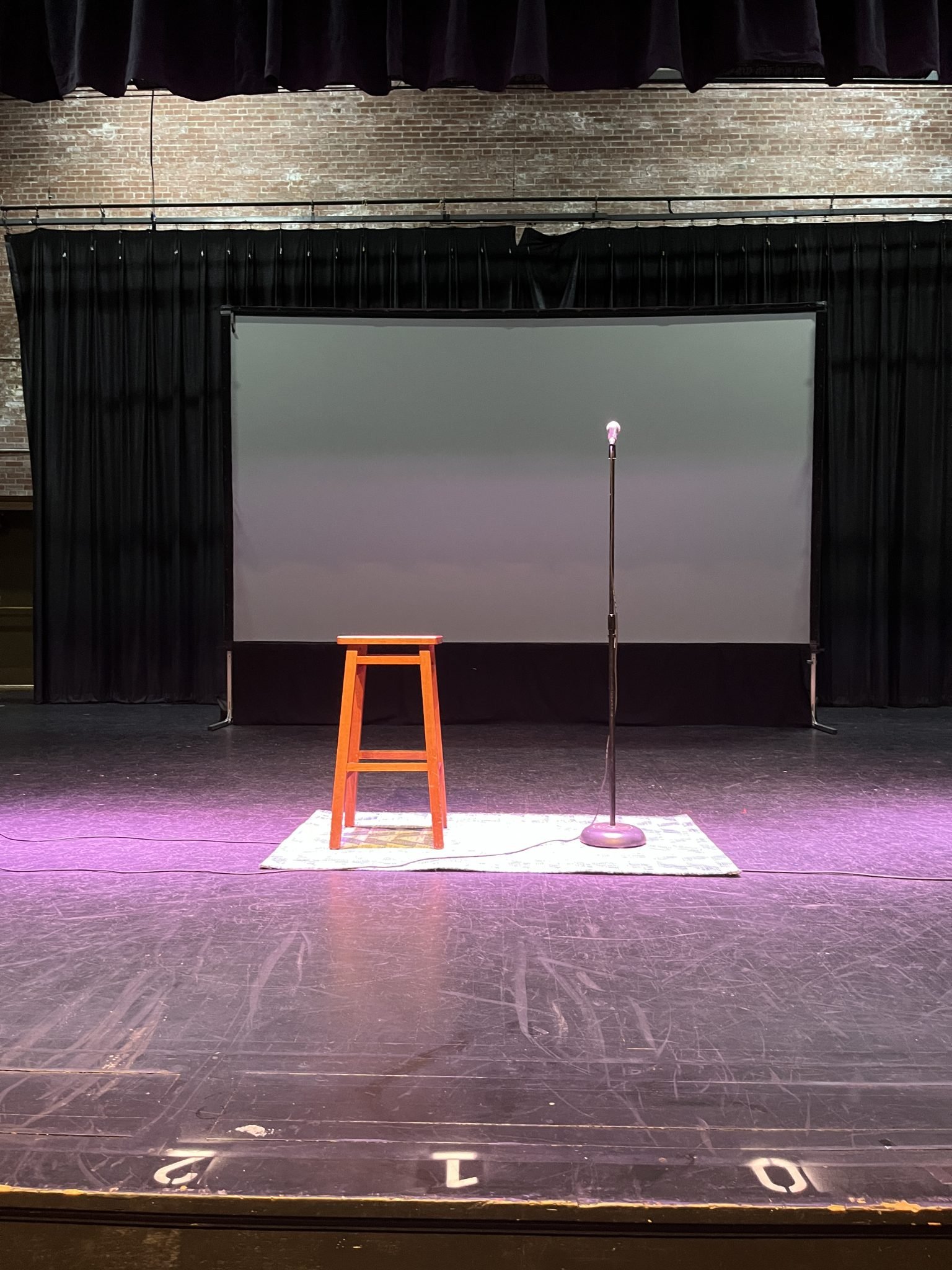
Josh Johnson on Instagram: "During a recent show in Vancouver, BC,
I was in the middle of a bit about CBC News @cbcvancouver
when something completely unexpected happened.
I rarely do crowd work, but this was an
opportunity I couldn’t pass up
exploring a little further.
This was a members only video but
I wanted to share the entire moment publicly
with you so you could experience it
exactly as it happened.
I hope you enjoy!"
www.instagram.com
preview
During a recent show in Vancouver, Josh Johnson was poking fun at a CBC news segment about an evicted cat. He joked that he would really like to meet the editor who decided this was news. It turned out, the editor was in the audience and the two had a hilarious conversation on stage.
During a recent show in Vancouver, Josh Johnson was poking fun at a CBC news segment about an evicted cat. He joked that he would really like to meet the editor who decided this was news. It turned out, the editor was in the audience and the two had a hilarious conversation on stage.
0

0
preview
Is there a way for me to set it such that everytime I login to lemmy.ca it shows me only my subscribed communities by default?
It always shows me LOCAL everytime I login no matter how many times I push SUBSCRIBED. I would have expected that when I log back in it would keep which option I selected last time.
0

preview

If you go do a search for their local users, you’ll find a bunch of random ass bot names in their list. This was brought up in the past, but I think this instance is “dead” and now the only thing on the instance are unrelated bots. Registration is wide open, no captcha, no approvals, no email requirement. These new bots are just spamming ads for things it would seem, not just random Christian stuff.
Anyway, just wanted to pass the info along.
0


Tabletop Sentinel
When Dice Were Made of Flint #19
www.tabletopsentinel.com
preview
0

0

preview
cross-posted from: lemmy.ca/post/73662334
Louise Erdrich
Joy Harjo
Richard Wagamese
Tommy Orange
Robin Wall Kimmerer
Natalie Diaz
Dennis E. Staples
Layli Long Soldier
N. Scott Momaday
Elise Paschen
Terese Marie Mailhot
Leslie Marmon Silko
Sherman Alexie
cross-posted from: lemmy.ca/post/73662334
Louise Erdrich
Joy Harjo
Richard Wagamese
Tommy Orange
Robin Wall Kimmerer
Natalie Diaz
Dennis E. Staples
Layli Long Soldier
N. Scott Momaday
Elise Paschen
Terese Marie Mailhot
Leslie Marmon Silko
Sherman Alexie
0
preview
Louise Erdrich
Joy Harjo
Richard Wagamese
Tommy Orange
Robin Wall Kimmerer
Natalie Diaz
Dennis E. Staples
Layli Long Soldier
N. Scott Momaday
Elise Paschen
Terese Marie Mailhot
Leslie Marmon Silko
Sherman Alexie
Louise Erdrich
Joy Harjo
Richard Wagamese
Tommy Orange
Robin Wall Kimmerer
Natalie Diaz
Dennis E. Staples
Layli Long Soldier
N. Scott Momaday
Elise Paschen
Terese Marie Mailhot
Leslie Marmon Silko
Sherman Alexie
0

0

preview
Wrote this album, it’s very special to me.
It’s the last album I wrote with FL before I stopped using it because fuck ai.
https://waow.bandcamp.com/album/the-world-is-over-im-finally-awake
Wrote this album, it’s very special to me.
It’s the last album I wrote with FL before I stopped using it because fuck ai.
https://waow.bandcamp.com/album/the-world-is-over-im-finally-awake
0


0


preview
“What is important is to spread confusion, not eliminate it.” © Salvador Dali
“What is important is to spread confusion, not eliminate it.” © Salvador Dali
0


netzpolitik.org
Bei Online-Werbung versagt die europäische Tech-Regulierung
netzpolitik.org