24

An Original Wizball Artist Is Helping Fix the Game Nearly 40 Years Later

An Original Wizball Artist Is Helping Fix the Game Nearly 40 Years Later handheldhideout.neocities.org
preview

cross-posted from: lemmy.world/post/53559454

Almost four decades after Wizball arrived on the ZX Spectrum, one developer has set about giving it the version it perhaps always deserved, with a little help from someone who worked on the original.

This isn’t even an article-article, and if you’ve been following my posts at all you’ll see it isn’t for my site. This is just a bit of a ramble on a fun (yet super niche!) topic for my newly semi-formed NeoCities page I’ve been tinkering with.

If you’re old enough for the ZX Spectrum, then you might find it vaguely amusing :)

0

Bill C-22: Time Is Running Out to Stop Canada’s Surveillance Law

Reclaim The Net: Free Speech, Privacy, Digital Rights Bill C-22: Time Is Running Out to Stop Canada’s Surveillance Law reclaimthenet.org
preview

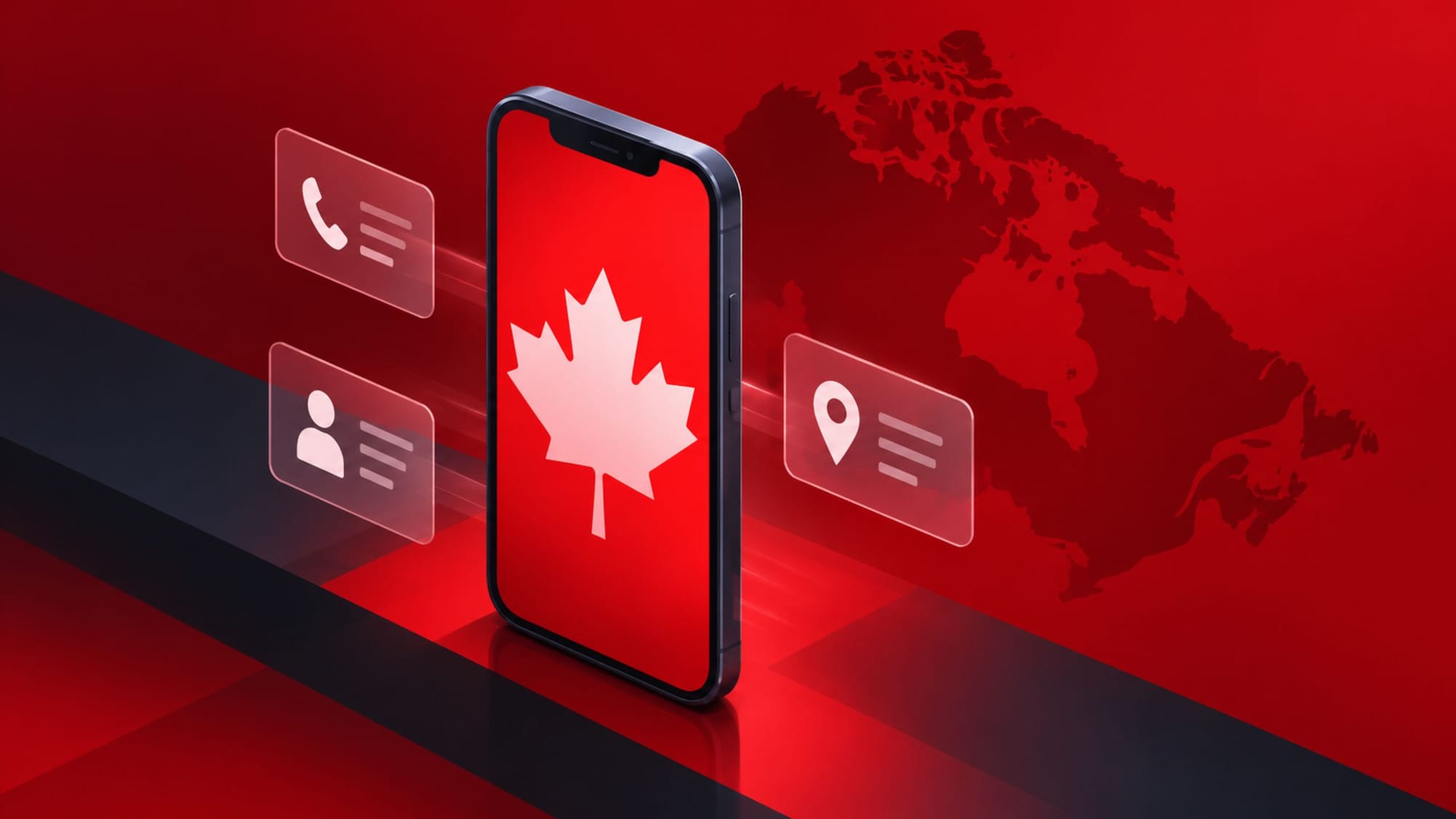
Canada’s Bill C-22 would require metadata retention and surveillance capabilities from service providers.

Canada’s Bill C-22 would require metadata retention and surveillance capabilities from service providers.

0

If using custom domain e-mails, to prevent spam, is it necessary to make addresses unpredictable (e.g.: stem-chaos-stricken@domain), or is servicename@domain good enough?

preview

Assuming a password manager is used, even jfav0ohjau4gvncgan19@domain should be OK.

On the other hand, I might just be overthinking it. It could even look suspicious to customer support, or is that again just overthinking?

Also, there already will necessarily be some predictable ones, such as work@domain, although servicename@domain would provide even more possible matches.

0

I built a turn-based multiplayer browser game with plain JS, Node and HTTP polling (no WebSockets). Help me load-test it?

Bronze & Glory Bronze & Glory: World Arena bronzeandglory.fun
preview

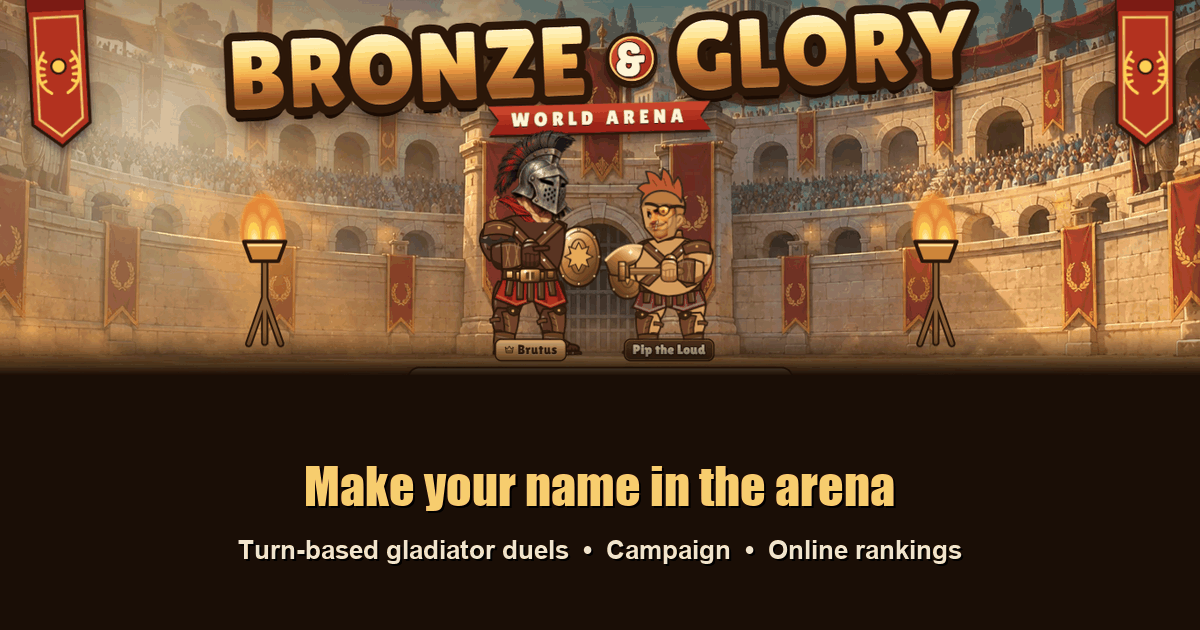
Disclosure: I’m the solo developer of Bronze & Glory, a free turn-based gladiator duel game in the browser. No ads, no download, no payments.

12 seconds of a real campaign bout

Stack: a static client in plain JavaScript ES modules, served by nginx. The game server is Node with SQLite. A separate small Node service counts players online from page heartbeats.

How the multiplayer sync works: there are no WebSockets. A duel is a server-side room; each client polls the room over HTTP and submits its move. The server runs the same rules engine module as the client (takeDuelTurn), so a client can’t fake a result. Because it is turn-based, polling latency is hidden in the turn animation. Per-user rate limits (e.g. 60 moves/min per user) keep a misbehaving tab from flooding the server.

The empty-queue problem: a small game’s online queue is empty most of the time. If nobody else is searching after a few seconds, a clearly labelled Practice Bot takes the seat (the server can also seat a ghost after 8 s). It is never counted as a player.

What I’d love feedback on: is HTTP polling a mistake at this scale, and where would you move to WebSockets/SSE?

Help me load-test the live server. Join now; group match at 01:20 UTC (30 minutes after posting). Can we get 4+ into one arena? Open the link, go to online duels (a free account: pick a username and password) and search for a quick match: you get paired with whoever else is searching.

Play: bronzeandglory.fun/?ref=r34-webdev-pd

Update: Load test #2 is Sun 25 Oct 19:00 UTC (15:00 EDT / 12:00 PDT / 20:00 CET): can we get 25 into one arena? bronzeandglory.fun/?ref=r35-return-webdev-pd

0

E se fosse stata una pagina Mastodon?

preview

E se fosse stata una pagina Mastodon?

Una pagina Instagram, un movimento di protesta e un fermo disposto dalla Procura.

Youssef Siher, presunto promotore della pagina Instagram “Movimento 17 ottobre”, nata dopo i disordini di Milano, è indagato per istigazione a delinquere aggravata e violenza organizzata nelle manifestazioni pubbliche.

La notizia

Ma se quella pagina fosse stata un account Mastodon?

La responsabilità penale non cambierebbe: ciò che conta sono le condotte, non la piattaforma utilizzata. Aprire una pagina e convocare una manifestazione pacifica non costituisce di per sé un reato.

Cambierebbe invece la gestione della piattaforma. Su Instagram esiste un gestore centrale, Meta. Nel Fediverso abbiamo istanze indipendenti, ciascuna con le proprie regole di moderazione, mentre i contenuti possono circolare tra server differenti.

Un amministratore Mastodon potrebbe sospendere l’account, ma non necessariamente cancellare tutte le copie dei contenuti già federati.

La decentralizzazione non garantisce l’impunità, ma rende meno centralizzato il controllo della comunicazione.

E qui nasce una questione interessante: i social stanno assumendo un ruolo paragonabile alla stampa, senza avere necessariamente gli stessi obblighi editoriali e le stesse garanzie?

Come dovrebbe funzionare la responsabilità nel Fediverso, dove nessuna piattaforma controlla l’intera rete?

@elezioni @eticadigitale

#Fediverso #Mastodon #LibertàDiEspressione #SocialNetwork #ResponsabilitàDigitale

0

[Meta] Lemmy (not PieFed) changed to a Private Instance

preview

LLM scrapers and bots are a continuing challenge. Lemmy is not behind Cloudflare and custom filtering rules using NGINX only gets you so far.

I’m trying the setting called “Private Instance”.

It’s my understanding that all this does is require a user to be logged in to use the instance. This will hopefully cut down or stop the constant scraping. Preliminary signs are that it helps a ton.

  • walden
0

Why ‘Final Fantasy’ Returned to 2D - Bloomberg

preview

Archive link: archive.today/…/why-final-fantasy-returned-to-2d

Also worth checking out the One-take Schreier video for this article as well: youtu.be/IKgYJSn31oE

Archive link: archive.today/…/why-final-fantasy-returned-to-2d

Also worth checking out the One-take Schreier video for this article as well: youtu.be/IKgYJSn31oE

1

Mastercard deflects blame for NSFW games being taken down, but Valve says payment processors 'specifically cited' a Mastercard rule about damaging the brand

PC Gamer Mastercard deflects blame for NSFW games being taken down, but Valve says payment processors 'specifically cited' a Mastercard rule about damaging the brand www.pcgamer.com
preview

Statement: mastercard.com/…/clarifying-recent-headlines-on-g…

Mastercard has not evaluated any game or required restrictions of any activity on game creator sites and platforms, contrary to media reports and allegations.

Our payment network follows standards based on the rule of law. Put simply, we allow all lawful purchases on our network. At the same time, we require merchants to have appropriate controls to ensure Mastercard cards cannot be used for unlawful purchases, including illegal adult content.

Media contact

Seth Eisen

seth.eisen@mastercard.com

0

What method of studying Marxism do you use?

preview

I’m looking for a method that allows me to study Marxism without losing focus, without losing memory, and in a way where I’ll actually internalize what I’ve studied about Marxism.

I’m looking for a method that allows me to study Marxism without losing focus, without losing memory, and in a way where I’ll actually internalize what I’ve studied about Marxism.

0

Bronze & Glory: free turn-based gladiator duels in the browser, no download (solo dev, feedback welcome)

Bronze & Glory Bronze & Glory: World Arena bronzeandglory.fun
preview

I’m the solo developer of Bronze & Glory, a free turn-based gladiator game that runs in the browser on desktop or phone.

12 seconds of a real campaign bout

Every attack shows its hit chance, damage and energy cost before you commit, and your opponent telegraphs its next move. Four classes, a 100-opponent campaign, and online duels against real people with a free account. Nothing to download, and Quick play needs no sign-up, so the link drops you straight into a bout.

The hard part of a small multiplayer game is that the online queue is empty when you arrive alone. So if you try it, try it now and send the link to one friend so you can duel each other. If nobody else is searching, a clearly labelled Practice Bot steps in instead of leaving you waiting.

Play: bronzeandglory.fun/?ref=r33-playmygame-pd

What I’d most like feedback on: did your first bout make sense without reading anything, and what (if anything) would make you play a second one? I’ll answer every reply, and I’m happy to play and give feedback on games others post here too.

0

if Hasan Piker (socialist golden boy) can say the n-word during a news piece then I (virologist bad boy) should be able to say it while rapping along with Ol' Dirty Bastard in my Honda Accord

preview

I just feel like fair is fair. If anyone strongly disagrees, to quote one of history’s most important scholars:

Bitch ass niggas put away your pistols

Dirty wont be havin’ it in this house

I just feel like fair is fair. If anyone strongly disagrees, to quote one of history’s most important scholars:

Bitch ass niggas put away your pistols

Dirty wont be havin’ it in this house

0

A 1,000-mile cloud on Mars may reveal physics never seen in nature

Ars Technica A 1,000-mile cloud on Mars may reveal physics never seen in nature arstechnica.com
preview

Since it was first recorded by a probe in 2018, scientists have been unable to find a plausible explanation for the existence of this cloud, often referred to as the Arsia Mons Elongated Cloud (AMEC). Until now. Recently, researchers successfully modeled the cloud’s formation for the first time, their results suggesting that it may be driven by a physical process that has never been directly observed in any planet’s atmosphere.

“We found that we needed to include some exotic physics… physics that, while included in textbooks, is treated as theoretical and usually thought not to happen in nature. It certainly hasn’t been seen in action before,” Jorge Hernández-Bernal, a planetary scientist at Paris’ Sorbonne Université and lead author of the study, said in a press release. “Once we included this physics in our simulations, the AMEC emerged just as we hoped.”

On Earth, clouds usually form when water vapor creates droplets or ice crystals in the presence of tiny particles, such as dust or salt. The new study, published in Nature Geoscience, instead suggests AMEC could be forming through so-called homogeneous nucleation, where vapor changes directly into ice crystals on its own without any help from debris.

“It’s akin to droplets of condensation appearing in the middle of a room, rather than on a window,” Hernández-Bernal explained. “It’s wholly unexpected.”

0

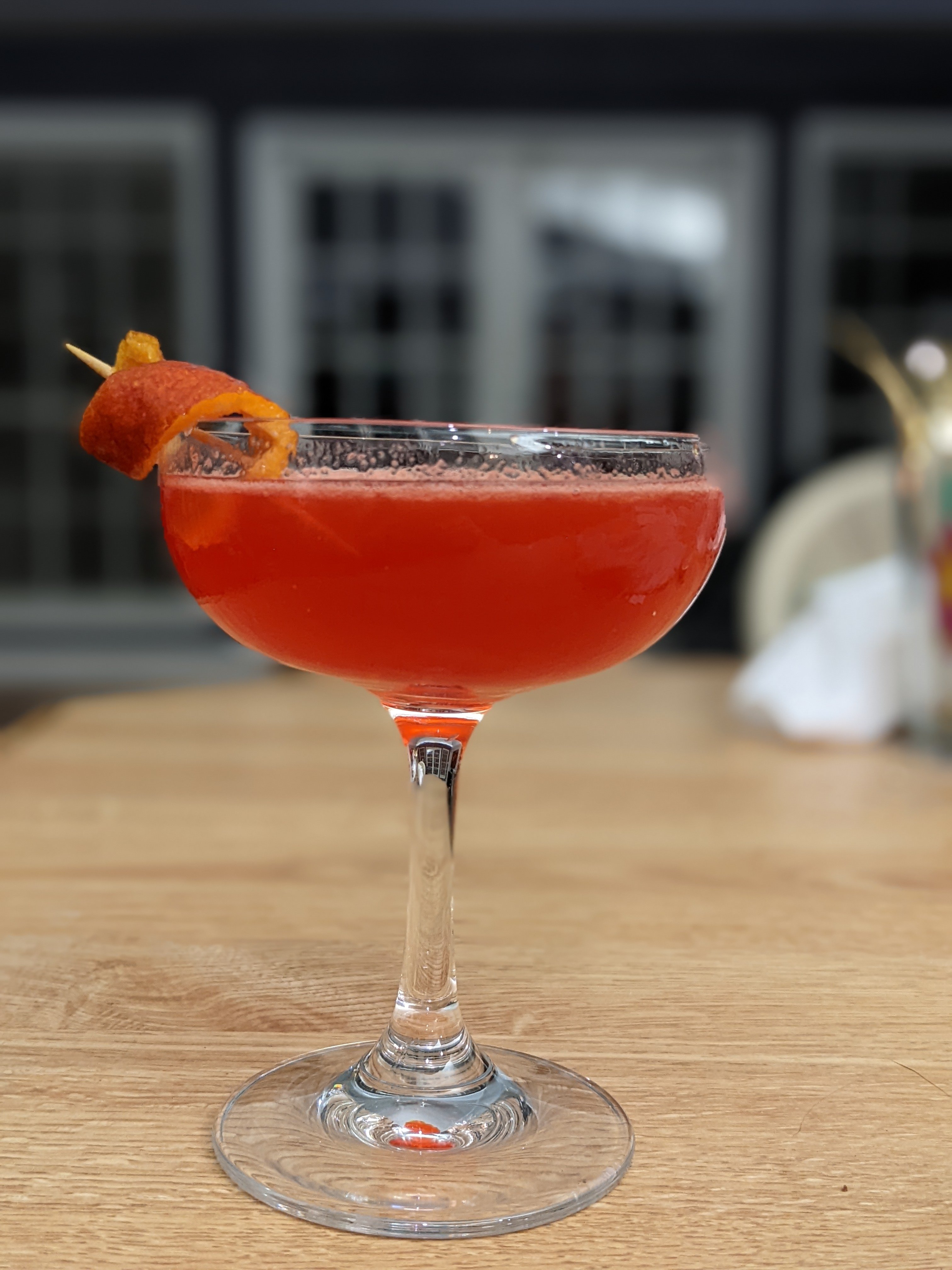
Drumshanbo Sardinian Citrus Gin & Tonic

preview

Rocks glass 3\4 full of ice

  • 1 3\4 fl oz Drunshanbo Sardinian Citrus Gin - freezer temp
  • 1\2 fl oz volcano lime juice - fridge temp
  • Fever Tree tonic water to top - fridge temp
  • Gentle stir

Fantastic mix, so refreshing! My new personal high bar for a G&T

Rocks glass 3\4 full of ice

  • 1 3\4 fl oz Drunshanbo Sardinian Citrus Gin - freezer temp
  • 1\2 fl oz volcano lime juice - fridge temp
  • Fever Tree tonic water to top - fridge temp
  • Gentle stir

Fantastic mix, so refreshing! My new personal high bar for a G&T

0

First Public Working Draft: Animation Triggers

preview

The CSS Working Group has published a First Public Working Draft of Animation Triggers. It defines CSS properties and an API for creating mechanisms that affect animation playback, based on DOM events resulting from user interaction, or on entry/exit of ranges on animation timelines.

In simple terms: this will let you start animations based on defined triggers, like mouse clicks or certain scroll (progress) events.

0

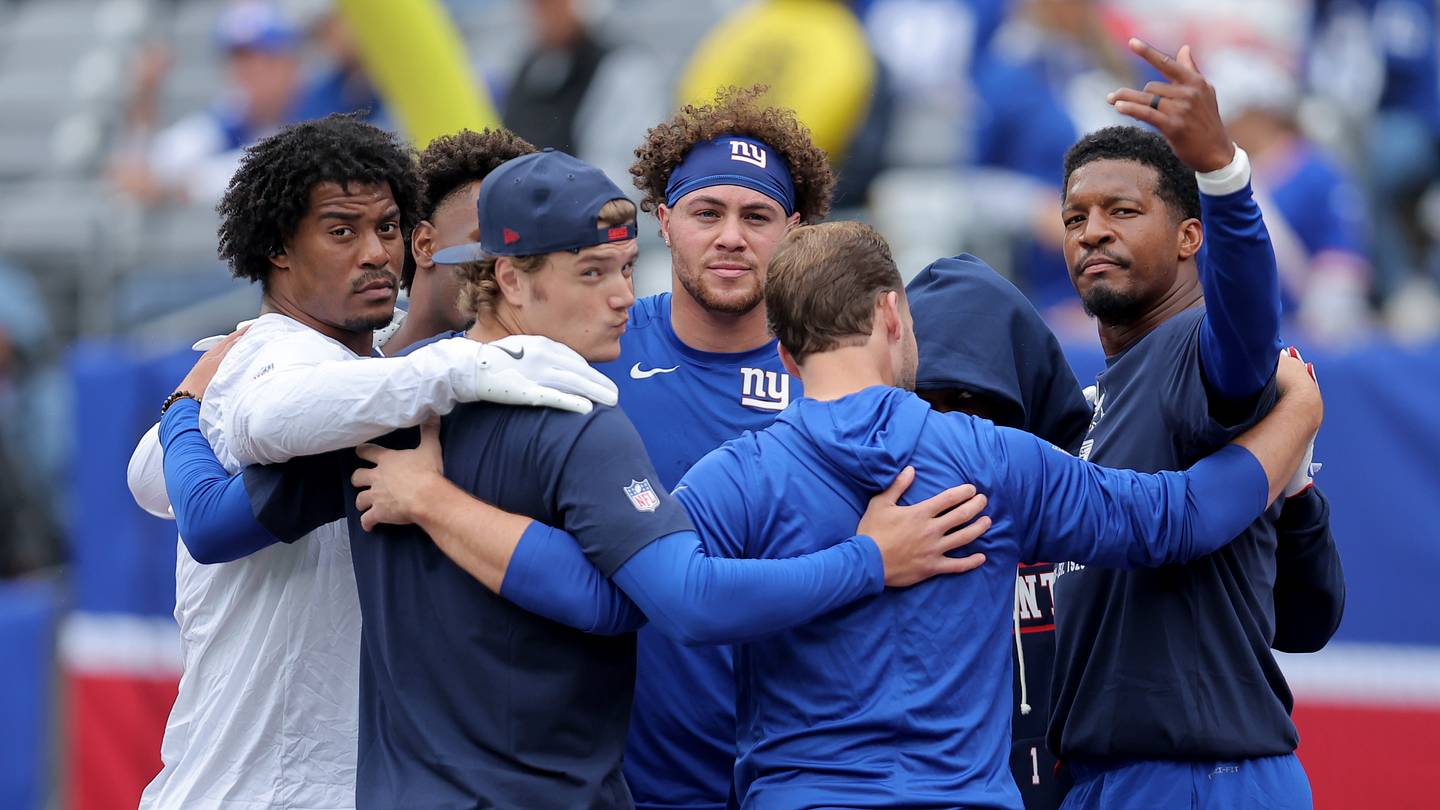
Giants Have Bigger Problems Than the QB Decision

New York Giants On SI Giants Have Bigger Problems Than the QB Decision www.si.com
preview

It’s the run game.

They have the pieces. The line can block, they can open lanes. Their backs can run and break tackles. Both of these things have been demonstrated this season.

Giants need to get these pieces working together to beat the Texans and be successful this season because their schedule for the rest of the season is going to be much more difficult than the beginning was.

0

Enabling Sensitive Conversations with Consent Boundaries: Moa, a Platform for Discussing PhD Advising Relationships [as a testcase] | Proceedings of the ACM on Human-Computer Interaction

preview

I think this is a really interesting example of how the Fediverse has so much potential that goes far beyond the visions of social media that Corporations and rightwing extremist billionaires could ever provide us.

Yes a great use of a social media platform, if structured well and locally moderated by human beings, could absolutely be useful for certain cases like this in a way that would be superbly difficult to arrange otherwise.

Individuals who suffer from problematic power dynamics, such as mistreatment or abuse from someone in power, can benefit from identifying allies, whether it is to seek advice or remedial action. Here, we use the word “ally” to refer to any individual who is sympathetic and can offer some kind of help, ranging from sharing useful information to actively navigating the situation together. Example contexts include workplace bullying [91], political persecution [57], and sexual harassment [23]. In contexts where potential allies are initially unknown, however, someone must make at least a partial disclosure of their experience for what we call ally discovery1 to succeed. But, disclosure is risky because the exact conditions under which these situations arise heighten concerns of exposure and retaliation [3, 21]. That is, one cannot know whom to trust about an issue until one discloses being affected by it; yet one cannot disclose before knowing whom to trust.

Some of the most helpful information in navigating problematic power dynamics can come from individuals who share similar traits regarding the context, e.g., women working with the same manager. How can we facilitate the flow of information in such situations, so that individuals who need it most can discover allies while maintaining one’s anonymity? We consider this problem in the context of PhD students experiencing advising challenges. Because the advising relationship is fraught with power dynamics and ripe for exploitation [14, 47, 54, 80], ally discovery is critical for enabling students to connect with peers who might offer advice or partnership toward remedial action. Yet, research shows that ally discovery within the same PhD program can be difficult [24, 27].

…

Social media platforms are typically structured around a predefined network (e.g., followers) or space (e.g., group) [92]. In contrast, Moa focuses on the question: “How does each user want to design their audience per post or comment?” As a result, Moa does not implement any network model nor does it include user profile pages (REQ3).4 Furthermore, instead of letting users have access to the same content if they are in the same space, Moa’s users see different sets of posts (and comments) depending on their own and others’ consent boundaries (Section 4.2). In terms of the Form-From matrix [92], we believe Moa is closest to a Threaded Space, but consent boundaries considerably weaken both the threading and the space.

…

Taking a consent-centered approach was essential to developing Moa. While consent and privacy are closely related, there is a subtle difference in emphasis. Speaking strictly from an engineering standpoint, consent boundaries are like privacy settings—they give different permissions to different sets of users. But, they differ from traditional privacy settings with respect to the categories of user-sets that can be formed, the granularity of control, and most importantly, the way the categories align with users’ own preferences for control. Below, we reflect further on how consent differs from privacy, and what consent means for system development.

To begin, privacy is a fuzzy concept—scholars disagree on how exactly to define it, though definitions cluster around themes such as the right to be left alone, restriction of access, secrecy, control over personal information, personhood, and intimacy [77]. One relevant ambiguity in the context of computing is about who provides privacy: Privacy can be conferred to a user by the user themselves, or by a privacy-protecting system.

In contrast, the essence of consent is that it is strictly user-determined. The only entity who can grant an individual’s consent is the individual herself; there is no definition of “consent” in which a system can grant itself consent to do something to a user that the user does not herself wish to allow. Thus, relying on the term “privacy” can obscure the central role of the user, as privacy encompasses multiple, often ambiguous meanings. Arguably, the reason why “user-centered privacy” is a term distinct from general privacy is because the user-centeredness of privacy is not a given. Yet, even within the usable privacy and security community, discussions of consent have been limited to the notice-and-choice paradigm [13]. Consent is not cast as a foundational principle for system design.

Based on this view, systems frequently define privacy options in advance (i.e., the system is conferring some privacy), with users only able to accept or decline them. In practice, these options are often difficult to find or understand, further limiting true user consent. For instance, many of Facebook’s privacy settings are often hidden [30].

As the feminist affirmative consent framework recommends [35],14 consent should not merely be a mechanism for relaxing privacy constraints, but a foundational principle of design: individuals affected by an action should have the agency to define exactly what their consent boundary is, in the way that they conceive as relevant to a particular context.

…

Currently, Moa is maintained by the lead author in order to minimize privacy risks. Running the platform with 47 users turned out to be feasible—the lead author was diligent in moderating and seeking user feedback, and no incidents of abuse or negative feedback occurred. However, how could Moa and the concept of consent boundaries scale?

One way to scale is having multiple instances of Moa, one per organization or group, each with its own administrator, similar to Mastodon. This approach reflects an important assumption that local system admins are important for earning users’ trust, which was confirmed by our Phase 3 study. And, just as research shows that Reddit’s moderators have their own network of giving each other support [9], we imagine that there should be a support network for Moa’s administrators and moderators. This would ensure that each instance is not entirely isolated, and that when sensitive incidents happen, there would be cross-instance resources on how to resolve them.

It is possible to imagine building Moa as a larger, monolithic platform such as Facebook or Reddit, but we imagine even on such a platform, communities would have their own moderators—each trusted by their respective communities—who are empowered to provide the kind of meaningful oversight over identity that the Moa prototype included. For this study, it was easy for users to verify and understand that the moderator was also a PhD student in the same institution. At larger scale, there would need to be a process for selecting such moderators, and proving their identity to other members of the community.

In terms of consent boundaries, they are likely to be applicable to other contexts beyond PhD advising, such as among workplace employees [18, 67], survivors of sexual misbehavior by one group of people [16, 48], or potential whistleblowers at the same organization [19].

One aspect of the Moa prototype described in this paper was that there was an implicit consent boundary formed by the community of PhD students from the same institution—no user needed to consider whether their content would be revealed to non-students. Communities could be formed much like Slack’s channels around different topics, though additional mechanisms such as member-sponsored invitations to join or formal background checks would be required to ensure that community members satisfy membership requirements.

We also imagine consent boundaries could be used in general platforms such as Facebook or Reddit, likely in less sensitive contexts. Consent boundaries could help users carve out a group of people they want to interact with, without having to designate a particular space or network [92]. 6

I think this is a really interesting example of how the Fediverse has so much potential that goes far beyond the visions of social media that Corporations and rightwing extremist billionaires could ever provide us.

Yes a great use of a social media platform, if structured well and locally moderated by human beings, could absolutely be useful for certain cases like this in a way that would be superbly difficult to arrange otherwise.

Individuals who suffer from problematic power dynamics, such as mistreatment or abuse from someone in power, can benefit from identifying allies, whether it is to seek advice or remedial action. Here, we use the word “ally” to refer to any individual who is sympathetic and can offer some kind of help, ranging from sharing useful information to actively navigating the situation together. Example contexts include workplace bullying [91], political persecution [57], and sexual harassment [23]. In contexts where potential allies are initially unknown, however, someone must make at least a partial disclosure of their experience for what we call ally discovery1 to succeed. But, disclosure is risky because the exact conditions under which these situations arise heighten concerns of exposure and retaliation [3, 21]. That is, one cannot know whom to trust about an issue until one discloses being affected by it; yet one cannot disclose before knowing whom to trust.

Some of the most helpful information in navigating problematic power dynamics can come from individuals who share similar traits regarding the context, e.g., women working with the same manager. How can we facilitate the flow of information in such situations, so that individuals who need it most can discover allies while maintaining one’s anonymity? We consider this problem in the context of PhD students experiencing advising challenges. Because the advising relationship is fraught with power dynamics and ripe for exploitation [14, 47, 54, 80], ally discovery is critical for enabling students to connect with peers who might offer advice or partnership toward remedial action. Yet, research shows that ally discovery within the same PhD program can be difficult [24, 27].

…

Social media platforms are typically structured around a predefined network (e.g., followers) or space (e.g., group) [92]. In contrast, Moa focuses on the question: “How does each user want to design their audience per post or comment?” As a result, Moa does not implement any network model nor does it include user profile pages (REQ3).4 Furthermore, instead of letting users have access to the same content if they are in the same space, Moa’s users see different sets of posts (and comments) depending on their own and others’ consent boundaries (Section 4.2). In terms of the Form-From matrix [92], we believe Moa is closest to a Threaded Space, but consent boundaries considerably weaken both the threading and the space.

…

Taking a consent-centered approach was essential to developing Moa. While consent and privacy are closely related, there is a subtle difference in emphasis. Speaking strictly from an engineering standpoint, consent boundaries are like privacy settings—they give different permissions to different sets of users. But, they differ from traditional privacy settings with respect to the categories of user-sets that can be formed, the granularity of control, and most importantly, the way the categories align with users’ own preferences for control. Below, we reflect further on how consent differs from privacy, and what consent means for system development.

To begin, privacy is a fuzzy concept—scholars disagree on how exactly to define it, though definitions cluster around themes such as the right to be left alone, restriction of access, secrecy, control over personal information, personhood, and intimacy [77]. One relevant ambiguity in the context of computing is about who provides privacy: Privacy can be conferred to a user by the user themselves, or by a privacy-protecting system.

In contrast, the essence of consent is that it is strictly user-determined. The only entity who can grant an individual’s consent is the individual herself; there is no definition of “consent” in which a system can grant itself consent to do something to a user that the user does not herself wish to allow. Thus, relying on the term “privacy” can obscure the central role of the user, as privacy encompasses multiple, often ambiguous meanings. Arguably, the reason why “user-centered privacy” is a term distinct from general privacy is because the user-centeredness of privacy is not a given. Yet, even within the usable privacy and security community, discussions of consent have been limited to the notice-and-choice paradigm [13]. Consent is not cast as a foundational principle for system design.

Based on this view, systems frequently define privacy options in advance (i.e., the system is conferring some privacy), with users only able to accept or decline them. In practice, these options are often difficult to find or understand, further limiting true user consent. For instance, many of Facebook’s privacy settings are often hidden [30].

As the feminist affirmative consent framework recommends [35],14 consent should not merely be a mechanism for relaxing privacy constraints, but a foundational principle of design: individuals affected by an action should have the agency to define exactly what their consent boundary is, in the way that they conceive as relevant to a particular context.

…

Currently, Moa is maintained by the lead author in order to minimize privacy risks. Running the platform with 47 users turned out to be feasible—the lead author was diligent in moderating and seeking user feedback, and no incidents of abuse or negative feedback occurred. However, how could Moa and the concept of consent boundaries scale?

One way to scale is having multiple instances of Moa, one per organization or group, each with its own administrator, similar to Mastodon. This approach reflects an important assumption that local system admins are important for earning users’ trust, which was confirmed by our Phase 3 study. And, just as research shows that Reddit’s moderators have their own network of giving each other support [9], we imagine that there should be a support network for Moa’s administrators and moderators. This would ensure that each instance is not entirely isolated, and that when sensitive incidents happen, there would be cross-instance resources on how to resolve them.

It is possible to imagine building Moa as a larger, monolithic platform such as Facebook or Reddit, but we imagine even on such a platform, communities would have their own moderators—each trusted by their respective communities—who are empowered to provide the kind of meaningful oversight over identity that the Moa prototype included. For this study, it was easy for users to verify and understand that the moderator was also a PhD student in the same institution. At larger scale, there would need to be a process for selecting such moderators, and proving their identity to other members of the community.

In terms of consent boundaries, they are likely to be applicable to other contexts beyond PhD advising, such as among workplace employees [18, 67], survivors of sexual misbehavior by one group of people [16, 48], or potential whistleblowers at the same organization [19].

One aspect of the Moa prototype described in this paper was that there was an implicit consent boundary formed by the community of PhD students from the same institution—no user needed to consider whether their content would be revealed to non-students. Communities could be formed much like Slack’s channels around different topics, though additional mechanisms such as member-sponsored invitations to join or formal background checks would be required to ensure that community members satisfy membership requirements.

We also imagine consent boundaries could be used in general platforms such as Facebook or Reddit, likely in less sensitive contexts. Consent boundaries could help users carve out a group of people they want to interact with, without having to designate a particular space or network [92]. 6

0

Forbidden - DCLXVI

preview

Time for more of the other old Bay Area bands to get some time to shine with a new release! Been listening to the singles that trickled out over the past year, and some are meh and some are good but don’t merit more than a few spins. So I think I’ll just link a personal highlight for me. Starts off slow n heavy before kicking it up in tempo. Other highlights are a couple of the singles - the opener and Divided by Zero.

They still play thrash metal thankfully, but like with all other contemporaries, heavy amounts of groove have been incorporated within. At least the album isn’t so predictable as others.

Immediately you’ll notice the original singer is not here; he’s retired from the industry, replaced by Norman Skinner. Vocal delivery is definitely different, more abrasive on the aggressive parts, softer during the quieter bits. There was one point though, I was thinking to myself, that he can match the cadence of older material nearly perfectly in Divided by Zero. Can’t speak for the rest of the band, they preform as expected, though I really enjoyed some guitarwork during the middle of Psyclops.

Tidal, RateYourMusic, Encyclopaedia Metallum