0

Folk Theories of Federated Moderation: How Users Make Sense of Cross-Instance Action on Mastodon and Bluesky

preview

Federated social platforms like Mastodon and Bluesky are growing alternatives to centralized social media. Their moderation actions cross servers, lists and labelers in ways users cannot easily see. When something visibly changes, users turn to public forums like Reddit to ask why. We read these discussions as folk theories of federated moderation: accounts users build from observation and discussion with each other. We pair manual qualitative coding with LLM-assisted labeling using Gemma 4 (for extending the analysis across a larger set) to map how users explain moderation across five federated-platform subreddits. Two cases stand out: defederation on Mastodon, where users settle on a few recurring reasons, and list propagation on Bluesky, where users report being mass-blocked via a stranger’s subscription list. We close with two design changes that would surface these explanations on the platform itself rather than on Reddit.

Federated social media has grown noticeably over the past few years. Mastodon and Bluesky are the most visible cases, alongside Lemmy as a Reddit alternative, with millions of accounts either migrating from centralized platforms or signing up directly [6]. Unlike centralized platforms, federated platforms divide moderation work across many independent instances and, on Bluesky, across user-subscribed lists and labelers. This division makes moderation outcomes harder for ordinary users to see: an account can be defederated by a server its owner has never heard of, or added to a block list curated by someone they have never spoken to. A new Mastodon user usually does not know which other servers their instance has cut ties with. A new Bluesky user often does not know which labelers their app trusts by default, or that a stranger curating a list can add their account and quietly lower their reach. When something visibly breaks (an account goes dark, replies fail to land), people often take the question to Reddit. The answers that come back vary, from accurate to confidently wrong.

…

The contrast between the two cases also shows that folk theories of federation are not generic. The dimensions users reach for in each case track what their protocol makes visible to them. On Mastodon they reach for the admin and the question of how far admin power extends, because the admin is the named human role in their experience of the platform. On Bluesky they reach for the list curator and the mechanics of subscription, because lists and labelers are the named user-side mechanism the protocol exposes. Where prior folk-theory work has studied a single algorithm that users cannot see [5, 7], we look at two architectures that are equally invisible from the outside but lead users to ask different questions. This protocol-shaped variation is what makes the federated setting useful for extending folk-theory work beyond centralized platforms.

…

One might ask whether good in-product documentation removes the need for a venue like Reddit. We think not: much of what users explain is exactly what a single platform cannot narrate, a defederation decided by another server, or a block inherited from a stranger’s list, and even for its own actions, the threads do what documentation cannot, letting users compare protocols, correct each other in real time (our D4 subset), and read an event through people who have met it before. In-product explanations would give this cooperative reading a starting point, not replace it.

Our population is not federated-platform users in general but a self-selected slice: people engaged enough with fediverse governance to write about it in public. Unlike the users caught off guard by feed curation in Eslami et al. [7], ours had already chosen to explain moderation policy, so they are more technically literate than a median Mastodon or Bluesky user and their folk theories likely sit closer to the actual protocol mechanism. Our claims are thus about fediverse-engaged Redditors, not federated-platform users at large; native conversations on Bluesky, Mastodon, Discord and GitHub are likewise out of reach here. Reddit threads show public reasoning, not private experience and not the ground truth of what the platform did. Our claims concern how users describe federated moderation, not platform behavior we tested directly. The next step is to widen the sample with a held-out audit and to extend the codebook to a third protocol family (e.g., Nostr) so the two-case story can be tested against a setting we have not yet read.

0

Sayonara Sigil Sentry - "Connect the dots" meets Evangelion

preview

First, thanks for the community, it was really needed after the slop hell that was the Steam Next Fest.

I have a lot of weird games but if I posted them all I would get kicked out for too much self-promotion, so I decided to show the one that’s more fun to play, and free: Sayonara Sigil Sentry.

This game is a bullet hell boss rush with a twist: instead of shooting, you have to draw a magic rune by marking points on the battle arena:

You know that moment on bullet hell games in which you find a sweet spot you can camp on safely and mash the “shoot” button? That doesn’t happen in S3. You will have to be moving constantly and planning ahead to get the rune right.

The insanity doesn’t end at the gameplay. Screw high-end Unreal Engine graphics, we have collage art made from free stock images. The game also has a bizarre lore mashing up Costa Rican and Galician folklore with eldritch horror, conspiracies… and a subtle, elegant critique of genAI itself…

Ok, maybe it’s not that subtle.

Who the hell am I kidding, this is straight up Luddite Midwest Angelica.

Available for free on Steam and Itch.

22

Could i share some software keys here?

preview

It’s not my software, and I didn’t see anything against this on the rules… they’re “SanDisk Rescue Pro Deluxe” 1-yr codes off SD card packaging.

  • All keys were legitimately purchased
  • We won’t use them, they’re trashed at work (packaging)
  • there’s no other “giveaway” type community with a big outreach so I thought I’d try my luck here.

I’ve seen this done on Reddit, but I was banned, so… Y’all can benefit.

0

Should we build a community building community?

preview

I’ve been tooling around with ideas for an “Obscure Games Club” community. Before making it I’d love to gauge interest, maybe get 1 or 2 people to commit to a certain level of involvement, and get feedback on the setup. But I don’t actuallly know a good space to do that.

Most communities on the fedi are monuments to one passionate person talking to a brick wall, with the last post being sometime between 1 and 3 years ago. Perhaps less would peter out if the starting seed was more than one individual.

I can see problems with this idea. But I also see a lot of problems with the current way of doing things. It might be worth a shot.

0

Review: The blossoming of the big tree

preview

Obligatorische Spoilerwarnung

Mir hat das Buch gut gefallen. Der Schreibstil liest sich angenehm, ich mag Adita und das Setting einer ländlichen ugandischen Gegend (wahrscheinlich Buganda oder Busoga, wenn ich das richtig gegoogelt habe) ist etwas wozu ich ohne dieses Buch wahrscheinlich nie einen Einblick bekommen hätte (also ich gehe davon aus, dass sich die heutige Gesellschaft dieser Gegend in der zukünftigen “spiegelt”, die Gesellschaft in diesem Buch gibt’s natürlich in “echt” nirgends. Also ich hoffe Mal, dass uns der Autor hier ein halbwegs nahes Bild zeichnet, als Weißbrot ohne Zugang zu ugandischer Kultur habe ich aber keine Ahnung^^.) Das Einfließen lassen von lokalen Sprachelementen hat mir gut gefallen, auch wenn ich bis heute die exakte Bedeutung von “Kolo!” nicht kenne (ich weiß, dass es ein Fluch ist, aber nicht was er exakt heißt. Googlen war nicht erschöpfend.). Ich werde Dilman Dila wohl selbst fragen müssen (ist im großen Mammut mograph.social/@dilmandila und freut sich über Reviews, Tröts etc.) und einen Kommentar schreiben, wenn ich eine Antwort habe.

Was mich an dem Buch wiederum am meisten stört ist, dass es nur gut einhundert Seiten hat. Dadurch fühlt sich vieles nach “Deus ex machina” an. Klar hat man auf so wenig Text keine große Zeit alles detailliert herzuleiten und zu erklären, aber dieses Zack wir haben eine Technologie die uns jedes Mineral gibt, weil eine Person sie erfunden hat und wir haben 3d-Drucker die alles machen können, weil eine Person (aus derselben Gruppe) ihn erfunden hat und wir haben bessere Handys weil eine Person (aus derselben Gruppe) sie erfunden hat und Zack wir haben eine autonome Spinne mit echter Persönlichkeit weil eine Person (aus derselben Gruppe) sie erfunden hat, Zack die super Solarzelle am “Raketenbahnhof” ist nicht universell verfügbar, weil sie zwei Jahre zum Wachsen braucht aus Gründen, Zack alle Waffen des Gegners liegen (trotz Erfahrung mit cyber Kriegsführung) in einer Serverarchitektur und lassen sich auf einmal deaktivieren, weil isso, liest sich für mich etwas unbefriedigend. Gebt mir nochmal 100 Seiten mit ganz viel world building! :D So hat es sich ein bisschen nach: Damit meine Gesellschaft so läuft wie ich sie mir vorstelle, brauche ich x, y und z, also gibt es die einfach per Dekret und Erlass angefühlt.

Adita ist in ihren 70ern und eine Rwot, also eine von ihrem Dorf zur Anführerin gewählte Person. Sie selbst will einfach nur ihre Ruhe. Ich habe Adita als autistisch/hypersensibel gecoded gelesen. Sie findet Kontakt und Sozialisieren mit anderen Menschen sehr erschöpfend und bräuchte danach eigentlich tagelang Pause (der Gedanke sich Hilfe von Nachbarn zu holen und neben dieser noch ein Gespräch/ein Bier/etwas Leckeres zu essen zu bekommen ist für sie extrem negativ besetzt). Gerüche, insbesondere Körpergerüche von anderen Menschen sind für sie sensorisch schwer auszuhalten. Sie kann sich aber nicht aus dem Dorfleben herausnehmen, weil sie dann in den Busch verbannt würde (dazu in einem extra Absatz mehr). Gleichzeitig kann sie extrem stur sein. Sie wohnt auf einem kleinen Hof mit ihren Enkelkindern im Schulalter, um eben nicht allein zu sein und negatives Aufsehen zu erregen. Ihr Tagesplan wird über den Haufen geworfen als sie in ihrer Funktion als Rwot zum Dorfzentrum geholt wird. Ein von einem anderen Dorf “exkommunizierter” Frauenschläger hat von seiner Mutter in ihrem Dorf Unterschlupf gefunden. Die örtliche Logik wäre ihn sofort herauszuwerfen (oder seine Verbannung zu verschlimmern) und seine Mutter ebenfalls temporär in den Busch zu schicken, weil sie ihn versteckt hat, doch Adita zögert. Die “Gerichtsverhandlung” wird von einem unterbrochen: Kenia hat unterstützt von den USA angefangen das Land anzugreifen und Adita wird in diesem Moment jäh daran erinnert, dass sie formal gesehen Verteidigungsministerin ist. Die Gesellschaft in der das Buch spielt lebt trotz vorangeschrittenem Klimawandel ohne Versorgungskrisen, löst ihre Probleme per Konsensdemokratie und hat alle Waffen die über ein Messer hinausgehen abgeschafft. Nachbarländer versuchen sie über Minerallieferungen und Essensrationen wohlgesonnen zu halten. Eine Person namens Lokang hat eine Technologie namens Pito Nyonyo erfunden. Es handelt sich um eine Symbiose zwischen einem Wurm und Bakterium, die aus Erzen reine Metalle erzeugen kann. Das Land ist daher reich an Rohstoffen und kann es sich leisten diese ohne große Probleme in die Welt zu exportieren. Die Gesellschaft ist gleichzeitig so aufgebaut, dass viele Menschen Landwirtschaft betreiben, was mithilfe von solarbetriebenen Fahrrad-Traktoren etc auch relativ gut geht. Gleichzeitig gibt es Systeme nachbarschaftlicher Unterstützung, sodass sich die Feldarbeit geteilt wird. Ein Prozess ermöglicht es aus Essenresten/leicht verdorbenem Essen (oder prinzipiell auch frischen Zutaten) ein nahrhaftes Pulver herzustellen, das gesammelt und in hungernde Nachbarländer wie Kenia transportiert wird. Hier zeigt sich auch ein bisschen eine Ambivalenz: Einerseits versorgen die Bewohner ein Drittel der kenianischen Bevölkerung (Kenia ist eine Diktatur die im Gegensatz zu Uganda und den Nachbarländern ihre Herrscher nicht loswerden konnte) mit Nahrung. Andererseits füttern sie diese wortwörtlich mit ihren Essenresten durch. Das klingt dann doch deutlich weniger gönnerhaft als sie es erst klingen lassen. Also versteht mich nicht falsch: Wenn ich die Wahl habe zwischen verhungern und Lebensmittelabfall-Nahrungspulver habe ich eine klare Präferenz, aber dass es der Bevölkerung aufgrund der Transportwege unmöglich ist etwas anderes in hungernde Gebiete zu bringen, klingt schon etwas einfach. Ornithopter Fahrräder (ornithopter= Flügelschlag Flugzeug, wie bei einem Vogel) existieren und können größere Distanzen in relativ kurzer Zeit zurücklegen. Ich behaupte also Mal frech man könnte wenn man wollte. Die Verteidigung gestaltet sich auf jeden Fall als schwierig und wenig aussichtsreich, weil man bewaffneten Drohnen, Panzern etc nur unbewaffnete Mini Drohnen, Farbbomben und Werkzeug entgegenzusetzen hat. Das “Militär” nimmt eher die Rolle ein, die das THW heute bei uns hat: Krisenhilfe bei Naturkatastrophen. Die Meisten sind auch strikt dagegen die Produktion von Waffen aufzunehmen, weil Pazifismus ein Grundprinzip ist, das sie nicht aufgeben wollen. In einer auf Konsens basierenden Demokratie heißt das, dass es keine Waffenproduktion geben wird. Und hier zeigt sich meiner Meinung nach die zentrale Frage und der stärkste Teil dieses Buchs: Was machst du als ziemlich egalitäre, pazifistische Gesellschaft, wenn dein hierarchischer, kriegsbereiter Nachbar mit Waffengewalt an deinen Errungenschaften “teilhaben” will? Wenn du gegen den Willen von einem Teil der Bevölkerung aufrüstest und kämpfst ist deine Gesellschaft gerade deutlich hierarchischer und militanter geworden. Wenn du nicht kämpfst auch, weil du erobert wirst. Diesen Spagat zu schaffen ist nicht trivial oder vielleicht unmöglich. Die Frage ist also: Wie weit bist du bereit zu gehen um was zu erreichen? Diese Linie müssen Adita und ihre Mitstreiter:innen bei jeder Entscheidung aufs neue fällen. Die erste diese Linien zieht Adita relativ direkt. Sie schlägt als Verteidigungsministerin Gespräche über eine Kapitulation vor, liefert aber gleichzeitig subtile Hinweise, dass es sich um eine List handelt. Adita hat erkannt, dass es speziell den USA um Pito Nyonyo geht, weil dieses den Bau unvorstellbar zerstörerischer Waffen ermöglichen würde. Sie versucht also mit Gesprächen über eine Kapitulation Zeit zu schinden, um einerseits unnötiges Blutvergießen zu vermeiden, andererseits um Zeit zu haben eine Gegenwehr zu finden. Aus (absolut berechtigter) Angst vor feindlicher Überwachung kann sie diesen Plan aber nicht öffentlich kommunizieren. Sie ist also bereit den Gegner und die eigene Bevölkerung zu belügen und zu täuschen, um eine Chance auf Überleben und bestehen zu haben. Sie bringt gleichzeitig große Teile der Bevölkerung gegen sich auf, weil diese denkt, sie würde das Land ohne Gegenwehr hergeben. Fast gleichzeitig beruft sie einen 12 Personen großen Kriegsrat ein, weil sie merkt, dass mit einem ca 1000 Personen starken Parlament keine schnelle Konsensfindung möglich ist. Sie ist also auch bereit das Konsensprinzip stark einzudampfen, bzw auf eine sehr kleine Personenzahl zu reduzieren. Dies ist eigentlich nicht vorgesehen, weil es handeln weniger gegen die Interessen vieler ermöglicht. Das Prinzip wird später nochmal vertieft, als klar ist, dass auch einzelne Personen im Kriegsrat verwanzt sind. Sie verlegt ihren Kriegsrat in das Dorf von Lokang zu verlegen, in der (korrekten) Annahme, dass diese die nötige Technologie besitzen um sich gegen Überwachung und Spionage zu wehren. Die Reise dorthin gestaltet sich als schwieriger als gedacht, weil dem Ornithopter vor dem Ziel der Saft ausgeht und Teile der örtlichen Bevölkerung sie in den Busch verbannen wollen weil sie sich für eine Kapitulation ausgesprochen hat. Sie landet dann auch letztendlich im Busch und trifft auf eine Person, die wegen der Erschaffung einer autonomen Roboterspinne mit Bewusstsein auf dem Dorf von Lokang verbannt wurde. Hier zeigt sich dann auch im Buch eine der Schwächen des Systems: Auch wenn es kein monetäres Kapital mehr gibt (das System ist ähnlich wie das Kiesel System in der Dex und Helmling Serie, für meine Meinung dazu dort nachschauen bei Interesse) und das politische Kapital dadurch stark eingeschränkt ist, dass man als Rwot von anderen bestimmt wird und bestimmte Positionen nicht innehaben darf, spielt soziales Kapital eine große Rolle. Lokang gilt aufgrund von en (lokales genderneutales Pronomen )Errungenschaften (Pito Nyonyo, Krankenhäuser, diverse Therapien…) beinahe als Halbgottheit, sodass en Wort fast bindenden Charakter hat. Weil Lokang sich gegen die Erschaffung der Spinne ausspricht, weil en fürchtet, dass diese für böses benutzt werden kann, verbannt das Dorf die Erfinderin, auch wenn viele en Meinung nicht teilen, aber zu viel Respekt vor Lokang haben, um den Mund gehen en aufzumachen. Das wird auch im Buch als Problem angesprochen. Über die Erfinderin und Freund:innen aus dem Dorf die trotz Verbannung heimlich zu ihr halten, gelang Adita letztendlich doch in das Dorf. Über eine List werden sie dort eine Wanze in ihrer Kleidung los und können in einer kleinen Gruppe diskret Pläne schmieden, wie sie sich wehren können. Innerhalb des Kriegsrats müssen sie weiterhin die Illusion der geplanten Kapitulation aufrechterhalten, weil zwei Mitglieder verwanzt sind und sie die Wanzen nicht loswerden ohne, dass ihre Kriegsgegner ahnen, dass sie etwas im Schilde führen. Der Plan ist schließlich die Roboterspinne in die gegnerische Serverstruktur zu bringen und so die Waffen für einen gewissen Zeitraum außer Gefecht zu setzen (der Megakonzern, der die USA kontrolliert, hat sehr strenge Anforderungen an die Waffen die er vermietet um maximale Monetarisierung zu ermöglichen). Speziell Lokang ist anfangs explizit dagegen wird aber “überstimmt”. Das letzte Problem ist an einen gegnerischen Server zu kommen. Adita schlägt einen Satelliten vor, den sie mit einer Rakete ihrer Tochter (völlig auf Raumfahrt fokussiert) erreichen können. Der Plan wird in die Tat umgesetzt, auch wenn der Abschuss einer Rakete das Ende des Waffenstillstands bedeutet. Die Spinne schafft es zum Glück die Waffen zu deaktivieren und die “Feinde meiner Feinde” erledigen den Rest, indem sie Kriegsgut und Rechenzentren zerbomben. Die nun beinahe wehrlosen Soldaten können einfach besiegt oder vertrieben werden. Nun kann auch eine Revolution in Kenia unterstützt werden, weil keine Gefahr an einem Massaker der Bevölkerung zu befürchten ist. Adita schlägt dem Rest der Welt ein Abrüstungsabkommen vor und bietet Ländern, die bereit sind auf Waffen zu verzichten im Gegenzug Pito Nyonyo an. Sie selbst würde am liebsten in der Abgeschiedenheit einer Biosphärekuppel am Raumbahnhof bleiben, merkt aber sehr schnell, dass die gesellschaftlichen Erwartungen andere sind und sie wieder zurück in ihr Dorf muss.

Das was ich an dem Buch wie gesagt am meisten mag sind die ganzen kleinen und großen Aushandlungsprozesse. Adita und ihr einfach nur meine gottverdammte Ruhe wollen gegen gegen die gesellschaftlichen Erwartungen und der Überlebenskampf der Gesellschaft im Spannungsfeld zwischen Überleben/Kämlfen und Prinzipien aufrechterhalten.

Zur Gesellschaft: technologische Entwicklungen haben Produktion stark vereinfacht, sodass Schwerindustrie unnötig geworden ist. Fortschritte in der Medizin ermöglichen es ausgebildeten Fachpersonen eine Vielzahl an Krankheiten zu heilen. Das “Super-Smartphone” ermöglicht unkomplizierten und kostenlosen Austausch mit der ganzen Welt. Alle diese Entwicklungen führen dazu, dass ein Großteil der Bevölkerung aufs Land zieht, weil dort ein Leben mit guter Absicherung ohne Armut möglich ist. Die Menschen sind in Dörfern organisiert und treffen alle lokalen Entscheidungen basisdemokratisch nach Konsensprinzip. Gleichzeitig hat die Mediengruppe rund um das “Super-Smartphone” großen Einfluss, weil sie Gemeinden, die sich gegen deren Vorstellung verhalten von Kommunikation, Medien streaming etc ausschließen können und andere Dörfer unter Druck setzen können dasselbe zu tun. Es gibt in gewisser Weise einen Partizipationszwang. Allein zu leben oder sich nicht ausreichend einzubringen kann darin resultieren (als Hexe:r abgestempelt und) in den Busch verbannt zu werden. So herrscht auch ordentlicher Konformitätsdruck. Insgesamt hat die Gesellschaft wenig Antworten auf Abweichler/Straftaten. Die Antwort lautet immer in den Busch und wenn das nicht reicht dann Isolation auf einer einsamen Insel. Das sieht man auch gut bei dem Frauenschläger zu Beginn des Buchs. Ich finde die gesellschaftliche Antwort unzureichend. Klar durch die Verbannung ist der Opferschutz gewährleistet, aber mehr halt auch nicht. Der Täter hat keinerlei Anlass an seinem konkreten Verhalten zu arbeiten, hat ggf. falls nötig keine Therapie und die Möglichkeit nach Rehabilitation ist auch sehr vage gehalten. Plus die Dauer deiner Verbannung läuft halt dann auch auf einen “Beliebtheitswettbewerb” hinaus. Nachdem mindestens in einigen Gebieten Löwen etc frei herumlaufen, ist mindestens eine längere Verbannung vermutlich auch eine Todesstrafe. Und spätestens die einsame Insel im Nil ist Isolationshaft, also Folter. Versteht mich nicht falsch, partnerschaftliche Gewalt ist absolut scheiße und nicht zu entschuldigen, gleichzeitig ist eine faktische Todesstrafe, die wenn man versucht sich gegen diese zu wehren in Isolationshaft (die Menschen ja bekannterweise psychisch nur gut tut… Nicht) endet, vielleicht auch leicht überzogen. Vor allem im Kontrast dazu, dass Adita halb scherzhaft ihrer erwachsenen Tochter androht sie mit einer Pantoffel zu schlagen wenn sie nicht das Feld in ihrer Abwesenheit pflügt. Erwachsene schlafen: Todesstrafe, Kinder schlagen, wenn man es für “nötig” erachtet (es ist nie nötig): völlig chillig. Ich glaube man sieht hier auch ein Problem von sehr autonomen, dezentralen Strukturen: Für ein “Dorf” (auch wenn die Einwohner:innenzahl vier bis fünfstellig ist) “lohnt” es sich ggf nicht diverse Therapieangebote, Gewaltpräventionseinrichtungen, formale Sozialarbeit, ggf. auch Hafteinrichtungen und formale Rehabilitationseinrichtungen zu haben. Das Problem ist, wenn jedes Dorf so denkt gibt es einfach keine dieser Strukturen. Und die würden offensichtlich durchaus benötigt. Verbannung/Todesstrafe für Eigenbrötler*in sein ist nochmal indiskutabler. Für eine pazifistische, egalitäre Gesellschaft sind sie ganz schön konformistisch und gewaltvoll.

Das soll kein Verriss des Buchs oder der Gesellschaft an und für sich sein. Damit die Geschichte funktioniert muss die Gesellschaft in der die Hauptperson lebt nicht perfekt sein. Und für mich hat die Geschichte trotz ein paar kleinerer holpriger Momente gut funktioniert. Die Gesellschaft hat viele sehr gute Züge. Sie ist nicht von großen Hierarchien geprägt, Machtmissbrauch und Korruption werden vermieden, es gibt Zugang zu diversen Produktionsmitteln und es scheint niemand in Armut zu leben. Gleichzeitig haben einzelne Personen/Institutionen sehr viel soziales Kapital und die Gesellschaft hat noch keine Antwort gefunden, wie man damit umgeht, sodass dieses keinen Machtmissbrauch erlaubt. Und das Rechtssystem sehe ich sehr kritisch.

Womit ich persönlich wenig anfangen kann ist die Verknüpfung von Informatik mit Spiritualität. Ich habe wenig Zugang zu “Wahrsagerei” und doppelt nicht wenn diese auf Praktiken basieren, die nicht in meinem Kulturkreis vorkommen. Nicht in Form von ich finde es scheiße, sondern in Form von ich checke einfach nicht was der Autor mir damit mitteilen wollte.

Insgesamt zieht sich ein gewisser spiritueller Faden durch das Buch (ist das dann schon Lunarpunk?). Ich nehme an, dass das einfach eine Kontinuität des hier und jetzt in Uganda ist, kann darüber aber einfach nicht wirklich etwas sagen.

Fazit: Ich habe das Buch gerne gelesen und es hat mir Spaß gemacht. Adita ist ein toller Charakter abseits von Klischees, die den Spagat aus ihre Ruhe wollen und ihr Land im Spannungsfeld von kriegerischer Realität und Idealismus gut navigiert. Die beschriebene Gesellschaft hat viele positive Seiten aber auch einige entscheidend negative Aspekte (ich würde nicht darin wohnen wollen). Ich glaube Afrofuturismus ist ein Genre in das ich gerne mal wieder eintauchen würde. Sowohl dieses Buch als auch Pet von Awaeke Emezi fand ich spannende Perspektiven. Vielleicht finden wir ja Mal wieder ein entsprechendes Solarpunk Buch :)

Ich freue mich auf Euren Senf zu meinem Senf.

0

RCMP investigating Alberta health procurement for possible fraud, money laundering

CTVNews RCMP investigating Alberta health procurement for possible fraud, money laundering www.ctvnews.ca
preview

I really hope that the RCMP follow through and a bunch of dirty politicians go to jail.

Historically speaking though, it won’t happen.

I really hope that the RCMP follow through and a bunch of dirty politicians go to jail.

Historically speaking though, it won’t happen.

0

RFK Jr. Condemned Over Baseless and 'Nakedly Racist' Anti-Arab Rant at Rogers Event in Michigan

Common Dreams RFK Jr. Condemned Over Baseless and 'Nakedly Racist' Anti-Arab Rant at Rogers Event in Michigan | Common Dreams www.commondreams.org
preview

cross-posted from: news.abolish.capital/post/88978

Visiting the state with the highest percentage of Arab Americans to campaign for the Republican US Senate candidate, a week before the midterm elections during a campaign in which people from across the political spectrum have recoiled at the GOP’s racist, misogynist rhetoric, the Trump administration’s top health official opted to share a fact-free non sequitur about hundreds of millions of Arabs across the globe.

Apparently trying to sell voters in Michigan on Republican former Rep. Mike Rogers, who was behind Democratic candidate Abdul El-Sayed by two points in a recent Marist poll—and by six points among independents—Health and Human Services Secretary Robert F. Kennedy Jr. opined on “500 million Arabs in the world,” a vast population that he suggested contributes little to the global community.

“They don’t produce science, they don’t win the Nobel Prize, they don’t win the Fields prize, they don’t win the Wolf Prize, they don’t produce literature,” declared Kennedy at a campaign event in Grand Rapids.

RFK: “There’s five hundred million Arabs in the world. And yet they don’t produce science. They don’t win the Novel Prize. They don’t win the Fields Prize. They don’t win the Wolf Prize. They don’t produce literature.” t.co/ikZHqklQjE
— Bulwark Clips (@BulwarkClips) October 26, 2026

The comments provoked horror among numerous Democratic lawmakers, advocacy groups, scientists, and journalists, many of whom were quick to point out that Kennedy’s racist rant had no basis in reality.

“Besides being nakedly racist and bigoted, this is just hilariously wrong on all levels,” said Justin Baragona of Zeteo News.

Baragona was among the observers who did not have reach far back in history to prove Kennedy, who has been widely condemned for his rejection of scientific evidence as he has questioned the safety of vaccines, entirely wrong about Arab people’s contributions to the field.

Just last year, Omar Yaghi won the Nobel Prize in chemistry for the development of metal-organic frameworks. Yaghi was born in Jordan to Palestinian refugee parents. He also won the Wolf Prize, an international award for achievements in sciences and the arts, in 2018, for his contributions to the field of reticular chemistry.

Vaccine scientist Peter Hotez expressed relief that his late colleague and “brilliant co-US Science Envoy,” the Egyptian-American chemist Ahmed Zewail, “didn’t have to endure” listening to Kennedy’s comments. Zewail won the Nobel Prize in chemistry in 1999.

Entrepreneur Saad Mohseni listed a number of other “Arab science giants” who came to mind.

Baragona also pointed to two winners of the National Book Award just last year—the Lebanese writer and painter Rabih Alameddine and Egyptian-American journalist Omar El Akkad.

But US Sen. Chris Murphy (D-Conn.) suggested that beyond debunking Kennedy’s wholly inaccurate claim, “everyone needs to pay attention” to what his comments were part of: a “coordinated campaign to delegitimize Muslim Americans—not just as citizens but as humans.”

“These increasingly hysterical attacks are a prelude to Republicans bringing us to a very, very dark place after the election,” said Murphy.

The Council on American Islamic Relations demanded that Kennedy be removed from his Cabinet position in light of the remarks, which they called “a textbook display of unvarnished racism and bigotry.”

“To stand on a public stage as a sitting US Cabinet official and dehumanize half a billion people—and millions of Muslim and Christian Arab Americans—with fabricated, white supremacist talking points is utterly disqualifying for public office,” said the group. “His sweeping erasure of Arab contributions to humanity is not only maliciously false, but it also fans the flames of anti-Arab and anti-Muslim hate at a time when communities are already vulnerable to bigoted attacks from other public officials nationwide. Anyone who holds such blatant contempt for an entire ethnicity has no business leading a federal agency meant to serve all Americans.”

Journalist Mehdi Hasan, the founder of Zeteo News, suggested that the Democratic Party and liberal commentators deserve a large share of the blame for a political environment in which a top US official felt comfortable openly degrading hundreds of millions of people of Arab descent, including an estimated 3.7 million Arab Americans, as non-contributing members of society.

“Every day, a prominent Republican—the president, a Cabinet official, a primetime Fox host, the Michigan Senate candidate—says something insanely racist about Muslims or Arabs. Meanwhile, my timeline is full of prominent Democrats and liberals getting mad about a random ad attacking Israel and screaming about antisemitism,” he said, referring to an ad recently released by Rebellion political action committee, which criticized US aid to Israel and tied it to Americans’ struggles with the rising cost of living.

From many liberal commentators, said Hasan, he has heard “crickets… on the out-of-control Islamophobia from the GOP.”

Kennedy’s anti-Arab comments were hardly an outlier in the Michigan Senate campaign. Rogers and President Donald Trump have both accused El-Sayed of supporting the Muslim Brotherhood, despite the fact that in 2012, as a congressman, Rogers himself said he was willing to work with the movement. The president has openly called the Michigan-born El-Sayed a “jihadist,” and a speaker at one Rogers rally over the weekend said the candidate’s birth certificate did not make him an American.

But prominent Democrats have also had a hand in pushing the narrative that El-Sayed is a risky choice for Michiganders. Former state Democratic Party chair Lon Johnson accused El-Sayed of “extremism” last week and said his criticism of Israel threatens Jewish communities, calling on Democrats in the state to “leave the Senate race blank." During the primary, the centrist think tank Third Way spent months attacking El-Sayed for campaigning with popular streamer Hasan Piker, who once said that the US “deserved” the September 11 attacks—a comment he later clarified and apologized for.

At Protect Our Care, an advocacy group that typically focuses on Kennedy’s attacks on public health, president Brad Woodhouse said Tuesday that with his remarks in Grand Rapids, the health secretary had “laid bare how small and ignorant he really is.”

“Fear and racism are the crutch of pathetic political hacks with absolutely nothing to offer or progress to point to," said Woodhouse. “This is his closing argument for why Republicans need more power, smearing an entire people with gross and instantly disprovable lies? Really?”

“Secretary Kennedy thinks spewing hate will distract people from his multiple corruption scandals and starring role in the historic measles and food-borne illness crises Americans have suffered through this year,” he added. "This wasn’t the first time RFK Jr has trafficked in racism, but it may be his ugliest episode yet. It’s an indictment of both Mike Rogers and [Republican US Rep.] John James that they haven’t condemned the remarks. They’d rather clap like seals and hope RFK’s racist ‘hail mary’ pays off for them politically. That makes them just as weak, pathetic, and un-American.”


From Common Dreams via This RSS Feed.

0

YSK about the availability heuristic and how it affects our understanding of the world.

preview

The availability heuristic is a cognitive shortcut where people judge how common, likely, or important something is based on how easily examples of it come to mind, rather than how frequently it actually occurs.

Keep in mind, the media reports unusual events, and remember the old adage, “If it bleeds, it leads.” This effect is compounded when we hear the same story from various sources and media types or a single event kicks of coverage of less serious but similar events.

US examples:

FOOD RECALLS

There’s a widespread belief that federal cuts have led to an unsafe food supply and that recalls have skyrocketed. Weirdly enough, 2026 is on track to be a normal year for recalls, maybe even low.

The cyclospora outbreak, which was damned bad, was largely a result of a diminished CDC’s ability to track the origin and spread. That was a result of staffing and budget cuts. While this event was going on, every single food recall made the news. 2026 seems unprecedented!

Keep in mind, 99% of food recalls are voluntary (this from several sources), initiated by the producer, nothing to do with the government. Producers have skin in the game. They don’t want to get sued or see their stock tank, let alone have the feds twist their booty up like a balloon animal. The remainder are a result of the FDA and the FSIS doing their job. Also, keep on eye on the amounts involved. Most are less than a single semi truckload.

AIRLINE SAFETY

After Boeing lost a door over Portland, there were daily stories about airplane issues. Every tiny event was breathlessly reported, especially if it involved a Boeing plane. Absurdly enough, reports at the time would slip a sentence in near the end of the story saying “this wasn’t a Boeing plane BTW”.

Boeing has no doubt pulled some serious safety blunders, but neither that company, nor the industry as a whole, suddenly became unsafe, but you wouldn’t know that if you followed the news in early 2024.

TRAIN SAFETY

After the disastrous derailment in East Palestine Ohio, it seemed trains were flying off the tracks daily. AH! And once again, daily reporting bent our opinion on a thing that’s actually common and usually not a big deal. After the hype wore off, well, when was the last time you read a story about a derailment? You could have read one every day in early 2023.

FRIVOLOUS LAWSUITS

The media doesn’t report the millions of meritorious lawsuits. They don’t report cases thrown out by judges, and they can’t report those that don’t make it past an initial attorney consult.

Lawyers have to work with the same judges for years, maybe a whole career. The last thing they want is to antagonize them with BS. On top of that, attorneys don’t want a loss on their record or a hit to their reputation.

One other note, some seemingly frivolous suits actually have legal merit, but the headlines only state the absurd part. Read the whole story. Anyone up for some McDonald’s coffee?

GETTING SHOT/MASS SHOOTINGS

Americans and foreigners both think it’s common to get shot in the US. The CDC puts yearly vehicular fatalities at the same number, give or take, as gun fatalities (50,000). So the odds are the same, right? Overall, yes. In reality? Not quite. The better question would be, are you more likely to die by gunshot or car crash?

Well over half of gun fatalities are suicides. Not to downplay those deaths! But they are not random events. Most of the rest is gang related activity. And again, not to downplay real deaths, but the vast majority of those are not random either.

Consider two scenarios:

A man goes nuts, kills his wife and two children, them himself. That makes national headlines, sometimes over a few days.

A family of 4 gets smeared off the interstate. Maybe a blurb in the local news, reported once and done.

But aren’t mass shootings a daily event? Nope. While way too damned common, the scene in our head when we hear the term rarely matches the reporting of total numbers. This chart spells it out better than I can.

Quite a disparity! Note the sources. The three on the left are anything but right-wing.

The availability heuristic applies to school shootings as well; you’ll hear about every event. Some sources count any time a gun is discharged on school grounds. If I put in round in the soccer field at midnight on Saturday, “school shooting”. You’ll find the same sorts of disparity as the mass shooting chart. You’ll find yet another disparity looking into the most common cause of childhood deaths. (One wonders why sources include 18 and 19 year olds. Lock up your guns and teach your kids to swim, no worries.)

TO CLOSE

Examine your biases regularly. Check multiple sources, check past numbers vs. what you’re seeing in the media. Read the whole story!

Random, horrible events make news, not common events, even if horrible. Yet sometimes common events can be blown up by reporting of a large initial event.

Don’t fall into social media hype. Over on Bluesky they have a completely different set of concerns about current events than lemmy because once a thing takes off, it gets amplified in a given space. I’ve often seen an item get reported several times in short order and thought, “Oh boy, here goes this week’s hype.”

For those inclined to really unpack this thing, here’s the paper that kicked off the idea of the availability heuristic:

cebma.org/assets/…/Tversky_Kahneman_1974.pdf

Haven’t read it all myself, but it’s a banger so far!

The availability heuristic is a cognitive shortcut where people judge how common, likely, or important something is based on how easily examples of it come to mind, rather than how frequently it actually occurs.

Keep in mind, the media reports unusual events, and remember the old adage, “If it bleeds, it leads.” This effect is compounded when we hear the same story from various sources and media types or a single event kicks of coverage of less serious but similar events.

US examples:

FOOD RECALLS

There’s a widespread belief that federal cuts have led to an unsafe food supply and that recalls have skyrocketed. Weirdly enough, 2026 is on track to be a normal year for recalls, maybe even low.

The cyclospora outbreak, which was damned bad, was largely a result of a diminished CDC’s ability to track the origin and spread. That was a result of staffing and budget cuts. While this event was going on, every single food recall made the news. 2026 seems unprecedented!

Keep in mind, 99% of food recalls are voluntary (this from several sources), initiated by the producer, nothing to do with the government. Producers have skin in the game. They don’t want to get sued or see their stock tank, let alone have the feds twist their booty up like a balloon animal. The remainder are a result of the FDA and the FSIS doing their job. Also, keep on eye on the amounts involved. Most are less than a single semi truckload.

AIRLINE SAFETY

After Boeing lost a door over Portland, there were daily stories about airplane issues. Every tiny event was breathlessly reported, especially if it involved a Boeing plane. Absurdly enough, reports at the time would slip a sentence in near the end of the story saying “this wasn’t a Boeing plane BTW”.

Boeing has no doubt pulled some serious safety blunders, but neither that company, nor the industry as a whole, suddenly became unsafe, but you wouldn’t know that if you followed the news in early 2024.

TRAIN SAFETY

After the disastrous derailment in East Palestine Ohio, it seemed trains were flying off the tracks daily. AH! And once again, daily reporting bent our opinion on a thing that’s actually common and usually not a big deal. After the hype wore off, well, when was the last time you read a story about a derailment? You could have read one every day in early 2023.

FRIVOLOUS LAWSUITS

The media doesn’t report the millions of meritorious lawsuits. They don’t report cases thrown out by judges, and they can’t report those that don’t make it past an initial attorney consult.

Lawyers have to work with the same judges for years, maybe a whole career. The last thing they want is to antagonize them with BS. On top of that, attorneys don’t want a loss on their record or a hit to their reputation.

One other note, some seemingly frivolous suits actually have legal merit, but the headlines only state the absurd part. Read the whole story. Anyone up for some McDonald’s coffee?

GETTING SHOT/MASS SHOOTINGS

Americans and foreigners both think it’s common to get shot in the US. The CDC puts yearly vehicular fatalities at the same number, give or take, as gun fatalities (50,000). So the odds are the same, right? Overall, yes. In reality? Not quite. The better question would be, are you more likely to die by gunshot or car crash?

Well over half of gun fatalities are suicides. Not to downplay those deaths! But they are not random events. Most of the rest is gang related activity. And again, not to downplay real deaths, but the vast majority of those are not random either.

Consider two scenarios:

A man goes nuts, kills his wife and two children, them himself. That makes national headlines, sometimes over a few days.

A family of 4 gets smeared off the interstate. Maybe a blurb in the local news, reported once and done.

But aren’t mass shootings a daily event? Nope. While way too damned common, the scene in our head when we hear the term rarely matches the reporting of total numbers. This chart spells it out better than I can.

Quite a disparity! Note the sources. The three on the left are anything but right-wing.

The availability heuristic applies to school shootings as well; you’ll hear about every event. Some sources count any time a gun is discharged on school grounds. If I put in round in the soccer field at midnight on Saturday, “school shooting”. You’ll find the same sorts of disparity as the mass shooting chart. You’ll find yet another disparity looking into the most common cause of childhood deaths. (One wonders why sources include 18 and 19 year olds. Lock up your guns and teach your kids to swim, no worries.)

TO CLOSE

Examine your biases regularly. Check multiple sources, check past numbers vs. what you’re seeing in the media. Read the whole story!

Random, horrible events make news, not common events, even if horrible. Yet sometimes common events can be blown up by reporting of a large initial event.

Don’t fall into social media hype. Over on Bluesky they have a completely different set of concerns about current events than lemmy because once a thing takes off, it gets amplified in a given space. I’ve often seen an item get reported several times in short order and thought, “Oh boy, here goes this week’s hype.”

For those inclined to really unpack this thing, here’s the paper that kicked off the idea of the availability heuristic:

cebma.org/assets/…/Tversky_Kahneman_1974.pdf

Haven’t read it all myself, but it’s a banger so far!

0

Got HRT

preview

Finally got it! Took it!

The people at the local PP were very nice, there was a christian priest protester outside (At fuckin 7AM) but I like to talk to idiots so that was fun too.

:>

Finally got it! Took it!

The people at the local PP were very nice, there was a christian priest protester outside (At fuckin 7AM) but I like to talk to idiots so that was fun too.

:>

0

Wow, we really gotta come up with a word for this sort of thing...

preview

Image description:

Headline reads: A leaderless revolution has swept Serbia. The world should be watching.

It’s fun watching reactionaries bend over backwards to avoid the word “anarchism”.

Image description:

Headline reads: A leaderless revolution has swept Serbia. The world should be watching.

It’s fun watching reactionaries bend over backwards to avoid the word “anarchism”.

18

Weekly “What are you playing” Thread || Week of October 25th

preview

Late thread but I’m not gone!

What are you playing? I finished Castlevania! Pretty solid, I liked some of the things they were doing with the tarot cards and clues. Some cool moments there but it could have been fleshed out more.

Kind stuck on what to play on now. I started up Titanium Court which I’m loving but it’s coming out on mobile on Thursday and that might be a more fun place for me to play it

0

The American Divide on Empathy

kottke.org The American Divide on Empathy kottke.org
preview

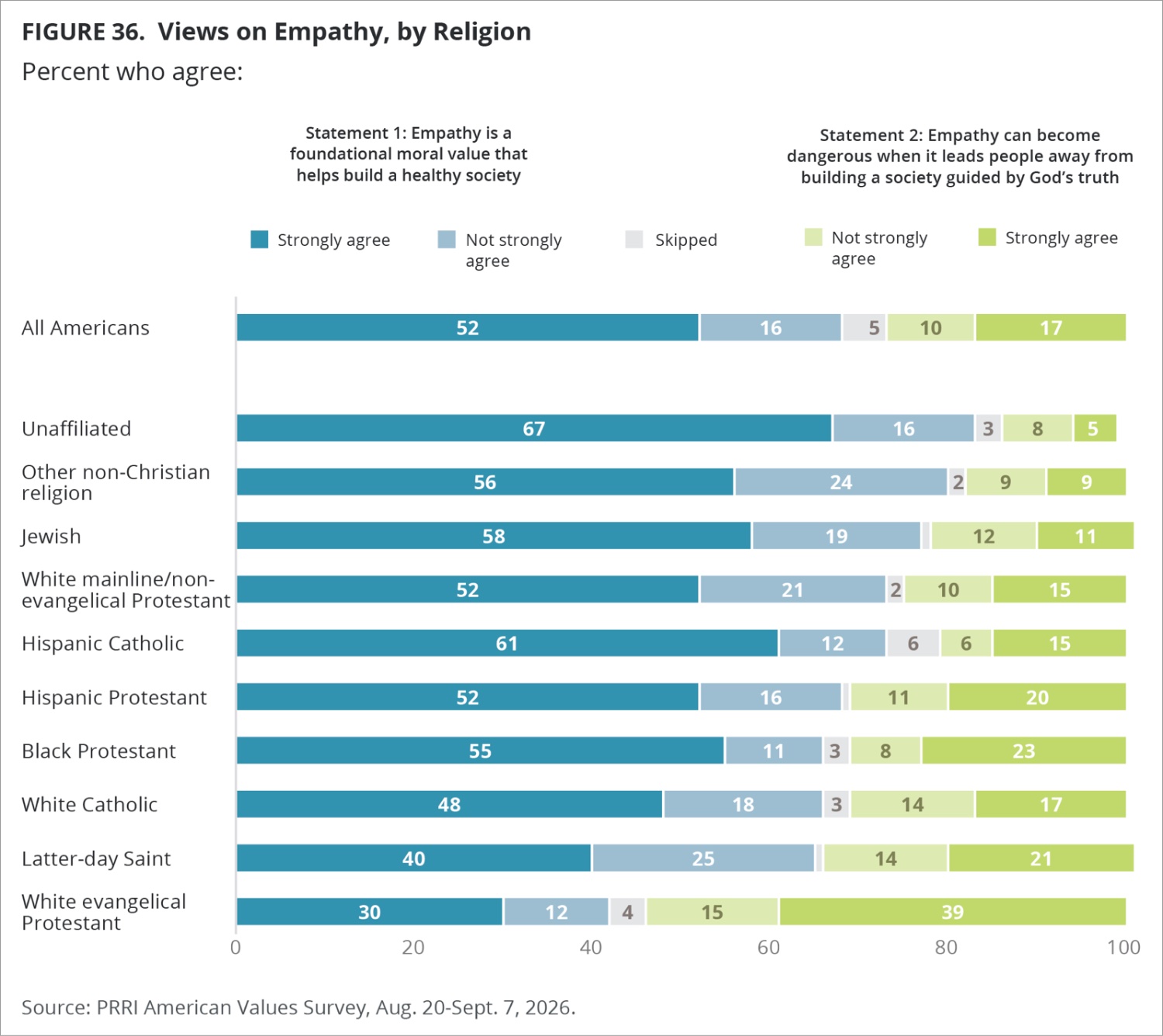
Religiously unaffiliated people most strongly believe that empathy is a foundational moral value. Note that doesn’t necessarily mean atheists; people who believe in God but don’t associate with any particular religion would be in that group. In fact, I can’t find any information about whether atheists are included in this survey, or if this was exclusively a survey of religious people.

Interesting (but not exactly surprising) results here. Makes me glad that “religiously unaffiliated” is the fastest growing religion in the U.S.

0

Seeking groups for blind playtesting of micro-dexterity game Hop Shot

preview

cross-posted from: lemmy.zip/post/73992864

I am seeking a few groups for a final round of blind playtesting for my latest board game Hop Shot - a micro dexterity game for 2 players that plays in about 10 minutes inspired by the Japanese sport of pole toppling.

For those interested I am asking for $5 USD to help with shipping ($10 USD outside the US) as well as at least 3 plays of the game and 1 feedback form submission. The game is yours to keep.

Box top:

Box bottom:

Box contents:

136

Discord will soon let anyone find public server messages through Google

Making Content from Discoverable Servers Easier to Discover discord.com
preview

cross-posted from: https://piefed.world/c/tech/p/1495887/discord-will-soon-let-anyone-find-public-server-messages-through-google

cross-posted from: https://piefed.world/c/tech/p/1495887/discord-will-soon-let-anyone-find-public-server-messages-through-google

411

Police Are Using AI to Pull Over Drivers for ‘Suspicious’ Behavior

Gizmodo Police Are Using AI to Pull Over Drivers for ‘Suspicious’ Behavior gizmodo.com
preview

Automated license plate readers (ALPRs) aren’t just helping police investigate crimes anymore. They’re now being used to flag drivers for supposedly “suspicious” driving patterns.

Automated license plate readers (ALPRs) aren’t just helping police investigate crimes anymore. They’re now being used to flag drivers for supposedly “suspicious” driving patterns.

0

Troy Jackson’s LGBTQ+ record is good news for Maine voters

LGBTQ Nation Troy Jackson's LGBTQ+ record is good news for Maine voters - LGBTQ Nation www.lgbtqnation.com
preview

Few people outside of Maine probably knew much about Troy Jackson’s LGBTQ+ legislative record until earlier this year, when he joined the state’s US Senate race after Democratic candidate Graham Platner dropped out.

While Jackson started his political career as a Republican (and once voted against marriage equality), he has since formed a strong record of opposing anti-LGBTQ+ bills in his state’s legislature and has spoken out for queer equality and trans rights on the campaign. A closer look at his words and actions suggests that he’ll be a strong ally for our civil rights.

9

Which one (if either) of these functions would you choose for a class inheriting the ConfigFile class?

preview

Option 1:

func set_default_value(section:String,key:String,value:Variant)->Variant:  
    if !self.has_section_key(section,key):  
        self.set_value(section,key,value)  
    return self.get_value(section,key)  

Option 2:

func set_default_value(section:String,key:String,value:Variant)->Variant:  
    value=self.get_value(section,key,value)  
    self.set_value(section,key,value)  
    return value  
0

Doctor removes prostate from 35 miles away in first telerobotic surgery in US

the Guardian Doctor removes prostate from 35 miles away in first telerobotic surgery in US www.theguardian.com
preview

The patient was at a facility in Minneola, Florida, while the surgeon operated remotely from another facility

A Florida surgeon has performed the first telerobotic operation between two US hospitals, removing the prostate of a man with cancer from 35 miles away, according to officials.

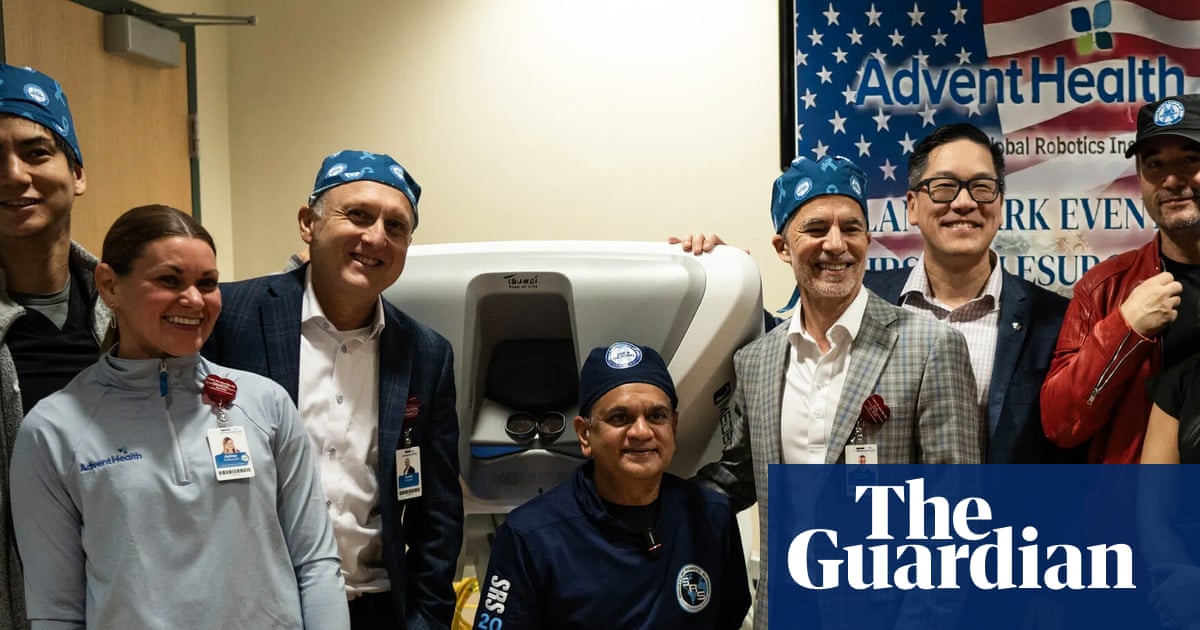
Dr Vipul Patel, founder and medical director of the Global Robotics Institute at AdventHealth Celebration in suburban Orlando, on Sunday performed an investigational robotic prostatectomy on a 66-year-old prostate cancer patient who volunteered for a clinical study evaluating a robotic telesurgery system.

The patient, identified as Mark, was at an AdventHealth facility in Minneola, Florida, while Patel operated remotely from another AdventHealth facility in the community of Celebration. Study co-principal investigator and surgeon Marcio Moschovas provided onsite support to Mark during the procedure, an AdventHealth news release said.

The patient was at a facility in Minneola, Florida, while the surgeon operated remotely from another facility

A Florida surgeon has performed the first telerobotic operation between two US hospitals, removing the prostate of a man with cancer from 35 miles away, according to officials.

Dr Vipul Patel, founder and medical director of the Global Robotics Institute at AdventHealth Celebration in suburban Orlando, on Sunday performed an investigational robotic prostatectomy on a 66-year-old prostate cancer patient who volunteered for a clinical study evaluating a robotic telesurgery system.

The patient, identified as Mark, was at an AdventHealth facility in Minneola, Florida, while Patel operated remotely from another AdventHealth facility in the community of Celebration. Study co-principal investigator and surgeon Marcio Moschovas provided onsite support to Mark during the procedure, an AdventHealth news release said.

0

ESPN Unveils Exclusive Broadcast Slate for High-Stakes NWSL Decision Day

Just Women's Sports ESPN Unveils Exclusive Broadcast Slate for High-Stakes NWSL Decision Day justwomenssports.com
preview

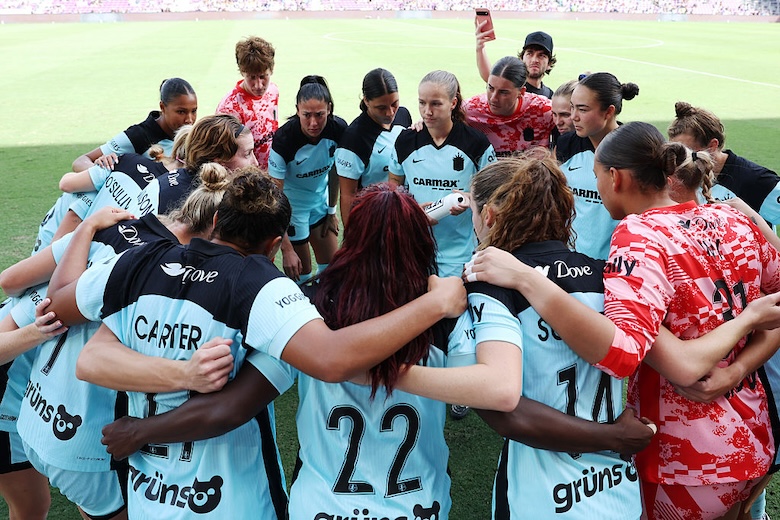
NWSL Decision Day kicks off Sunday with eight matches on ESPN, headlined by Gotham FC’s Shield pursuit and a heated playoff race.

NWSL Decision Day kicks off Sunday with eight matches on ESPN, headlined by Gotham FC’s Shield pursuit and a heated playoff race.

0

I Am the Manager of the Private Equity Firm That Just Acquired the House in Your Neighborhood That Hands Out Full-Size Candy Bars on Halloween

McSweeney's Internet Tendency I Am the Manager of the Private Equity Firm That Just Acquired the House in Your Neighborhood That Hands Out Full-Size Candy Bars on Halloween www.mcsweeneys.net
preview

“Finding the full-size candy bar house is one of childhood’s great moments. We would never take that away. We’ve just tweaked it. Every kid still walks away …

“Finding the full-size candy bar house is one of childhood’s great moments. We would never take that away. We’ve just tweaked it. Every kid still walks away …

0

Tickets (Free) – Canadian Healthcare Today: Diagnosing the Threats to Public Care – Owl's Club

Select tickets – Canadian Healthcare Today: Diagnosing the Threats to Public Care – Owl's Club www.tickettailor.com
preview

This educational panel event, hosted by the Leo Panitch School for Socialist Education, brings together health system researchers and public healthcare advocates to shed light on these critical developments and how we can push back on privatization and systemic racism within our healthcare system.

This educational panel event, hosted by the Leo Panitch School for Socialist Education, brings together health system researchers and public healthcare advocates to shed light on these critical developments and how we can push back on privatization and systemic racism within our healthcare system.